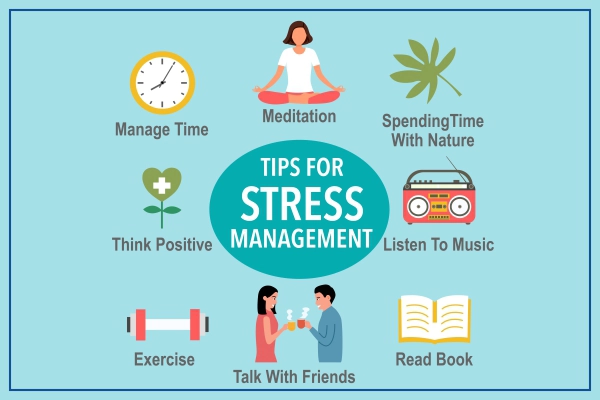
Most people are dealing with stress, personal challenges, and unsettling emotions. Find out the easiest ways to boost your mood to lead a better life.
Every individual experiences day when they feel unmotivated, tired, emotionally overwhelmed, and stressed. Every day, we have to take care of so much work pressure, responsibilities, personal challenges, and unexpected changes. All these play a huge role in how you feel in every situation. Many might think that they can control how they will feel in all situations. But it doesn’t work like that at all. However, if you can make a few simple changes in your habits, then you can support a more positive mood and help you manage difficult emotions. Boosting your mood does not necessarily require a major lifestyle change or an expensive activity. Sometimes, taking a short walk, listening to your favorite music, spending time with loved ones, or enjoying a few quiet moments can make a difference. Small, consistent actions can help you feel more balanced, improve your outlook, and make everyday life more enjoyable. Here are a few effective methods that can help you enhance your mood in a seamless manner-
- Get enough quality sleep:
Sleep influences our mood a lot, without us recognizing it. If you look closely, then you will get to understand how sleep controls your mood. If you do not sleep properly, you will feel lethargic and will get irritated much more easily. That is why, if you are someone who faces more mood shifts, then you need to be more concerned about your sleep. You need to get at least 7-9 hours of sleep daily. If you have a proper sleep time, your mind and body will feel relaxed and rejuvenated. When we sleep, our body heals and gets the energy to work the next day. If you do not sleep properly, then you will feel fatigued and will not be able to make any right decisions. Establish a consistent sleep schedule by going to bed and waking up at approximately the same time each day. Create a relaxing bedtime routine, reduce screen exposure before sleeping, and make your bedroom comfortable and quiet. Avoid consuming caffeine late in the day if it interferes with your sleep.
- Exercise regularly:
Doing exercise is another brilliant way to support your mood. If you can do daily exercises, then you will get the chance to reduce stress, improve sleep, and support your overall emotional and physical health. It can also provide a sense of accomplishment, especially when you are trying to develop a consistent routine. If you choose an activity of your choice, then you will also be interested in doing the exercises. For example, you can try walking, dancing, cycling, swimming, yoga, and more. Such activities can enhance your mood instantly. maintaining a consistency will help you to achieve a much satisfying result. You do not have to complete an exhausting workout to benefit from physical activity. Start with manageable goals and gradually increase your activity as your energy and abilities allow.
- Spend time outdoors:
Spending time outdoors can provide a refreshing break from indoor routines, work pressure, and excessive screen time. Natural surroundings, fresh air, and daylight may help you feel calmer, more relaxed, and refreshed. You do not need to plan a long trip to enjoy these benefits. Take a short walk in a nearby park, sit on your balcony, spend time in your garden, or enjoy your morning tea near an open window. Even a few minutes outside can help you pause, clear your mind, and reconnect with your surroundings. Natural daylight also helps regulate your body’s internal clock, supporting a healthy sleep-wake cycle. Whenever possible, make outdoor activities a regular part of your daily routine. You can combine outdoor time with gentle exercise, photography, or simply observing nature. Choose activities that feel comfortable, safe, and enjoyable rather than treating time outdoors as another responsibility.
- Eat balanced food:
Your eating habits can influence your energy, concentration, and overall well-being. Skipping meals or relying heavily on foods with limited nutritional value may leave you feeling tired or less focused, although mood changes can have several causes. Aim to eat balanced meals that include vegetables, fruits, whole grains, protein sources, and healthy fats. Eggs, beans, lentils, nuts, yoghurt, and fish can contribute to a varied, nutritious diet. Drink enough water throughout the day, especially during hot weather or physical activity. Avoid putting unnecessary pressure on yourself to follow a perfect diet. Enjoying your favourite foods can also be part of a healthy relationship with eating. Instead, focus on regular, nourishing meals that support your energy and overall health. Remember that no single food can instantly improve your mood, but maintaining balanced eating habits can contribute to your general well-being and help you feel better equipped to manage daily activities.
- Listen to your favorite music:
Music has a great influence on your emotions. If you listen to your favorite songs, then you will be able to create a more enjoyable atmosphere. For example, an upbeat song can make you feel energized and a calm song can help you to unwind after a demanding day. So, when you are trying to improve your mood, you can try listening to your favorite soundtracks. You can also create different playlists for different situations. If you can do so, then you will get to notice how any song can affect your mood seamlessly. Pay attention to how different songs affect your mood. Sometimes, listening to music that matches your current feelings can help you process them, while other times, something cheerful can offer a welcome distraction. Use music intentionally as a source of comfort, motivation, or relaxation whenever you need an emotional reset.
- Connect with family and friends:
Meaningful social connections can help you get emotional support, a sense of belonging, and companionship. For example, when you are feeling low, if you talk to someone you trust, you will feel much more relaxed. It is seen that when you are feeling low, if you stop communicating, things can get more overwhelming. That is why, for every individual, it is important that you make some time to have a conversation with your family members and friends. Even when you are not talking, listening to another person’s experience can strengthen your connection. A strong connection can make feel valuable and help you to improve your mood. You do not need a large social circle to benefit from meaningful relationships. A few supportive connections can be valuable. If meeting in person is difficult, messages or video calls can help you stay connected. Remember that healthy relationships involve mutual respect, understanding, and boundaries that protect everyone’s well-being.
- Practice gratitude:
When life feels stressful, it is easy to focus on problems, disappointments, and unfinished tasks. Practising gratitude encourages you to notice positive experiences that might otherwise go unrecognised and appreciate the good things in your daily life. At the end of each day, write down three things you appreciated. These could include a meaningful conversation, a delicious meal, a comfortable home, progress toward a personal goal, or a few peaceful moments. You can also express gratitude directly to someone who has supported or encouraged you. Gratitude does not mean ignoring genuine difficulties or pretending everything is perfect. Instead, it helps you recognise that positive and challenging experiences can exist together. By practising gratitude regularly, you may become more aware of the small moments that bring comfort, strengthen relationships, and contribute to greater satisfaction in everyday life.
- Spend more time on your hobbies:
Hobbies provide opportunities to enjoy yourself without focusing exclusively on productivity or responsibilities. They encourage creativity, help you relax, and give you something enjoyable to look forward to. Choose activities that genuinely interest you. You might enjoy gardening, painting, photography, cooking, reading, writing, crafting, playing an instrument, or learning a new skill. If you have a busy schedule, set aside 15 to 20 minutes for an activity that makes you happy. Avoid turning every hobby into a competition or another task that requires perfect results. You do not need to become an expert or produce something impressive to enjoy the experience. The process itself can be rewarding and refreshing. Making time for personal interests can help you manage stress, express yourself creatively, and maintain a healthier balance between work, responsibilities, and leisure. Regularly enjoying your hobbies can make everyday life more satisfying and enjoyable.
- Take a break from social media:
Social media platforms are definitely helpful for us to stay connected with everyone. But now it is becoming clear that people are becoming addicted to such platforms. The platforms we are using and what content we consume make a deep impact on our minds. If we are constantly watching content that makes us feel anxious, frustrated, and inadequate, we should mute them immediately. However, spending excessive time online may expose you to upsetting news, unrealistic expectations, and constant comparisons with other people. That is why it is really important to pay attention to what kind of content you are watching. In addition to that, you should also set time limits for using the platforms. If you can replace some scrolling time with activities that help you feel refreshed, such as reading, exercising, cooking, or speaking with a friend. This strategy can help you to improve your mood much easily.
- Practice mindfulness:
Mindfulness involves paying attention to the present moment without judging your thoughts or feelings. It can help you recognise when you feel overwhelmed and respond to stressful situations more calmly. Begin with a simple breathing exercise. Sit comfortably, relax your shoulders, and breathe gently. Notice the movement of your breath as you inhale and exhale. Continue for a few minutes without forcing your breathing or expecting your mind to become completely quiet. You can also practise mindfulness while walking, eating, or completing everyday tasks. Focus on what you can see, hear, smell, or feel. These simple exercises encourage you to slow down and reconnect with your surroundings. Although mindfulness cannot eliminate every source of stress, regular practice may help you manage tension and improve emotional awareness.
- Spend time with animals:
Animals can bring companionship, comfort, and enjoyment into everyday life. Spending time with a pet may encourage affection, playfulness, and a sense of routine. Walking a dog, playing with a cat, or watching fish swim can provide a pleasant break from stressful thoughts. If you have a pet, make time for activities you can enjoy together. Take a walk, practise simple training exercises, or relax in each other’s company. If you do not own a pet, consider spending time with a friend’s animal, visiting a reputable animal shelter, or observing birds in a nearby park. These experiences can offer enjoyable ways to connect with animals. However, pet ownership requires time, money, and commitment, so consider these responsibilities carefully before bringing an animal into your home.
Following some useful steps can help you to improve your mood in a much seamless manner. All of them have a great impact on your mind. Therefore, pay more attention to these for a better result.