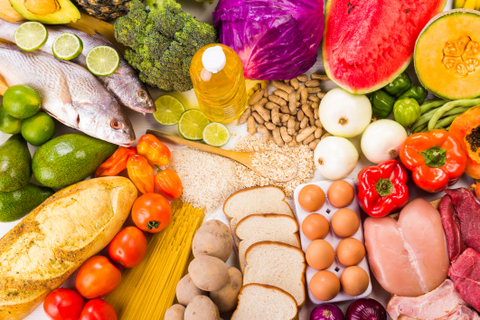
If you are trying to make your diet plan really healthy, then follow some simple steps. It can help you to have a healthy diet plan without much difficulty.
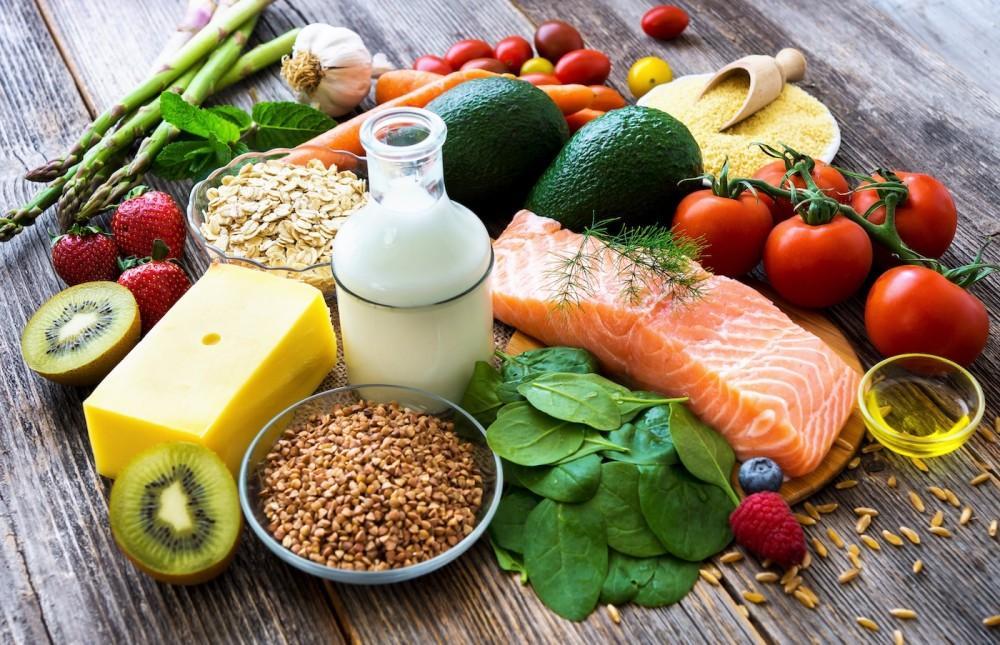
Every individual should pay attention to building healthy eating habits. But in most cases, people become more obsessed with a strict diet, give up their favorite food, and make a massive change in their eating habits. However, whenever you are willing to improve your eating habits, if you can make a few small changes, then you will be able to see even better results. For example, if you eat more vegetables, add whole grains to your diet, drink more water, control your portions, and more, you will be able to make your diet even healthier. There are many simple ways to make your eating habits healthy, but people do not focus on the easier steps. The reality is that maintaining such habits is much easier than following a strict diet. Therefore, let’s find out some of the easiest ways to make your diet healthier-
- Eat more whole foods:
While improving your diet plan, you should try eating more whole foods. The more you are able to include whole or minimally processed foods, the better it would be for your health. This can help you to get more nutrients without much hassle. Highly processed foods might look tempting, but there are no nutrients in them. That is why consuming whole foods is much better. It is seen that such foods have the potential to provide a wide range of nutrients like vitamins, fiber, minerals, protein, and more. Thus, paying more attention to this can help you to improve your diet in a much easier manner. So, it is a method that can be really useful for you.
- Eat fruits regularly:
Fruit is an easy way to add natural sweetness and valuable nutrients to your diet. Apples, oranges, bananas, berries, papaya, mangoes, guava, and pears provide varying amounts of fiber, vitamins, minerals, and beneficial plant compounds. Instead of treating fruit only as a dessert, include it regularly with meals or snacks. Add sliced fruit to oatmeal or yogurt, blend it into a smoothie, mix it into a salad, or simply enjoy a piece of whole fruit when you are hungry between meals. Whole fruit is generally more filling than juice because it retains its fiber. Keeping a selection of fresh or seasonal fruit available at home can also make it easier to choose a nutritious snack when cravings strike.
- Add vegetables to your meals:
Vegetables are an important part of a healthy eating pattern because they provide fiber, vitamins, minerals, and beneficial plant compounds. Eating a variety of vegetables can also make meals more colorful, flavorful, and satisfying. Try to include vegetables in more than one meal each day rather than relying on them occasionally. You can add spinach, tomatoes, onions, peppers, carrots, broccoli, or other vegetables to eggs, sandwiches, curries, soups, rice dishes, and pasta. Experimenting with different vegetables can help you enjoy a wider range of flavors and nutrients. You do not have to depend on fresh produce alone. Frozen vegetables can be convenient and nutritious, while appropriately prepared canned vegetables can also fit into a balanced diet. Keeping vegetables readily available can make healthier meal choices easier.
- Include protein in your meals:
Protein is one of the most necessary nutrients that our body requires. It can help you to strengthen your muscles, improve digestion, and take care of your overall health. So, you must be more conscious about getting protein. Whenever you are planning your meal, you should always add a source of protein to it. If you do not do so, you will not be able to create a balanced diet for yourself. There are many protein-rich foods that are available out there. You can eat eggs, fish, lentils, poultry, tofu, nuts, dairy products, and more. All of them are rich in protein and quite easy to absorb as well. If you can add one of these to your daily meals, then you will get to improve your diet without much hassle. So, it is a step that can be really helpful for you.
- Consume whole grains more often:
Whole grains retain more of the grain’s original components than refined grains and can provide fiber, vitamins, minerals, and other nutrients. Oats, brown rice, quinoa, barley, whole-grain bread, and whole-wheat pasta are examples that can fit into a balanced diet. You do not need to replace every refined grain at once. Start with one simple change, such as choosing oatmeal for breakfast, brown rice with lunch, or whole-wheat bread for a sandwich. Whole grains can also help make meals more satisfying because of their fiber content. Try different options to discover what you enjoy and what works with your usual meals. You can also combine whole grains with vegetables, beans, lentils, or lean protein to create balanced dishes that are both nutritious and filling.
- Drink enough water:
Water is really essential for our body, and every individual should pay more attention on their daily water intake. It is water that helps our body function in the ideal way. Along with this, if you do not drink sufficient water, your body will not be able to absorb the nutrients as well. Drinking water can improve your digestive system, make your skin clear, and strengthen your hair too. So, drinking water can be a habit that can lead you to improve your diet plan. It is a simple yet effective step that most people ignore. But it plays a huge role in our well-being without even us knowing it. This is a step that can be really helpful in many ways.
- Eat more fiber-rich foods:
Fiber is naturally found in foods such as vegetables, fruits, whole grains, beans, lentils, nuts, and seeds. Including enough fiber in your diet can support digestive health and help you feel satisfied after meals. If your current diet is low in fiber, increase your intake gradually rather than making a sudden change. Drinking enough fluids can also help your body adjust to higher fiber consumption. Simple changes can make your meals more fiber-rich. Add beans or lentils to soups and curries, choose whole fruit instead of juice, eat oats for breakfast, or add vegetables to rice and pasta dishes. You can also snack on nuts or seeds in appropriate portions. Focus on eating a variety of fiber-rich foods instead of depending on one particular source.
- Control your portion size:
Healthy foods can still provide more energy than your body needs when eaten in very large portions. Paying attention to portion sizes does not mean weighing every ingredient or constantly counting calories. Instead, become more aware of how much food you serve and how satisfied you feel afterward. Using smaller plates or serving dishes can sometimes make portions easier to manage without making meals feel restrictive. You can also start with a moderate serving and take more if you are still hungry. Try to eat slowly and notice your hunger and fullness signals during meals. Portion needs vary from person to person and can depend on factors such as age, activity level, appetite, and lifestyle. The goal is not to eat as little as possible, but to develop a balanced awareness of portions that supports your individual nutritional needs.
- Reduce sugary drinks:
Soft drinks, sweetened beverages, energy drinks, and heavily sweetened coffees or teas can add significant amounts of sugar to your diet without making you feel as full as solid foods. Reducing these drinks can be a simple way to improve your overall eating habits. You do not need to stop drinking your favorite beverages immediately. Start by having them less often or choosing smaller servings. Water, unsweetened tea, and unsweetened coffee can be useful alternatives, depending on your preferences. If you regularly add sugar to your tea or coffee, gradually reduce the amount so your taste preferences can adjust over time. You can also keep water readily available throughout the day to make it easier to choose. Small, realistic changes are often easier to maintain than sudden restrictions and can gradually reduce your overall intake of added sugar.
- Slow down while eating:
Eating quickly makes it really difficult to understand when you are becoming comfortably full. Slowing down is a method that can be quite helpful during this time. Along with this, if you slow down while eating, then your body will also recognize what you are eating. It plays a significant role in our body. A lot of the time, it is seen that people eat their meals at such a rapid pace that they do not even know how much they have eaten. When you are willing to improve your diet, you must be more concerned about it. Along with that, this specific strategy can make you more satisfied while eating. Every individual needs to be more present while they are eating. Food is one of the most important things that helps us to stay healthy. So, implementing this step can help you to improve your diet much more easily.
- Eat without constant distractions:
Nowadays, people have something in front of them while eating. It might be their phone, laptop, or television that they are consuming more than their food, too. When you are concentrating on something else while eating, you will not be able to focus on what you are eating. A present mind is always needed when you are having your meal. If you do not do so, then you will not be able to understand your hunger or fullness. So, you must concentrate more on what you are eating and how much you have eaten. If you do so, you will be able to take care of your health in a much easier way. Therefore, it is a step that can help you to create a healthy eating habit.
- Go for healthy fats:
Fat is an essential nutrient and does not need to be eliminated from a healthy diet. Foods such as nuts, seeds, avocados, olive oil, and fatty fish provide unsaturated fats along with other valuable nutrients. Instead of treating all dietary fat as unhealthy, focus on the type and amount you regularly consume. Because fat is energy-dense, paying attention to portions can still be helpful. For example, a small serving of nuts can make a satisfying snack, while olive oil can add flavor to vegetables, salads, or other dishes. Fatty fish can also provide beneficial omega-3 fatty acids. Including different sources of healthy fats can add variety, flavor, and satisfaction to meals. The goal is to choose nutritious fat sources regularly while maintaining an overall balanced diet that includes vegetables, fruits, whole grains, and suitable protein sources.
- Do not skip meals:
After eating more than intended, some people may try to compensate by skipping their next meal. However, this can create an uncomfortable cycle of restriction, hunger, and overeating later. Instead, return to your regular eating routine and allow your next meal to be balanced and moderate. There is no need to punish yourself or drastically reduce your food intake because of one meal. If you enjoyed a larger meal, simply focus on making your following meals nutritious and satisfying. Including vegetables, whole grains, protein, and healthy fats can help create a balanced meal. Remember that one meal does not determine the quality of your entire diet. Viewing food choices as part of a long-term pattern can reduce unnecessary guilt and make healthy eating more sustainable. A flexible approach allows occasional indulgences without disrupting your overall routine or relationship with food.
- Add beans and lentils to your diet:
Beans and lentils are versatile foods that can add plant-based protein, fiber, vitamins, minerals, and other nutrients to your diet. They are also generally affordable and easy to include in everyday meals. Add lentils to soups, beans to salads, chickpeas to curries, or cooked legumes to rice and other grain-based dishes. You can also use them to replace some or all of the meat in certain meals if you enjoy plant-based options. Because legumes can be filling, they may help make meals more satisfying while adding valuable nutrients. Try different varieties, such as black beans, kidney beans, chickpeas, green lentils, or red lentils, to discover which ones you enjoy most. Preparing a batch in advance can also make it easier to add beans and lentils to meals throughout the week without requiring complicated recipes.
- Consume fish when it fits your diet:
Fish is an excellent food item that can help to support our health in many ways. This is a brilliant source of protein and good fat. If you consume a fatty fish such as salmon or trout, you will be able to get more omega-3, which is really good for your health. If you enjoy eating fish, then you should try to add fish to your diet right now. Relying on such a great source of protein can help you to take care of your body. You can consume fish in many ways, such as baked, grilled, steamed, or prepared with vegetables. All of them will help you to increase your fish consumption. If you are someone who does not like or eat fish, then it is not a solution for you. In such a case, you must rely on plant-based protein to take care of your health.
- Cook More Meals at Home:
Preparing meals at home gives you greater control over ingredients, portions, cooking methods, and seasoning. It does not mean every meal needs to be complicated or require hours in the kitchen. Simple dishes such as vegetable stir-fries, lentil soups, grain bowls, omelets, salads, roasted vegetables, or rice dishes can be nutritious and satisfying. Cooking at home also makes it easier to understand how much oil, salt, sugar, and other ingredients are being used. You can adjust recipes according to your nutritional needs and personal preferences. If preparing every meal at home is unrealistic, start with just a few home-cooked meals each week. Planning ingredients ahead can make cooking faster and more convenient. As you become comfortable with simple recipes, you can gradually expand your meal choices and develop healthier cooking habits that fit naturally into your daily routine.
- Pay attention to food labels:
Checking food labels is considered really important when you are trying to improve your diet. While you are buying any packaged food, you are getting the chance to see what are there in your package. As a health enthusiast, you should always look at what you are consuming throughout the day. With the help of food labels, keeping an eye on them will get much easier. This way, you will get to learn what kind of nutrients and how much you will get from a certain packaged food item. In addition to that, it will also lead you to find out if there are any harmful elements or not. It is a great practice that will help you to improve your diet without much hassle.
- Stop eating highly processed snacks:
Packaged cookies, chips, sweets, crackers, and other highly processed snacks can be convenient, but eating them frequently may reduce the space available for more nutritious foods. You do not need to eliminate these foods completely or avoid enjoying them occasionally. Instead, try to make nutritious snacks easier to reach when hunger strikes. Fresh fruit, yogurt, nuts, seeds, roasted chickpeas, or whole-grain snacks can provide satisfying alternatives, depending on your dietary preferences and needs. Keeping these options visible and ready to eat can make healthier choices more convenient during busy days. You can also prepare snacks in advance by washing fruit, portioning nuts, or preparing roasted legumes. The goal is not to depend entirely on willpower or follow strict restrictions. Creating an environment where nutritious foods are readily available can make healthier snacking habits easier to maintain consistently over time.
- Have a balanced breakfast:
Breakfast does not have to be large, and not everyone needs to eat immediately after waking. However, when you choose to have breakfast, combining different food groups can help create a more balanced and satisfying meal. For example, oats topped with fruit and nuts can provide carbohydrates, fiber, healthy fats, and other nutrients. Eggs served with whole-grain toast and vegetables can provide protein along with vitamins and minerals. Yogurt with fruit and seeds can also be a simple option when you want something quick. Try to avoid making breakfast mainly a source of added sugar through heavily sweetened cereals, pastries, or beverages. Instead, choose foods that provide protein, fiber, or other nutrients to help make your meal more nourishing. Keeping a few simple breakfast ingredients available can also make it easier to prepare a balanced meal on busy mornings without much effort.
- Keep healthy foods easily available:
Your surroundings can influence your everyday food choices. When nutritious foods are visible, accessible, and ready to eat, choosing them can require less effort. Keep fresh fruit where you can easily see it, store nuts or seeds in convenient portions, and make sure vegetables are available for meals. You can also prepare some ingredients in advance, such as washing vegetables, cutting fruit, or cooking grains, to save time during busy days. Having healthier options nearby can be especially useful when you are hungry and do not have time to prepare something complicated. This approach does not mean hiding or completely avoiding your favorite treats. Instead, it focuses on making nutritious choices convenient and appealing. Over time, having healthy foods readily available can help these choices become a natural part of your daily eating routine.
- Reduce excess sodium:
Sodium is an essential nutrient, but too much of it can be a serious concern for our health. An excessive amount of sodium can cause many complications in our body, which can be really difficult to handle. That is why, when you are trying to improve your diet, you must keep a keen eye on your sodium level in food as well. While doing this, you need to reduce eating packaged chips, sauces, restaurant meals, processed meats, and more. All of them are filled with too much sodium, rich food that can ruin our diet and health. So, if you can be a little more concerned about your sodium intake, taking care of your health will be much seamless.
- Choose healthier cooking methods:
The way food is prepared can influence its nutritional value and overall energy content. Cooking methods such as baking, steaming, grilling, roasting, boiling, and sautéing with moderate amounts of oil can help you prepare nutritious meals without relying heavily on deep-frying. You do not need to completely avoid fried foods, but using a variety of cooking methods can make your diet more balanced. For example, try roasting vegetables instead of frying them, or steaming fish and serving it with whole grains and a salad. Experimenting with herbs, spices, garlic, ginger, lemon, and simple marinades can also add plenty of flavor without requiring excessive amounts of oil, salt, or sugar. Choose cooking methods that fit your lifestyle and preferences, and focus on making nutritious foods enjoyable. Small changes in preparation can make everyday meals healthier without making them feel restrictive.
- Keep Added Sugar in Check:
Sugar occurs naturally in foods such as fruit and milk, while added sugars are included during processing or preparation. Regularly consuming too many foods and drinks high in added sugar can make it harder to maintain a nutrient-rich diet. Check labels for added sugar in sweetened beverages, desserts, flavored snacks, cereals, sauces, and other packaged foods. You do not need to eliminate sugar completely. Instead, try reducing your intake gradually by choosing less-sweetened options or smaller portions. When you want something sweet, whole fruit can provide natural sweetness along with fiber and other nutrients. You can also enjoy desserts occasionally without feeling guilty. The goal is to keep added sugar within a balanced eating pattern rather than treating sweet foods as completely off-limits. Small, consistent changes can make it easier to reduce your overall intake without making your diet feel overly restrictive.
- Have more calcium-rich foods:
Calcium is an important nutrient for maintaining strong bones and supporting several normal bodily functions. Dairy foods such as milk, yogurt, and cheese can provide calcium, while fortified plant-based drinks, tofu, leafy greens, and some other foods can also contribute. If you consume dairy, choose options that suit your nutritional needs, preferences, and overall diet. If you avoid dairy, make sure you regularly include suitable non-dairy sources of calcium. Reading food labels can help you identify fortified products and compare their nutritional content. A varied and balanced diet can provide many essential nutrients, but calcium requirements differ depending on factors such as age and individual needs. People following restrictive diets may need to pay closer attention to their calcium intake. If you are unsure about meeting your nutritional requirements, consider discussing your diet with a qualified healthcare professional.
Following a few steps can help you to make your diet much easier than ever. It can lead you to have a healthy body without much hassle. Thus, follow these steps to take care of yourself.