Mental health is an essential part of every individual that needs to be taken care of equally. Practice the useful steps to protect your mental health.

Mental health is an important part of overall well-being. It is our mental health that influences how we think, build relationships, handle challenges, make decisions, and respond to everyday situations. Most people are always concerned about their physical health. But mental health is equally important too. If you do not take care of your mental health, managing your daily responsibilities can even become impossible. That is why it is important to protect your mental health. It doesn’t mean that avoiding difficult emotions. In our daily life, we are continuously facing pressure, disappointments, changes, and uncertainty. If you follow the right practices, then you will be able to manage the challenges in a healthy way and protect your mind. along with your physical health, you should also take care of your mental health. Here are a few effective steps that can help you to attain a fruitful outcome-
- Stay physically active:
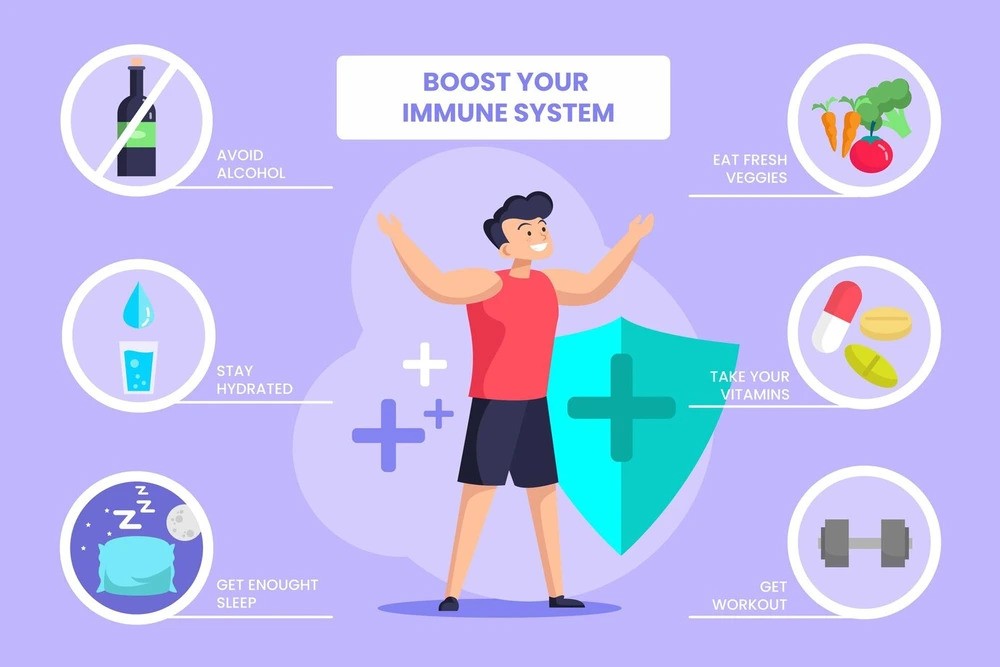
staying physically active can help you to take care of both your physical and mental health. Doing exercises can help you to get a healthy break from your daily responsibilities. It has the potential to support your mood and energy level. and overall well-being. It doesn’t mean that you have to do an intense workout daily. Even if you do light exercises every day, you will get to see a change in your mind. You can try out any form of exercise, such as walking, stretching, cycling, swimming, yoga, and more. Do the exercises that you enjoy the most. If you can do this, then you will get the chance to make a positive impact on your mind. In addition to that, when you do something that you like, you will not feel it like a punishment but a way of enjoying your time. It is a strategy that you should implement.
- Get enough quality sleep:
Sleep plays an important role in our mental health. If you do not sleep properly for a long time, you will get to see that your mind is not functioning properly. It can cause brain fog, vagueness in your thoughts, being unable to control emotions and stress, and harder to concentrate. At the beginning, it might seem normal, but the more you avoid getting proper sleep, the bigger the problem will become. It can also lead to chronic diseases. That is why, when you are trying to take care of your mental health, you need to get enough quality sleep. A consistent nighttime routine can help you to sleep in a much better way. You can also try to create a relaxing environment for your sleep. If you consider this specific practice, you will get to see an improved result.
- Build strong social connections:
Strong social connections play an important role in protecting mental health. Positive relationships can provide emotional support, companionship, encouragement, and a sense of belonging, especially during stressful or challenging periods. Spending time with people you trust can help reduce feelings of loneliness and remind you that you do not have to face every difficulty alone. Make an effort to stay connected with family members, friends, colleagues, or other people who make you feel respected, valued, and supported. Staying connected does not always require long conversations or frequent meetings. A phone call, text message, shared meal, short walk, or casual conversation can help maintain meaningful relationships. Quality matters more than quantity when it comes to social connections. Having a few trustworthy and supportive people in your life can be more valuable than maintaining a large social circle. Make time for relationships that encourage positivity, understanding, and mutual respect.
- Eat a balanced diet:
A balanced diet provides the nutrients your body and brain need to function properly. Eating nutritious foods regularly can support physical health, energy levels, concentration, and overall emotional well-being. Try to include a variety of vegetables, fruits, whole grains, lean proteins, and healthy fats in your daily meals. Drinking enough water throughout the day is also important for staying hydrated and supporting normal body functions. Avoid treating food choices as a source of guilt or pressure. Healthy eating is about creating balanced and consistent habits rather than following a perfect diet. Enjoying your favorite foods in moderation can also be part of a healthy lifestyle. Planning meals ahead can make nutritious choices easier during busy days. If you have specific dietary or nutritional concerns, consider speaking with a registered dietitian or qualified healthcare professional for personalized guidance that suits your individual needs and lifestyle.
- Learn to manage stress:
Stress is a part of our life, and every individual needs to learn how to manage it. Sometimes, it can get a little overwhelming and make an impact on our mental health, but it is important to manage stress more wisely. Before taking too much stress, try to understand the reason behind it. If you can identify the situation, take responsibility, and work on it, then you will be able to manage your stress more seamlessly. When you are feeling stressed, you can try out a few steps, such as relaxation techniques, breathing exercises, physical activity, and time management. If you make a few small changes in these things, you will be able to manage stress more seamlessly and take care of your mental health.
- Set realistic goals:
For every individual, it is important to set realistic goals. Many people are out there who go for an unrealistic goal, which is quite impossible to achieve. And when they cannot meet the expectations, they get depressed automatically. That is why, when you are investing your time and energy in a certain thing, you can try to start with a realistic goal according to the circumstances. By doing so, you do not have to take much stress and accomplish the task more easily. This will reduce pressure on your mental health. Having some realistic goals will help you to take care of your mental health. You do not need to take any extra pressure and look after your mental health. So, it is a strategy that you should use.
- Spend more time in nature:
Spending time in nature can provide a refreshing break from busy routines, indoor environments, and digital screens. Being outdoors gives you an opportunity to slow down, clear your thoughts, and focus on your surroundings. Simple activities such as walking through a park, sitting in a garden, visiting a beach, hiking, or spending a few quiet minutes outdoors can support relaxation and emotional well-being. Nature can also encourage physical activity, which is beneficial for both mental and physical health. You do not need to travel to a remote forest or scenic destination to enjoy these benefits. A nearby park, garden, or tree-lined street can provide a useful escape from daily pressures. Try making outdoor time a regular part of your routine instead of waiting for a vacation. Even a short daily walk can create a peaceful opportunity to step away from responsibilities, breathe fresh air, enjoy natural surroundings, and recharge your mind.
- Take regular breaks:
Working continuously without enough rest can contribute to mental fatigue, stress, exhaustion, and reduced concentration. Taking regular breaks gives your mind and body an opportunity to recover, helping you return to tasks with greater focus and energy. During work or study, step away from your screen for a few minutes. Stretch your body, take a short walk, drink some water, practice deep breathing, or simply sit quietly and relax. Longer breaks can also be helpful after completing demanding tasks or projects. Try to avoid waiting until you feel completely exhausted before taking time to rest. Regular breaks can support sustainable productivity while reducing the pressure associated with constant work. Creating a simple routine that includes short pauses throughout the day can make responsibilities feel more manageable. Remember that rest is not wasted time. Giving yourself opportunities to recharge is an important part of protecting your mental health, maintaining focus, and supporting overall well-being.
- Limit excessive social media use:
Social media platforms are really useful for communication, discovering information, and maintaining good relationships with others. But too much use of social media can make a negative impact on your mind. You must pay attention to how you feel after using social media. If you see that certain online habits or accounts are making you feel uncomfortable or stressed, you must mute or unfollow them instantly. Along with that, we see millions of things on social media. If you are spending too much time on them, whatever you see will make an even deeper impact on your mind. A lot of the time, it is seen that being on social media for longer hours can make you feel irritated, drained, sad, and whatnot. All these play a huge role in your mental health. So, when you are trying to take care of it, you must limit excessive social media use.
- Make time for hobbies:
Making time for hobbies can support mental well-being by giving you an opportunity to relax, have fun, and focus on something you genuinely enjoy. Hobbies allow you to take a break from work, responsibilities, and daily pressures without worrying about productivity. Reading, painting, gardening, cooking, photography, music, crafts, sports, and creative activities can provide enjoyable ways to spend your free time. A hobby can also give you something positive to look forward to during a busy or stressful week. Choose activities based on your interests rather than whether they seem impressive, useful, or productive. The goal is to enjoy the experience and give your mind a chance to recharge. You do not need to dedicate several hours to a hobby. Even 20 or 30 minutes spent doing something enjoyable can provide a refreshing mental break, reduce stress, encourage creativity, and help create a healthier balance in your daily routine.
- Maintain healthy work-life balance:
Maintaining a healthy work-life balance is important for protecting your mental health and preventing constant stress or exhaustion. Work and professional responsibilities can become overwhelming when they take up most of your time, energy, and attention. Setting clear boundaries can help protect your personal time and create space for other important areas of life. Where possible, establish regular working hours and develop a routine that allows you to disconnect from work after completing your responsibilities. Avoid checking work messages constantly during your personal time, especially when you are trying to relax or spend time with loved ones. Remember that your career does not have to be your only source of achievement or identity. Make time for family, friends, hobbies, exercise, entertainment, and proper rest. These activities are not wasted time. They can help you recharge, reduce stress, maintain relationships, and create a healthier and more balanced lifestyle that supports both productivity and emotional well-being.
- Learn to set boundaries:
Healthy boundaries can help you to protect your energy and emotional space. It is seen that when you do not have boundaries, you are constantly agreeing to requests that make you feel overwhelmed. It is really essential for every individual to set their boundaries. Otherwise, you will always get into unnecessary commitments. Once you set your boundaries, you will be able to say no to redundant commitments, avoid harmful conversations, and say no to communicating during your personal time. This way, you will be able to avoid any burden that is not associated with you. If you can do this, you will get to enjoy your company and have a relaxing time. This is a step that every individual should practice. If you do not do so, then you will have to get involved in unwanted events that will leave you feeling drained. Thus, it is a step that can be helpful for you.
Following the right strategies can help you to take care of your mental health. It can lead you to have a much more peaceful life.