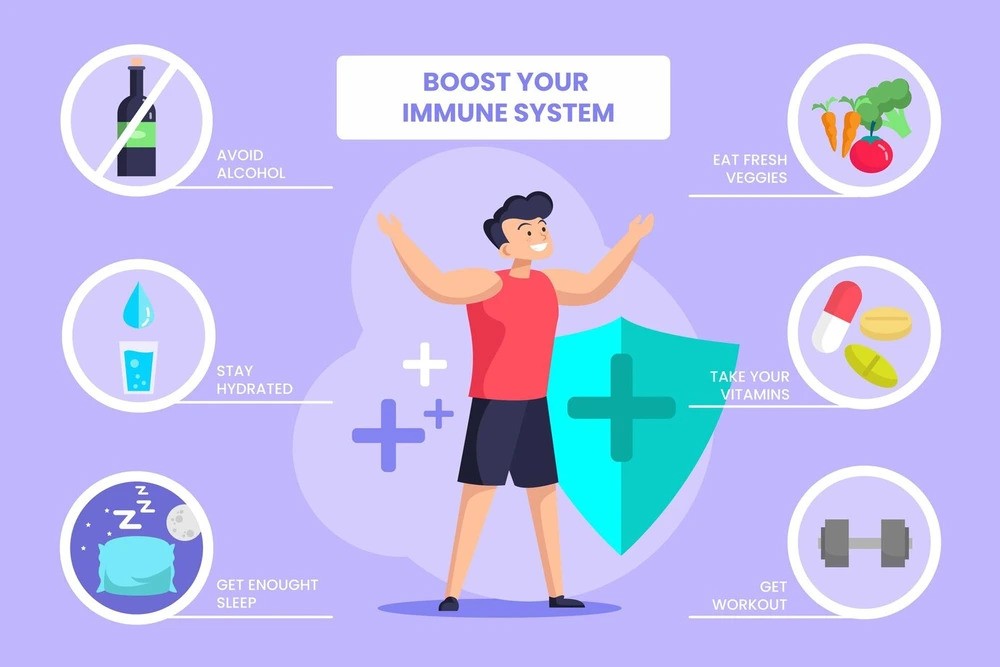
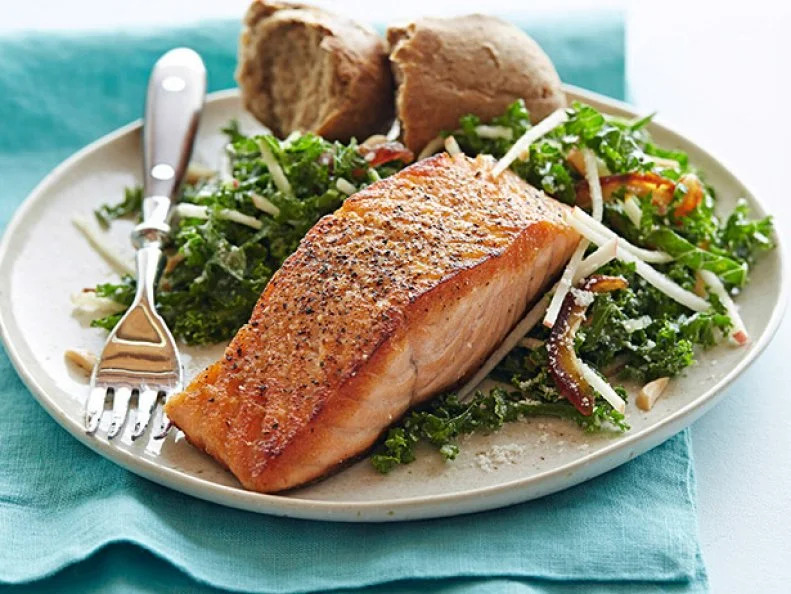
Polycystic ovary syndrome can be treated much more easily with some effective natural methods. If you can follow them, managing PCOS can be much easier for all.
Polycystic ovary syndrome or PCOS has become one of the most common hormonal disorders among women. It can make a deep impact on menstrual cycles, skin health, fertility, metabolism, emotional well-being, and weight. Right now, post of the women are dealing with PCOS, which is making their lives even more difficult. However, there is no permanent cure for PCOS, but it can be managed through a few lifestyle changes and healthy habits. Medical guidance can also be helpful, but as there is no guaranteed cure, trying out different approaches can be really helpful. Natural approaches do not replace medical treatment, but they can help to get a faster result. All these can help you to manage your PCOS in a much better way. For example, eating healthy foods, managing stress, exercising regularly, and prioritizing sleep can help you to reduce inflammation, improve insulin sensitivity, regulate hormones, and support your overall health. Each of them is intertwined with your PCOS condition. Therefore, making a few changes can be really useful for you. Here are a few changes that can help you to manage PCOS-
- Follow a balanced diet:
Nutrition plays a major role in managing PCOS. If you can follow a balanced diet routine, then you will get the chance to manage your condition a little more easily. Try to eat more vegetables, whole grains, fruits, lean proteins, legumes, nuts, seeds, and healthy fats. If you follow such a clean diet, then you will get the chance to get all the essential nutrients. It is the nutrients that can assist you stabilize your blood sugar more effectively. It is really important to manage your blood sugar level if you have PCOS. It can make the whole dynamic of your body even more complicated. At this time, you should avoid eating sugary drinks, refined carbohydrates, and heavily processed foods. All these have the potential to increase insulin spikes, which is really common in PCOS. That is why, when you are going through such a situation, you must pay more attention to consuming a balanced diet.
- Eat more lean protein:
Protein is a nutrient that can be really helpful at such a time. It promotes more fullness, helps to stabilize blood sugar, and supports muscle maintenance. All these need to be taken care of during PCOS. If you focus more on eating lean protein, then you will get the chance to fulfil these requirements without much hassle. While focusing on eating more lean protein, you can try various sources like chicken, fish, tofu, eggs, turkey, beans, lentils, and yogurt. All these are great sources of lean protein. Balancing meals with each one of them can help you to get more protein without facing any difficulties. This will also help you to manage your weight and balance hormones. When it comes to hormone balance, protein plays a significant role. Thus, opting for this can be really helpful for your health. Thus, eat more lean protein while managing PCOS.
- Consume high-fiber food:
A high-fiber diet can play an important role in managing PCOS by supporting healthy digestion and promoting more stable blood sugar levels. Fiber slows the absorption of carbohydrates, helping to reduce sudden spikes in blood glucose and insulin. Since insulin resistance is common among people with PCOS, eating more fiber-rich foods may help improve insulin sensitivity and support better metabolic health. Fiber also increases feelings of fullness, which can reduce overeating and assist with healthy weight management. Excellent sources of fiber include oats, beans, lentils, chickpeas, berries, apples, pears, broccoli, Brussels sprouts, leafy greens, flaxseeds, chia seeds, and whole grains such as quinoa and brown rice. Try adding vegetables to every meal, choosing whole fruits instead of juice, and replacing refined grains with whole-grain alternatives. Gradually increasing your fiber intake while drinking plenty of water can help prevent digestive discomfort and promote better overall gut health.
- Reduce added sugar intake:
Reducing added sugar is one of the most effective dietary changes for managing PCOS naturally. Consuming large amounts of sugar can cause frequent spikes in blood glucose and insulin levels, potentially worsening insulin resistance, increasing inflammation, and making weight management more challenging. To lower your intake, limit sugary beverages, desserts, candy, pastries, flavored coffees, sweetened cereals, and highly processed snack foods. Read nutrition labels carefully, as added sugars are often hidden in packaged products, sauces, and dressings. When you crave something sweet, choose naturally nutritious options such as fresh fruit, plain yogurt topped with berries, or apple slices with a small amount of nut butter. These foods provide fiber, vitamins, minerals, and antioxidants while satisfying your sweet tooth more gradually. Making small, consistent changes rather than eliminating all treats at once can help create healthier habits that are easier to maintain and support better long-term management of PCOS symptoms.
- Choose healthy fats:
Healthy fats are useful in hormone production and inflammation reduction. When you are putting effort into managing your PCOS, you should consume healthy fats. All saturated and trans fats can make a negative impact on your health. That is why it is essential to replace them with unsaturated fats. It will also improve your cardiovascular health, which is really essential to take care of during PCOS. It is seen that during PCOS, there is a risk of getting heart disease. But if you eat healthy fats, then managing it would be much easier. As a source of healthy fats, you can eat avocados, olive oil, walnuts, almonds, pumpkin seeds, sunflower seeds, and fatty fish. Each of them can help you to get healthy fats and support your health. Thus, while you are trying to manage PCOS, you must consider this.
- Eat low-glycemic carbohydrates:
Choosing low-glycemic carbohydrates can help manage PCOS by promoting more stable blood sugar and insulin levels throughout the day. These foods digest and absorb more slowly than refined carbohydrates, reducing sudden spikes in blood glucose that may worsen insulin resistance. Healthy low-glycemic options include quinoa, steel-cut oats, brown rice, barley, sweet potatoes, lentils, beans, chickpeas, and a variety of non-starchy vegetables. Instead of relying on white bread, white rice, or sugary snacks, replace them with whole-food alternatives that provide more fiber and nutrients. For even better blood sugar control, combine carbohydrates with lean protein and healthy fats, such as grilled chicken, fish, eggs, nuts, seeds, or avocado. This balanced approach can help increase satiety, support steady energy levels, and contribute to better metabolic health while naturally managing PCOS symptoms.
- Maintain a healthy weight:
Maintaining a healthy weight can help improve many symptoms associated with PCOS, particularly for individuals who are overweight. Even a modest reduction in body weight may support better insulin sensitivity, promote more regular menstrual cycles, improve hormone balance, and increase fertility. However, weight is only one part of managing PCOS. Many people with PCOS have a healthy body weight yet still experience symptoms such as irregular periods, acne, or hormonal imbalances. For this reason, the focus should be on building sustainable lifestyle habits rather than achieving a specific number on the scale. Eating a balanced diet, staying physically active, getting enough sleep, and managing stress all contribute to better overall health. Consistent healthy habits can improve metabolic function and support long-term PCOS management regardless of body size or weight.
- Exercise regularly:
Regular physical activity is one of the most effective natural strategies for managing PCOS. Exercise helps improve insulin sensitivity, allowing the body to use insulin more efficiently while supporting healthier blood sugar levels. It also benefits cardiovascular health, boosts mood, reduces stress, and assists with maintaining a healthy weight. Aim for at least 150 minutes of moderate-intensity exercise each week, spread across several days. Activities such as brisk walking, cycling, swimming, dancing, jogging, and hiking are all excellent choices. You can also include strength training two or three times a week to build muscle, which further supports metabolism and insulin function. The key is finding activities you genuinely enjoy so they become part of your routine. Even short sessions of movement throughout the day can make a difference. Remember that consistency is more important than intensity, and gradual, sustainable progress often leads to better long-term results for managing PCOS symptoms.
- Do strength training:
Building muscles can help you to improve insulin sensitivity. It is our muscles that use glucose efficiently. So, if you build more muscle, then you will get the chance to manage your blood sugar level. If you can do strength training twice or thrice a week, then improving metabolism will be much easier. In addition to that, it is also useful in supporting healthy body composition. At the time of managing PCOS, doing strength training will help you to manage your condition more effortlessly. For strength training, you can try bodyweight exercises, resistance bands, gym equipment, or free weights. All of them are really impactful in doing strength training. If you can follow an efficient routine, then building muscles will be way easier. It is a great method of managing your PCOS condition.
- Manage stress:
Managing stress is an important part of living with PCOS because chronic stress can increase cortisol levels, which may contribute to hormonal imbalances and worsen symptoms such as irregular periods, weight gain, and difficulty managing blood sugar. While it is impossible to eliminate stress, developing healthy coping strategies can improve both physical and emotional well-being. Relaxation techniques such as meditation, deep breathing exercises, mindfulness, progressive muscle relaxation, and gentle stretching can help calm the mind and body. Activities like journaling, reading, listening to music, gardening, or spending time outdoors can also reduce daily stress. Regular exercise and adequate sleep further support healthy stress management by improving mood and lowering tension. Even dedicating 10 to 15 minutes each day to a calming activity can make a meaningful difference. Building consistent stress-management habits may help support hormone balance, improve overall health, and enhance quality of life for individuals with PCOS.
- Get enough sleep:
Irregular sleep can mess up your whole sleeping schedule. Most of the people do not pay much attention to their sleep schedule, and that is one of the biggest mistakes. Our sleep influences our appetite, insulin, and metabolism. So, if you are not sleeping at the correct time and waking up according to it, then you are harming your body on a large scale. That is why, when managing PCOS, you must pay more attention to your sleep schedule. You need to get at least 7 to 9 hours of sleep. A good quality of sleep will help you to take care of your hormonal imbalance. In addition to that, it will help you to improve metabolism and regulate appetite. It can also help you to reduce inflammation in your body. That is why, when you are trying to improve your schedule, you can try making a consistent bedtime routine, limit your screen time before bed, and keep your bedroom cool and dark. By following these methods, you will be able to improve your sleep quality and take care of your body.
- Try doing meditation:
Meditation is a simple yet effective practice that can support overall well-being for individuals living with PCOS. Regular meditation helps calm the nervous system, reduce stress, and lower anxiety, all of which may contribute to better hormone balance. Since chronic stress can increase cortisol levels and potentially worsen PCOS symptoms, taking time to relax each day may have positive effects on both mental and physical health. You do not need any special equipment or experience to get started. Even practicing mindfulness, guided meditation, or deep breathing for just 10 to 20 minutes a day can help improve emotional resilience and promote a greater sense of calm. Over time, meditation may also encourage healthier lifestyle choices by increasing self-awareness and reducing emotional eating or impulsive habits. Incorporating meditation into your daily routine alongside regular exercise, balanced nutrition, and adequate sleep can support a more holistic approach to managing PCOS naturally.
- Practice yoga:
Yoga is a gentle yet effective form of exercise that combines physical movement, controlled breathing, and mindfulness to support overall health. For individuals with PCOS, regular yoga practice may help reduce stress, improve flexibility, increase muscle strength, and enhance emotional well-being. Since chronic stress can contribute to hormonal imbalances, yoga’s calming effects may help lower cortisol levels and promote better hormone regulation. Certain yoga poses may also improve blood circulation, support pelvic health, and encourage relaxation. Gentle styles such as Hatha, Yin, or restorative yoga are suitable for beginners and people of most fitness levels, while more active forms can provide additional cardiovascular benefits. Practicing yoga for even 20 to 30 minutes several times a week can make a meaningful difference. Combined with a nutritious diet, regular physical activity, quality sleep, and stress management, yoga can become a valuable part of a natural, long-term approach to managing PCOS symptoms and improving overall well-being.
- Eat anti-inflammatory food items:
PCOS is very much associated with chronic low-grade inflammation. That is why, when you are consuming any food, the first thing you need to check is whether it will cause inflammation or not. At such a time, you need to avoid such food as much as possible. Inflammation can worsen your condition more and make it difficult to manage PCOS. That is why, eat more anti-inflammatory food items. You can increase eating foods that have more antioxidants, such as tomatoes, berries, leafy greens, turmeric, green tea, nuts, seeds, extra virgin oil, and colorful vegetables. By eating all of them, you will be able to manage your PCOS. These anti-inflammatory foods can help you to improve digestion and get all the right nutrients. These will also help you to create a healthy diet, which is one of the most important things. Thus, if you eat more anti-inflammatory food items, then you will be able to improve your health much more seamlessly.
- Stay hydrated:
Staying properly hydrated is an essential part of managing PCOS and supporting overall health. Water plays a vital role in digestion, circulation, metabolism, nutrient absorption, and maintaining normal body functions. Drinking enough water may also help regulate appetite, reduce fatigue, and support healthy kidney function. While hydration alone will not treat PCOS, it complements other healthy lifestyle habits that promote hormone balance and metabolic health. Water should be your primary beverage throughout the day, while sugary soft drinks, energy drinks, and sweetened fruit juices are best limited because they can contribute to blood sugar spikes. It is also wise to moderate excessive caffeine intake if it affects your sleep or stress levels. Carrying a reusable water bottle, setting hydration reminders, or adding slices of lemon, cucumber, or fresh mint to your water can make it easier and more enjoyable to stay hydrated consistently every day.
- Reduce eating processed foods:
Limiting processed foods can be an effective way to support better health and manage PCOS symptoms naturally. Many highly processed products contain large amounts of added sugar, sodium, unhealthy fats, and refined carbohydrates, which may contribute to insulin resistance, inflammation, and unwanted weight gain. Common examples include packaged snacks, sugary breakfast cereals, fast food, processed meats, and ready-to-eat meals. Replacing these foods with fresh, whole-food options provides your body with more vitamins, minerals, fiber, and antioxidants that support hormone balance and overall well-being. Preparing more meals at home gives you greater control over ingredients, portion sizes, and cooking methods. Focus on incorporating vegetables, fruits, whole grains, lean proteins, legumes, nuts, and healthy fats into your daily meals. Making gradual changes rather than completely overhauling your diet can help create lasting habits that support long-term PCOS management and overall health.
- Consume more Omega-3 fatty acids:
Omega- fats are really good for our health, and you must consume them to improve your overall health. It is really useful in reducing inflammation and supporting your heart health. PCOS has a great effect on both of these, and that is why you need to provide the right essentials, which will protect them. By giving your body Omega-3 fatty acids, you will get the chance to improve your health in a much easier way. At such a time, you can eat foods like salmon, trout, sardines, mackerel, walnuts, flaxseeds, and chia seeds. All of them are great sources of Omega-3 fats. If you can eat fatty fish twice a week, then you will be able to fulfil the requirement in your body in a much easier way. It is really essential to give the right nutrients to your body. In the case of PCOS, it is mandatory. That is why you must consume more Omega-3 fats when you are trying to take care of your health.
- Increase magnesium intake:
Magnesium is an essential mineral involved in hundreds of biochemical processes that support overall health. For individuals with PCOS, adequate magnesium intake may help promote healthy muscle and nerve function, support blood sugar regulation, and contribute to normal energy production. Foods naturally rich in magnesium include spinach, kale, almonds, pumpkin seeds, sunflower seeds, black beans, lentils, whole grains, avocados, and dark chocolate with a high cocoa content. Including a variety of these foods in your daily diet can help meet your nutritional needs while supporting a balanced eating pattern. Although magnesium may benefit overall wellness, supplements should only be taken under the guidance of a healthcare professional, as excessive intake can cause unwanted side effects or interact with certain medications.
- Get enough vitamin D:
Vitamin D plays an important role in supporting bone health, immune function, and overall well-being. Research suggests that vitamin D deficiency is relatively common among individuals with PCOS and may be associated with metabolic and hormonal health. You can increase your vitamin D levels through safe sun exposure, fortified dairy products or plant-based alternatives, eggs, and fatty fish such as salmon and mackerel. Because food sources alone may not provide enough vitamin D for everyone, your healthcare provider may recommend a blood test to check your levels. If a deficiency is identified, they may suggest an appropriate vitamin D supplement. Avoid taking high-dose supplements without medical advice, as excessive vitamin D intake can have harmful effects.
Managing your PCOS will be easier if you follow the right steps. If you can take care of these, then you will get the chance to improve your health much more easily.