During the rainy season, it is really important to take care of your health. If you follow the right steps, you will be able to save yourself from falling sick.

The rainy season can be a relief from heat as the temperature goes down and there is no heatwave. But it is a time when the growth of bacteria, fungi, and viruses increases rapidly. During this time, the humidity increases and causes temperature fluctuations. The stagnant water and virus growth cause more risk of getting sick. That is why every individual needs to be more protective in this particular season. If you do not take extra care of your health, you will get more diseases and fall sick. It is really important to protect your health to enjoy the season more. The unnecessary illness and make deep impact on your health. You must pay more attention to hygiene, eating a balanced diet, and staying active. All these can assist to maintain your health and reduce the chances of getting sick. If you simply follow some precautions, looking after your health will be way easier. Here are a few impactful steps that can be really helpful for you-
- Wash your hands frequently:
Hygiene is one of the most important steps that you need to follow when taking care of your health during this time. Your health can deteriorate if you do not follow this step. If you eat food with dirty hands, you will definitely get sick. During this time, germs spread rapidly through food, contaminated surfaces, and direct contact. Thus, it is really important to wash your hands properly. You must wash your hands for at least 20 seconds and make sure that you clean between your fingers as well. Along with that, keep your nails clean to avoid germ spread. If soap or hand wash is not available, then you must use a hand sanitizer containing at least 60% alcohol. This way you will be able to protect yourself and others. It is one of the most important habits that you need to cultivate. Many people are there who do not pay much attention to this, but it is really essential to do so. Thus, wash your hands frequently to protect yourself during the rainy season.
- Eat freshly cooked food:
Freshly cooked food is one of the best ways to protect your health during the rainy season. Warm meals are generally safer than food that has been left at room temperature for long periods, where bacteria and other harmful microorganisms can multiply quickly in humid conditions. Prepare meals using fresh ingredients and consume them soon after cooking. If you have leftovers, refrigerate them promptly and reheat them thoroughly before eating to ensure they are piping hot. Avoid eating food that smells unusual, looks spoiled, or has been stored improperly. Home-cooked meals also give you better control over hygiene, ingredient quality, and cooking methods. Include plenty of vegetables, whole grains, lean proteins, healthy fats, and seasonal fruits in your diet to provide essential nutrients that support overall health and help your body stay resilient during the rainy season.
- Drink clean water:
Rainwater contaminates drinking water sources rapidly. And everyone knows how dirty the rainwater is. If you drink such contaminated water, your chances of getting a waterborne illness will increase even more. That is why every individual needs to drink pure water. You can purify, boil, or filter water before drinking it. This way, you will get the chance to minimize exposure to harmful bacteria. You must follow this step because you never know whether your water is contaminated or not. So, taking precautions is really essential. During this season, avoid drinking water from unknown sources. Always try to carry a bottle of water from your home or get a well-packaged bottle. By doing so, you will get the chance to take care of your health in a much easier manner. It is a step that you need to follow during the rainy season.
- Add immunity-supporting food:
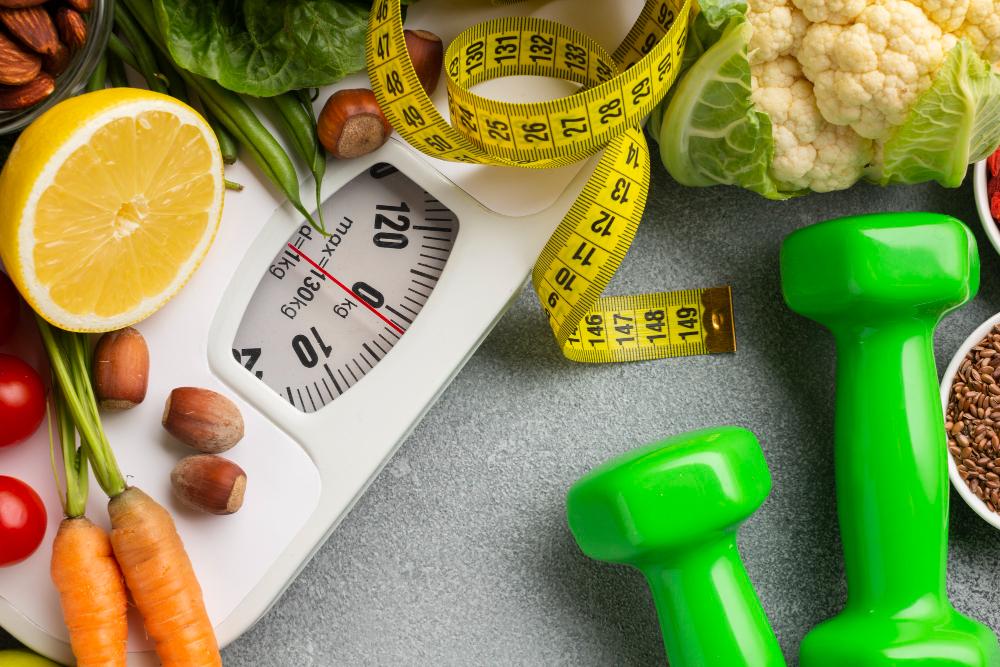
Eating a balanced and nutritious diet is an effective way to support your body’s natural defense system during the rainy season. Include a wide variety of colorful fruits and vegetables that provide essential vitamins, minerals, antioxidants, and dietary fiber. Citrus fruits, berries, spinach, carrots, tomatoes, bell peppers, garlic, and ginger are excellent additions to daily meals. Probiotic-rich foods like yogurt can help support gut health, which plays an important role in overall immunity. Include protein-rich foods such as eggs, fish, poultry, beans, lentils, tofu, and nuts to support tissue repair and normal immune function. Whole grains and healthy fats also contribute to a well-rounded diet. Remember that no single food can prevent illness, but consistently eating nutrient-rich meals, staying well hydrated, exercising regularly, and getting enough sleep all work together to help your body stay healthy throughout the rainy season.
- Avoid eating street food:
During rainy season, it is really important to avoid eating street food. Street foods get contaminated more during this season due to moisture, poor sanitation, and flies. It is seen that all the foods that are exposed to rainwater get contaminated rapidly. Rainwater in your food can increase the chances of getting digestive infections and food poisoning. That is why you must avoid eating street food during this time. You can definitely eat outside occasionally, but at such a time, try to go to a good restaurant. This way, you will be able to get safer food and take care of your health. If you go to a highly rated restaurant, you will get the chance to avoid getting diarrhea, stomach discomfort, and other gastrointestinal illnesses. If you implement this step, it will be much easier to take care of your health.
- Protect yourself from mosquitoes:
Mosquitoes become more common during the rainy season because stagnant water created by frequent rainfall provides ideal breeding grounds. Protecting yourself from mosquito bites is an important step in reducing the risk of mosquito-borne diseases. Wear long-sleeved shirts, full-length pants, and light-colored clothing whenever possible, particularly during early morning and evening hours when mosquitoes are most active. Apply an effective insect repellent according to the product instructions, especially if you spend time outdoors. Install mosquito screens on windows and doors, and use mosquito nets while sleeping if needed. Empty and clean containers that collect rainwater, including flower pots, buckets, tires, birdbaths, and drains, to prevent mosquitoes from breeding around your home. Keep your surroundings clean and dispose of waste properly to reduce breeding sites. Taking these simple preventive measures can help protect you and your family throughout the rainy season.
- Always keep your surroundings clean:
When you are trying to protect your health during the rainy season, you must try to keep the surroundings of your house clean. It will help you to reduce exposure to mold, bacteria, insects, and disease-carrying mosquitoes. Along with that, keep the flower pots, buckets, and outdoor containers clean. Along with that, try to clean your kitchen and bathroom regularly. By keeping your surroundings clean, you will be able to prevent mold growth. Thus, you can minimize dust and allergens. If you clean your living environment, then you will get the chance to take care of your health. If you do not follow this method, then your chances of getting respiratory diseases will increase even more. Therefore, follow this strategy for a better outcome.
- Keep your feet dry and clean:
Your feet are especially vulnerable during the rainy season because they are frequently exposed to muddy water, damp surfaces, and prolonged moisture. After returning home, wash your feet thoroughly with clean water and mild soap, particularly if you have walked through puddles or waterlogged areas. Dry your feet completely with a clean towel, paying close attention to the spaces between your toes, where moisture can become trapped. Damp skin creates an ideal environment for fungal infections, irritation, and unpleasant odors. Wear clean, dry socks every day and choose breathable or waterproof footwear that helps keep your feet protected from rainwater. If your shoes become wet, allow them to dry completely before wearing them again, and rotate between pairs if possible. Regularly inspect your feet for cuts, blisters, redness, or signs of infection, and treat minor injuries promptly. Proper foot care keeps your feet comfortable, healthy, and protected throughout the rainy season.
- Wear dry clothes:
Wearing dry and comfortable clothing is essential for maintaining good health during the rainy season. Damp clothes can trap moisture against your skin, creating an ideal environment for fungal infections, rashes, itching, and other skin irritations. If you get caught in the rain, change into clean, dry clothes as soon as possible instead of staying in wet garments for an extended period. Choose lightweight, breathable fabrics such as cotton or moisture-wicking materials that allow better air circulation and dry quickly. Wash rain-soaked clothing thoroughly before wearing it again to remove dirt, bacteria, and other contaminants. Make sure towels, socks, and undergarments are also completely dry before use. Avoid wearing tight, damp clothing, as it may increase friction and discomfort. Keeping your body dry and your clothes clean helps maintain healthy skin, improves comfort, and lowers the risk of infections throughout the rainy season.
- Use waterproof footwear:
During monsoon, choosing the right footwear is immensely important. This will protect you from mud, contaminated water, and slippery surfaces. If you use waterproof sandals, shoes, and boots, then you will protect your feet from getting wet. Such contaminated water can cause for bacteria cause, which can eventually make you sick. That is why you must wear the right footwear that is made of quick-drying materials. Along with that, try to avoid walking barefoot in puddles. It can expose you to more bacteria and parasites. So, you should never compromise in this matter during the rainy season. When you are looking for the right shoe during this season, you must get one shoe that has good grip. It can reduce your chances of getting slipped of fall on the roads or sidewalks. By using this strategy, you will protect yourself during the season.
- Exercise regularly:
Regular exercise is an important part of staying healthy during the rainy season. Physical activity supports heart health, strengthens muscles and bones, improves circulation, boosts mood, and helps maintain a healthy immune system. Although rainy weather may make outdoor activities difficult, there are plenty of ways to stay active indoors. Try yoga, stretching, bodyweight exercises, dancing, skipping rope, or home workout routines that match your fitness level. Even a 30-minute session most days of the week can provide significant health benefits. Exercise also helps manage stress, improves flexibility, supports healthy weight management, and promotes better sleep. Remember to wear comfortable clothing, stay hydrated before and after your workout, and allow your body enough time to recover. Consistency is more important than intensity, so choose activities you enjoy and can maintain regularly. Staying physically active throughout the rainy season helps keep your body strong, energized, and resilient.
- Maintain personal hygiene:
Maintaining good personal hygiene is especially important during the rainy season, as increased humidity and damp conditions encourage the growth of bacteria and fungi. Take a bath every day using clean water and mild soap to remove sweat, dirt, and microorganisms that accumulate on your skin. If you get caught in the rain, shower as soon as possible and change into clean, dry clothes. Always use fresh towels, wear freshly washed clothing, and change socks and undergarments daily to maintain cleanliness. Keep your nails trimmed and clean to reduce the buildup of dirt and germs, and wash your hair regularly, particularly after it becomes wet in the rain. Avoid sharing personal items such as towels, combs, or razors with others. Practicing good personal hygiene not only keeps your skin healthy and fresh but also helps reduce the risk of bacterial, fungal, and other seasonal infections throughout the monsoon.
If you can follow the right steps, then you will be able to prevent yourself from getting sick during the rainy season. Along with all these, you must also drink warm water, stay hydrated, keep emergency medicines ready, and dry your hair properly. By doing all these, you will be able to stay healthy.