If you are experiencing more stress, implementing the right strategies can be really helpful. It can help you take care of your mental health in a much hassle-free way.
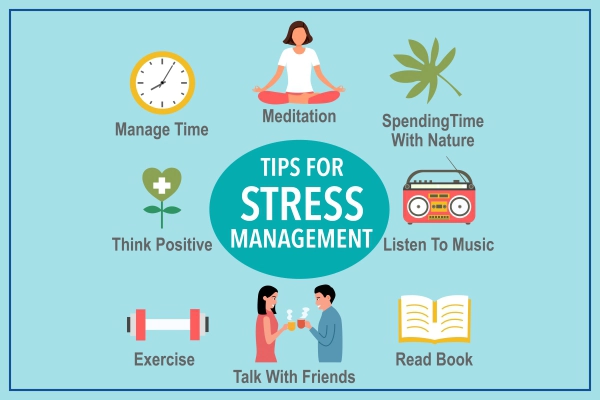
Stress is a normal part of our lives. Every individual is concerned about finances, health issues, work responsibilities, family obligations, relationships, and more. Eventually, getting stressed in life is quite normal. A certain amount of stress that help you to stay alert and motivated. However, intense stress can cause many disruptions to your health. It can make an impact on your sleep cycle, mood, concentration, relationships, and overall well-being. That is why, if you consider taking action to manage stress, it can be really helpful for your health. For this, you do not have to take any major steps in your life. But if you can make a few small changes, you will be able to see a much more visible result. The little changes can bring a huge difference to both your physical and mental health. Here are a few effective steps that can be useful for you-
- Identify what triggers your stress:
If you are getting more stressed in life, the first thing you need to do is understand what is triggering your stress. The cause of stress can be a lot of things, and if you do not find the reason for it, managing stress can get even more difficult. It can be your job, your personal life, financial difficulties, and much more. We may not address them, but a lot of small recurring can also lead to getting more stress. So, if you pay close attention to when you are feeling more overwhelmed, tense, restless, or irritated, you will be able to identify the reason for your stress. Once you identify it, managing stress will get much easier. You can also try keeping a journal and noting down all the incidents. By doing this, you will get to identify patterns and figure out how that incident made you feel. if you know the reason of your stress, you will be able to get the chance to approach the situation differently and eventually handle your stress in a much better manner. So, it is a step that can be really helpful for you.
- Exercise regularly:
Exercise is a brilliant activity that can not only help you take care of your physical health, but mental health as well. With the assistance of exercise, you will get to shift your attention away from your worries. It is a great initiative to support your overall physical health as well. Walking, cycling, swimming, dancing, stretching, strength training, or another activity you enjoy can become part of your routine. Start with manageable amounts and gradually build consistency. Even a short walk can provide a break from prolonged sitting and repetitive thinking. The goal should not be perfection or exhausting yourself. Choose activities that are realistic for your fitness level and schedule. When movement becomes a regular habit rather than an occasional response to stress, it can become one of the tools you rely on to support your wellbeing.
- Make a consistent sleep schedule:
Poor sleep and stress can influence each other. When you feel stressed, falling asleep or staying asleep may become difficult. At the same time, inadequate sleep can make everyday challenges feel more difficult to manage. Try to maintain consistent sleeping and waking times, even on weekends. Create a relaxing bedtime routine by reducing stimulating activities and giving yourself enough time to unwind. Keep your bedroom comfortable, dark, quiet, and suitable for restful sleep. Avoid treating sleep as something you can sacrifice whenever your schedule becomes busy. Adequate rest supports emotional balance, concentration, and physical wellbeing. Simple habits such as limiting screen use before bed, avoiding heavy meals late at night, and creating a calming environment may also help. If persistent sleep difficulties continue despite healthy changes, consider discussing them with a healthcare professional.
- Take regular breaks:
Working continuously for long periods can leave you mentally and physically exhausted. Taking short breaks gives your mind an opportunity to reset and can help you return to your responsibilities with greater focus. A break does not need to involve anything complicated or time-consuming. Stand up, stretch, walk around, drink some water, look away from your screen, or spend a few quiet minutes doing something unrelated to work. Even brief pauses can help break the cycle of constant concentration and reduce feelings of being overwhelmed. If your schedule is demanding, plan breaks deliberately instead of waiting until you feel completely exhausted. You can set reminders or include short pauses between tasks. Regular breaks can also make your workday feel more manageable by creating clear periods of activity and rest, rather than making the entire day feel like one uninterrupted series of responsibilities.
- Practice deep breathing:
When you are feeling more stressed and under pressure, your breathing gets faster or shallower without you consciously noticing. If you deliberately slow your breathing, it can provide a simple way to pause during stressful moments. If you practice slow breathing, then you will be able to manage your stress in a much easier manner. Try taking a slow breath in, allowing your abdomen to expand naturally, and then breathing out gradually. If you repeat this whole process several times, then you will be able to reduce your stress more easily. Deep breathing does not solve the underlying cause of stress, but it can create a brief pause between a stressful event and your reaction to it. Practicing when you are calm can make the technique easier to remember when you actually need it. Therefore, it is an effective practice that can help you manage stress seamlessly.
- Don’t try to do everything at once:
Multitasking can make you feel productive, but constantly switching between tasks can leave you mentally scattered and increase stress. When several responsibilities compete for your attention, it can become difficult to concentrate properly or complete any task efficiently. Whenever possible, focus on one important task at a time and give it your full attention for a specific period. Once you reach a natural stopping point, move on to the next responsibility. Keep a short list of priorities nearby, so you know what needs your attention without trying to remember everything at once. This approach can be especially helpful when you already feel overwhelmed. Reducing the number of things demanding your attention can make your workload feel more manageable. Concentrating on one task can also help you work with greater clarity and avoid unnecessary mental fatigue throughout the day.
- Organize your tasks:
Too much work can be a cause of getting more stress. It is seen that an overloaded to-do list can make even manageable responsibilities feel overwhelming. If you try to organize your tasks, then you will be able to accomplish the tasks in a much hassle-free way and manage your stress. For organizing your tasks, you need to write down all the tasks and identify which task requires more urgency; then you will be able to reduce your tasks in a much easier manner. When too many tasks are pending, just thinking ‘I have too much work’ will not solve anything. If you keep on panicking, you will not be able to do anything, and eventually you will end up with more stress. That is why, organizing your tasks will help you to reduce stress in a hassle-free manner. It is a brilliant strategy that can be really helpful.
- Set realistic expectations:
Stress often increases when your expectations do not match the time, energy, or resources available to you. Expecting yourself to perform perfectly every day can create unnecessary pressure and make ordinary challenges feel overwhelming. Set goals that encourage progress without requiring constant exhaustion. Recognize that some days will be more productive than others, and allow yourself room for unexpected situations. You may occasionally make mistakes, miss a deadline, change your plans, or need assistance, and these experiences do not mean you have failed. Realistic expectations do not mean giving up on your ambitions. They mean understanding your limitations and creating enough flexibility to handle changes. Avoid filling every hour with responsibilities or setting deadlines that leave no room for delays. Maintaining a sustainable pace can help protect your energy, improve focus, and reduce stress while allowing you to continue working toward meaningful personal and professional goals.
- Limit excessive caffeine:
Caffeine can increase alertness and help you feel more energetic, but consuming too much may contribute to restlessness, nervousness, jitteriness, or difficulty sleeping in some people. When you are already experiencing stress, excessive caffeine may make these sensations more noticeable and make it harder to relax. Pay attention to how coffee, tea, energy drinks, and other caffeinated products affect your mood, sleep, and energy levels. Avoid relying on caffeine to compensate for consistently inadequate sleep, as this can create a cycle of tiredness and increased caffeine consumption. If you regularly consume large amounts of caffeine, consider reducing your intake gradually rather than making a sudden change. You can also choose caffeine-free beverages at certain times of the day, particularly later in the afternoon or evening. Individual responses to caffeine vary, so consider your tolerance, routine, and overall wellbeing when deciding how much to consume.
- Learn to say no:
Taking on too many commitments can leave little time for rest, personal responsibilities, or activities that support your wellbeing. Learning to decline requests that you cannot reasonably accommodate can help protect your time, energy, and peace of mind. You do not need to provide a lengthy explanation every time you say no. A polite and clear response is often enough. Before accepting a request, consider whether it is genuinely your responsibility, whether it fits your priorities, and whether you have enough time and energy to handle it properly. Setting boundaries may feel uncomfortable at first, especially if you are accustomed to helping others. However, constantly agreeing to additional responsibilities can eventually contribute to exhaustion, frustration, and stress. Remember that saying no does not mean you are unwilling to help. It means you are recognizing your limits and making thoughtful choices about how you use your time.
- Spend time outdoors:
Spending time outdoors will help you to change the environment much easily. This is a strategy that will help you to step away from work, screens, and repetitive routines. A good walk through a park will assist you in having a mental break. If you spend more time in nature, you will be able to have a relaxing time. When you are feeling more stressed, spending some time in the nature will help you to have a refreshing time. Try to make outdoor time a regular part of your routine rather than something you only do when you are already overwhelmed. Combining outdoor time with gentle movement can be particularly practical. Even a short walk can give you space to breathe, move your body, and temporarily shift your attention away from ongoing responsibilities. This is a brilliant step of managing stress that can help you to see a visible result.
- Eat balanced meals:
Skipping meals or relying heavily on highly processed convenience foods can make it harder to maintain steady energy throughout the day. When you are already dealing with stress, hunger and low energy may make you feel more tired, irritable, or overwhelmed. Try to eat regular, balanced meals that include a variety of nutritious foods. Include vegetables, fruits, whole grains, beans, lentils, nuts, seeds, and appropriate sources of protein in your meals. Drinking enough fluids throughout the day is also important for supporting your overall well-being. Plan simple meals in advance when possible so that busy schedules do not regularly lead to skipped meals. Keep nutritious snacks available when you need something between meals. Food alone cannot eliminate stress, but maintaining regular eating habits can help prevent hunger, tiredness, and low energy from adding another source of discomfort to an already demanding day.
If you follow the right steps, managing stress will be really helpful. Being a little conscious about the implication will help you to reduce stress more seamlessly.