If you are concerned about your health, you need to pay attention to your eating habits. The right eating habits can help you achieve a healthy lifestyle more seamlessly.
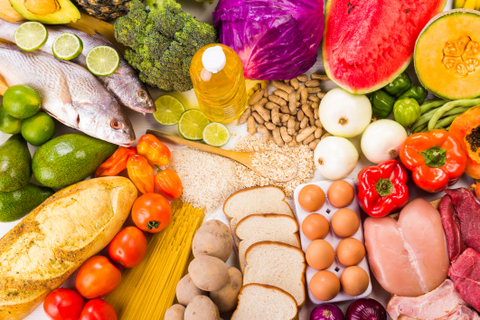
A healthy lifestyle doesn’t always include a strict diet, complicated meal plans, or giving up your favorite food. Sustainable health comes from simple eating habits that you can continue consistently. Most people pay more attention to eating perfectly every time. But your goal should be to build a routine that will support your energy, digestion, nutrition, and overall well-being. Instead of following a strict diet for a few days, try out making a simple meal plan that is effective, and you can continue for longer times. When you are willing to take care of your health, you must pay attention to what you are eating. For example, you should take more care with mindful eating, portion control, planning meals, and drinking enough water. If you can follow such simple steps, making a healthy lifestyle would be much easier. Here are a few practical eating habits that can make your lifestyle even better-
- Start the day with a balanced breakfast:
Breakfast is the most important meal of the day. So, eating a balanced breakfast is truly necessary for every individual. If you do not eat balanced food with the right nutrients in the morning, you are disrupting your lifestyle completely. A balanced breakfast should include whole grains, vegetables, fruit, protein, and healthy fats. If you consume these, then you will be able to get all the nutrients in the morning, which can make a great impact on your health. Considering all the nutrients in mind, you can choose any meal for your breakfast. If you like oatmeal, then you can have it with added fruits and nuts. On the other hand, if you want to have toast, then you should eat it with eggs and whole grains. By eating breakfast foods, you will be able to get a nutrient-rich, balanced meal at the beginning of the day. Many people are out there who skip their breakfast. This is the worst thing that you can do to your body. Thus, if you are willing to improve your lifestyle, you should start having a balanced breakfast.
- Include vegetables in your meals:
Vegetables are a really important part of a balanced diet. By eating more vegetables, you will be able to get more vitamins, fiber, minerals, and various plant compounds. Most people start eating vegetables when they try to lose weight. But you shouldn’t do that at all. Every individual should add vegetables and leafy greens to their diet. They are filled with various minerals and vitamins that are helpful in achieving a healthy lifestyle. There are many ways to incorporate vegetables into many meals. You can add them to sandwiches, omelets, soups, curries, and more. If you add vegetables to different kinds of dishes, then you will be able to consume them without any hassle. It is one of the best food items that helps to take care of our health. When you are willing to get all the nutrients, adding vegetables to your meal can be really useful.
- Eat more whole foods:
One of the simplest ways to improve your eating habits is to make whole or minimally processed foods a regular part of your meals. Fruits, vegetables, beans, lentils, whole grains, nuts, seeds, eggs, fish, and other nutrient-rich foods can provide essential vitamins, minerals, fiber, protein, and healthy fats. These foods can support digestion, energy levels, and overall well-being while helping you build balanced meals. This does not mean you need to eliminate processed foods completely. Instead, make nutritious whole foods the foundation of your daily diet and enjoy highly processed options occasionally. Focus on adding better foods rather than constantly thinking about what you need to remove. This approach can make healthy eating feel more satisfying, flexible, and sustainable. Over time, choosing whole foods more often can become a natural habit rather than a restrictive dietary rule.
- Prioritize protein:
Protein plays an important role in maintaining and repairing body tissues while also helping you feel satisfied after meals. Including a good protein source in your meals can support energy, muscle maintenance, and overall nutrition. Depending on your dietary preferences, protein can come from eggs, fish, poultry, dairy products, beans, lentils, peas, tofu, soy foods, nuts, seeds, and other nutritious sources. You do not necessarily need large portions to benefit from protein. Instead, try to include a suitable protein source in each main meal. For example, you can add eggs to breakfast, lentils or beans to lunch, and fish, tofu, or poultry to dinner. If you follow a vegetarian or vegan diet, combining different plant-based foods throughout the day can help you meet your nutritional needs. Making protein a regular part of meals can also make healthy eating more satisfying and sustainable.
- Make fruit a regular snack:
Fruits can be useful as a mid-day snack. Most people have the habit of eating chips, fried items, chocolates, and more as their snack. Such foods are extremely harmful to our bodies. If you are someone who loves to eat such snacks every day, then after some time, you will face many health-related issues. obesity and hormonal imbalance are common ones, and most people are struggling with them. Instead of all these, if you eat fruits as a snack, then you will be able to take care of your health much more seamlessly. Fruits are filled with natural sweetness, minerals, fiber, and vitamins. Thus, by consuming a whole fruit, you will be able to get all the essential nutrients in a hassle-free manner. You can also incorporate fruits with nuts or yogurt. It will be helpful to make the snack even more filling. The key here is consistency. If you continue to do this for some time, then you will be able to take care of your lifestyle much more effortlessly.
- Eat high-fiber foods:
Fiber is the most effective element to support your gut health. When your gut is healthy, your whole body will feel healthy. That is why every individual should pay more attention to their digestive health. If you consume more fiber-enriched food items, then you will be able to look after your health more seamlessly. There are many natural sources that are enriched in fiber. Some of them are vegetables, lentils, whole grains, fruits, beans, nuts, and seeds. If you consume them daily in the right way, then you will be able to consume more fiber. High fiber is a very effective way of improving your health. If you can increase fiber gradually, then your body will adapt to the change naturally, and eventually your health will improve as well. Thus, it is a practice that can help you to achieve a healthier lifestyle more seamlessly.
- Eat without constant distractions:
Mindful eating can help you become more aware of hunger, fullness, taste, and portion sizes. Eating while watching television, scrolling through social media, working, or constantly checking your phone can make it easier to eat without paying attention to how much you are consuming. Try putting your phone aside and focusing on your meal, even if you can only do this for part of the day. Slow down, notice the flavors and textures, and give yourself time to enjoy each bite. This can also make meals feel more satisfying and enjoyable. You do not need to turn every meal into a formal mindfulness exercise. Start with one distraction-free meal each day or a few meals each week. Over time, this simple habit can help you recognize your body’s hunger and fullness signals more clearly and develop a more intentional relationship with food.
- Drink water regularly:
Staying hydrated is an important part of maintaining a healthy lifestyle, and water is one of the simplest ways to support your body’s daily needs. Instead of waiting until you feel very thirsty, make drinking water a regular habit throughout the day. Keep a reusable water bottle nearby at work, at home, or while traveling so water is always within easy reach. You can also drink water with meals and between meals to maintain regular hydration. If plain water feels boring, adding slices of lemon, cucumber, or fresh fruit can provide variety without relying on sugary drinks. However, individual fluid needs can vary depending on factors such as climate, physical activity, body size, diet, and overall health. Your needs may also increase during hot weather or exercise. Pay attention to your body’s signals and make hydration a consistent part of your daily routine.
- Learn to recognize hunger and fullness:
Healthy eating is not only about what you eat but also about understanding when and why you eat. Before reaching for food, pause and consider whether you are physically hungry or eating because of boredom, stress, emotions, or habit. Recognizing these patterns can help you make more mindful decisions without feeling guilty about eating. At the same time, hunger should not always be ignored or suppressed. Regularly delaying meals despite genuine hunger can leave you overly hungry and make balanced eating more difficult. Try paying attention to how your body feels before, during, and after meals. Notice signs of hunger, satisfaction, and comfortable fullness rather than relying only on external cues. With practice, this awareness can help you respond to your body’s needs, avoid unnecessary eating, and develop a more balanced and intentional relationship with food over time.
- Slow down while eating:
Eating quickly can make it difficult to understand when you are comfortably full. A lot of people are out there who tend to eat so quickly that they do not even understand when they got full and end up overeating. When you are willing to transform your lifestyle, you need to understand that overeating is not good for you. If you slow down while eating and are a little mindful, then you will be able to understand if you are comfortably full or not. Slowing down will help you to notice your body’s signals. You should try to chew thoroughly and take small pauses while eating. If you do so, then you will be able to eat your meal more mindfully. At this time, you can simply create a little more space between bites and encourage a much more relaxed approach to meals. If you do so, then you will be able to bring a positive change to your eating habits.
- Pay attention to portion control:
Healthy foods can also lead to excessive calorie intake if you do not take portion control seriously. Most people do not pay any attention to portion control, but they are really important for all. Portion awareness doesn’t mean that you have to weigh everything before eating. But controlling your portion and eating every 2 hours can help you to improve your eating habits. Managing portion control can help you to prevent overeating and overworking your digestive system. You must create a portion of your meal according to your age, activity, body size, and individual nutritional requirements. By considering all these, you will be able to create the perfect portion of your meal and take care of your lifestyle. Thus, it is a step that can be really helpful for you.
- Do not skip meals to compensate:
If you eat more than planned during one meal, there is usually no need to punish yourself by skipping your next meal. Trying to compensate through extreme restriction can leave you overly hungry, which may make it harder to make balanced choices later. Instead, simply return to your usual eating routine when your next meal arrives. Choose a balanced meal with nutritious foods and allow your body to continue following its normal rhythm. Remember that one large meal does not determine the quality of your overall diet. Everyone occasionally eats more than intended, especially during celebrations, social gatherings, or special occasions. What matters is your overall eating pattern rather than a single meal or day. Avoiding guilt and extreme compensation can make healthy eating more sustainable. Focus on consistency over time, giving yourself flexibility while continuing to make nourishing choices that support your health and well-being.
- Plan your meals:
Meal planning can make healthy eating easier by reducing last-minute decisions when you are hungry, tired, or short on time. You do not need to create a detailed plan for an entire month. Start by deciding what you will eat for the next few days, including breakfast, lunch, dinner, and snacks. Choose simple meals that fit your schedule and nutritional needs, then create a shopping list based on those choices. Having the necessary ingredients at home can make it easier to prepare balanced meals instead of relying on convenient, less nutritious options. Meal planning can also help you use ingredients efficiently, control portions, save money, and reduce unnecessary food waste. If your schedule changes frequently, keep a few flexible meal options available. With regular practice, planning ahead can make healthy choices feel more convenient and realistic, even during particularly busy days or unexpected changes.
- Keep healthy foods easily available:
Your surroundings can strongly influence your everyday food choices. When nutritious foods are difficult to access while processed snacks are always nearby, convenience can determine what you eat. Make healthier options easy to see and reach. Keep fresh fruits where you can notice them, wash them after bringing them home, and store nuts in suitable portions for quick snacks. You can also prepare vegetables in advance so they are ready when you need them. Store nutritious leftovers in visible containers instead of hiding them behind other foods in the refrigerator. Keeping simple ingredients available can make preparing balanced meals much easier, especially on busy days. You do not need to create a perfectly organized kitchen or remove every treat. Even small changes to how food is stored and displayed can reduce effort, encourage better choices, and help healthy eating become a natural part of your daily routine.
- Cook more often at home:
Cooking your meals at home can give you more control over the ingredients, portion, meal composition, and cooking methods. If you cook your own meals, then you will be able to control what you are eating. Every meal doesn’t need to be elaborate. A simple meal can also give you all the necessary nutrients. A bowl full of grains, beans, vegetables, and protein sources can help you to get all the essential nutrients. We all know that meals available outside have much more unreliable ingredients in higher amounts. If you prepare the meal at home, then there will be no doubt about that. You can try to develop a small collection of easy recipes that you can make at home without much hassle. This way, you will be able to take care of your health with all the right nutrients. Thus, it is a step that can be really helpful for you.
- Stop sugary drinks consumption:
Sugary drinks are not good for your health at all. Having sugary drinks will only add substantial amounts of sugar and calories without giving any fullness or nutrients. Beverages like soft drinks, energy drinks, heavily sweetened coffees, or teas can become a regular source of added sugar. Too much added sugar can do a lot of harm to our bodies. That is why it is really important to avoid sugary drinks. At the beginning, you can try to lessen the amount of sugar in your drink. And after that, gradually reduce the amount of sugary drinks you drink. If you try to do this, then you will get the chance to reduce sugary drink consumption and avoid all the problems caused by added sugar. It is a brilliant practice that will help you to take care of your health.
- Read food labels:
Food labels can help you make more informed choices about the products you bring home. Instead of focusing on one nutrient or an attractive marketing claim, look at the overall nutritional profile. Check the serving size and pay attention to important information such as added sugars, sodium, fiber, protein, saturated fat, and calories when relevant to your goals. Reading the ingredient list can also help you understand what a product contains and compare similar options more effectively. For example, you may discover that two products marketed similarly have very different nutritional profiles. However, reading labels should not become a stressful or time-consuming task. You do not need to analyze every number on every package. Use labels as a practical tool for understanding your food choices and selecting products that suit your needs. With regular practice, checking labels can become a quick and useful habit during grocery shopping without making healthy eating feel complicated.
- Add healthy fats:
Fat is an essential nutrient and does not need to be eliminated from a balanced diet. Including nutritious sources of unsaturated fats can support overall health while adding flavor and satisfaction to meals. Foods such as nuts, seeds, avocados, olive oil, and fatty fish can provide healthy fats along with other important nutrients. Instead of treating all fats as unhealthy, focus on the type and amount you regularly consume. Replacing some sources of saturated fat with unsaturated fat can be a practical choice as part of a balanced eating pattern. However, portion awareness is still important because fats are energy-dense. A small amount of nuts, seeds, or oil can add substantial calories to a meal. Use these foods thoughtfully rather than avoiding them completely. Including healthy fats in appropriate portions can make meals more satisfying, enjoyable, and nutritionally balanced while supporting long-term healthy eating habits.
Doing the right practices can help you to change your lifestyle in a much better way. If you can pay more attention to that, you can make a positive impact on your health.