For every individual, it is important to pay more attention to their heart health. Following the right steps will lead everyone to achieve a healthier heart.

Heart health is one of the most important things to consider when you are trying to take good care of your health. Among all diseases, cardiovascular diseases are the most common and dangerous ones. If you can take care of your heart health, you will get the chance to stay fit in a much easier manner. Nowadays, the number of heart diseases has increased significantly. That is why it is more important to consider putting in more effort in taking heart health. If you also want to pay attention to your heart health, then you need to consider your age, lifestyle, and physical activity. By doing the right practices, you will get the chance to maintain your heart health in a much easier manner. Here are a few useful steps that can be helpful for you-
- Quit smoking:
Smoking is one of the biggest reasons for poor heart health. It is considered one of the biggest risk factors for heart disease. According to research, it is seen that smoking damages our blood vessels, increases blood pressure, and reduces the level of oxygen in our blood. So, if you continue to smoke for years, then you are slowly damaging your body, which will eventually collapse someday. That is why experts say that it is always better to quit smoking. If you have been a smoker for years, after quitting, your body will slowly heal, and you will get to improve over time. By taking such an initiative, you will be able to reduce your risk of poor heart health on a large scale. It is one of the most impact step for taking care of your heart health. So, implementing this can be really useful for you.
- Avoid secondhand smoke:
Avoiding secondhand smoke is an important step in protecting your heart health, even if you have never smoked yourself. When you inhale smoke from others, you are exposed to many of the same harmful chemicals that smokers take in directly. These toxins can damage the lining of your blood vessels, increase inflammation, and raise your risk of developing heart disease over time. Regular exposure can also contribute to higher blood pressure and reduced oxygen levels in the blood, placing additional strain on the heart. The risk becomes even greater in enclosed or poorly ventilated spaces where smoke lingers longer. Choosing smoke-free environments at home, work, and public places can significantly lower these risks. Encouraging a smoke-free lifestyle among family and friends also helps create a healthier environment and supports long-term cardiovascular well-being.
- Maintain a healthy weight:
Maintaining a healthy weight is essential for supporting heart health and overall well-being. Excess body weight places additional strain on the heart, forcing it to work harder to pump blood throughout the body. This can increase the risk of conditions such as high blood pressure, high cholesterol, and type 2 diabetes, all of which are closely linked to heart disease. Carrying extra weight, especially around the abdomen, can also lead to inflammation and metabolic imbalances that affect cardiovascular function. The positive news is that even a modest weight loss can lead to noticeable improvements in heart health markers, including blood pressure and cholesterol levels. Adopting balanced eating habits, staying physically active, and making sustainable lifestyle changes can help you achieve and maintain a healthy weight, reducing your overall risk and promoting long-term cardiovascular health.
- Try to stay physically active:
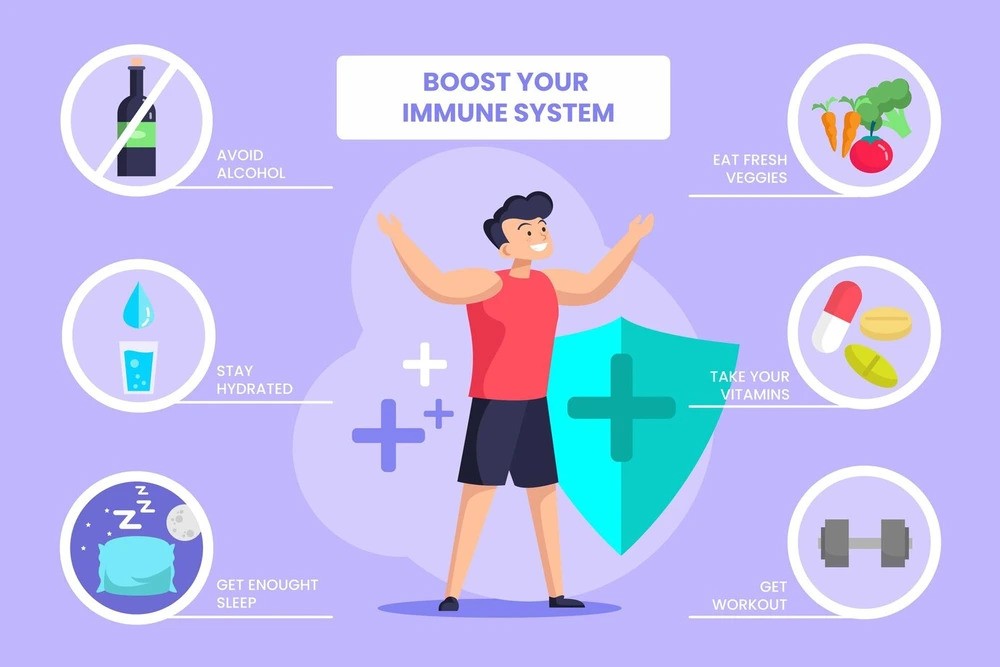
Regular exercise is immensely helpful when you are trying to take care of your heart health. It is observed that if you exercise daily, then you will get the chance to strengthen your heart muscle and improve blood circulation in your body. If you exercise for only 150 minutes a week, even then you will get a satisfying result. You can do any kind of exercise according to your preference. You can go for a walk, try cycling, swimming, playing any sports, or anything. All you need to do is keep your body in any kind of exercise. The more you move your body, the better you will get at strengthening it. This can make a huge impact on your heart health and reduce any type of risk. Thus, it is a step that you should follow while taking care of your heart.
- Consume more vegetables and fruits:
Eating more fruits and vegetables is one of the simplest and most effective ways to support heart health. These foods are naturally rich in dietary fiber, essential vitamins, minerals, and antioxidants that help protect the blood vessels from damage. Fiber plays a key role in lowering cholesterol levels, while antioxidants reduce inflammation and combat oxidative stress, both of which are linked to cardiovascular disease. Fruits and vegetables are also low in calories and high in water content, making them ideal for maintaining a healthy weight. Including a variety of colorful options ensures you get a wide range of nutrients that support overall well-being. Aim to incorporate them into every meal, whether as snacks, salads, or side dishes. Consistently choosing fresh, whole produce over processed foods can significantly reduce your risk of heart disease and improve long-term health.
- Avoid sugar:
Cutting down on added sugar is an important step in protecting your heart and improving overall health. Excess sugar intake is closely linked to weight gain, obesity, and an increased risk of type 2 diabetes, all of which place extra strain on the cardiovascular system. High sugar consumption can also lead to elevated triglyceride levels, increased blood pressure, and inflammation, further raising the risk of heart disease. Many processed foods and beverages contain hidden sugars, making it easy to consume more than recommended without realizing it. Reading labels and choosing whole, unprocessed foods can help reduce intake. Replacing sugary drinks with water or healthier alternatives and limiting sweets can make a significant difference. Over time, reducing added sugar supports better energy balance, improves metabolic health, and contributes to a stronger, healthier heart.
- Reduce eating processed foods:
Nowadays, people consume more processed foods than ever. Eating them can do a lot of harm to your body. It is seen that processed foods contain more sugar, sodium, and unhealthy fats. Consuming them more can cause various troubles in our bodies. According to reports, each of them contributes significantly to heart disease. As more people are eating processed foods, the number of people getting heart disease has increased. It is a silent force behind this massive mess. That is why, when you are putting in efforts to take care of your heart, it is one of the most important steps that you need to follow. If you do this, then you will be able to prevent your heart from many cardiovascular diseases. Thus, it is immensely essential to put more effort into this specific step.
- Manage your stress:
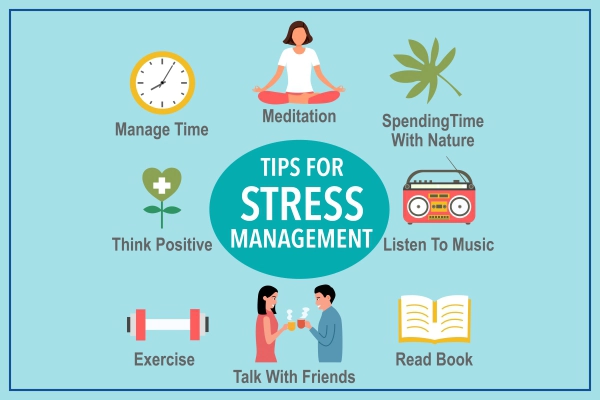
Managing stress effectively is essential for maintaining a healthy heart and overall well-being. Chronic stress can take a serious toll on the body by increasing blood pressure, triggering inflammation, and disrupting normal heart function. Over time, this can raise the risk of developing cardiovascular diseases. Stress may also lead to unhealthy habits such as overeating, smoking, or lack of physical activity, which further impact heart health. Learning how to cope with stress in a healthy way can make a significant difference. Practices such as meditation, yoga, and deep breathing exercises help calm the mind and relax the body, reducing the harmful effects of stress hormones. Taking regular breaks, staying physically active, and maintaining a balanced routine also support better stress management. By building consistent habits that promote relaxation and mental clarity, you can protect your heart and improve your overall quality of life.
- Make strong social connections:
Building strong social connections plays an important role in maintaining both emotional well-being and heart health. Research shows that loneliness and social isolation can increase the risk of heart disease by contributing to stress, depression, and unhealthy lifestyle habits. When you have supportive relationships, you are more likely to stay active, eat well, and manage stress effectively. Positive social interactions also help lower stress hormones, which can reduce blood pressure and support overall cardiovascular function. Spending time with family, friends, or community groups provides a sense of belonging and emotional support during challenging times. Even simple actions like regular conversations, shared activities, or staying in touch can make a meaningful difference. Prioritizing relationships and nurturing connections can improve your mood, boost resilience, and contribute to a healthier heart and a more balanced life over time.
- Reduce salt consumption:
Reducing salt intake is a key step in protecting your heart and maintaining overall health. Consuming too much sodium can cause the body to retain excess water, which increases blood volume and puts added pressure on the walls of blood vessels. Over time, this leads to high blood pressure, one of the most significant risk factors for heart disease and stroke. Many processed and packaged foods contain hidden salt, making it easy to exceed recommended limits without realizing it. Choosing fresh, whole foods and preparing meals at home allows better control over sodium intake. Using herbs, spices, and natural flavours instead of salt can enhance taste without harming your health. Even small reductions in daily salt consumption can lead to meaningful improvements in blood pressure levels and reduce the long term risk of cardiovascular problems.
- Stay hydrated:
Hydration is one of the most important things for your body. Staying hydrated is essential for maintaining a healthy heart and supporting overall body function. Proper hydration helps keep blood at the right consistency, allowing it to flow smoothly through the blood vessels. This ensures that oxygen and nutrients are efficiently delivered to different parts of the body, reducing strain on the heart. Dehydration, on the other hand, can make the blood thicker and harder to circulate, which may increase heart rate and put extra pressure on the cardiovascular system. Drinking enough water also helps regulate body temperature and supports vital processes that keep the heart functioning properly. It is important to stay consistent with fluid intake throughout the day, especially in hot weather or during physical activity. Making hydration a daily habit can contribute to better circulation, improved energy levels, and long-term heart health.
- Manage your blood sugar level:
Blood sugar plays an important role in your heart health. When you are trying to keep your heart healthy, it is essential that you pay more attention to this as well. A higher blood sugar level can complicate your health and put you in danger. It is seen that if your blood sugar level is higher, then it can have a negative impact on your heart as well. diabetes can increase the risk of heart disease. That is why every individual needs to control their blood sugar level from the very beginning. If you are already a diabetic, then you need to pay close attention to your eating habits, exercise, and medicines if needed. By doing so, you will get the chance to control your sugar level and eventually your heart health. Thus, this particular strategy can be really helpful for your heart health.
- Keep your blood pressure in check:
Monitoring blood pressure regularly is essential for protecting your heart and preventing long-term health complications. High blood pressure, often called a silent condition, may not show noticeable symptoms but can gradually damage blood vessels and strain the heart. Over time, this increases the risk of heart disease, stroke, and other serious issues. Regular monitoring allows you to detect any changes early and take timely action to manage them. It also helps you understand how your lifestyle choices, such as diet, exercise, and stress levels, affect your blood pressure. Using a home monitor or getting it checked during routine health visits can keep you informed and aware. If levels are consistently high, early intervention through lifestyle adjustments or medical guidance can make a significant difference. Staying proactive with regular checks supports better heart health and reduces the risk of complications in the future.
- Check your cholesterol level:
Keeping cholesterol in check is vital for maintaining a healthy heart and preventing cardiovascular disease. High levels of bad cholesterol can lead to the build-up of fatty deposits, known as plaque, inside the arteries. This process, called Atherosclerosis, can narrow or block blood flow, increasing the risk of heart attacks and strokes. Regular cholesterol testing helps you stay informed about your levels and detect any imbalances early. It also allows you to track how lifestyle changes, such as improved diet, regular exercise, and weight management, are affecting your heart health. Choosing foods low in saturated fats and rich in fibre can help maintain healthy cholesterol levels. If needed, medical advice and treatment can further reduce risks. Staying aware and taking timely action plays a key role in protecting your heart and overall well-being.
- Learn about your family history:
Being aware of your family history is an important step in protecting your heart and planning for long-term health. Genetics can play a significant role in increasing the risk of conditions such as high blood pressure, high cholesterol, and heart disease. If close family members have experienced heart-related issues, your own risk may be higher, even if you maintain a healthy lifestyle. Understanding this history allows you to take preventive steps earlier and more effectively. You can work with healthcare professionals to monitor key health markers, make informed lifestyle choices, and schedule regular screenings. Early awareness also encourages healthier habits such as balanced nutrition, regular exercise, and stress management. While you cannot change your genetic makeup, being proactive can help reduce potential risks and improve your chances of maintaining a strong and healthy heart over time.
- Practice meditation:
In most cases, it is seen that our heart health deteriorates a lot from stress. At this time, if you focus on mindfulness through meditation, then you will get the chance to reduce stress hormones in your body. In addition to that, it will help your body to relax. When you are trying to take care of your body, you need to reduce your stress level. That is why meditation is an excellent method to do so. Meditating daily will help you to look after your health, which will eventually assist you in taking care of your heart as well. If you can do this daily, even for 10 minutes, you will get many benefits. That is why it is important to pay more attention to this. If you become more conscious regarding your meditation ritual, then it will be much easier for you in many ways.
Following the right steps will help you to take care of your heart health in a much easier manner. If you can pay more attention to your practices, you will be able to stay much fitter in a hassle-free way.