If you are willing to take care of your body, you must eat the right food. Here are the healthiest foods that you must add to your diet for a satisfying outcome.
Eating healthy food is one of the most basic requirements of our body. It is the nutrients that help our body function. Thus, when you are trying to take care of your health, the very first thing you need to do is eat the right food. Many people are out there who think that just filling your stomach with any kind of food is enough. But it is really important to understand that whatever we give to our body, it will work in that way only. So, if you do not give nutrient-rich food, then after some time you will face more difficulties. An imbalanced diet can lead to more sickness and diseases because your immunity gets weakened. Therefore, if you take care of your eating habits, it will be much easier to achieve a healthy body. Let’s find out the healthiest foods that you need to add to your everyday diet plan-
- Spinach:
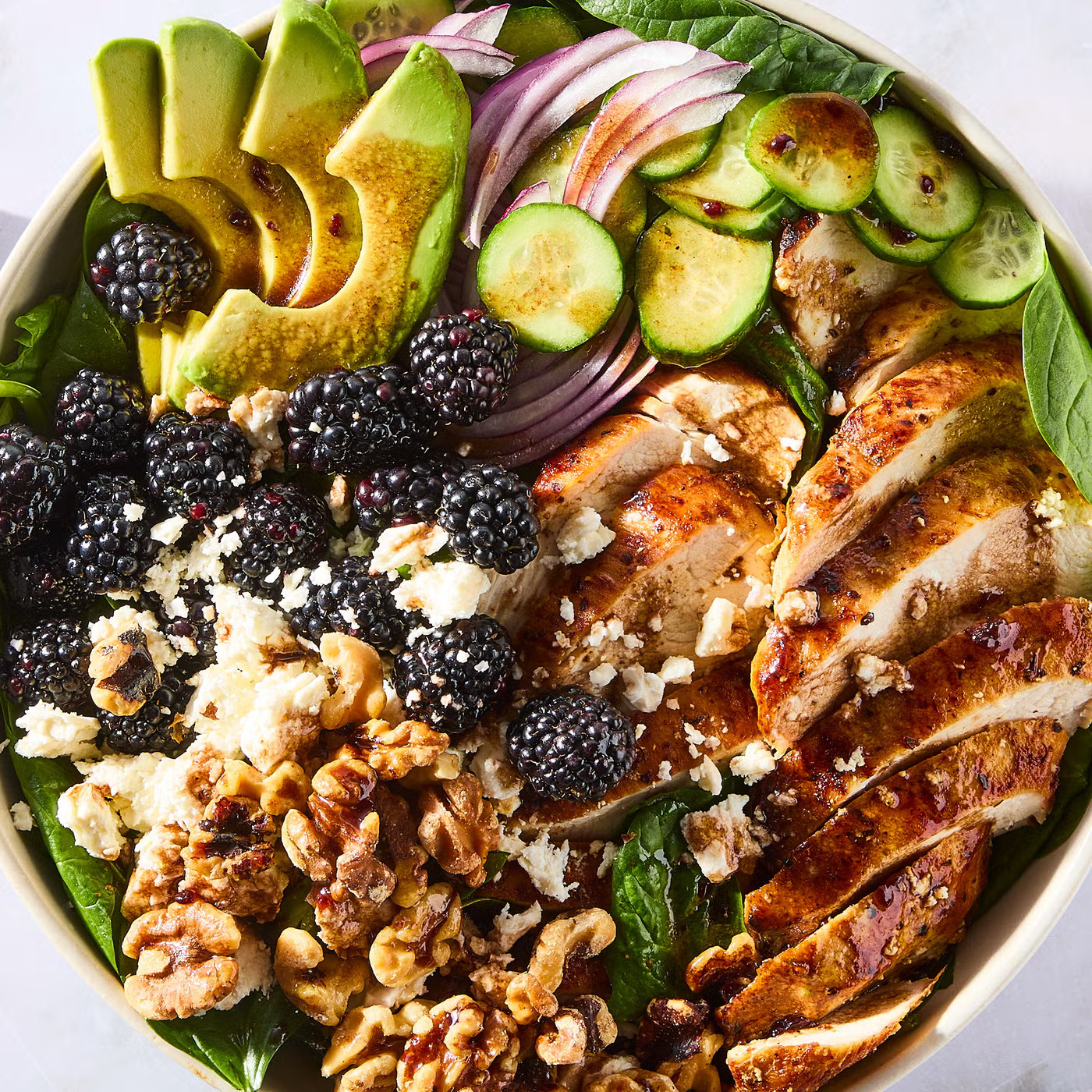
Spinach is one of the most nutrient-rich leafy greens that are available. By eating spinach, you will be able to get many vitamins such as A, K, and C. Along with that, you will also get magnesium. Folate, iron, and antioxidants. There are only a few food items that can provide so many nutritional elements at once. As spinach is filled with so many nutrients, adding it to your diet can be really useful. Along with that, it is low in calories yet rich in fiber. Thus, consuming this will help you to maintain your fiber requirement as well. You can eat spinach in many ways. You can add them in soups, omelets, smoothies, pasta, curries, and more. Adding spinach to any meal will help you to prepare a healthy meal for you and your family. Hence, it is a food item that you should immediately add to your diet plan. This can be really good for your body.
- Oats:
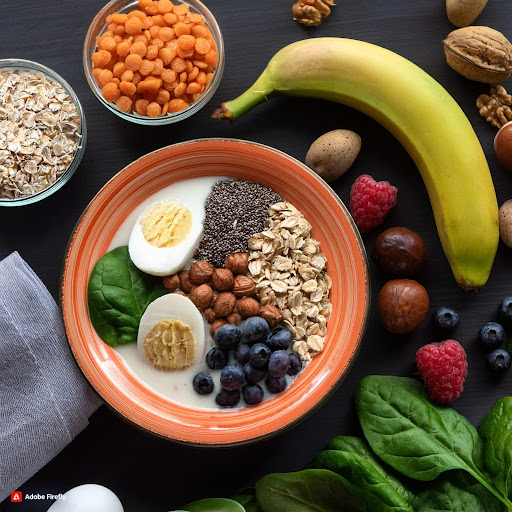
Oats are one of the healthiest whole grains you can include in your daily diet. They are rich in complex carbohydrates and contain a unique type of soluble fiber known as beta-glucan, which helps support healthy cholesterol levels, promotes heart health, and contributes to stable blood sugar levels. Oats are also an excellent source of magnesium, phosphorus, iron, zinc, manganese, and several B vitamins that help the body produce energy and support normal nervous system function. Their high fiber content promotes healthy digestion, encourages regular bowel movements, and helps you feel full for longer, making them an excellent choice for weight management. A warm bowl of oatmeal makes a nourishing breakfast and can be customized with fresh fruits, nuts, seeds, cinnamon, or yogurt. Oats can also be added to smoothies, homemade granola, pancakes, muffins, and baked goods, making them a versatile and nutritious staple for a balanced everyday diet.
- Blueberries:
Blueberries are among the most nutrient-dense fruits and are especially valued for their high antioxidant content. They are rich in anthocyanins, the natural pigments that give them their deep blue color and help protect cells from oxidative stress caused by free radicals. Blueberries also provide vitamin C, vitamin K, manganese, and dietary fiber, all of which support overall health. Regularly including blueberries in your diet may benefit heart health, brain function, and healthy aging while supporting a strong immune system. Their naturally sweet flavor makes them a satisfying substitute for processed sugary snacks and desserts. Enjoy fresh blueberries as a convenient snack, or add them to oatmeal, yogurt, smoothies, fruit salads, or whole-grain cereals. Frozen blueberries retain most of their nutritional value, making them a practical and nutritious option throughout the year when fresh berries are unavailable.
- Greek yogurt:
Greek yogurt is another healthy food that you should include in your diet. It is rich in calcium, protein, probiotics, vitamin B12, and phosphorus. You might know that all these nutrients are so useful for our body. Each of them is required to maintain good health. Probiotics are good bacteria that maintain our digestive system. Along with that, it also has protein that helps in muscle growth. If you can eat Greek yogurt daily, then you will be able to fulfil most of your nutrient requirements. However, while choosing Greek yogurt for your diet, you must go for the plain unsweetened variety. A lot of times, it is seen that the flavored and sweetened ones have added sugar, which is not good for our body. Thus, eating the unsweetened one is much more useful. You can definitely add nuts, seeds, berries, or even honey to enjoy it even more. This way, you will be able to take care of your health seamlessly.
- Salmon:
Salmon is one of the most nutritious fish you can include in a balanced diet. It is an excellent source of omega-3 fatty acids, which play an important role in supporting heart health, brain function, and healthy vision. Salmon also provides high-quality protein that helps build and repair muscles, along with essential nutrients such as vitamin D, vitamin B12, selenium, potassium, and phosphorus. Regularly eating salmon may help support cardiovascular wellness and contribute to a healthy inflammatory response as part of an overall nutritious eating pattern. It is a versatile ingredient that can be grilled, baked, steamed, or pan-seared and pairs well with vegetables, salads, brown rice, quinoa, or roasted sweet potatoes. Choosing salmon several times a week can add valuable nutrients to your meals. When fresh salmon is not available, canned salmon is a convenient and affordable alternative that still provides many of the same nutritional benefits.
- Eggs:
Eggs are one of the most complete protein sources. Every individual needs to pay more attention to their daily protein intake. Thus, if you can eat eggs daily, then you will get the chance to fulfil most of your protein requirement. Eggs contain amino acids, vitamin D, choline, lutein, vitamin B12, and selenium. So, if you consume eggs daily, then you will be able to get so many nutrients in a hassle-free way. Choline is a nutrient that is good for your brain health and cell function. Thus, by eating eggs, you will be able to take care of these as well. Including eggs in your breakfast will help you to start the day with protein and support healthy eating throughout the day. Therefore, eating eggs in forms like poached, scrambled, boiled, or in vegetable omelets will help you to support your health. Thus, add eggs to your diet for a better result.
- Almonds:
Almonds are a nutrient-rich tree nut that makes an excellent addition to a healthy daily diet. They are packed with heart-healthy monounsaturated fats, vitamin E, magnesium, protein, fiber, and several important antioxidants. Vitamin E helps protect cells from oxidative stress and supports healthy skin, while magnesium contributes to normal muscle and nerve function. The combination of protein, healthy fats, and fiber helps promote fullness, making almonds a satisfying snack that may reduce the temptation to eat less nutritious foods between meals. Enjoy a small handful of almonds on their own, or add them to oatmeal, yogurt, salads, smoothies, or homemade trail mix for extra flavor and crunch. Almond butter can also be spread on whole-grain toast or fruit slices for a nutritious snack. Choosing unsalted or lightly salted almonds helps limit sodium intake while allowing you to enjoy their natural nutritional benefits every day.
- Broccoli:
Broccoli is one of the most nutritious vegetables you can include in your daily meals. It is an excellent source of vitamin C, vitamin K, folate, potassium, and dietary fiber, along with beneficial plant compounds that support overall health. These nutrients help strengthen the immune system, promote healthy digestion, support normal blood clotting, and contribute to strong bones. The fiber in broccoli also helps you feel full for longer and supports a healthy digestive system. Broccoli is incredibly versatile and can be steamed, roasted, stir-fried, grilled, or added to soups, casseroles, pasta dishes, and salads. Light cooking helps preserve its texture while enhancing its flavor. Pairing broccoli with healthy fats such as olive oil, avocado, or nuts can improve the absorption of fat-soluble nutrients. Including broccoli regularly as part of a balanced diet is a simple way to increase your intake of essential vitamins, minerals, and antioxidants that support long-term health.
- Avocados:
Avocados are a highly nutritious fruit packed with heart-healthy monounsaturated fats, dietary fiber, potassium, folate, and vitamins C, E, and K. These healthy fats help the body absorb fat-soluble vitamins from other foods while supporting heart health and providing long-lasting energy. The fiber in avocados promotes healthy digestion and helps you feel full, making them a satisfying addition to balanced meals. Their creamy texture and mild flavor make them incredibly versatile in the kitchen. Enjoy sliced avocado on whole-grain toast, blend it into smoothies, mash it into guacamole, or add it to salads, sandwiches, wraps, and grain bowls. Avocados also pair well with eggs and grilled vegetables. Although they are rich in nutrients, they are relatively high in calories, so moderate portions are recommended as part of a balanced diet. Regularly including avocados can contribute to overall health and nutritional variety.
- Apple:
Apple is another healthy food option that you should add to your diet. It is rich in antioxidants, vitamin C, fiber, and natural plant compounds. If you eat apples, then you will be able to increase your daily fiber consumption. Fiber can help to improve digestion and promote fullness in your body. If you eat an apple with its skin, then you will be able to get more nutritional value. It is a brilliant snack item, so you can easily eat an apple between meals. You can also pair it with cheese, yogurt, or peanut butter. Along with that, you can prepare various meals like salads, baked dishes, or oatmeal with apples as well. This way, you will be able to enjoy the fruit and get the nutrients at the same time. Thus, it is a food item that you should include in your diet.
- Walnuts:
Walnuts are one of the most nutritious nuts you can enjoy as part of a healthy daily diet. They are rich in plant-based omega-3 fatty acids, heart-healthy fats, protein, fiber, copper, manganese, and antioxidants that help protect the body’s cells from oxidative stress. Regularly eating walnuts may support heart health, brain function, and overall wellness while providing lasting energy. Their combination of healthy fats and protein also helps promote fullness, making them a satisfying snack between meals. Walnuts have a mild, slightly earthy flavor that pairs well with both sweet and savory dishes. Sprinkle chopped walnuts over oatmeal, yogurt, salads, roasted vegetables, or breakfast cereals for added crunch and nutrition. They are also a delicious ingredient in homemade granola, energy bites, muffins, and whole-grain baked goods. Enjoy walnuts in moderate portions to benefit from their impressive nutritional profile as part of a balanced diet.
- Sweet potatoes:
Sweet potatoes are another excellent food item that you should include in your diet. It has complex carbohydrates, potassium, fiber, and vitamin C. In addition to that, it also has a large amount of beta-carotene, which the body converts into vitamin A. Thus, just by eating sweet potatoes, you will be able to get so many nutrients. It can support your healthy vision, skin health, immune function, and more. So, if you add this food to your diet, you will be able to take care of your body in many ways. You can try out various ways of eating sweet potatoes, such as baking, roasting, cubing, or just mash it. Trying out different methods of eating them will help you to enjoy the food and get essential nutrients at the same time. It has natural sweetness, so it is appealing for both adults and children. Therefore, add this food to a healthy diet.
- Chickpeas:
Chickpeas are a highly nutritious legume that can be enjoyed in many different meals throughout the week. They are an excellent source of plant-based protein, dietary fiber, folate, iron, phosphorus, manganese, and several other essential nutrients that support overall health. The combination of protein and fiber helps promote fullness, supports healthy digestion, and provides steady energy, making chickpeas a satisfying addition to balanced meals. Their mild, nutty flavor allows them to blend well with a variety of cuisines and recipes. Roast chickpeas with herbs and spices for a crunchy snack, blend them into creamy hummus, or add them to salads, soups, curries, wraps, and grain bowls. They can also be mashed into vegetarian patties or mixed into pasta dishes for extra nutrition. Affordable, versatile, and easy to prepare, chickpeas are a simple way to increase your intake of plant-based nutrients as part of a healthy everyday diet.
- Lentils:
Lentils are one of the most nutritious and budget-friendly legumes you can include in your daily diet. They are an excellent source of plant-based protein, dietary fiber, iron, folate, potassium, magnesium, and several important B vitamins. Their high fiber content supports healthy digestion, promotes regular bowel movements, and helps you stay full for longer, while their complex carbohydrates provide a steady release of energy throughout the day. Lentils are naturally low in fat and can be a valuable protein source for both vegetarian and non-vegetarian eating patterns. They are incredibly versatile and easy to cook, making them suitable for soups, curries, stews, salads, grain bowls, and vegetable-based dishes. Different varieties, such as red, green, brown, and black lentils, offer slightly different textures and flavors. Including lentils regularly in your meals is a simple way to increase your intake of essential nutrients while supporting overall health and balanced nutrition.
- Brown rice:
Brown rice is a nutritious whole grain that retains its bran and germ, making it richer in fiber, vitamins, and minerals than refined white rice. It provides important nutrients such as magnesium, manganese, selenium, phosphorus, and several B vitamins that support energy production and overall health. The fiber in brown rice promotes healthy digestion and helps you feel full for longer, making it a satisfying choice for balanced meals. Its mild, nutty flavor pairs well with a wide variety of ingredients. Use brown rice as a base for vegetable stir-fries, grain bowls, curries, soups, or meals featuring lean proteins such as chicken, fish, beans, or tofu. It can also be mixed with vegetables and herbs for a wholesome side dish. Including brown rice regularly is an easy way to increase your intake of whole grains and essential nutrients.
- Tomatoes:
Tomatoes are another nutritious food item that you need to add to your diet plan. It contains potassium, vitamin C, folate, antioxidants, and lycopene. Each of them is good for better heart health. The powerful antioxidants of tomatoes also help in many ways to take care of your health. You must add tomatoes to your daily diet because it is great source of a wide array of nutrients. You can include this food item in many ways, such as sauces, soups, casseroles, or eat it raw in sandwiches. If you can incorporate tomatoes in different dishes, then you will be able to get more nutrients in a hassle-free way. Therefore, it is a food item that you should add to your diet immediately. This can help you to achieve a healthy body.
- Quinoa:
Quinoa is a highly nutritious whole grain that stands out because it is a complete plant protein, providing all nine essential amino acids the body needs. It is also rich in dietary fiber, magnesium, iron, zinc, phosphorus, and several B vitamins that support energy production and overall health. The combination of protein and fiber helps promote fullness, supports healthy digestion, and provides steady energy throughout the day. Quinoa has a light, fluffy texture and a mild, nutty flavor, making it a versatile ingredient for many meals. It can be used in salads, soups, grain bowls, stuffed vegetables, casseroles, or enjoyed as a warm breakfast topped with fruit and nuts. Quinoa cooks quickly and pairs well with vegetables, legumes, seafood, or lean meats, making it an excellent choice for both vegetarian and non-vegetarian eating patterns.
- Orange:
Oranges are a refreshing citrus fruit packed with essential nutrients that support overall health. They are best known for their high vitamin C content, which helps strengthen the immune system, supports healthy skin by promoting collagen production, and protects cells from oxidative stress. Oranges also provide dietary fiber, folate, potassium, and a variety of antioxidants that contribute to heart health and normal body functions. Eating whole oranges is generally more beneficial than drinking orange juice because the natural fiber helps support healthy digestion and promotes fullness. Their sweet, juicy flavor makes them a convenient snack that requires little preparation. Orange segments can also be added to fruit salads, green salads, yogurt, or smoothies for extra freshness and nutrition. Fresh oranges are widely available throughout the year and make an easy addition to a balanced diet, helping you increase your daily intake of vitamins, minerals, and beneficial plant compounds.
- Carrot:
Carrots are a nutrient-rich vegetable that you must add to your daily diet plan. It is rich in fiber, vitamin K, beta-carotene, and potassium. It is a vegetable that supports immune function and healthy vision. So, if you eat carrots regularly, then you will get the chance to take care of your immune system, which will eventually help you to prevent sickness. There are many ways of eating carrots, so you can blend it within various meals. For example, you can eat them raw with hummus, add them to soups, stew, roast with herbs, or stir-fry. This way, you will be able to enjoy its crunch and have its sweetness at the same time. It is a low-calorie food item; thus, eating it regularly will not make it difficult to manage your daily calorie intake. Hence, it is a healthy food item that you should add to your diet.
- Banana:
Bananas are a nutritious and convenient fruit that can easily be included in your daily diet. They are an excellent source of potassium, vitamin B6, vitamin C, and natural carbohydrates that provide a quick and steady source of energy. Potassium supports normal muscle function, helps maintain healthy blood pressure, and contributes to proper nerve function. Their natural sweetness makes bananas a satisfying alternative to processed snacks and desserts. They are especially popular as a pre-workout snack because they are easy to digest and help replenish energy levels. Bananas are also incredibly versatile and can be blended into smoothies, sliced over oatmeal or yogurt, added to breakfast cereals, or used in healthy baked goods such as muffins and pancakes. Their creamy texture and rich nutritional value make bananas a simple and delicious choice for supporting a balanced, healthy eating pattern.
- Garlic:
Garlic is a flavorful ingredient that offers both culinary and nutritional benefits. It contains natural sulfur compounds, including allicin, along with antioxidants that help protect cells from oxidative stress and support overall wellness. Garlic is commonly used to enhance the taste of meals without relying on excessive salt, making it a heart-friendly addition to many recipes. Fresh garlic can be added to soups, sauces, curries, stir-fries, roasted vegetables, marinades, and salad dressings to provide rich flavor and aroma. It also pairs well with lean proteins, whole grains, and legumes. Including garlic regularly as part of a balanced diet is a simple way to increase flavor while adding beneficial plant compounds that contribute to overall health and nutritious everyday eating.
By eating the right food, you will be able to take care of your health in a much easier way. Other than these, if you add a few other items like chia seeds, flaxseeds, olive oil, green tea, bell pepper, pumpkin seeds, and mushrooms, you will be able to get more satisfying results. Thus, make a healthy diet plan to achieve a healthier body.