Unveil the excellent steps of the monsoon skincare routine to achieve healthy skin. The right steps will help you to get clear skin in a hassle-free manner.
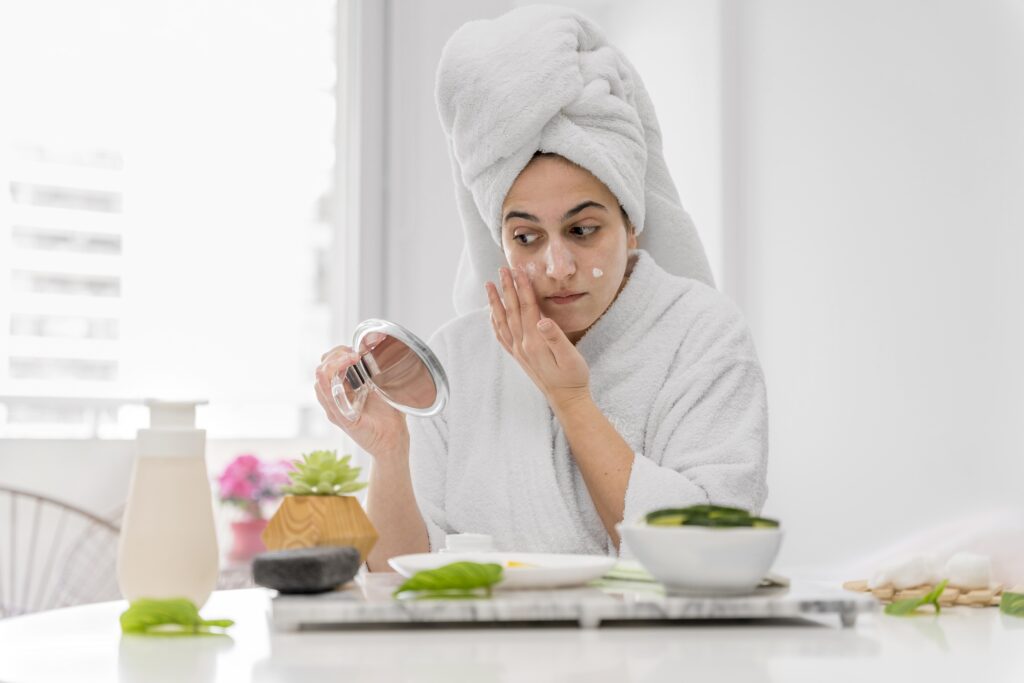
Right after summer, the rainy season begins, and the weather changes completely. The temperature reduces a little bit, but dampness, fungal growth, pollution, and humidity increase on a large scale. As the weather suddenly changes, our skin also experiences many problems. This specific season triggers infections, clogged pores, dullness, acne, irritation, and more. That is why, even if you do skincare, you need to be a little more conscious during this season. During the rainy season, you need to take extra care of your skin. Otherwise, your skin’s balance will be disrupted, which can cause many problems. At this time, following the right skincare routine according to the weather can be really helpful. If you can make a few changes in your daily habits, then you will get to achieve healthy and glowing skin in a much easier manner. Here are a few effective steps that can help you take care of your skin during monsoon-
- Wash your face twice daily:
During the monsoon, if you are trying to take care of your skin, then you need to wash your face twice daily. In this season, the level of humidity increases on a large scale. And that is why more oil, dirt, and sweat accumulate on our skin. If you do not wash your face properly, then all the dirt will clog your pores, which will cause irritations, breakouts, and acne. If you gently wash your face, then you will prevent it from clogging. However, it is really important to remember that over washing your face can also cause much irritation. It can strip the natural oil of your skin and make it look dull and dry. That is why you need to be more cautious regarding washing your face. If you can do it twice daily, then you will get to clear your face without damaging it in any way. It is a useful step that you should implement while taking care of your skin during the monsoon.
- Go for a mild face wash:
What kind of facewash do you use, which plays a significant role in how your skin will look? A lot of people are out there who do not check whether the face wash is suitable for their skin or not, and end up using a harsh one. A harsh face wash can severely damage your skin. It can damage the skin barrier, leading to dryness or sensitivity. Instead of that, if you use a mild face wash, then you will get to remove dirt from your skin without stripping off your skin’s natural moisture. Gentle cleansing can help to balance your skin and prevent frequent breakouts. In the monsoon, it is one of the most important things that you need to do. As the weather changes rapidly, you need to pay more attention to your face wash. Using the right one will help you to take care of your skin without much effort.
- Pay attention to hydration:
Many people assume that humid weather provides enough moisture for the skin, leading them to skip moisturizing during the rainy season. However, humidity in the air does not replace the hydration your skin needs to stay healthy and balanced. In fact, changing weather conditions, indoor air conditioning, and frequent exposure to rainwater can sometimes leave the skin feeling dehydrated or irritated. Using a lightweight, non-greasy moisturizer helps lock in moisture without making the skin feel heavy or oily. Gel-based or water-based moisturizers are often good options, especially for oily or combination skin types. Proper hydration supports the skin’s natural protective barrier, helping it defend against environmental pollutants, bacteria, and moisture loss. It also helps maintain skin elasticity, softness, and a smooth appearance. Applying moisturizer after cleansing can keep your skin comfortable, healthy, and refreshed throughout the rainy season while reducing the risk of dryness and irritation.
- Exfoliate your skin once or twice a week:
During the rainy season, increased humidity can cause dirt, oil, sweat, and dead skin cells to build up more quickly on the skin’s surface. This accumulation may leave the skin looking dull, rough, and congested while also increasing the likelihood of clogged pores and breakouts. Regular exfoliation helps remove dead skin cells, revealing fresher and smoother skin underneath. Using a gentle exfoliator once or twice a week can improve skin texture and support healthy cell turnover. Both mild physical scrubs and chemical exfoliates can be effective when used appropriately for your skin type. However, moderation is essential. Exfoliating too often can damage the skin’s protective barrier, leading to redness, irritation, dryness, and increased sensitivity. Always follow exfoliation with a moisturizer to maintain hydration. A balanced exfoliation routine can help keep your skin clear, radiant, and refreshed throughout the rainy season.
- Use non-comedogenic products:
In the monsoon, the oil production in our skin increases more, and leads to pore congestion. That is why it is important to use non-comedogenic products. If you do so, then you will get the chance to prevent clogged pores in your skin. The more your pores are clogged, the more you will see problems like blackheads, acne, pimples, and more. In the humid weather, such problems are very common. If you can use the right products according to your skin type during this season, then you will be able to take care of your skin in a much easier manner. Always go for lightweight products that absorb quickly. It can help you to hydrate your skin without causing any kind of irritation. It is an important step that you must follow. This is a helpful way of taking care of your skin during the monsoon.
- Always use sunscreen:
Many people are out there who think that their skin doesn’t require sunscreen on rainy days. First of all, everyone needs to understand the purpose of using sunscreen. It helps to protect our skin from the sun and UV rays. Such damage causes premature aging, pigmentation, and sunburn. Even on days when the sky is filled with thick clouds, there are UV rays, which can harm your skin severely. That is why you should use sunscreen every single day. If you regularly use sunscreen, then you will be able to protect yourself from any kind of sun and UV damage. You must apply a broad-spectrum sunscreen every single day. Even when it is raining, you must apply sunscreen to all the exposed areas. Otherwise, you will not get the chance to protect your skin during this season.
- Drink a lot of water:
Hydration starts from within, making water one of the most important factors in maintaining healthy skin during the rainy season. Many people tend to drink less water when the weather becomes cooler and less intense than in summer. However, your body still needs adequate fluids to support essential functions and keep your skin in good condition. Drinking sufficient water helps maintain the skin’s natural moisture balance, supports circulation, and assists in delivering nutrients to skin cells. Proper hydration can also help the skin appear smoother, fresher, and more radiant. When the body is dehydrated, the skin may look dull, tired, or less supple. Carry a reusable water bottle and sip water regularly throughout the day rather than waiting until you feel thirsty. You can also include hydrating foods such as cucumbers, watermelon, oranges, and leafy vegetables in your diet. Consistent hydration supports overall health and contributes to a healthy, glowing complexion throughout the rainy season.
- Wash your face right after getting wet in the rain:
Getting caught in the rain may feel refreshing, but rainwater is not always as clean as it appears. It can contain dust, pollution, airborne particles, and environmental contaminants that settle on the skin. When these impurities remain on the face for extended periods, they may clog pores, trigger irritation, and contribute to acne breakouts or skin sensitivity. After coming indoors, gently wash your face with a mild cleanser to remove dirt and pollutants. Avoid using harsh soaps or scrubbing aggressively, as this can irritate the skin and damage its natural protective barrier. Once your face is clean, pat it dry with a soft towel and apply a lightweight moisturizer to restore hydration and maintain skin balance. If you wear makeup, make sure to remove it completely before cleansing. This simple habit can help keep your skin fresh, clean, and healthy while reducing the risk of monsoon-related skin problems.
- Stop eating oily or fried foods:
Monsoon is a time when everyone gets cravings to eat fried snacks. Eating them occasionally is fine, but excessive consumption of them can be really harmful to you. It is proven that eating too much fried food can cause much disruption to your skin. It leads to more acne, breakouts, and inflammation, which is not good for your skin at all. It is really important to focus more on balanced, nutrient-rich meals. If you can build a clean eating habit, then you will be able to get healthy skin as well. It is one of the most important steps of taking care of your skin because whatever we eat, it shows on our face directly. That is why it is really important to pay attention to this specific habit. It can be really helpful for you.
- Follow a healthy diet:
Healthy skin begins from within, and nutrition plays a major role in maintaining a clear, glowing complexion during the rainy season. The foods you eat provide the vitamins, minerals, and nutrients your skin needs for repair, renewal, and protection against environmental stressors. A balanced diet can help strengthen the skin barrier, support collagen production, and reduce the risk of inflammation. Include plenty of fresh fruits, vegetables, whole grains, nuts, seeds, and protein-rich foods in your daily meals. Fruits and vegetables are packed with antioxidants that help protect skin cells from damage caused by pollution and free radicals. Nutrients such as vitamins A, C, E, and zinc are particularly beneficial for skin health. Try to limit excessive consumption of highly processed, sugary, and greasy foods, which may contribute to skin problems in some individuals. Combined with proper hydration and a good skincare routine, a nutritious diet can help keep your skin healthy, radiant, and resilient throughout the rainy season.
- Go for minimal makeup:
During the monsoon, doing heavy makeup is not appropriate. The humidity level is high, your body sweats uncontrollably, and there are too many pollutants. Amidst all these, if you do too much makeup, then your pores will get clogged. If you keep on doing this, then at some point you will be severely damaged. That is why it is better to use minimal makeup and try to keep your skin a little bare. This can help your skin to breathe, which can help you to achieve healthy and clear skin. It is a basic and simple trick, but immensely effective. During the rainy season, if you can pay more attention to this, then you will be able to take care of your skin in a much more hassle-free manner. Therefore, it is a strategy that can be really useful for you.
- Use toner according to your skin type:
A toner can be a useful addition to your rainy-season skincare routine, especially if your skin tends to feel oily, congested, or dull after cleansing. Toners help remove any residual dirt, oil, makeup, or impurities that may remain on the skin after washing your face. They can also leave the skin feeling refreshed and prepared for the next steps in your skincare routine. When choosing a toner, opt for an alcohol-free formula that supports hydration and helps maintain the skin’s natural balance. Harsh toners containing high amounts of alcohol may strip away essential moisture, leading to dryness, irritation, or increased oil production. Ingredients such as rose water, aloe vera, glycerin, or hyaluronic acid can provide gentle hydration and soothing benefits. However, not everyone needs a toner. Consider your skin type and concerns before adding one to your routine. A suitable toner can help keep your skin fresh, balanced, and comfortable throughout the rainy season.
- Do not sleep with makeup:
Sleeping with makeup is not a good habit at all. When we are sleeping, our bodies get rejuvenated and heal. If you sleep with makeup on your face, then it can impact your skin in a negative way. If you do so, all the oil, dirt, and bacteria will be trapped in your skin. Such a buildup can cause more damage to your skin than you even think. If bacteria start to build on your skin, you will experience more fungal issues, which can ruin your skin completely. That is why it is really important to remove all the makeup from your skin before sleeping. After doing this, if you can, then do a small nighttime skincare routine, or just put moisturizer on your skin. If you can even do that, you will be able to take care of your skin. Following this step and sleeping with clean skin, you will get to see how your skin condition is improving. Thus, it is a strategy that can be really helpful.
- Avoid overusing skin treatments:
When it comes to skincare, more is not always better. During the rainy season, many people try multiple products and treatments at the same time in an effort to control oiliness, acne, or dullness. However, applying several active ingredients simultaneously can overwhelm the skin, disrupt its natural barrier, and increase the risk of irritation, redness, dryness, and sensitivity. Ingredients such as exfoliating acids, retinoids, and acne treatments can be effective when used correctly, but combining too many of them may do more harm than good. Constantly switching products can also make it difficult to determine what is actually helping or causing problems. Instead, follow a simple and consistent skincare routine that suits your skin type. Focus on the basics, including cleansing, moisturizing, and sun protection, while introducing new products gradually if needed. Giving your skin time to adjust allows it to respond more effectively. A balanced approach helps maintain healthy, comfortable skin and reduces the likelihood of irritation throughout the rainy season.
- Stop touching your face frequently:
Many people are out there who have a bad habit of touching their skin continuously. We are constantly touching so many things with our hands and not even cleaning them all the time. So, when you touch your skin, you are being able to see the germs and bacteria, but they are there. By touching your skin often, you are just putting all the germs on your face directly. That is why you must pay attention to not touching your face frequently. If you do so, then you will be able to avoid getting more acne and infections. If you are someone who faces more problems like irritations and acne, then you should follow this step. It can help you to achieve healthy skin in a hassle-free manner.
- Use oil-free moisturizer for oily skin:
People with oily skin often face additional challenges during the rainy season. Increased humidity can make the skin feel greasy, sticky, and more prone to clogged pores and breakouts. As a result, some individuals avoid using moisturizer altogether. However, skipping moisturizer can cause the skin to become dehydrated, which may trigger even more oil production as the skin tries to compensate. Oil-free moisturizers are an excellent choice for oily skin because they provide essential hydration without adding extra greasiness. Lightweight gel-based or water-based formulas absorb quickly and help maintain moisture balance while leaving the skin feeling fresh and comfortable. Many oil-free moisturizers are also non-comedogenic, meaning they are less likely to clog pores or contribute to acne. Apply moisturizer after cleansing to lock in hydration and support the skin’s natural protective barrier. Using the right moisturizer can help control excess shine while keeping your skin healthy, balanced, and refreshed throughout the rainy season.
- Treat your acne properly:
The rainy season often brings increased humidity, which can lead to excess oil production and clogged pores. These conditions create an environment where acne may develop or worsen, especially for people with oily or acne-prone skin. Addressing breakouts early can help prevent them from becoming more severe and reduce the risk of long-term skin damage. If you notice pimples forming, resist the temptation to squeeze, pick, or touch them frequently. Doing so can spread bacteria, increase inflammation, and raise the likelihood of scarring or dark spots. Instead, maintain a consistent skincare routine that includes gentle cleansing, appropriate moisturizing, and acne-friendly products suited to your skin type. Keep your skin clean, avoid heavy cosmetics that may clog pores, and change pillowcases regularly. If acne becomes persistent, painful, or widespread, consult a dermatologist for professional guidance. Early treatment can help control breakouts more effectively and keep your skin clearer, healthier, and more comfortable throughout the rainy season.
- Clean your pillowcase and towel:
When you are trying to take care of your skin, you must pay attention to cleaning your towels and pillowcase. A lot of the time, it is seen that if you such dirty pillowcase and towel, then you will face more acne-related issues. These are the elements that are constantly touching our faces. When we are sleeping, our faces are directly touching the pillowcase. Thus, if there is dirt, then you will get infections, and more bacteria will build on your face. That is why it is very important to clean such elements. If you follow this strategy, then you will be able to prevent your face from any kind of dirt. It can assist you in maintaining your skin properly. This step is more important during the monsoon because the humidity level is high during this time. So, pay more attention to this for clear skin.
If you can follow the right steps, then you will get to achieve clear and healthy skin even in the monsoon. All these are immensely helpful for every individual. So, pay more attention to these simple steps.