Taking care of your mind is really important for every individual. Explore the simple tips for taking care of your mental health for even better overall well-being.

Mental health plays an important role in how we feel, think, or respond to any situation and challenges. It also has a great influence on how we handle relationships, make decisions, or cope with stress and anxiety. Most people only pay attention to their physical health. They think that physical health is the only essential factor. But mental health plays a significant role in our overall health. That is why, along with physical health, it is important to pay attention to your mental health as well. Every day, we need to go through so many difficult times, take care of responsibilities, and face challenges. All these can disrupt our mental health condition. But if you pay close attention and follow a few simple steps, then you will be able to take care of your mental health and boost your mood in a much easier manner. Here are some of the effective steps that can be useful for every individual-
- Exercise regularly:
Many people do not understand, but doing exercises can have a huge influence on our mind. People think that exercise is only good for our body, but it is equally good for our mind as well. If you exercise daily, then you will be able to improve sleep, reduce stress, and create more opportunities to experience positive emotions. In addition to that, exercising also helps to calm our mind and helps to achieve mental peace. A lot of people think that they need to do heavy workouts in gyms and spend a lot of money, but in reality, it isn’t like that. You can do exercises at home without going through any vigorous process. You can do any activity according to your preference. It can be walking, running, swimming, or even doing yoga at home. If you even spend 15 minutes exercising, you will be able to see a visible change. So, when you are trying to take care of your mental health, you can implement this method.
- Maintain a consistent sleep schedule:
Sleep is really important when you are thinking about your mental health. Sleep is closely connected to our mood. If you don’t sleep well or experience irregular sleep, then you will find it difficult to concentrate on your work and manage stress. You will feel more lethargic and even get irritated quickly. That is why every individual needs to pay more attention to their sleep schedule. If you make a consistent sleep schedule, then you will get the chance to take care of your mental health in a much easier manner. You should try to go to bed and wake up at approximately the same time every day, including weekends. Establish a relaxing bedtime routine that allows your mind and body to prepare for rest. Good sleep does not eliminate every emotional challenge, but it can improve your ability to respond to stress and maintain a more balanced mood.
- Practice deep breathing and mindfulness:
Mindfulness involves paying attention to the present moment without judging your thoughts or feelings. It can help you recognise emotional reactions, manage stress, and respond to challenging situations more calmly. When you feel overwhelmed, pause for a few minutes and focus on your breathing. Inhale gently through your nose and exhale slowly. Repeat this process several times without forcing your breath or trying to stop every thought. This simple practice can help you create a moment of calm during a busy day. You can also practise mindfulness while walking, eating, listening to music, or completing everyday activities. Pay attention to the sounds around you, your physical sensations, and details you might usually overlook. Regular practice may help you respond thoughtfully instead of reacting impulsively to frustration or worry. If focusing on your breathing feels uncomfortable, try grounding yourself by noticing nearby objects, sounds, or physical sensations.
- Eat a balanced diet:
Food provides the energy and nutrients your brain needs to function properly. Eating regular, balanced meals can help maintain energy levels and reduce irritability or tiredness caused by hunger. A nutritious diet can also support overall well-being and help you maintain healthy daily habits. Include a variety of vegetables, fruits, whole grains, protein-rich foods, and healthy fats in your meals. Beans, lentils, eggs, fish, nuts, seeds, and yoghurt are useful options for a balanced eating pattern. Staying hydrated is equally important, particularly during hot weather or physical activity. Avoid relying too heavily on highly processed snacks, excessive caffeine, or sugary drinks when feeling stressed or exhausted. Although these foods can fit into a balanced diet, they should not regularly replace nourishing meals. Remember that no single food can guarantee a positive mood. Focus on sustainable eating habits rather than restrictive rules to support your physical and mental well-being.
- Spend more time in nature:
Spending time in nature can help you get a break from screens and have a relaxing time. You can go to a park or garden for a walk and enjoy some time in the sun. Natural environments can also help you reduce stress naturally and support a more positive mood. You do not need to plan a long trip to benefit from outdoor time. Eat lunch in a garden, walk through a nearby park, tend to plants on your balcony, or sit outside for a few minutes in the morning. If you have a busy schedule, going out even for 10 minutes can be really helpful. Always choose a safe environment to protect yourself from excessive heat and strong sunlight. The goal is not to force yourself to feel happy immediately. Instead, use outdoor time as a gentle opportunity to pause, refresh your attention, and create space away from everyday pressures.
- Practice gratitude:
Gratitude involves recognising the people, experiences, and everyday things you appreciate. It does not mean ignoring difficulties or forcing yourself to feel positive when you are struggling. Instead, it helps you notice positive experiences alongside life’s challenges. Try writing down three things you appreciate at the end of each day. These could be enjoying a good meal, receiving a supportive message, completing an important task, or spending a few peaceful moments outdoors. This simple habit can encourage you to focus on meaningful experiences that might otherwise go unnoticed. You can also express appreciation directly to people who have supported you. A sincere thank-you message or thoughtful conversation can strengthen relationships and remind you that support is available. Gratitude cannot solve every problem, but practising it regularly may help you develop a more balanced perspective, recognise everyday positives, and support your emotional well-being during challenging times.
- Build more social connections:
Having some healthy relationships can help you get emotional support and a positive mood. If you are surrounded by people you like, you will automatically feel encouraged and a sense of belonging. Talking with someone you trust can reduce your stress, help you handle difficulties easily, and give you perspective. You must try to make some time for your friends, family, and loved ones. This way, you get to be more comfortable in their presence, which can make a positive impact on your mind. You do not need to have a large group of friends. Only a few people whom you can trust blindly can help you maintain a meaningful connection. When you are struggling, consider expressing what you need rather than assuming others will understand. You might want advice, practical help, or simply someone who will listen without judging. At the same time, remember that healthy relationships should involve respect and reasonable boundaries. Limit contact with people who consistently undermine your well-being when possible, and seek out connections that help you feel safe, valued, and understood.
- Learn to manage stress:
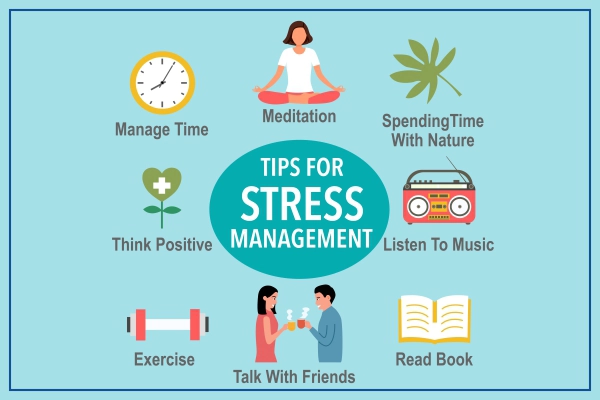
Stress is a normal response to demanding situations, but persistent stress can affect your sleep, concentration, relationships, and mood. Recognising early signs can help you take action before feeling overwhelmed. Pay attention to symptoms such as muscle tension, headaches, irritability, racing thoughts, or difficulty concentrating. Identify the main sources of stress in your life and distinguish between problems you can influence and those beyond your control. For manageable challenges, create a practical action plan and break responsibilities into smaller steps. For situations you cannot change immediately, focus on healthy coping strategies and available support. Taking regular breaks, exercising, practising relaxation techniques, and talking with trusted people can help reduce tension. Avoid relying on unhealthy coping habits, such as excessive alcohol consumption or continually avoiding difficult responsibilities. Stress management is not about eliminating every challenge. It involves developing healthier ways to handle pressure while protecting your energy and emotional well-being.
- Set realistic goals:
Unrealistic expectations can create unnecessary pressure and leave you feeling disappointed when you cannot meet them. Setting achievable goals, however, provides direction, strengthens motivation, and helps you recognise progress. Begin by identifying what matters most to you. Break larger responsibilities into smaller, manageable steps and prioritise tasks according to their importance. For example, instead of aiming to become more productive, spend twenty minutes organising your work each morning. Rather than changing your entire lifestyle in one week, choose one healthy habit to practise consistently. Celebrate your progress, even when it seems small. Completing a meaningful task can improve your confidence and encourage you to continue working towards your goals. Remember to adjust your expectations when circumstances change. Illness, unexpected responsibilities, and emotional difficulties may affect your progress. Your worth is not determined by productivity. Realistic goals should support your well-being, encourage personal growth, and help you maintain a healthier balance without creating unnecessary stress.
- Limit excessive social media use:
Social media sites are really helpful to stay connected with your people, but too much use of them can be really harmful. It is seen that excessive social media use can cause more stress, poor sleep, distractions, and negative comparison. We see so many things every day online, and without our notice, we do not even know how they impact our minds. Sometimes people feel more anxious, angry, emotionally drained, or inadequate. That is why you need to pay more attention to how you feel after using a particular site. if you keep a keen eye on these, then you will be able to understand how social media is impacting your mind. At such a time, you should set reasonable limits on daily screen time, disable unnecessary notifications, and avoid using your phone during meals or immediately before bed. You can also unfollow accounts that consistently make you feel worse and choose content that supports your interests and well-being. This can help you take care of your mental health in a much easier manner.
- Make time for your habits:
Daily responsibilities can leave little time for activities that bring happiness and relaxation. Making time for hobbies can help reduce stress, encourage creativity, and provide a sense of accomplishment beyond work or household tasks. Choose activities you genuinely enjoy, such as reading, painting, gardening, cooking, photography, dancing, or playing music. You do not need special skills or talent to benefit from these activities. Focus on enjoying the experience rather than achieving perfect results. If your schedule is busy, start by setting aside fifteen minutes a few times a week. Treat this time as an important part of your self-care routine rather than something you can do only after completing every responsibility. Hobbies can also help you learn new skills, meet like-minded people, and create positive experiences that support your mood and emotional well-being.
- Develop a positive mindset:
The way you interpret experiences can influence your emotions and responses. Negative thinking patterns, such as assuming the worst or believing one mistake defines your abilities, can make challenges feel more overwhelming. Developing a positive mindset does not mean pretending everything is fine. Instead, it involves examining your thoughts and considering whether they accurately reflect the situation. For example, rather than thinking, ‘I always fail at everything,’ remind yourself, ‘I made a mistake, but I can learn from it and improve.’ When negative thoughts arise, consider what evidence supports them and whether another perspective is possible. Think about what you would say to a friend facing the same situation. Practising this approach regularly can reduce harsh self-criticism, strengthen emotional resilience, and help you address difficulties with greater confidence and a balanced outlook.
- Stop comparing yourself with others:
Constantly comparing yourself with others can affect your confidence and make it difficult to appreciate your own progress. You might compare your career, appearance, income, relationships, or achievements without considering that everyone has different circumstances and challenges. Social media can intensify this habit because people often share their best moments rather than their everyday struggles. When you notice yourself comparing your life with someone else’s, pause and consider whether the comparison is fair or helpful. Instead, focus on your personal goals, values, and improvements. Reflect on what you have learned, the challenges you have overcome, and the skills you are developing. Remember that you can admire another person’s achievements without viewing them as evidence of your shortcomings. If certain online accounts repeatedly trigger negative comparisons, consider muting or unfollowing them to protect your confidence and emotional well-being.
Following these simple steps can help you take care of your mental health and enhance your mood. If you make a few conscious decisions, you can easily support your mental health and take care of yourself.