If you are dealing with insomnia, pay attention to the natural steps to improve it. The right steps can help you have better sleep during the night.

Sleep is one of the most important aspects of maintaining good physical and mental health. When you sleep, your body gets the chance to recover, improve mood, support brain function, and regulate essential processes such as metabolism and immunity. However, a lot of people are out there who struggle a lot to get some good sleep at night. They struggle to fall asleep, wake up repeatedly during the night, or find themselves awake much earlier than planned. These are all the signs of insomnia, which can make a huge impact on your overall well-being and daily productivity. Insomnia can be caused by various reasons such as stress, anxiety, irregular sleeping schedules, lifestyle habits, medical conditions, and certain medications. Occasional sleeplessness is not a major concern. But if you are going through difficulties every day, then you should take some action. Here are some methods that can help you manage insomnia and get better sleep at night-
- Maintain a consistent sleep schedule:
If you are someone who deals with insomnia symptoms, then the first thing you need to do is maintain a consistent sleep schedule. Fix a time to go to bed and wake up in the morning. At first, it will be much more difficult, but over time, if you can maintain this, then you will be able to fix your sleep schedule. Your body follows an internal biological clock, known as the circadian rhythm, which helps regulate your sleep-wake cycle. Going to bed and waking up at different times every day can disrupt this natural rhythm and make it harder to fall asleep. So, when you are trying to fix your sleep schedule, following this method will be really helpful.
- Build a relaxing bedtime routine:
A busy day filled with responsibilities, work pressure, and daily activities can make it difficult to relax at night. Creating a calming bedtime routine helps signal to your brain that it is time to rest. Spend 30 to 60 minutes before bedtime enjoying relaxing activities such as taking a warm bath, reading a book, listening to soothing music, practicing gentle stretching, or meditating. Avoid stimulating activities that keep your mind active or increase stress. Try to follow the same routine every evening to help your body recognize when it is time to sleep. Developing consistent bedtime habits can reduce nighttime stress, promote relaxation, and make it easier to fall asleep naturally.
- Keep your bedroom comfortable for sleep:
Your sleeping environment plays a significant role in how easily and how well you sleep. If your bedroom is noisy, excessively bright, or uncomfortable, then you will not be able to sleep properly, and eventually it will lead to insomnia. That is why you need to keep your bedroom comfortable for sleep. You can try keeping your bedroom quiet, cool, and dark. Such a room can help you sleep more comfortably. Along with that, use comfortable bedding, a supportive mattress, and pillows, according to your preference. Blackout curtains can help block unwanted light, while earplugs or a white-noise machine may reduce disturbances caused by surrounding noise. If you do these, you will be able to sleep in a calmer place.
- Limit screen time before bed:
Smartphones, laptops, and televisions can interfere with healthy sleep habits when used excessively before bedtime. The blue light emitted by electronic devices can suppress melatonin, a hormone that regulates the sleep-wake cycle. Scrolling through social media, watching videos, or responding to work messages can also keep your mind active when it should be relaxing. Try avoiding screens for at least 30 to 60 minutes before going to bed. Instead, spend this time reading a book, journaling, or listening to soothing music. If using electronic devices is necessary, reduce screen brightness and enable night mode. Developing a screen-free bedtime routine can help your mind relax and make falling asleep easier.
- Exercise regularly during the day:
Regular physical activity can improve sleep quality by reducing stress, supporting overall health, and helping regulate your body’s internal clock. Exercising consistently may make it easier to fall asleep and enjoy more restful nights. You do not need intense workouts to experience these benefits. Activities such as walking, cycling, swimming, yoga, and light strength training can all support better sleep. Try to include at least 30 minutes of moderate physical activity in your daily routine, depending on your fitness level. However, pay attention to exercise timing. Vigorous workouts immediately before bedtime may leave you feeling energized and interfere with relaxation. If this happens, schedule your exercise sessions for the morning or afternoon instead.
- Be mindful about alcohol and caffeine consumption:
What you drink throughout the day can have a huge influence on your sleep quality. Caffeine is commonly found in tea, coffee, soft drinks, and energy drinks. If you consume too many of these drinks, your caffeine consumption level will increase even more, which will disrupt your sleep time. In addition to that, if you consume it during the late hours, such as afternoon or evening, then it will make it even harder to fall asleep. Try limiting caffeine intake later in the day, particularly if you are sensitive to its effects. Alcohol should also be approached carefully. Although it may initially make you feel sleepy, it can disrupt your natural sleep cycle and lead to frequent awakenings during the night. Drink more water throughout the day to regulate your sleep cycle properly and take care of your health.
- Manage stress:
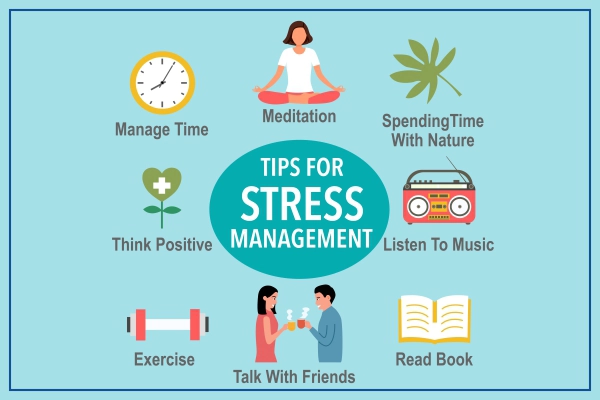
Stress and anxiety are common contributors to insomnia. Worries about work, finances, relationships, and daily responsibilities can keep your mind active even when your body feels tired. Developing healthy stress-management habits can help improve relaxation and sleep quality. Practice deep breathing, mindfulness meditation, or progressive muscle relaxation to calm your mind before bedtime. Journaling can also be helpful. Spend a few minutes writing down your thoughts, concerns, or tasks for the following day to avoid overthinking while trying to sleep. You can also try listening to soothing music or taking a short evening walk. If persistent anxiety continues to disturb your sleep, consider seeking professional support to address its underlying causes.
- Avoid heavy meals before hitting the bed:
Your eating habits can influence how comfortably you sleep. Consuming large, heavy, or spicy meals shortly before bedtime may cause indigestion, acid reflux, or discomfort, making it harder to fall asleep. Try to finish your main evening meal two to three hours before going to bed. Choose balanced meals containing vegetables, whole grains, lean proteins, and healthy fats to support overall health. If you feel hungry later in the evening, opt for a light snack instead of a heavy meal. Also, pay attention to foods and beverages that trigger digestive discomfort, as these can vary from person to person. Maintaining healthy eating habits and avoiding late-night overeating can help promote better digestion and more comfortable sleep.
When you are struggling to fall asleep, you can follow these effective steps. Consistently following these will help you improve your condition. So, be more conscious about them to deal with insomnia.