If you are willing to improve your communication skills, following a few simple steps can be really helpful. It can help you to become a better speaker more easily.
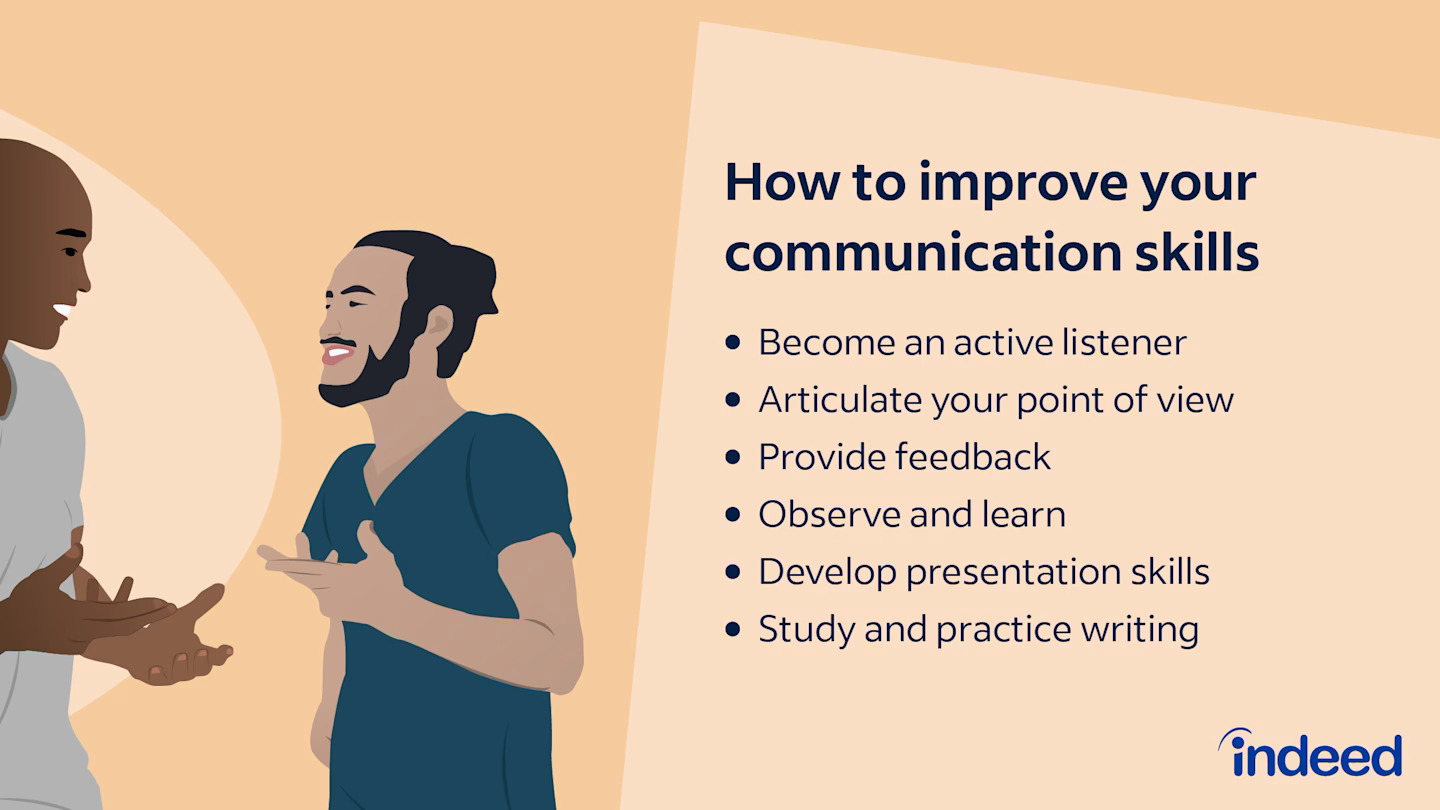
Communication skill is one of the most essential skills that can help to improve both your professional and personal life. Whether you are going for an interview, speaking with a colleague, or presenting an idea, at every stage, the importance of communication skills is seen quite clearly. How you communicate with an individual or in front of a bunch of people matters a lot. Many people think that good communication is only using some impressive words. But in reality, it isn’t like that at all. Better communication means how confidently you convey any idea to others and paying attention to nonverbal signals. If you can improve your communication skills, then handling every situation in your life will become much easier. There are many small steps that can lead you to improve this skill. Here are a few strategies that you can implement to enhance your communication skills-
- Listen before responding:
One of the most important ways of improving your communication skills is becoming a better listener. If you do not listen to what the other person is saying, you will not be able to give a better response. Improving your communication skills also includes becoming a better listener. When you are trying to improve your communication skills, you should pay more attention to eye contact, tone, and maintaining eye contact. The more you will focus on these, the better you will be able to understand what the other person is trying to say. It can help you to respond in a much better manner and become an even better spokesperson. When something is unclear, you must ask relevant questions as well. If you can make a few simple changes like this, then you will be able to improve your communication skills. Therefore, it is a step that can be really helpful for you.
- Think before you speak:
Speaking quickly does not necessarily make you a better communicator. Taking a few moments to organize your thoughts can help you express your ideas more clearly and confidently. Before responding, consider what you want the other person to understand and focus on the main point rather than adding unnecessary information. If you are discussing a complicated subject, mentally arrange your ideas into a clear beginning, middle, and conclusion. This can make your explanation easier to follow and help you avoid confusing the listener. Pausing briefly before answering is especially useful during meetings, presentations, interviews, and difficult conversations. It gives you time to choose appropriate words and consider how your response may be received. You do not need to eliminate pauses from your speech. A thoughtful pause can actually make you appear more composed and deliberate. With regular practice, thinking before speaking can become a natural habit that improves clarity and reduces misunderstandings.
- Expand your vocabulary:
Communication should remain simple, but having a broad vocabulary can help you to express yourself in a much easier manner. The goal is not to memorize complicated words simply to sound sophisticated. But develop a wider range of words that allow you to communicate different ideas, situations, and emotions more accurately. If you pay attention to expanding your vocabulary, you will be able to convey any ideas in a much easier way. Thus, it will help you to strengthen your communication skills in an effortless manner. At this time, you can try using new words naturally in conversations or writing. Over time, it will help you to express your ideas in a much easier manner. it is an excellent strategy that can assist you to improve your communication skill. In addition to that, it will also help you to make a better impression. So, it is a step that you should follow while improving your communication skills.
- Try to keep the message simple:
Clear communication does not require complicated vocabulary or elaborate explanations. In fact, using technical language unnecessarily can make your message harder to understand and may leave your audience confused. Focus on communicating one main idea at a time and choose familiar words whenever possible. If you need to use specialized terms, briefly explain them so everyone can follow the conversation. Instead of trying to sound impressive, focus on making your meaning clear and easy to understand. When explaining a complicated project, for example, divide the information into smaller sections. Start by providing some context, explain the main idea, and then describe what needs to happen next. Avoid adding details that do not contribute to your main message. You can also ask whether the listener needs further explanation. Simple communication is often more effective and memorable because people can understand and remember your message without having to work unnecessarily hard to interpret it.
- Practice speaking clearly:
Mumbling, speaking too quietly, or rushing through sentences can make even a well-prepared message difficult to understand. Practice speaking at a comfortable pace and pronounce your words clearly. If you tend to speak quickly when nervous, consciously slow down and pause between important points. These pauses can make your speech easier to follow and give you time to organize your thoughts. Pay attention to your volume as well, especially when speaking to a group or in a noisy environment. You can practice by reading aloud for a few minutes each day, focusing on pronunciation, pacing, and clarity. Recording yourself can also help you identify habits you may not notice while speaking, such as repeated words, unclear pronunciation, or excessive pauses. Listening to the recording can show you which areas need improvement. With regular practice, clear speaking can become a more natural and confident part of your communication style.
- Pay attention to your body language:
Communication not only consists of speaking, but it also includes facial expression, eye contact, posture, gestures, and physical distance. All these influence how your message is received. That is why, when you are trying to improve your communication skills, you should try to pay attention to these as well. A lot of the time, it is seen that avoiding eye contact may sometimes appear as disinterested. You definitely do not want to make such an impression while communicating with others. Along with speaking in the right manner, you should also concentrate on your body language. If you can do so, then you will be able to improve your communication skills quite seamlessly. This does not mean you need to control every movement. Instead, become more aware of what your body may be communicating. Aim for relaxed posture, appropriate eye contact, and natural facial expressions. It can be really helpful for you in many ways.
- Learn to control your tone:
The words you use are important, but the way you say them can influence how your message is understood. Your tone can communicate emotions such as enthusiasm, confidence, concern, frustration, or irritation, sometimes even when your words seem neutral. Before making an important statement, consider how your tone might sound to the other person. Helpful advice can seem critical if delivered impatiently, while a simple request can sound demanding when expressed too harshly. Pay attention to your volume, pace, and emphasis as well. Speaking too loudly may appear aggressive, while speaking too quickly can make you seem nervous or impatient. You do not need to make your voice artificially cheerful or change your personality. Instead, aim for a tone that suits the situation and accurately communicates your intention. Developing greater awareness of your tone can help prevent misunderstandings and make your conversations more comfortable and effective.
- Adjust communication according to your audience:
When you are willing to improve your communication, you must understand that you should adjust it according to your audience as well. Effective communicators consider the audience before choosing their level of detail, language, tone, and format. You will be able to become a better communicator when you can speak in the right manner with every group of people, whether they are children, youngsters, or adults. If you cannot do so, you will not be able to enhance your communication skills. Adapting your approach can make your message considerably more effective. Therefore, when you are trying to improve your communication skills, paying attention to this can be really helpful in many ways.
- Improve your written communication:
Communication skills are not limited to conversations. Emails, messages, reports, proposals, social media posts, and other forms of writing play an important role in everyday personal and professional communication. Before sending an important message, take a moment to read it again. Check whether your purpose is clear and whether the recipient will understand what you are asking, explaining, or requesting. Remove unnecessary sentences and organize longer messages into logical sections so they are easier to read. Pay close attention to spelling, grammar, punctuation, and word choice, particularly when writing professionally. Tone is equally important because written words can sometimes sound more aggressive, cold, or dismissive than you intended. Since the reader cannot hear your voice or see your facial expression, choose your words carefully and provide enough context. Developing the habit of reviewing your writing before sending it can make your communication clearer, more professional, and easier for others to understand.
- Avoid interrupting:
Interrupting can make conversations less productive and may cause the other person to feel that their thoughts are not being valued. Even when you are excited about the discussion or have an immediate response in mind, try to let the speaker finish their point before you begin speaking. Giving someone your full attention shows respect and can help you understand their message more accurately. If you are worried about forgetting something you want to say, make a brief mental note or write it down instead of interrupting. This allows you to remember your thought without breaking the flow of the conversation. There may be situations where an interruption is necessary, especially when clarification is urgently needed or time is limited. However, as a general communication habit, allowing people to finish speaking creates a more respectful, comfortable, and productive conversation for everyone involved.
- Ask better questions:
Questions are powerful communication tools because they encourage conversation, help you gather information, and show that you are genuinely interested in what another person has to say. However, not every question leads to a useful or meaningful response. Instead of relying only on questions that can be answered with ‘yes’ or ‘no’, use open-ended questions when you want someone to explain their thoughts, experiences, or concerns. Questions such as ‘What do you think about this approach?’ or ‘What challenges did you face?’ can encourage more detailed responses. Avoid asking several questions at once, as this can make the conversation confusing. Listen carefully to the answer and ask follow-up questions when necessary. In professional settings, thoughtful questions can help clarify expectations, identify potential problems, understand different perspectives, and prevent mistakes. Learning to ask better questions can make conversations more engaging, informative, and productive.
Concentrating on these few important factors can help you to become a better speaker. If you can implement the right strategies, improving your communication skills would be much easier.