Are you looking forward to taking your professional career to the next level? Let’s find out some effective professional upgrades that can help you become successful on the journey.

Our professional lives are not just meant for earning it also requires upgrades that allow making it successful and effective. While everyone has different professional careers, upgrades are needed to stay relevant over time while making personal growth. Individuals need to adapt to the changes that come through different industries, and in this age of technological and digital advancement, one must focus on the effective practices that help to make a professional career more rewarding and progressive. Here are some ways to develop your career.
- Enhance Professional Relationships
Networking is highly important no matter which field you are working in, and for better networking, you must enhance the professional relationships that you already have and find more room to create new ones. Building strong bonds in a professional career is essential for growth since professional connections can go a long way. You can build such connections with mentors, colleagues, peers, and others and it will help to find more collaboration opportunities and team-building activities along with clear communications with all.
- Improve Time Management Skills
Time is the most valuable thing in your life, whether it is professional or personal. When it comes to your work life, time is crucial, as you do not want to work more than required hours and everything comes with tight deadlines. Effective time management can help you set realistic deadlines while prioritizing tasks based on the business calendar. In this case, you can easily find tools and software that can help you manage your time in the long run. It is recommended to use to-do lists, calendars, and project management tools to get your projects done before the deadline. Effective management of time can also help you achieve work-life balance.
- Find New Challenges
Exposing yourself to new challenges is one of the greatest ways to get out of your comfort zone. This can help to promote personal growth. Try to take on diverse projects to put yourself into different situations, which helps you to take on different roles within your own organization. It can also help to pursue additional responsibilities, which can help to expand skill set and allows improving your adaptability. Embracing different types of commitment and challenges allow demonstrating your dedication and determination to complete a project that you started.
- Try to Become More Proactive
Since life is limited, you have to be active and productive to utilize most of your time in your professional life. Being proactive means taking responsibility and acting before problems arise. A proactive person does not simply wait for instructions or react to situations; instead, they look ahead, identify what needs to be done, and take action. This quality is important in school, work, and everyday life. For example, completing an assignment early, preparing for an important meeting, or helping someone without being asked are all signs of being proactive. Being proactive helps us manage our time, solve problems effectively, and achieve our goals. It also builds confidence, leadership skills, and independence.
- Always Strive for Efficiency
An efficient person plans their work carefully, sets priorities, and avoids unnecessary delays. Efficiency does not mean rushing; it means working wisely while maintaining good quality. For example, organizing tasks, using technology effectively, and focusing on important activities can improve productivity. Striving for efficiency helps us achieve more in less time and reduces stress. It also encourages us to learn from mistakes and continuously improve our methods. By developing this habit, we become more productive, responsible, and capable of reaching our personal and professional goals.
- Enhance Your Problem-solving Skills
Enhancing problem-solving skills means developing the ability to understand challenges, think critically, and find effective solutions. Good problem-solving requires patience, creativity, and a willingness to consider different approaches. When faced with a problem, it is important to identify its cause, gather relevant information, evaluate possible solutions, and choose the most suitable one. Learning from mistakes also helps improve future decision-making. Practicing puzzles, analyzing real-life situations, and discussing challenges with others can strengthen these skills. Strong problem-solving abilities help us handle difficulties confidently, make better decisions, and adapt to changing situations.
- Seek Adaptability and Flexibility
Seeking adaptability means being willing to adjust to new situations, challenges, and changes. An adaptable person remains open-minded and flexible instead of resisting unfamiliar circumstances. In today’s fast-changing world, adaptability is an important skill for personal and professional growth. It helps us learn new things, accept different perspectives, and respond positively to unexpected problems. Being adaptable also means learning from experiences and improving our approach when something does not work. By embracing change and staying willing to grow, we can overcome challenges with greater confidence. Developing adaptability makes us more resilient, resourceful, and prepared to succeed in different situations and environments.
- Focus on Your Emotional Intelligence (EQ)
Emotional intelligence is the ability to understand, manage, and express our emotions while also recognizing the feelings of others. It helps us build healthy relationships, communicate effectively, and handle challenging situations calmly. A person with strong emotional intelligence is aware of their strengths and weaknesses and can control negative reactions. Empathy, active listening, self-awareness, and patience are important parts of emotional intelligence. Developing these qualities helps us understand different perspectives and respond thoughtfully rather than reacting impulsively. Emotional intelligence is valuable in both personal and professional life because it improves teamwork, leadership, decision-making, and conflict management. It also supports confidence and emotional well-being.
- Advance Your Skills of Public Speaking
Public speaking skills are the ability to communicate ideas clearly and confidently in front of an audience. Good public speaking involves clear pronunciation, appropriate body language, eye contact, and an organized presentation. Confidence and preparation are essential for delivering an effective speech. Practicing regularly can help reduce nervousness and improve communication. A good speaker also understands the audience and uses simple, engaging language to keep their attention. Developing public speaking skills helps people express their thoughts effectively, build confidence, and create a positive impression.
- Develop Strong Communication Skills
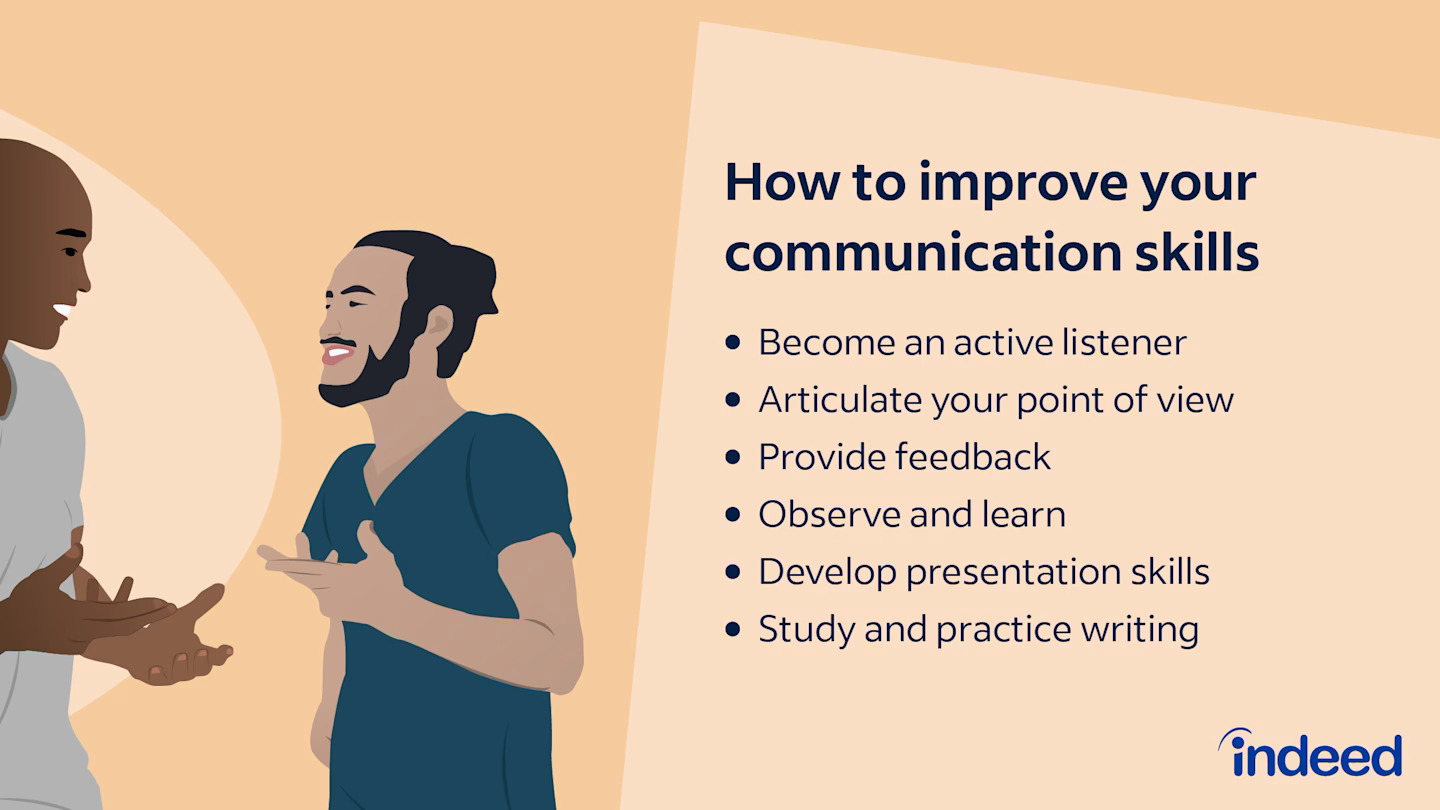
Developing communication skills means learning to express ideas clearly, confidently, and effectively while understanding others. Good communication involves speaking, listening, writing, and using appropriate body language. Active listening is especially important because it helps us understand different opinions and respond thoughtfully. Improving vocabulary, practicing conversations, and giving clear explanations can strengthen communication skills. Effective communication also helps prevent misunderstandings and builds trust with others. Developing these skills increases confidence and improves teamwork, relationships, and problem-solving abilities. Strong communication is essential in both personal and professional life, helping us share ideas, handle challenges, and achieve goals successfully.
- Learn to Provide Valuable Feedback
Giving valuable feedback means sharing helpful, respectful, and constructive suggestions to support improvement. Good feedback should be clear, specific, and focused on actions rather than personal criticism. It is important to recognize strengths while also pointing out areas that can be improved. Effective feedback is given at the right time and communicated in a positive manner. Listening to the other person’s perspective also makes feedback more meaningful. By giving thoughtful feedback, we can encourage learning, improve performance, and build stronger relationships. Valuable feedback creates a supportive environment where people feel motivated to grow, learn from mistakes, and achieve better results.
- Develop Leadership Skills
Industry leaders do not become leaders overnight, but they have to actively make efforts with leadership values. Inclusive leadership skills mainly focuses on value diversified opinions and perspective through a working environment where all team members feel heard, valued and respected. Developing inclusive leadership skills includes cultural competence, self-awareness, and commitment to equity, and many other aspects that allow you to become a leader that every department wants. Your leadership values can help to create a cohesive workplace environment that also helps the team to grow.
- Stay Updated with Latest Technology
In this digital age, everything is upgrading at a high pace through technology and technical advancement. If you are not upgrading yourself along with the latest technology, you are more likely to fall behind. This can help you stay competitive in the modern landscape where technical skills are preferred over degrees and knowledge. It is recommended to explore new tools, software, and industry trends regularly so that you can enhance your efficiency in the field. Learning constantly can help you stay updated and leverage innovations effectively.
- Lead by Setting an Example
Setting an example is what allows you to showcase the right way of doing things for others. By demonstrating work ethic and other workplace behavior, you can actually set a standard for your team members, and it will be followed by others. Leaders help to pave the path that employees can easily follow to meet the goals and become leaders themselves in the future. This particular approach can help to build more trust among the members and motivates them to follow the same route of success, which often includes integrity, accountability, and a strong commitment to the organization you are working in.
- Team Leading in Crisis
Crisis can occur at any time, and its uncertainty is what makes it dangerous for an organization. A great leader is someone who is capable of decision-making even when the organization is going through a severe crisis. Crisis management is a mandatory skill for every leader, as the team will look up to you when a crisis arrives, and you need to come up with the right solutions that allow for mitigating the issues. It requires a lot of calmness, decisive action, and clear communication, which should be conducted with a successful vision and presence of mind. This also includes empathy, resilience, and strategic planning that helps to get through crisis situations for the organization as well as the employees.
- Acquire New Technical Skills
Acquiring new technical skills is not just important but has become mandatory to stay relevant in the constantly evolving industries in the modern era. By expanding your technical skills, you can also improve your versatility, which allows you to fit within any role that is required. This improves your adaptability, and you become a potential candidate for multiple roles within the same organization. It is recommended to pursue training classes in fields like coding, data analysis, industry tools, and others to improve your demand in the niche. This can help establish significant career progression with deep impact that stays in the coming days as well.
- Obtain Professional Certification
While the focus on degrees has shifted, professional certifications are in high demand when it comes to getting a job or progressing within your agency. The certificates are proof of your diversified skills, and they help to showcase your expertise in the field as well as your commitment to professional development through personal and organizational approaches. Certifications can help your credibility in the competitive landscape where you can easily find plenty of potential competitors. What helps you to stand out among all is nothing but your experience and professional certifications, as employers are no longer interested in your board’s results.
- Look for Leadership Opportunities
You should always look for leadership opportunities, whether it is formal or informal. This will help you improve your management skills while gaining experience from different situations. Whether it is mentoring colleagues or volunteering in a pilot project, actively look for situations where you can showcase your leadership skills and values. This can help you prepare for more advanced roles in the industry that require leadership and foresight.
- Expand Your Knowledge in the Industry
Expanding industry knowledge means continuously learning about the latest trends, technologies, practices, and developments in a particular field. Staying informed helps professionals understand changes in the market and adapt to new opportunities and challenges. Reading industry articles, attending workshops, following experts, and learning from experienced colleagues are effective ways to build knowledge. It also encourages curiosity and continuous improvement. Strong industry knowledge helps individuals make better decisions, provide valuable ideas, and perform their responsibilities more effectively. By regularly updating our knowledge and skills, we can remain competitive, confident, and prepared for future growth in our professional careers.
- Improve Work-Life Balance
Work-life balance means managing professional responsibilities while making enough time for personal life, family, hobbies, and relaxation. Maintaining a healthy balance helps reduce stress, improve productivity, and support overall well-being. Setting clear priorities, managing time effectively, and taking regular breaks can help create this balance. It is also important to set boundaries between work and personal time and avoid unnecessary distractions. A good work-life balance allows us to remain focused and motivated at work while enjoying meaningful personal experiences. By maintaining this balance, we can improve our performance, relationships, satisfaction, and quality of life.
- Get Your Negotiation Skills Right
If you want to become a great at your professional life, you need to work on your negotiation skills as staying silent and agreeing to everything would not let to reach far. This is even more important when you are transitioning or preparing for a career switch. You need to talk about your salary clearly along with other demands. Enhancing these skills can help you reach a better agreement, which is important for a sustained career approach. This can also become handy in case of successful conflict resolution.
- Enhance Your Abilities of Conflict Resolution
When it comes to conflicts, they are inevitable in all kinds of workplaces, regardless of the industry. You cannot avoid them, but you must learn to manage them effectively, which allows you to strengthen relations within the organization. A lot of companies create contingency plans for crisis moments, and conflict resolution is similar, but this crisis mainly comes from within the company, not from any external force. By addressing issues constructively and fostering open communication, it can help to create a workplace where conflicts do not occur in the first place.
- Focus on Creativity and Innovation
Creativity and innovation are important in all fields and industries, and that is how new products, services, and solutions are created. Just because you are trying to grow professionally does not mean you will get rid of the creativity you have inside. These two are the main driving factors for all kinds of industries, and you should also focus on them. If you cannot innovate alone, find the other creative minds in the team and motivate them to come up with new innovations and solutions. Organizations are more likely to value the employees who are capable of thinking out of the box.
- Seek Professional help through Coaching and Mentorship
Fortunately, you can always find professional coaching and mentorship to grow in your career, and learning from experienced seniors can help to accelerate your growth and adaptability in the industry. With the help of constructive feedback, effective guidance, and a professional vision, you can grow significantly more in a short span of time, along with lasting impact in your career.