There are many products in our home that we use daily but are really toxic. Find cheaper options for non-toxic products for your home in an easier way.
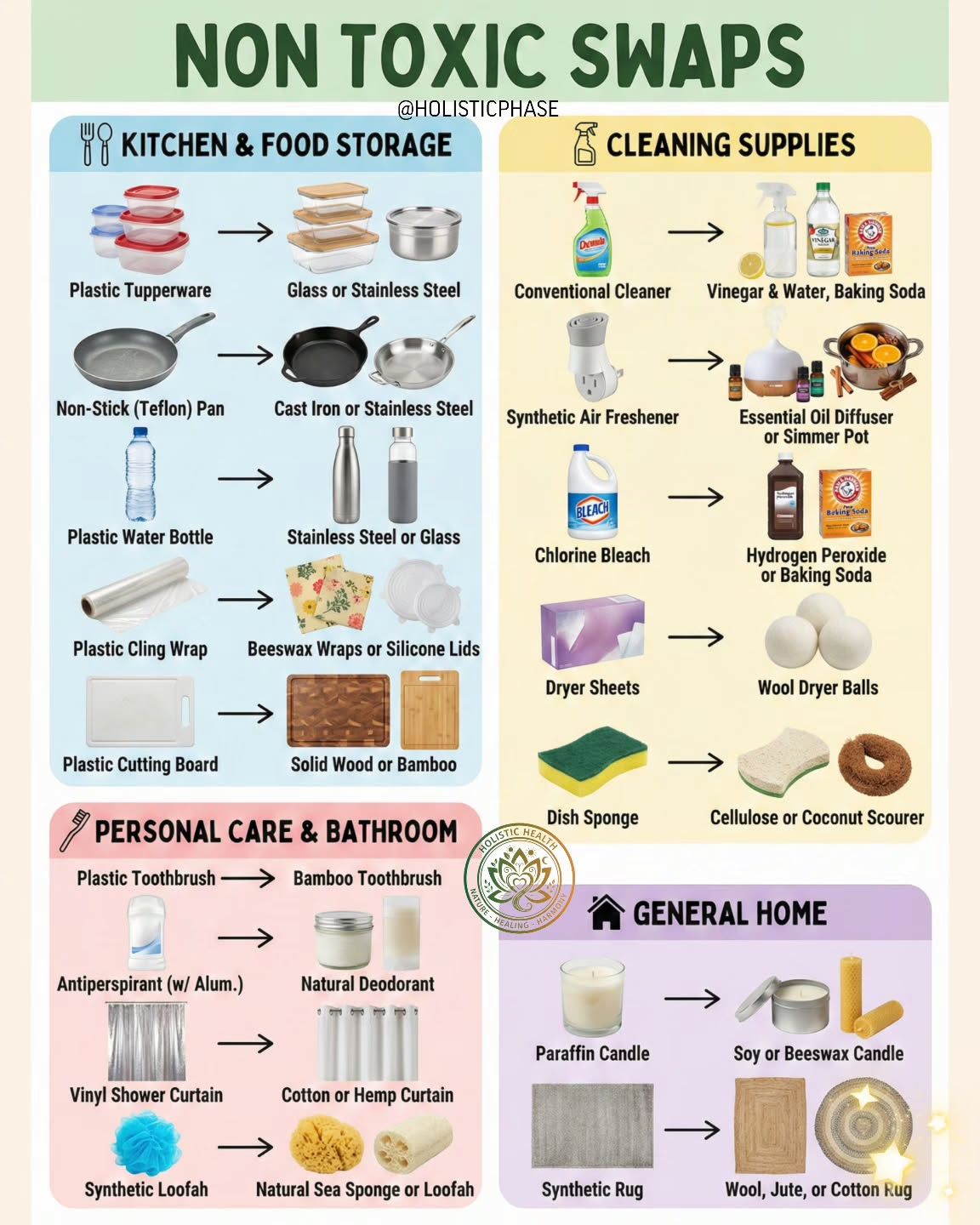
Creating a healthier home doesn’t mean that you have to replace every single item that you own with expensive organic products. Many people are out there for the sake of clean living and then spend thousands on expensive organic items. In this current situation, it is important to pay attention to the products that we own. there is toxin in most items. But clean living doesn’t necessarily mean that you have to spend endless money. If you are a little practical and swap the products at home that fit your budget, then you will be able to transform your home without much hassle. You can get many non-toxic swaps on an affordable budget that can lead you to make your home toxin-free.
It is also worth remembering that ‘non-toxic’ is often used as a marketing term. Almost everything can be harmful at a sufficiently high dose, and natural does not automatically mean safe. Instead of chasing a completely toxin-free lifestyle, focus on reducing unnecessary exposure to substances that may be irritating or problematic with frequent or prolonged use. The good news is that many useful swaps cost little or nothing. Some involve replacing disposable products with reusable alternatives, while others simply mean choosing simpler ingredients, avoiding unnecessary fragrances, or changing how you store and clean things. Here are a few cheap swaps that can make a meaningful difference in your everyday home-
- Swap plastic food containers for glass jars:
Plastic food containers are not good for our health at all. According to research, it is seen that using plastic food containers causes microplastics in your body. That is why, if you replace such containers with glass jars, then you will be able to get rid of such toxins getting into your body. You do not need to make a collection of expensive glass jars. You can get sturdy glass jars from foods like pickles, sauces, and other packaged products. Most people out there do not use the glass jars that we get by buying any product. If you start replacing plastic food containers with glass jars in this way, then you will be able to prevent your body from more toxin exposure. For this, you do not even have to spend much money. Therefore, it is a great way to make your home toxin-free.
- Swap disposable water bottles for reusable bottles:
Buying disposable water bottles daily is really expensive, unhealthy, and bad for the environment. That is why changing to reusable bottles would be a much better option. You can get glass bottles or steel bottles for daily use. First of all, drinking water from plastic bottles is not good for your health, as they contain too many microplastics. If you keep on drinking water from such bottles, it will make a huge impact on your health. Disposable water bottles may look easy to use, but they are not good for you at all. In addition to that, when bottles in such bulk amounts are being disposed of every day, it is becoming a burden on our environment as well. Not all the bottles are being recycled, so they are piling up more every day. That is why it is essential to swap your disposable water bottle for reusable bottles. It is a much better solution to remove toxins from your home.
- Swap plastic wrap for reusable food covers:
Plastic wrap is convenient, but relying on it regularly can create unnecessary waste and increase your use of disposable materials. A simple, budget-friendly alternative is to use reusable food covers, silicone lids, plates, or containers with fitted tops. These options can keep leftovers, prepared meals, and opened foods covered without requiring a new piece of wrap each time. You do not always need to buy something specifically designed for this purpose. Placing a plate over a bowl in the refrigerator can work just as well for many foods and costs nothing. For sandwiches, snacks, and dry foods, reusable fabric food bags or washable containers can replace single-use wrapping. The goal is not to eliminate plastic from your kitchen completely. Instead, focus on reducing unnecessary disposable use. Start by replacing plastic wrap for the foods you store most frequently, and gradually make reusable covers part of your everyday kitchen routine.
- Swap strongly scented air fresheners for ventilation:
One of the simplest and cheapest non-toxic swaps is to reduce your reliance on strongly scented air fresheners and focus on fresh air instead. Sprays, plug-in fragrances, and heavily scented products may temporarily mask unpleasant odors without addressing their source. When outdoor conditions allow, opening windows and doors can improve airflow and help refresh indoor spaces. Using exhaust fans in kitchens and bathrooms can also help remove moisture, cooking smells, and stale air. If a room has a persistent musty or unpleasant smell, look for the underlying cause rather than covering it with fragrance. Damp fabrics, accumulated rubbish, clogged drains, mold, or excess moisture may need attention. Regularly washing fabrics, removing waste, and keeping damp areas dry can help maintain a fresher environment. A home does not need to smell strongly scented to feel clean. Often, good ventilation, regular cleaning, and moisture control are enough to create a comfortable indoor environment without constantly adding artificial fragrance.
- Swap fragranced laundry products for fragrance-free options:
Fragranced laundry products are really common in every household. People go for such products because they add a beautiful scent to their garments. But such products contain more toxic chemicals. Thus, using them is not a very good option. On the other hand, if you are sensitive to such fragrances, then you should go for the fragrance-free options. If you use such products, then you will be able to prevent yourself from such toxin exposure. You do not necessarily need a premium natural detergent. There are many fragrance-free laundry products available out there. While buying the detergent, all you need to do is check the ingredients and choose the one that has fewer toxic elements. If you pay a little attention to this, then you will be able to swap the toxin-filled laundry product for a better one. Thus, it is a better option that can be really helpful for you.
- Swap harsh cleaning sprays for simple cleaning ingredients:
Many household surfaces can be cleaned effectively with simple products rather than a cabinet full of specialized sprays. Depending on the surface and cleaning task, water, diluted dish soap, or a suitable multipurpose cleaner may be enough for everyday cleaning. Choosing simpler products can help reduce unnecessary fragrance, packaging, clutter, and household expenses. You do not need a different scented spray for every room. Using a few versatile cleaning products can make your routine easier while helping you avoid buying products you rarely use. However, simplicity should never come at the expense of safety. Never mix cleaning chemicals unless the product instructions specifically allow it. In particular, bleach should never be mixed with ammonia, acids, or other cleaning products because dangerous gases can form. Always read labels carefully, use products as directed, and ensure adequate ventilation when cleaning.
- Swap antibacterial everything for ordinary soap:
Not every cleaning or personal hygiene task requires an antibacterial product. For everyday handwashing, ordinary soap and running water can effectively remove dirt, oils, and many microorganisms from your hands. Choosing a simple soap can also help reduce the number of specialized products you keep in your bathroom. Instead of purchasing antibacterial versions of every soap, cleaner, or personal care product, consider whether the added feature is actually necessary for your routine. A basic soap can often meet everyday handwashing needs while being affordable and easy to find. However, disinfectants do have an important role in certain situations. They may be appropriate when someone is sick, when surfaces have been contaminated with potentially harmful microorganisms, or when specific hygiene requirements apply. The goal is not to avoid antibacterial or disinfecting products completely, but to use them when they are genuinely needed. Always follow product instructions for safe and effective use.
- Swap disposable paper towels for washable cloths:
Paper towels are useful for your daily household chores, but they can be surprisingly expensive. For every task at your house, if you use disposable paper towels, then you will end up spending too much money unnecessarily. Instead of this, if you go for washable cloths, then you will be able to save a lot of money. It doesn’t even cost any money if you implement the right strategy. There are so many old cotton T-shirts, worn sheets, or towels that we throw away after they get damaged. But if you cut them into pieces, then you will be able to use them for your household chores. They will help you to do the work without spending any money. If you use too many paper towels, just think about how it is impacting our world. Every year, so many trees are being cut down for paper production. So, if you can be a little more considerate about this, then you will be able to bring a change into the world.
- Swap plastic cutting boards for wood:
A lot of people are out there who use plastic cutting boards. It might seem okay, but plastic boards are not a healthy option at all. When you are cutting any vegetables or fruits on such a board, then unknowingly, you are putting microplastics into your food as well. With every cut of a knife, the board gets scratched, and pieces of plastics are getting to your food. That is why, if you can make a simple swap to wooden boards, then you will be able to take care of your health in a much better way. Wooden boards don’t need any extra care or anything. All you need to do is clean and dry the board after use. Just by doing this, it will be perfectly good for your next use. Hence, it is a strategy that you can implement when you are willing to make your home toxin-free.
- Swap scented candles for unscented alternatives:
Candles can create a warm, relaxing atmosphere, but heavily scented candles may release fragrance compounds and particles into the air when burned. If you enjoy using candles at home, choosing unscented alternatives can be a simple way to reduce unnecessary fragrance exposure while still enjoying their soft glow. You can also improve the atmosphere without relying on scented products. Lamps, warm lighting, natural daylight, flowers, plants, or simple decorative pieces can make a room feel comfortable and inviting without adding fragrance to the air. When burning any candle, keep it away from flammable materials and ensure the room has adequate ventilation. This swap does not mean that all scented candles are automatically harmful or that you need to stop using them completely. Instead, it is about being more selective about the products you bring into your home. If reducing artificial fragrance is one of your goals, switching to unscented candles can be an inexpensive and practical change.
- Swap plastic cooking utensils for stainless steel or wooden ones:
Wooden spoons, stainless steel spatulas, and other durable utensils can be practical alternatives to plastic cooking tools, especially when older utensils become scratched, cracked, warped, or difficult to clean. Wooden utensils are often affordable and work well for stirring, mixing, and serving a variety of foods. Stainless steel utensils are especially useful for tasks that require greater strength and durability. Choosing longer-lasting materials can also help reduce how frequently you need to replace kitchen tools. However, there is no need to throw away perfectly usable plastic utensils simply to make an immediate change. Doing so can create unnecessary waste and expense. Instead, consider making the switch gradually as existing utensils wear out. When purchasing replacements, look for sturdy products that are comfortable to use, easy to clean, and suitable for your cookware. With thoughtful replacement, a few simple changes can gradually create a more durable and practical kitchen without requiring a major investment.
- Swap nonstick cookware for stainless steel:
Nonstick cookware can make cooking and cleaning easier, but damaged, peeling, or heavily deteriorated coatings are a good reason to consider replacing a pan. Instead of immediately replacing every piece of cookware in your kitchen, focus on items that are genuinely worn out or no longer suitable for use. Stainless steel cookware is a durable option that can last for many years when properly cared for. It is versatile, easy to maintain, and suitable for a wide range of cooking tasks. Cast iron is another long-lasting choice if you are comfortable with its maintenance and weight. The most budget-friendly approach is to replace cookware gradually rather than buying an entirely new set. When an old nonstick pan needs replacing, consider choosing a durable alternative that suits your cooking style. This approach can reduce unnecessary spending while helping you build a kitchen collection designed for long-term use.
- Swap plastic grocery bags for reusable bags:
Reusable shopping bags are inexpensive and have the potential to reduce your dependence on single-use bags. If you are going to a grocery store, if you carry a reusable bag from your home, then you do not have to get a plastic bag. Now, all of us know how plastic bags are bad for our environment. The more you can reduce the use of them, the better it will be for all of us. It is a simple step that can bring a huge change. All you need to do is remember to take a reusable bag when leaving for grocery shopping. Apart from this, you do not have to do anything else. For this, you can try the strategy of keeping your bags near the door or in your car. You should keep the bag in a certain place where it is visible, and do not forget to take it while leaving. If you use this step, then you will be able to get rid of toxic elements. It is a great method that can help you to make your house toxin-free.
- Swap single-use coffee cups for a reusable mug:
A reusable coffee cup can be one of the easiest and most affordable everyday swaps. Disposable cups may seem convenient, but regularly using them can create unnecessary waste and become a recurring expense. Keeping a reusable mug at home, work, or in your bag makes it easier to avoid disposable options when buying coffee or other drinks. You do not necessarily need to purchase a specialized travel cup. If you already own a sturdy mug that suits your routine, simply use it whenever practical. For commuting, choose a reusable cup that is lightweight, easy to wash, and comfortable to carry. The most useful option is one that fits naturally into your daily habits. A complicated or bulky cup that stays in the cupboard will not make much difference. Start with one reusable mug and keep it somewhere visible so remembering to take it becomes part of your routine.
- Swap disposable makeup remover wipes for washable cloths:
Facial wipes are convenient, but using them daily can cost more and create more waste. That is why, when you are trying to make your home toxin-free, you should try out using washable cloths. You can use a washable cloth with a cleanser; you will be able to use the same one just by washing it once. This way, you will be able to reduce the amount of waste. Such cloths are really inexpensive compared to the makeup-removing wipes. So, if you pay more attention to this, then you will get the chance to reduce your expenses and lessen the amount of waste as well. This is a better solution for every individual. If you keep on using a facial wipe daily, then it can cause more toxins in your body as well. Therefore, it is a method that can be really helpful for you.
- Swap bottle cleaning products for concentrates or refills:
If you regularly purchase household cleaners, consider switching to concentrated formulas or refill options when they make financial and practical sense. Concentrated products often require you to add water at home, which means you may purchase less packaging and reduce the number of full-size bottles you store. Refill systems can also allow you to reuse the same spray bottle several times instead of replacing the entire container whenever the cleaner runs out. However, do not assume that every concentrate or refill is automatically cheaper or more sustainable. Compare the price per use or the amount of finished cleaner you receive rather than looking only at the package price. Check the instructions carefully so that concentrates are diluted correctly and safely. You can also reuse suitable spray bottles when the product instructions permit it. Making thoughtful choices about refills and concentrates can reduce waste, save storage space, and potentially lower your household cleaning expenses over time.
- Swap disposable produce bags for reusable mesh bags:
If you regularly use small plastic bags for fruits and vegetables, reusable mesh produce bags can be a simple and affordable alternative. They are especially useful when buying loose items such as apples, oranges, onions, potatoes, or other produce that does not require individual wrapping. After shopping, the bags can be emptied, washed when necessary, and used again. You do not always need a bag, either. Many fruits and vegetables can be placed directly in your shopping basket or reusable grocery bag, particularly when their skins will be removed before eating. Once you bring produce home, wash it appropriately before consumption and store it according to its needs. There is no need to purchase an expensive collection of reusable bags. Start with a few lightweight options that fit your shopping routine. By reducing your reliance on disposable produce bags, you can gradually cut household plastic waste while keeping your grocery routine convenient and practical.
Following some simple steps can help you to reduce toxins in your home. Thus, pay a little attention to your purchases and actions if you are trying to make your home toxin-free.