You will grow in your life more seamlessly by learning 30 lessons before turning 30. The lessons can help you to progress in your life without much hassle.
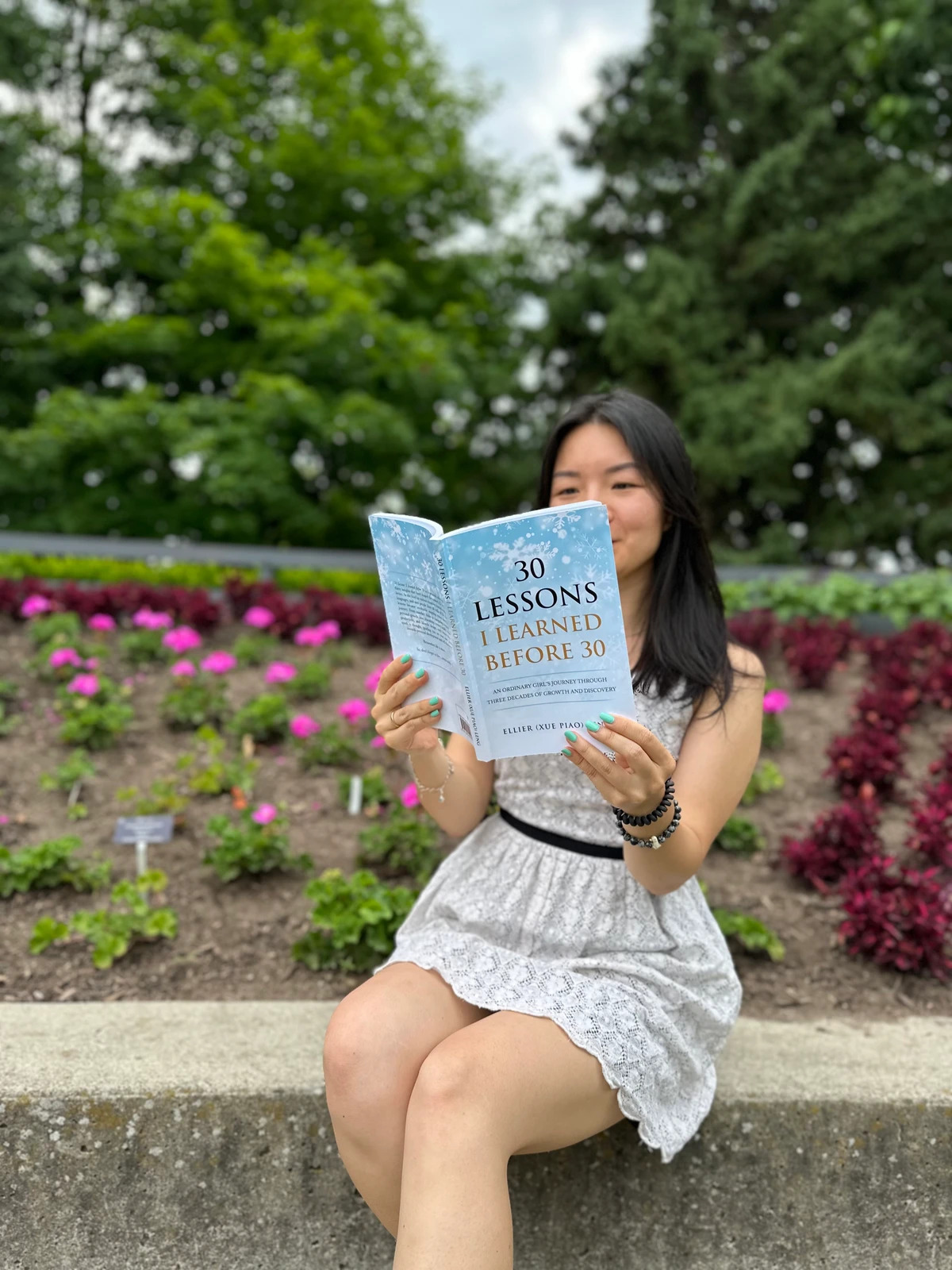
Turning 30 might feel like achieving a milestone or sometimes a major deadline. People might think that it is a time when you should have figured out your career, organized your finances, settled relationships, or planned your future. such society norms can make turning 30 a whole nightmare. However, the reality is much harder than this. In your twenties, you are bound to make more experiments, unexpected changes, and make mistakes. But that doesn’t mean that you are all settled down in your 30s. Doing that can be much harder than you imagine. Personal growth is something that can help you to achieve a perfect version of yourself. When you are trying to grow in your overall life, you must pay attention to personal growth. If you are someone who is about to turn 30 soon, you must pay more attention to learning a few lessons. Learning 30 personal growth lessons before turning 30 can be really helpful. Here are the important lessons that can lead you to attain more growth-
- Learn to take responsibility for your life:
If you are trying to make personal development, then try to focus on taking responsibility. If you cannot learn to take responsibility, then you will not get the chance to grow in your life. You cannot take accountability for other people’s behavior, unexpected events, economic conditions, and more. But you can definitely do that when it comes to you. Learn to take responsibility even when you are making mistakes. But taking responsibility doesn’t mean blaming yourself for every problem. If you can build the habit of taking responsibility, growing in life will get much easier. This mindshift can lead you to take meaningful actions and achieve growth more seamlessly.
- You do not need to have everything figured out:
Most people think that they need to figure out everything in their life before turning 30. But, in reality, it is not necessary and quite impossible as well. You need to understand that you are allowed to make mistakes, try new things, change our life-style, or make a change in your long-term goals. most of the people are not willing to learn that they are not bound to figure out everything. Once you understand this, you will get the chance to experience more new things in life. It is a lesson that everyone needs to pay attention to.
- Learn how to manage your finances:
Before 30, you should learn at least the basic things of managing finances. At this time, you are earning money, have some responsibilities to take care of, and need to get financially stable. If you do not know how to manage your money, then you will face more difficulties in life. Managing finances doesn’t mean earning the maximum amount of money. But it is more about how you manage everything from a certain amount of money. Once you learn how to manage your finances, handling every unexpected situation will get much easier. Therefore, when you are seeking ways to achieve personal growth, you must focus on this specific lesson.
- Stop comparing your timeline with others:
Everyone moves through life at a different pace. Someone you know may have bought a house, built a successful business, or started a family while you are pursuing a completely different path. Their progress does not mean you are falling behind. Social media can make comparison worse because you usually see carefully selected highlights rather than someone’s complete reality. Instead of measuring your success against others, compare yourself with who you were yesterday. Ask whether you are becoming more confident, financially responsible, emotionally mature, healthy, or capable. Your progress matters more than someone else’s timeline.
- Health is a long-term investment:
Your twenties can make it easy to overlook your health. Long work hours, irregular sleep, convenient meals, inactivity, and postponed checkups can gradually become unhealthy habits. However, the choices you make today can influence your future wellbeing. Take care of your body through regular movement, nutritious meals, enough sleep, proper hydration, stress management, and routine medical and dental care. You do not need an extreme fitness routine to stay healthy. Focus on consistency and sustainable habits rather than short periods of intense effort. Your health supports everything else you want to achieve, making it one of your most valuable long-term investments.
- Choose your friends carefully:
The older you get, the more important your friendship becomes. Time gets limited, and we do not get to spend more time with our friends. But when you are growing more, you need to understand that you do not need a lot of friends but only a few with whom you can maintain a healthy friendship. Friends are people who can make a huge impact on your life. That is why it is important to choose those people as your friends who can make a positive impact. Along with that, also look for qualities such as values, priorities, interests, and circumstances. If someone doesn’t fit in your life, you should not feel guilty. You can definitely cut them off your life. Thus, it is a lesson that you need to pay close attention to.
- Learn to say no without any guilt:
Learning how to say no is an important lesson that you should definitely learn. You must build boundaries with every person in your life. If you do not do so, getting ahead in life will get more difficult. That is why, learn to say no without any guilt. Some people are out there who will do everything that people ask for. If something is causing more trouble to you, then you should say no immediately. There is no need to give stress to your mental or physical health. You need to get rid of the fear that someone will get disappointed. If you do not do so, you will not be able to grow in your life. Thus, it is an important lesson that you need to learn before turning 30.
- Become comfortable with being alone:
Being alone and being lonely are not the same. Learning to enjoy your own company can make you more independent, confident, and emotionally secure. Spend time alone without constantly reaching for your phone or seeking distractions. Go for a walk, read a book, enjoy a hobby, visit a favorite place, or simply reflect on your thoughts. Becoming comfortable alone can help you avoid unhealthy relationships simply because you fear loneliness. It also gives you valuable time to understand your personality, preferences, goals, and emotions. Building a strong relationship with yourself creates a healthier foundation for meaningful relationships with others.
- Career doesn’t define your identity entirely:
Work is important, but it is only one part of your life. Your job title and professional achievements do not determine your worth or identity. You are also a friend, family member, learner, creator, partner, and individual with interests beyond your workplace. Career growth matters, but sacrificing your health, relationships, hobbies, and personal interests for professional success can create an unhealthy imbalance. Build valuable skills, pursue meaningful opportunities, and work toward financial stability while maintaining other areas of your life. A fulfilling life involves more than professional achievements. Success becomes more meaningful when your career supports your overall happiness and well-being.
- Take lessons from your mistakes:
If you are trying to progress in your life, then you need to learn from your mistakes. Many people are out there who do not try to understand how they made the mistake and how they can rectify it. They try to hide their mistakes instead of learning from them. It is a habit that will not help you to grow in your life. When you are willing to progress, you need to take lessons from your mistakes. You cannot do anything by hiding it or blaming yourself constantly. If you pay more attention to learning, your chances of making the same mistake will reduce a lot. It will assist you in growing more in life.
- Stop taking every opinion personally:
People will always have opinions about your choices, but you need to understand that not every opinion is necessary to listen. Some will question your career choice, relationships, appearance, lifestyle, habits, and more. There is no ending of people giving their opinions. But it is you who need to understand that not every one of them requires equal attention. The more you listen to others, the more difficult it would be for you to make any future decision. That is why try to understand what they are saying and what the possible outcome of it can be. If you do not like the result, you can definitely turn down their opinion. It is really important to stop taking every opinion to your heart.
- Learn to communicate:
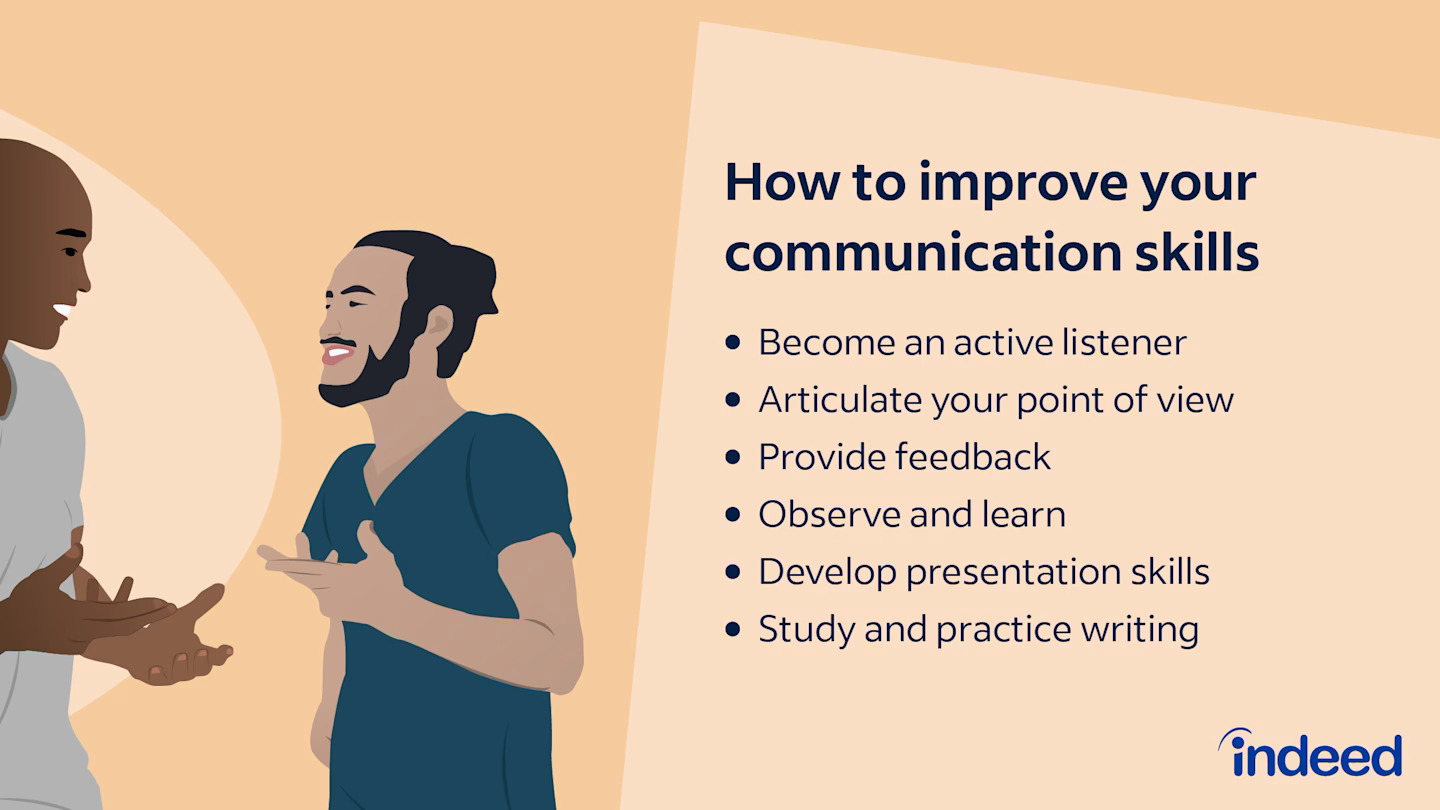
Communication affects almost every part of adult life. Being able to express your expectations, boundaries, concerns, ideas, and emotions can strengthen both personal and professional relationships. Good communication is not simply about talking more. It involves listening carefully, asking questions, choosing your words thoughtfully, and avoiding assumptions. Learn to address difficult conversations rather than avoiding them. If something bothers you, communicate respectfully instead of allowing resentment to grow. If you make a mistake, acknowledge it honestly. If you do not understand something, ask questions. Clear communication reduces misunderstandings, builds trust, and helps create healthier relationships. It is a valuable skill worth improving throughout life.
- Learn to protect your time:
Time is one of your most valuable resources because, unlike money, it cannot be recovered. Your twenties can become crowded with work, social commitments, responsibilities, entertainment, and digital distractions. Pay attention to how you spend your hours and whether your daily activities support the life you want. You do not need to make every minute productive because rest and entertainment are important too. However, reduce activities that consistently leave you distracted or unfulfilled. Turn off unnecessary notifications, limit social media, and create time for meaningful goals. Protecting your time means protecting your attention, energy, priorities, and ultimately, your life.
- Build discipline:
Motivation can inspire you, but it is not always reliable. Some days you may feel excited about exercising, studying, saving money, or working toward a goal. Other days, you may feel tired or distracted. Discipline helps you continue even when motivation disappears. Create simple routines, break larger goals into smaller tasks, and focus on consistency rather than perfection. You do not need to change your entire life overnight. Small actions repeated regularly can create meaningful results over time. Learning to complete important tasks even when you do not feel motivated builds reliability, confidence, and self-control, making discipline an essential personal growth skill.
- Stop waiting for perfect conditions:
There will rarely be a perfect time to begin. If you keep on waiting for the perfect time to start something new, you will never get the opportunity to do something. You need to consider that the more you are waiting, the more you are losing time. By doing this, you might be missing your biggest opportunities. That is why, if you are trying something new, for example, a business, then start looking for ways to begin it as soon as possible. If you do not do so, you will never get the opportunity to fulfil your wish. And if you do not get an impressive result in your first try, go for the second one. Make the initial changes and try to put in more effort. You will definitely get a satisfying result. But waiting for the perfect time will not take you anywhere.
- Develop an ability to adapt:
Change is an unavoidable part of life. Companies restructure, careers evolve, relationships change, people move, technology transforms industries, and plans sometimes fail. The ability to adapt can be more valuable than having a perfect plan. When circumstances change, give yourself time to understand what happened, then focus on what you can control. Consider what you have learned and what options remain available. Adaptability does not mean abandoning your values whenever life becomes difficult. It means staying flexible about your approach while remaining connected to your priorities and principles. People who can adjust to changing circumstances without losing direction are often better prepared to handle uncertainty and pursue opportunities in an unpredictable future.
- Invest more in learning:
Learning is a continuous process and doesn’t end with a university degree. Just because you have completed your education doesn’t mean that your learning has ended as well. The more you invest in learning, the more you will get to grow in your career. The world is changing rapidly, and if you want to keep up with its pace, you need to learn continuously. By doing this, you will get to learn about more new facts and accumulate knowledge about your field of work as well. This is a step that you definitely need to take while trying to make progress. Before turning 30, if you understand the value of this practice, achieving success in life will get even easier.
- Understand the difference between want and need:
Consumer culture constantly encourages people to buy more. New clothes, devices, subscriptions, upgrades, and experiences can make it easy to confuse wants with genuine needs. Before making a purchase, pause and ask whether you truly need it, whether it fits your budget, and whether it offers lasting value. This does not mean avoiding everything you enjoy. Spending money on things that bring happiness can be perfectly reasonable. The goal is to make intentional decisions rather than purchasing automatically. Understanding the difference between wants and needs can help you manage your finances, reduce unnecessary spending, and focus more on experiences, priorities, and purchases that genuinely matter.
- Learn to handle rejection:
Rejection is a part of growth, and you cannot avoid it. When you are trying to grow in your life, you need to learn how to handle rejection. You cannot get broken down just with a rejection. You need to understand why you got rejected and put in more effort to rectify it. If you do not practice this habit, making progress in life will be impossible. That is why, when you are trying to get ahead in your life, you need to learn how to handle rejection. If you do so, then you will get the motivation to give it another try and get on the path of success. It is a step that can offer you fruitful results.
- Set boundaries in relationships:
Healthy relationships require clear and respectful boundaries. A boundary communicates what you are comfortable with and what you are not. It can involve your time, privacy, personal space, communication, money, work availability, or emotional energy. Setting boundaries may feel uncomfortable, especially if you are used to pleasing everyone. Some people may react negatively when you establish limits because they were accustomed to having unlimited access to your time or attention. Their reaction does not automatically mean your boundary is unreasonable. Healthy relationships allow people to have individual needs, preferences, and limits. Learn to communicate your boundaries calmly and clearly while respecting the boundaries of others.
- Rest is a part of productivity:
Many people think that taking rest is a waste of time and a barrier to productivity. But, in reality, it doesn’t work like that. If you are trying to enhance your productivity, you need to give enough time to rest as well. If you think that constant working is the only way you progress in life, then you truly have a misconception. It is a lesson that you need to learn early in your life. Otherwise, growing in your life will get even more difficult. Hence, learn this lesson for a better result.
- Learn to have difficult conversations:
Avoiding uncomfortable conversations rarely makes problems disappear. If you are unhappy in a relationship, confused about workplace expectations, disappointed by someone’s behavior, or concerned about a personal issue, learn to address it directly. Choose an appropriate time and communicate calmly. Focus on the situation rather than attacking someone’s character. Listen carefully to the other person’s perspective and remain open to understanding their point of view. You may discover that the problem is smaller than you expected, or the conversation may reveal a deeper disagreement. Either way, honest communication provides clarity. Learning to handle difficult conversations respectfully can strengthen relationships and prevent unresolved issues from becoming bigger problems.
- Stop chasing validation:
It feels good when people praise your work, appearance, achievements, or choices. However, relying heavily on external approval can make your confidence unstable. If your happiness depends on compliments, likes, recognition, or constant reassurance, you may feel anxious when that approval disappears. Instead, develop your own standards. Ask whether you are proud of your efforts, whether your decisions reflect your values, and whether you are becoming the person you want to be. External recognition can be enjoyable, but it should not determine your self-worth. True confidence grows when you learn to appreciate yourself without constantly needing approval from others.
- Enjoy the present:
Learn to enjoy the present fully if you are trying to make progress. Neither thinking about the past will give you joy, nor the future. So, if you try to enjoy every moment of your present time, you will get to have a much more fulfilling life. Most people regret their past and worry about their future. However, the truth is you cannot control them. So, there is no reason to ruin your present by thinking about some time that you have no influence on. That is why one of the best lessons that you can learn is to stay present. It will lead you to enjoy more and have a calm mind.
- Make goals that matter to you:
Goals are most meaningful when they reflect your personal values and priorities. It is easy to pursue achievements simply because society considers them impressive. You may chase a higher salary, prestigious job title, expensive possessions, or certain lifestyle because you believe they represent success. Take time to understand what you genuinely want from life. Perhaps you value freedom more than status, flexibility more than prestige, or creative fulfillment more than maximizing income. Your goals should support the life you actually want to live. When your ambitions reflect your own priorities rather than other people’s expectations, you are more likely to feel motivated, fulfilled, and satisfied with your progress.
- Pay attention to mental wellbeing:
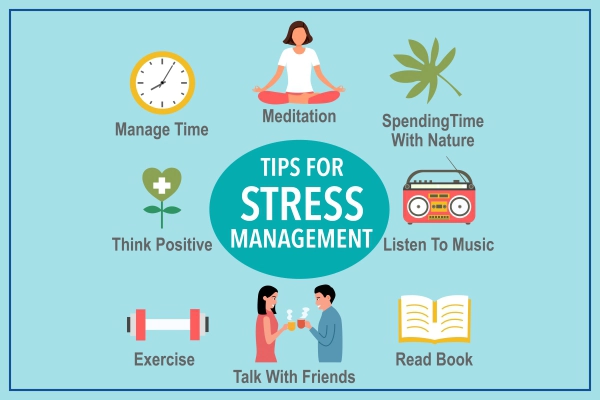
Emotional wellbeing deserves attention just like physical health. Stress, disappointment, loneliness, uncertainty, and major life changes can affect anyone. Develop healthy ways to process difficult emotions instead of ignoring them. Talk to trusted people when you need support, and make time for activities that help you recover from stress. Consider professional support when challenges become difficult to manage alone. You do not need to wait until everything feels overwhelming before taking your wellbeing seriously. Emotional maturity does not mean never struggling. It means recognizing when you are struggling, accepting your feelings, and responding with patience, care, and healthy action.
- Build a life outside social media:
Social media can be entertaining, informative, and useful for staying connected, but spending too much time online can distort your view of reality. You may compare your everyday experiences with someone else’s carefully selected highlights and feel pressure to appear successful, attractive, productive, or constantly happy. Create healthy boundaries around your digital life by taking regular breaks and limiting unnecessary scrolling. Spend time outdoors, meet people face-to-face, and develop hobbies that do not involve screens. Your real life should never become secondary to documenting it. Use technology as a helpful tool, while making sure your attention remains focused on meaningful experiences and relationships.
- Make decisions without overthinking:
Important decisions definitely deserve careful thought, but overthinking can make a huge impact. If you overthink any specific choice, then after some time you will only think about the negative aspect. This particular action can ruin your decisions and make you more afraid in life. That is why it is really important to be thoughtful but not an overthinker. If you think too much, then you will not be able to make a reasonable decision. And it can have a huge influence on your life. So, try to avoid overthinking while taking any important decisions.
- Be someone you can trust:
One of the most powerful forms of personal growth is developing self-trust. Keep the promises you make to yourself. If you decide to save money, follow through. If you commit to learning a skill, practice consistently. If you establish a boundary, respect it yourself. You do not need to make enormous commitments. Start small and build gradually. Every time you follow through, you strengthen your confidence and reliability. Self-trust makes difficult decisions easier because you know you can depend on yourself. Building a strong relationship with yourself also creates a healthier foundation for relationships, responsibilities, and choices throughout your life.
- Understand 30 is a beginning and not an ending:
Turning 30 does not mean your opportunities are over. You have not failed if you have not achieved everything you imagined at 20. Your thirties can bring new opportunities, stronger self-awareness, better financial habits, deeper relationships, and greater professional confidence. The lessons you learn before 30 are not a checklist you must complete before your birthday. They are foundations for the future. You can improve your finances at 31, change careers at 35, discover a new passion at 40, or build meaningful relationships at any age. There is no universal timeline for becoming successful, confident, or fulfilled.
Learning the 30 impactful lessons before turning 30 can be really helpful. It can lead you to make the right decisions in your life and progress more gracefully.