Getting old is never fun when you realize the cons. However, there are some perks too. Find out how to navigate through your thirties and later years with the right practices.

Human life is quite an illusion, and you will understand it more as you grow up. When we were kids, we had this idea that life would be great when we grew up, as there would be no homework and we would have. Now, in your late twenties, when you have money and freedom, you do not have the time, mindset, or an energetic body that makes you feel good. We are practically kidults or adult kids who need to navigate our lives in the best possible way, and we are struggling a lot.
If you are getting 30 soon and wondering whether you are old enough or not, trust us, you are, and you should not be offended if someone calls you aunt or uncle as you reach the threshold. However, age does not make us feel old, as it is just numbers. It is the lifestyle and mindset that grow within us, and it is time to fix it. Here are the top 27 ways to prepare yourself for life after 30.
- Prioritize Work-life Balance
Work-life balance is something that is often overlooked, as people tend to focus on the salary only. However, a high salary might not be good if it only causes you burnout, stress, and anxiety. All the money that you will be earning would be invested in your health to deal with the health issues caused by work. Other than your work or professional life, you should also find meaningful time to focus on your personal life, and that is how work-life balance is maintained. Always focus on job satisfaction, as health is the biggest wealth you can have.
- Is time money, or is money time?
There is a popular saying, ‘time is money,’ which suggests that wasting time is equal to wasting money, as we get only one life and you should try to get the most out of it. However, if you are only trying to utilize your time all the time, you are also missing out on time to use it effectively. This phrase is often utilized to motivate people to maximize their productivity and earnings. However, you can also consider a reverse concept, which means ‘Money is Time’. In this case, you spend mindfully and focus on your savings to convert it into good time.
- The Art of Saying ‘ No’
Saying ‘no’ to people might feel bad, and it is absolutely necessary for focusing on your mental and physical health. This is the first practice of healthy boundaries where you learn to say ‘no’ to people in order to reclaim your time and productivity. Also remember that saying no is not mean or hurtful; it is just prioritizing what you want and do not want in life. While some people might not like you for that, you can still stay honest with yourself. Saying ‘no’ will help you focus on yourself rather than investing your time in others who hardly even matter in your life.
- Stop Asking for Others’ Approval
The idea of seeking approval and validation from others is a sign of a weak mindset because you never find confidence in your moves. While most young individuals have mentors, motivators, and seniors to support their initiatives, there are many people who have to work it through alone without the support from others. If you always seek approval from others to validate your actions, you will never be able to do anything alone. When you follow your passion and work hard for it, you will always find people who will support the cause without actively seeking them.
- Do not Hesitate on Salary Negotiation
Salary negotiation is a highly important step in our work life that comes after the interview and before joining a company. While some people might think that claiming a salary and negotiating it is rude to employers, it is actually a valid action that even employers and HR expect you to do. Not negotiating your salary not only leaves money on the table now, but can potentially affect your income trajectory throughout your entire career. There is a huge wealth of information out there on how to learn the basics, and you can easily learn it from the internet.
- Avoid Risky Investment and Trading
Financial investment is no longer a strategically planned move but has become a daily life action for many in this digital age of the internet. With the growing digital platforms, AI, and financial apps, investing and trading has become easier than ever. However, the market is still volatile, and an increasing number of cybercrimes are taking place in the digital space. After the emergence of cryptocurrency and NFTs, many new trends have arrived that most people are engaged in, and it is recommended to avoid these risky games to safeguard yourself from potential loss and fraud incidents.
- Earning Money Does Not Make You Wealthy
You can easily find many rich and high-earning people leaving life skint as they are having a hard time managing their finances. With increasing salaries, people also change their lifestyle drastically, and just like earning, spending also increases actively. As a result, you are never able to be wealthy even after earning an adequate amount. Generally, someone with a lower salary but a higher savings rate is in a better financial situation. It is recommended not to get obsessed with material possessions, as it can make saving difficult. A rich person should always have a wealthy mindset.
- Learn to Embrace Minimalism
Even if you earn a lot and buy a lot of things, does it really help? Because in our daily life, we are likely to use the same few tools and furniture at home, and the rest becomes decoration. If you are looking forward to managing your finances, it is highly recommended to embark on a minimalistic lifestyle where you only possess what you need, and the rest is discarded. Minimalism can help reduce your spending and remove the headache of cleaning with very limited items at home.
- Regular Exercise is Absolutely Mandatory
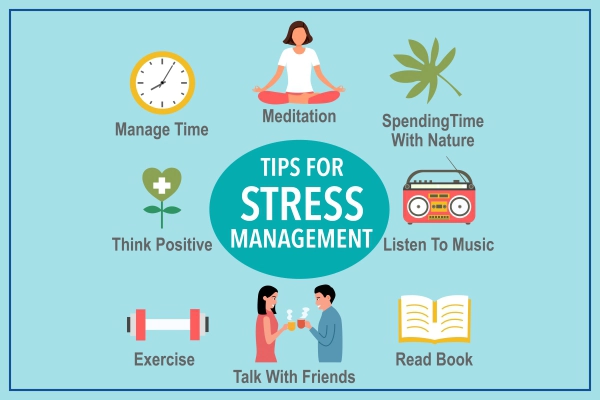
No matter what you do, there is no alternative to daily exercise that greatly improves your overall physical and mental health. When you are in your thirties, you need to actively take care of your health with intentional approaches such as regular workouts, which help to improve your blood circulation, mobility, joint health, cardiac health, as well as your nervous system. Besides, good health is also good money, as you do not have to spend it on healthcare and other issues. While exercise might not stop terminal diseases from happening, it can still protect you from a lot of illness that can occur early if you do not exercise.
- Focus on a Balanced and Nutritious Diet
They say “you are what you eat,” and in that case, you are fried snacks, sugar, and cheese. In our youth, we are more likely to eat everything we want, whether it is having a tub of ice cream in the middle of the night or eating cheese-burst pizza all alone. However, your digestive system gets weaker as you grow older, and in your 30s, you should eat balanced and healthy food that offers more nutrients and fewer calories. Starting with vegetables, seeds, fruits, and healthy protein, you should eat food that replenishes and provides energy while improving immunity and digestion.
- Meditation Can Help to Reduce Stress
Meditation is an ancient yogic practice that emerged from India and spread all over the world with its effectiveness and simplicity. Even though it is a simple breathing practice, there are various benefits of meditation, and it is recommended for everyone who is dealing with stress and anxiety. Meditation helps to bring peace of mind by emptying it of anxious thoughts. Even meditation requires professional help, and you can find it very difficult on the first day. With regular practice, you can extend the time of meditation and cater to your mental, physical, and emotional well-being.
- Try Cold Exposure Therapy
You might have already seen the videos where a person jumps into frozen lakes or takes a dive in the ice-filled tubes. While extreme cold can put us in hypothermia, cold exposure therapy with balanced parameters can actually help your body heal. It is widely used among athletes to cool their bodies and boost immunity, along with improved blood circulation. It is good for your skin too, as long as you are not staying too long in the icy water. It reduces stress and also improves metabolism and helps to create more mental resilience, which makes you more adaptable in every situation.
- Prioritize Good-quality Sleep
There is nothing more underrated than good sleep, as people think it is okay to skip a few hours of sleep for a favorite web series or an important assignment at the office. Well, an adult needs around 7 to 8 hours of good sleep every day, and when you sleep for fewer hours, you get sleep-deprived, and it makes you drowsy while hampering your cognitive functions. To avoid mental health issues as well as physical diseases, try to sleep early intentionally so that you can complete the daily quota and start fresh the next day. Good-quality sleep will help you rejuvenate like nothing else.
- You Can Try Intermittent Fasting
Have you ever tried intermittent fasting? It is like fasting, but only for half of the day, which means a gap of 12 to 16 hours or 8 hours if you cannot last that long. Fasting does not make you starve; it is rather an ancient technique that heals your body from the inside. Medical experts claim that fasting can help to promote weight loss, improve metabolic health, increase cellular repair processes, and also support brain health. There are some protocols you need to follow, but the results are quite evident and impactful.
- Always Stay Hydrated
Hydration should not be taken lightly just because you have plenty of water and privilege. A lot of adults fail to meet their daily quota of drinking water due to bad habits or because some people are simply too ignorant. An adult needs around 3 to 4 liters of water every day, which means 3 to 4 bottles or 8 glasses of water throughout the whole day. This is not a huge quota, but rather a mandatory one to maintain your physical and mental well-being. Our body is 70% made of fluid, and water can help maintain the consistency and viscosity that our body needs for circulation.
- Focus on Only What You Can Control
Whether you are a control freak or not, you might try to control many incidents in life. In life, we should only try to control what we can instead of the things that are not in our hands in the first place. For example, you cannot control a storm from happening, but what you can control is your decision to go out or not. Stop wasting time and money on the things and people that do not add to your life. Remember, it is your main story, not others’, and so you have the control of being a protagonist who can make your own decisions. However, the protagonist does not necessarily write destiny; it shapes it.
- Cultivate Empathy and Compassion
If you boast of being a human and the best creature in this world, try to cultivate empathy and compassion for others, which is one of the greatest humane values that define us. If your mind only brews hatred and other negative emotions for others, you are not a good human in the first place. However, it can be changed with the right practices and gratitude, which allow us to be humble and care for others. The path of empathy and compassion also leads to self-discovery, as you can understand others’ as well as your own emotions better. It is also known as ‘selfish wisdom,’ and it is absolutely not selfish.
- Embrace the Changes in Life
If there is anything constant in life, it is nothing but change. Change is inevitable, and it will happen whether you want it or not. Throughout your entire life, you will face many changes, and instead of fearing them, it is time to embrace them to deal with the situation even better. For example, the global pandemic changed our lives drastically, but we did not stop; rather, we embraced the change with remote working and digital advancement. The results are still noticeable, as the trends never faded and became an integral part of life. The same goes with the emergence of AI tools.
- Time to Cultivate Resilience
Resilience is something that makes us stronger and prepares us for going through the toughest situations in life. Life never goes as you plan it, and you should cultivate a resilient mind that stays unwavering in all situations. It is quite easy to get frustrated in life when you can vividly see the problems. A resilient mind can be built when you actively look for solutions. Resilience can help to turn discomfort into growth, and it changes obstacles and mistakes into lessons.
- Focus on Inner Value and Authenticity
Not everyone thinks in the same way, and that is okay, as you cannot change the mindset for everyone. However, it is important to stick to your inner values and ethics that allow you to stay authentic to yourself. It is important to focus on fostering a sense of self-worth and fulfilment. By shifting our focus towards internal values, personal growth, and meaningful connections, we can cultivate a sense of authenticity and inner peace that transcends external validation.
- Practice Daily Gratitude
Practicing gratitude means appreciating the good things in our lives, both big and small. It helps us focus on what we have instead of worrying about what we lack. We can practice gratitude by saying “thank you,” keeping a gratitude journal, or simply noticing the beauty around us. Being grateful for family, friends, health, nature, and everyday experiences can make us happier and more positive. Gratitude also strengthens relationships because people feel valued when we appreciate them. Even during difficult times, finding something to be thankful for can give us hope and peace. Therefore, practicing gratitude is a simple habit that can improve our lives.
- Avoid Chasing Social Status
Avoiding social status means not judging people by their wealth, position, popularity, or appearance. In society, people are often treated differently because of their jobs, education, money, or influence. However, everyone deserves equal respect and kindness. We should focus on a person’s character, values, and actions rather than their social standing. Avoiding the desire to show off or compete for status can also bring peace and happiness. It helps us build genuine relationships based on trust and understanding. When we treat everyone equally, we create a more caring and respectful society. True success comes from being a good human being, not from social status.
- Humor is the Greatest Medicine
Humor is a powerful tool that can make life easier and more enjoyable. It helps people relax, reduces stress, and creates a friendly atmosphere. A good sense of humor can also improve communication because people often respond positively to laughter. Teachers can use humor to make lessons interesting, while leaders can use it to connect with others. Humor can help us face difficult situations with courage and a positive attitude. However, it should be used carefully and never to hurt or insult others. When used wisely, humor brings people together, strengthens relationships, and makes challenges easier to handle. It is a simple tool with great value.
- Focus on Mindfulness
Mindfulness is the practice of paying full attention to the present moment without judging our thoughts or feelings. It helps us become aware of what is happening around us and within us. By practicing mindfulness, we can reduce stress, improve concentration, and develop emotional balance. Simple activities like deep breathing, meditation, mindful walking, or eating slowly can help us stay present. Mindfulness teaches us not to worry too much about the past or future. Instead, we learn to appreciate the present and respond calmly to challenges. Regular mindfulness practice can improve our mental well-being, relationships, and overall quality of life.
- Create Meaningful Relations
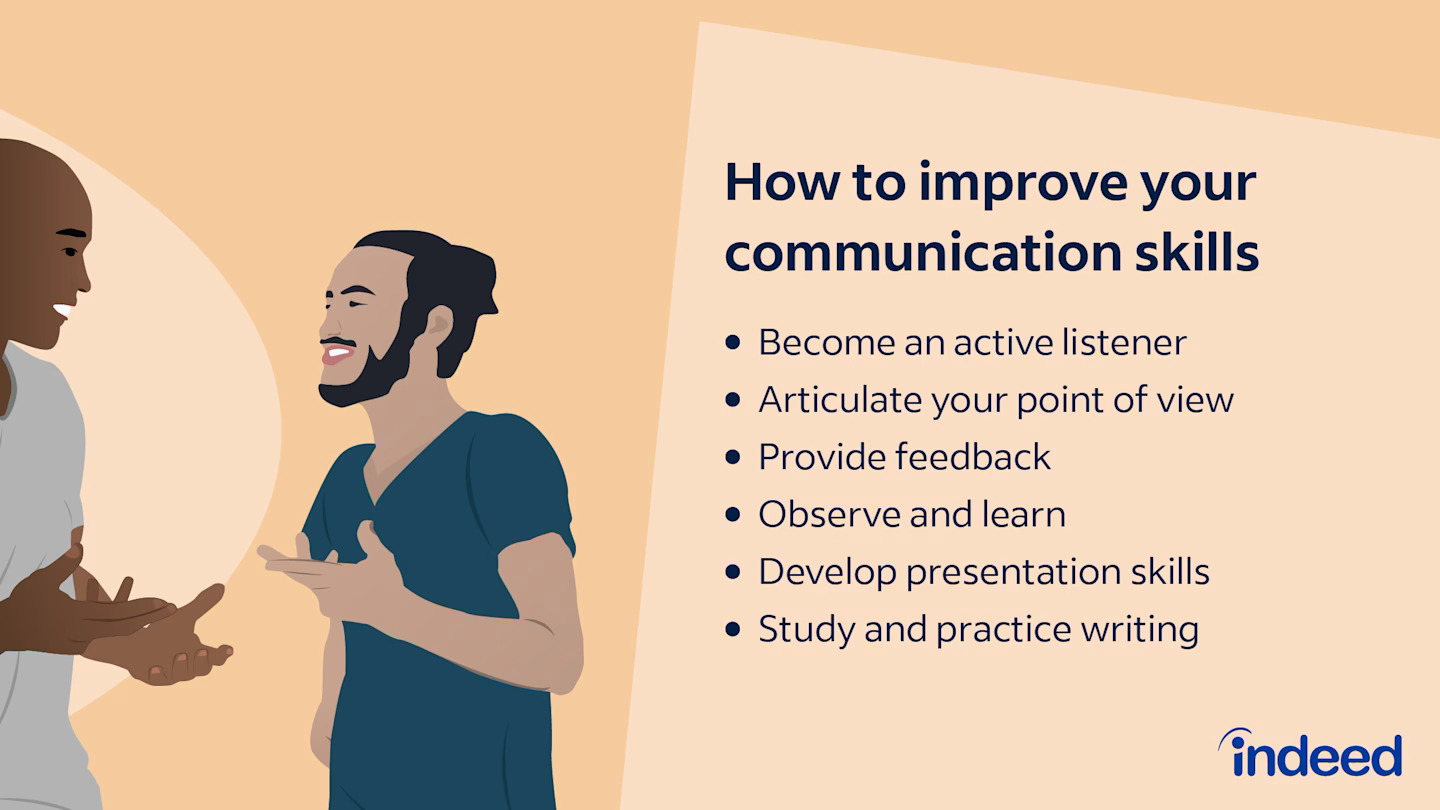
Meaningful relationships are an important part of a happy and fulfilling life. They are built on trust, respect, honesty, kindness, and understanding. To create meaningful relationships, we should listen carefully, communicate openly, and support others during both good and difficult times. Spending quality time together helps strengthen emotional connections. It is also important to respect differences and forgive mistakes. Genuine relationships are not based on money, status, or personal benefits, but on mutual care and appreciation. When we value people for who they truly are, we create strong and lasting bonds. Meaningful relationships give us comfort, happiness, encouragement, and a sense of belonging.