If you are willing to improve your self-esteem, the right steps can lead you to achieve a better result. The tips can help you to grow in a hassle-free way.

Self-esteem plays an important role in shaping how you think about yourself. build relationships, handle challenges, and make everyday decisions. Your self-esteem can influence how you recognize your strengths, respond to criticism, overcome setbacks, and approach new opportunities. Having healthy self-esteem allows you to appreciate your abilities, accept your imperfections, and feel confident about your personal worth. You can gradually strengthen it through consistent habits, positive thinking, self-awareness, and healthy lifestyle choices. Small actions, such as recognizing your achievements, setting realistic goals, practicing self-compassion, and surrounding yourself with supportive people, can make a meaningful difference. If you are trying to boost your self-esteem, then following some effective steps can help you a lot. Here are some of them that can be useful for you-
- Practice positive self-talk:
The way you speak to yourself can significantly influence your self-esteem. Negative self-talk often involves criticising your abilities, questioning your decisions, or assuming that you will fail before attempting something new. For example, instead of thinking, ‘I am not good enough to do this,’ try telling yourself, ‘I can learn and improve with practice.’ Similarly, replace thoughts such as ‘I always make mistakes’ with ‘Mistakes help me understand what I need to improve.’ Positive self-talk does not require you to ignore difficulties or pretend everything is perfect. It involves approaching yourself with encouragement, patience, and realistic expectations. Whenever you notice negative thoughts, pause and question whether they are based on facts or assumptions. Try replacing exaggerated criticism with more balanced statements. Over time, this habit can help you develop a healthier internal dialogue and become more confident in your abilities.
- Recognize your strengths:
One of the first steps towards improving self-esteem is recognising your strengths and appreciating what makes you unique. Many people spend so much time focusing on their weaknesses that they overlook the abilities, qualities, and experiences that make them valuable. Take some time to identify what you do well. These strengths may include communication, problem-solving, creativity, patience, leadership, organisation, or the ability to support others. You do not need to possess extraordinary talents to appreciate your capabilities. Even small personal qualities deserve recognition. Make a list of your strengths and revisit it whenever you feel discouraged or uncertain about yourself. You can also ask trusted friends, family members, or colleagues what they appreciate about you. Remember that recognising your strengths does not mean ignoring your weaknesses. It means developing a balanced understanding of yourself instead of allowing your shortcomings to define your identity.
- Stop comparing yourself with others:
Constantly comparing yourself with other people can damage your self-esteem. Social media, professional competition, and societal expectations often create the impression that everyone else is more successful, attractive, talented, or financially secure. However, you rarely see the complete picture of another person’s life. Social media generally highlights achievements and enjoyable experiences while leaving out personal struggles, failures, and everyday difficulties. Instead of measuring your worth against someone else’s progress, focus on your own development. Recognise the improvements you have made, the challenges you have overcome, and the goals you are working towards. Remember that everyone follows a different path. Your achievements do not become less meaningful simply because someone else has reached a particular milestone earlier. Use other people’s success as inspiration rather than a reason to criticise yourself. Concentrating on your own journey can help you develop greater confidence and appreciation for your progress.
- Celebrate your small achievements:
People often wait until they accomplish something significant before allowing themselves to feel proud. However, self-esteem can also grow through recognising small achievements and everyday progress. Completing a difficult assignment, maintaining a healthy routine, learning something new, managing a stressful situation, or speaking confidently during a meeting are all meaningful accomplishments. Make it a habit to acknowledge these moments instead of immediately moving on to the next responsibility. You can maintain a daily journal where you record three things you accomplished or handled well. Celebrating small achievements does not mean becoming overly satisfied with your current abilities. It means appreciating the effort you have invested and recognising that progress happens gradually. When you regularly acknowledge your accomplishments, you become more aware of your capabilities. This can help reduce self-doubt and encourage you to continue working towards larger goals.
- Set realistic personal goals:
Setting realistic goals gives you a sense of direction and allows you to recognise your progress. When you establish achievable objectives and work towards them consistently, you begin developing confidence in your ability to make positive changes. Start by identifying what you want to accomplish in different areas of your life. These goals may involve improving your health, learning a new skill, developing professionally, managing your finances, or strengthening personal relationships. Break larger objectives into smaller, manageable steps. For example, if you want to become better at public speaking, begin by practising in front of a mirror before gradually speaking to a small group. Avoid setting unrealistic expectations that create unnecessary pressure. Your goals should challenge you without making you feel overwhelmed. Celebrate each milestone, regardless of its size. Every completed task provides an opportunity to recognise your effort and reinforce your belief in your abilities.
- Learn to accept your imperfections:
Nobody is perfect, and expecting yourself to meet unrealistic standards can negatively affect your self-esteem. Everyone has weaknesses, makes mistakes, and experiences situations they wish they had handled differently. Instead of constantly criticising yourself for your imperfections, learn to accept them as part of being human. Acceptance does not mean avoiding responsibility or refusing to improve. It means understanding that your mistakes and limitations do not determine your entire worth. For example, if you struggle with time management, recognise the problem and work towards developing better organisational habits. Do not allow one weakness to convince you that you are incapable of succeeding in other areas. Focus on becoming a better version of yourself rather than trying to become someone who never makes mistakes. When you accept yourself more fully, you can approach personal growth with greater confidence, patience, and emotional stability.
- Take care of your physical health:
Physical well-being and self-esteem are closely connected. When you take care of your body, you may experience improvements in energy, mood, sleep quality, and overall confidence. Develop healthy habits that support your physical well-being. Eat a balanced diet containing fruits, vegetables, whole grains, protein, and healthy fats. Stay hydrated throughout the day and maintain a consistent sleep schedule. Regular physical activity is equally important. Walking, cycling, swimming, dancing, yoga, or strength training can help improve physical fitness and support emotional well-being. You do not need to follow an intense workout routine or achieve a particular body shape to feel good about yourself. Focus on activities that make you feel healthy, comfortable, and energetic. Taking care of your physical health sends a positive message that your well-being matters. This can gradually strengthen your relationship with yourself.
- Step outside of your comfort zone:
Staying within your comfort zone may feel safe, but avoiding unfamiliar situations can limit your opportunities to develop confidence. Trying new experiences allows you to discover abilities you may not have recognised before. It also teaches you how to manage uncertainty and respond to challenges. Start with small activities that make you slightly uncomfortable. You could introduce yourself to someone new, participate in a group discussion, learn a new hobby, attend an event alone, or volunteer for a challenging assignment. You do not need to make dramatic changes immediately. Take manageable steps and gradually increase the difficulty as your confidence improves. Even when an experience does not go exactly as planned, you gain valuable knowledge about yourself. Every time you attempt something unfamiliar, you demonstrate that you are capable of learning and adapting. These experiences can gradually reduce self-doubt and strengthen your belief in your abilities.
- Surround yourself with supportive people:
The people you spend time with can influence how you see yourself. Supportive relationships encourage personal development, while consistently negative interactions may contribute to insecurity and self-doubt. Spend more time with people who respect your opinions, appreciate your efforts, encourage your goals, and make you feel comfortable being yourself. Healthy relationships allow you to express your thoughts without constantly worrying about being judged. They also provide emotional support during challenging situations. At the same time, recognise relationships that involve repeated criticism, manipulation, disrespect, or unnecessary competition. Consider setting appropriate boundaries when interactions begin affecting your emotional well-being. You cannot control everyone’s behaviour, but you can make thoughtful decisions about how much time and energy you invest in different relationships. Building a supportive social environment can help you feel valued, understood, and more confident in your personal abilities.
- Practice self-compassion:
Self-compassion means treating yourself with the same kindness and understanding that you would offer someone you care about. When you experience failure, disappointment, or embarrassment, it is easy to become overly critical. You may repeatedly think about what went wrong or blame yourself for not performing better. Instead of responding with harsh judgement, acknowledge your feelings and recognise that difficult experiences are part of life. For example, if you make a mistake at work, allow yourself to feel disappointed without concluding that you are incompetent. Identify what you can learn from the experience and consider how you can handle a similar situation differently. Self-compassion also involves recognising your emotional needs, allowing yourself to rest, and accepting that you cannot always perform at your best. Being kind to yourself does not make you less ambitious. It helps you pursue improvement without damaging your emotional well-being.
- Develop new skills:
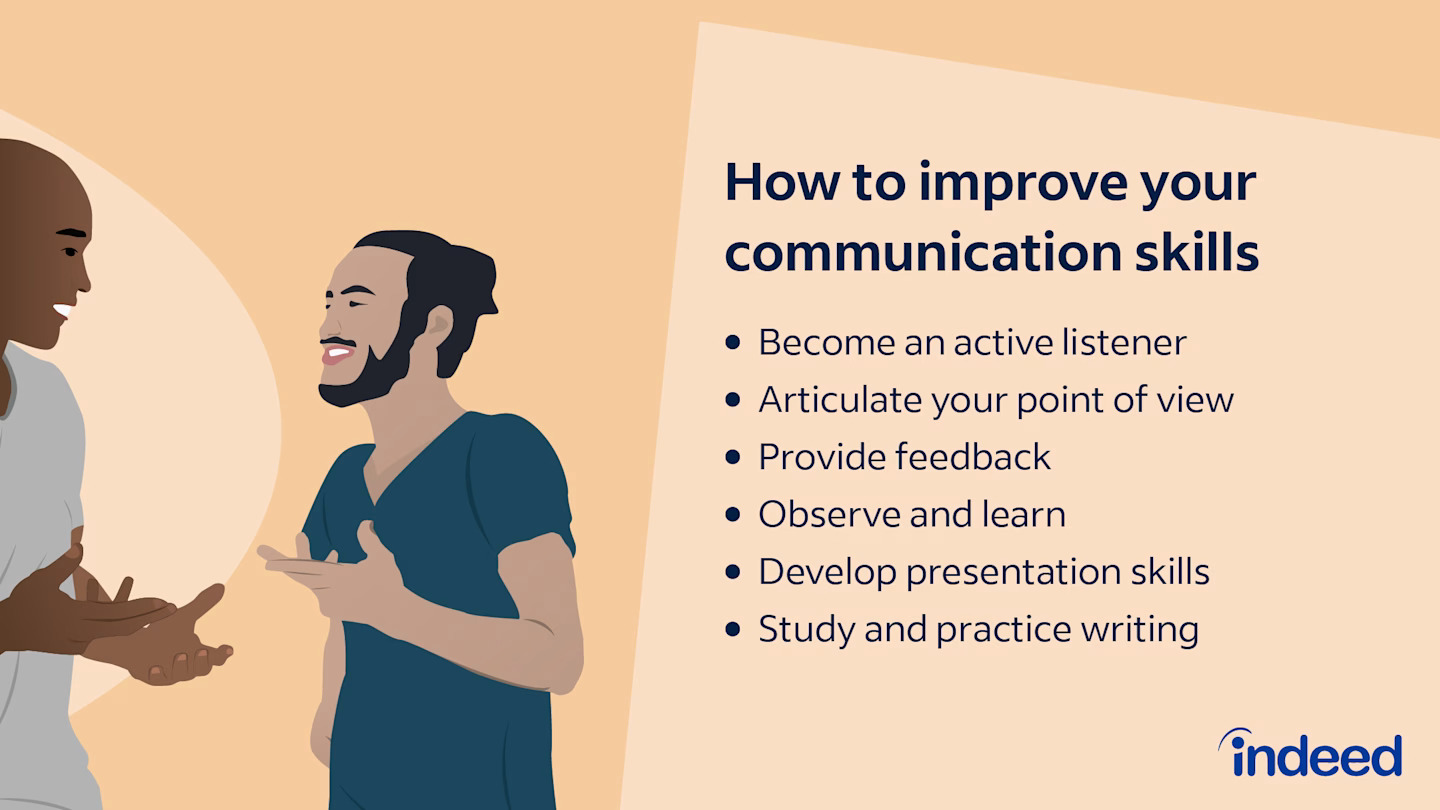
Learning new skills can improve your self-esteem by helping you recognise your ability to grow and accomplish meaningful goals. Choose an area that interests you or supports your personal and professional development. You could learn a language, improve your communication skills, develop digital knowledge, practise cooking, explore photography, or learn a musical instrument. Start with beginner-friendly resources, online courses, books, or practical workshops. Set aside a little time each day or week to practise. Remember that learning something new involves making mistakes and experiencing moments of frustration. Avoid expecting immediate results. Instead, focus on consistent improvement. As your knowledge and abilities develop, you may feel more comfortable taking on unfamiliar responsibilities and exploring new opportunities. The process of learning also reminds you that your current abilities are not permanent limitations. With patience and effort, you can continue discovering what you are capable of achieving.
- Maintain good personal hygiene:
Personal hygiene and grooming habits can influence how comfortable and confident you feel in everyday situations. Simple activities such as taking regular showers, brushing your teeth, maintaining clean hair, wearing fresh clothes, and keeping your nails clean can help you feel refreshed and prepared for the day. Choose clothing that fits comfortably and makes you feel confident. You do not need expensive outfits or fashionable accessories to maintain a neat appearance. Develop a personal care routine that suits your lifestyle and needs. This may include skincare, haircare, oral hygiene, and regular grooming. The purpose of personal care is not to meet unrealistic beauty standards or seek approval from others. It is to demonstrate respect for your own comfort and well-being. When you feel clean, organised, and comfortable with your appearance, you may find it easier to participate confidently in social and professional situations.
- Focus on your progress and not perfection:
Perfectionism can create unrealistic expectations that make it difficult to appreciate your accomplishments. You may constantly feel dissatisfied because your performance does not match an ideal standard. Instead of expecting perfect results, focus on making consistent progress. For example, if you are developing a fitness routine, completing a manageable workout several times a week is more valuable than creating an intense schedule that you cannot maintain. Similarly, if you are learning a new skill, appreciate gradual improvements rather than expecting yourself to become an expert immediately. Allow yourself to make mistakes and adjust your approach when necessary. Progress is rarely a straight line. Some days will be more productive than others, and occasional setbacks do not erase your achievements. When you concentrate on improvement instead of perfection, you can reduce unnecessary pressure and develop a healthier sense of accomplishment.
- Learn to say no:
Trying to please everyone can negatively affect your self-esteem. You may agree to responsibilities you do not have time for, ignore your personal needs, or avoid expressing your opinions because you fear disappointing someone. Learning to say no is an important part of respecting yourself. Understand that you are not required to accept every invitation, request, or responsibility. Consider your priorities, available time, emotional capacity, and personal boundaries before making commitments. You can decline politely without providing lengthy explanations. For example, saying, ‘I appreciate the offer, but I cannot take this on right now,’ is often sufficient. Setting boundaries does not mean being rude or selfish. It means recognising that your time, energy, and well-being are important. When you become comfortable expressing your limits, you may feel more in control of your decisions and less dependent on other people’s approval.
- Keep a gratitude journal:
Practising gratitude can help shift your attention towards positive aspects of your life. When you regularly recognise what you appreciate, you may develop a more balanced perspective about yourself and your experiences. Maintain a gratitude journal and write down three things you are thankful for each day. These may include supportive relationships, personal achievements, good health, enjoyable experiences, or opportunities to learn. You can also include things you appreciate about yourself, such as your patience, determination, creativity, or ability to handle difficult situations. Your entries do not need to describe extraordinary events. Even small moments, such as enjoying a peaceful morning or completing an important task, deserve recognition. Revisit your journal whenever you experience self-doubt or feel discouraged. Gratitude does not eliminate life’s challenges, but it can encourage you to recognise positive experiences and personal qualities that might otherwise go unnoticed.
- Work on your body language:
Body language influences how you communicate with others and how comfortable you feel in social situations. Although confident body language does not automatically create self-esteem, practising positive communication habits can help you feel more prepared and composed. Maintain a comfortable posture, keep your shoulders relaxed, and avoid constantly looking down when speaking with someone. Make natural eye contact without forcing yourself to stare. When participating in conversations, use appropriate facial expressions, listen attentively, and speak at a comfortable pace. You can practise these habits in everyday interactions, including conversations with colleagues, friends, family members, and unfamiliar people. Avoid comparing your body language with someone else’s. Different people communicate differently, and you do not need to imitate an outgoing personality to appear confident. Focus on becoming comfortable with your own communication style while developing habits that help you express yourself clearly.
- Take responsibility for your decisions:
Developing self-esteem involves learning to trust your judgement and take responsibility for your choices. When you constantly depend on others to make decisions for you, you may begin doubting your ability to manage everyday situations independently. Start by making small decisions without seeking unnecessary reassurance. These could involve planning your schedule, choosing a learning activity, managing your expenses, or deciding how to approach a particular task. Before making important decisions, consider the available information, possible outcomes, and your personal priorities. Understand that taking responsibility does not mean you will always make the right choice. Everyone makes decisions that sometimes lead to unexpected results. When something does not work out, examine what happened and learn from the experience rather than blaming yourself endlessly. Trusting your judgment and accepting responsibility can help you become more independent and confident.
- Accept compliments gracefully:
Many people find it difficult to accept compliments because they feel uncomfortable receiving positive attention or believe they do not deserve appreciation. For example, when someone praises your work, you may immediately dismiss the achievement or point out something you could have done better. Although humility is valuable, constantly rejecting compliments can reinforce negative beliefs about yourself. Practise accepting positive feedback without making excuses or minimising your accomplishments. A simple ‘Thank you, I appreciate that’ is enough. You can also take a moment to reflect on the qualities or efforts that led someone to appreciate you. Not every compliment needs to determine how you feel about yourself. However, learning to receive genuine appreciation can help you recognise your strengths more comfortably. Allow yourself to acknowledge positive feedback without feeling guilty or believing that accepting praise makes you arrogant.
- Reduce your dependence on external validation:
Seeking approval from others is a natural human behavior. However, constantly depending on praise, attention, or acceptance to feel worthy can make your self-esteem unstable. You may begin changing your opinions, appearance, interests, or decisions simply to gain approval. Instead, develop personal standards that are based on your values and priorities. Ask yourself whether your decisions reflect what matters to you rather than whether everyone will appreciate them. Recognise your achievements even when nobody else notices them. Appreciate your efforts without waiting for someone to congratulate you. It is perfectly normal to value encouragement and constructive feedback. The important thing is to avoid making other people’s opinions the only measure of your worth. When you develop internal sources of validation, you become better equipped to handle criticism, disagreement, and situations where others do not understand your choices.
When you are trying to improve your self-esteem, following these steps can be really helpful. Thus, pay attention to these for a satisfying outcome.