Self-confidence plays a significant role in your life, and you should not avoid it. Follow the right steps to enhance your confidence in an effortless manner.
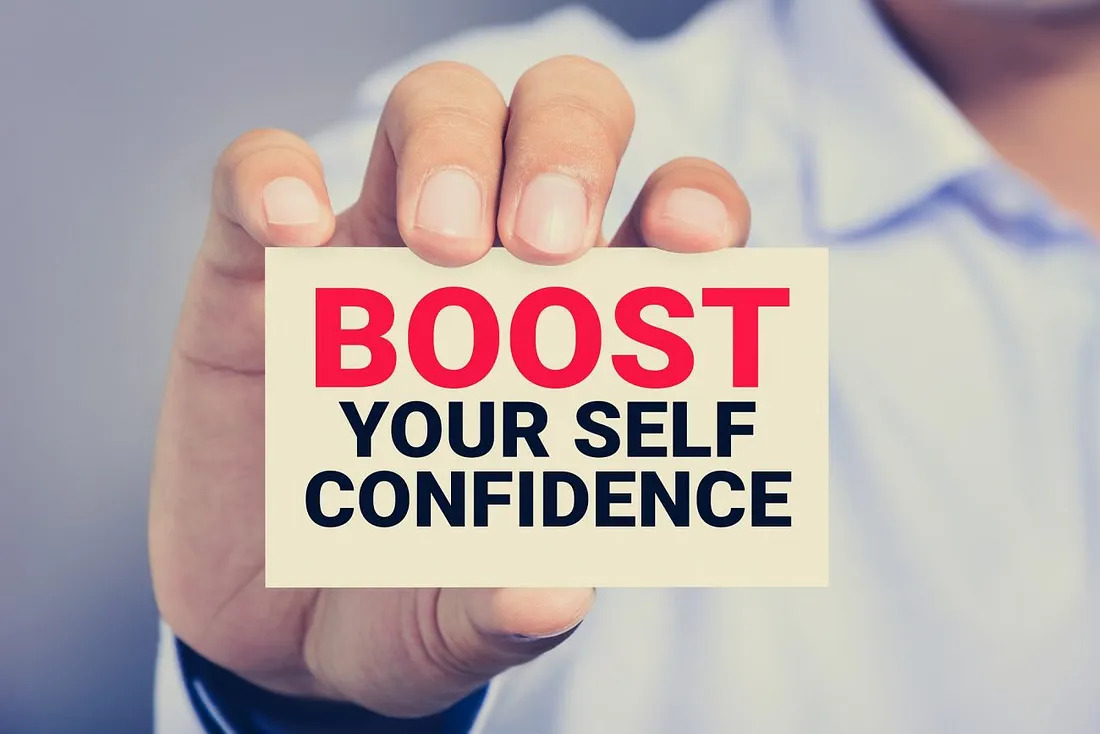
Self-confidence is one of the most important factors that shapes how you think, behave, interact, and make decisions. It is the belief that you have the ability to handle challenges, learn new skills, express your opinions, and work towards your goals. Whether you are preparing for a job interview, starting a new business, building relationships, or pursuing personal ambitions, having confidence in yourself can make a significant difference in how you approach opportunities and overcome obstacles. That is why paying more attention to self-confidence is considered one of the most essential elements.
It is seen that self-confidence doesn’t always come naturally. Many people are out there who struggle a lot with fear of failure, self-doubt, negative self-talk, and more. All these can make a deep impact on your thinking process and personality. That is why it is important to build self-confidence. Building self-confidence does not mean believing that you are perfect or that you will never make mistakes. Instead, it means trusting yourself enough to face uncertainty, accept imperfections, and keep moving forward. Small improvements in your daily routine can gradually transform the way you see yourself. Here are a few effective steps that can be really helpful for you-
- Recognize your strengths:
While boosting self-confidence, you must pay more attention to learning what you are capable of. most of the people spend more time in understanding what they cannot do. When you think more about what you can’t do instead of what you are good at, you will not be able to improve your confidence. Take some time to identify the skills, qualities, and experiences that make you unique. You might be a good listener, an effective communicator, a creative thinker, or someone who remains calm under pressure. Write these strengths down and remind yourself of them whenever you experience self-doubt. Recognising your strengths does not mean ignoring areas that need improvement. It simply helps you develop a balanced understanding of yourself. When you acknowledge what you already do well, you become more willing to take on challenges and explore new opportunities. This specific step can help you improve your confidence in a much easier way.
- Set small and achievable goals:
Setting realistic goals can help build self-confidence by allowing you to experience success regularly. Every time you accomplish something you have planned, you strengthen your belief in your abilities and recognise the value of your efforts. Start with small, manageable goals that fit into your daily routine. For example, aim to complete a pending assignment, exercise for 20 minutes, read a few pages, or learn something new every day. As you achieve these goals, gradually increase their difficulty. Avoid setting unrealistic expectations that may create unnecessary stress or disappointment. Instead, focus on making consistent progress. Remember that every small achievement matters. Completing tasks and keeping promises to yourself can strengthen self-trust, improve motivation, and encourage you to take on bigger challenges with greater confidence.
- Stop comparing yourself with others:
Comparing yourself with others is a poor decision that you can make. If you constantly compare yourself with others and try to see what you are achieving and what other people are, then you will definitely get disappointed. You must understand that every individual’s life, upbringing, opportunities, financial stability, and lifestyle are different. Whatever you have achieved till now may be the best you can do from the place you belong. If you compare yourself with someone who has better conditions and opportunities in life, their achievements will be completely different from yours. It is really important that you stop comparing yourself with others. The more you do it, the more confident you will get. That is why it is really important to pay attention to this. Celebrate your improvements, regardless of how small they appear. When you stop competing with everyone around you, you create more space to appreciate your own journey.
- Step outside of your comfort zone:
When you are trying to enhance your confidence, you must get out of your comfort zone. Staying within your comfort zone may feel safe, but it can prevent you from discovering your true potential. Self-confidence grows when you challenge yourself to try unfamiliar activities and handle new situations. Start by identifying things you avoid because of fear or uncertainty. You might hesitate to speak during meetings, introduce yourself to new people, participate in public events, or apply for challenging opportunities. Choose one manageable activity and make an effort to complete it. You do not need to make significant changes overnight. Small steps, such as sharing your opinion in a group discussion or attending an unfamiliar event, can make a difference. Each time you face a challenge, you gain valuable experience, develop new skills, and learn to trust your abilities. Remember, feeling uncomfortable does not mean you are incapable of succeeding.
- Practice positive self-talk:
The way you speak to yourself can significantly influence your self-confidence. Constant negative thoughts, criticism, and fear can make you doubt your abilities and overlook your potential. Pay attention to your thoughts, especially when facing difficult situations. Instead of thinking, ‘I am not good enough,’ tell yourself, ‘I can learn what I need to handle this.’ Replace ‘I always fail’ with ‘I can improve by learning from my mistakes.’ Positive self-talk does not mean ignoring problems or pretending everything is perfect. It means approaching challenges with encouragement rather than unnecessary criticism. Make a habit of appreciating your efforts, acknowledging your achievements, and treating yourself with kindness. A supportive inner voice can help reduce self-doubt, improve your mindset, and encourage you to approach unfamiliar situations with greater confidence.
- Learn to accept compliments:
If you are someone who dismisses compliments immediately. A lot of people are out there who cannot take compliments easily. They always have a thought that they are not worthy of that compliment. It usually comes from a lack of confidence. Whenever people give a compliment, the first thing you think is that you are not the right person for the compliment. If you can bring a change to this attitude, then you will be able to improve your confidence. Instead of rejecting a compliment or immediately pointing out your flaws, simply say thank you. Allow yourself to appreciate the positive observation without feeling the need to justify it. Accepting compliments can gradually help you develop a healthier understanding of your strengths. You do not need to agree with every positive opinion about yourself, but you should avoid automatically dismissing genuine appreciation. If you can pay more attention to this, you will be able to improve your confidence in a much easier way.
- Take care of your physical health:
Your physical health can influence your mood, energy levels, and overall well-being. When you feel tired or uncomfortable, it may become difficult to maintain a positive mindset and approach daily challenges confidently. Develop healthy habits that support both your body and mind. Eat balanced meals, drink enough water, get adequate sleep, and include regular physical activity in your routine. Even a short daily walk can help improve your mood and reduce stress. Personal grooming and maintaining good hygiene can also make you feel more comfortable and confident about yourself. Choose clothes that fit well and reflect your personal style. Remember that your physical appearance does not determine your worth. Taking care of your health is about respecting your body, improving your well-being, and giving yourself the energy to handle everyday responsibilities with confidence.
- Work on your communication skills:
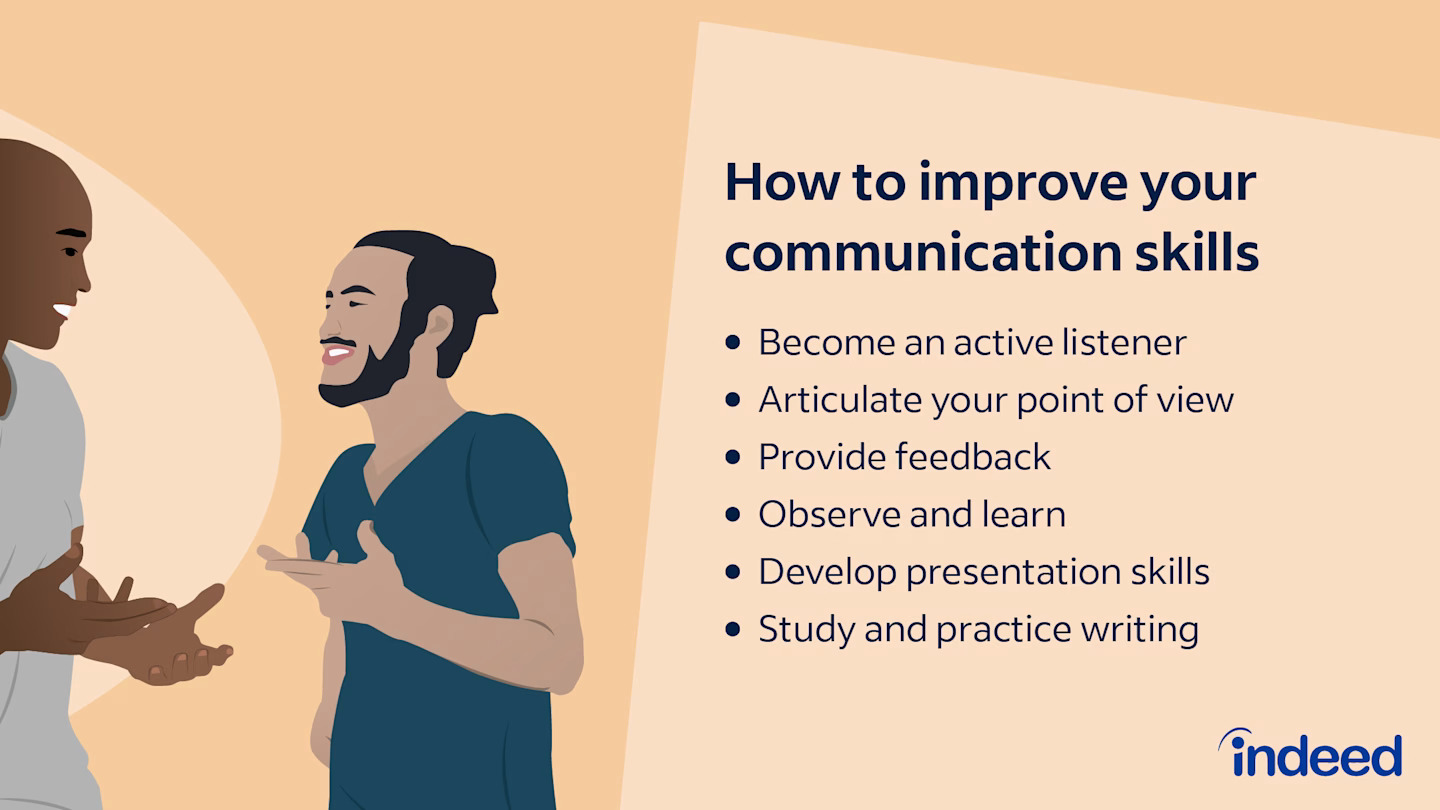
Communication skills can make a huge difference in your confidence. Effective communication can make you feel more confident. It is clear that communication skills are a specific skill that can influence both your professional and personal life. Whether you are participating in a meeting, talking to someone for the first time, or expressing your opinion. Communication skills are considered one of the most important factors. Practice speaking clearly, maintaining an appropriate tone, listening carefully, and organizing your thoughts before responding. If you feel nervous while speaking in front of others, practice conversations with friends or family members. If you pay more attention to reading regularly, listening carefully, and organizing your thoughts before responding, you will be able to improve your communication skills. Good communication is not about speaking continuously or having an impressive vocabulary. It is more about expressing your thoughts in the right manner and making people understand what you are saying. If you can improve on this, then you will be able to boost your confidence.
- Stop being afraid of failure:
Fear of failure is one of the biggest obstacles to self-confidence. When you constantly worry about making mistakes, you may avoid opportunities that could help you grow and discover your potential. Remember that failure is a normal part of learning and personal development. Everyone experiences setbacks, disappointments, and unexpected challenges while working towards success. Instead of treating failure as proof of your inability, consider it an opportunity to identify areas for improvement. Reflect on what went wrong, understand the lessons, and decide how you can approach similar situations differently. Accepting mistakes can help you become more resilient and willing to take risks. Confidence develops when you trust yourself to overcome setbacks, learn from experiences, and keep moving forward without giving up.
- Dress in a way that makes you feel good:
The clothes you wear can influence how comfortable and confident you feel throughout the day. Dressing appropriately for different occasions can help you feel prepared, presentable, and self-assured. You do not need expensive clothing or an extensive wardrobe to look good. Focus on wearing clean, comfortable outfits that fit properly and reflect your personality. Choose clothes that suit your workplace, social activities, and personal preferences. Pay attention to simple details such as grooming, footwear, and personal hygiene. These small habits can improve your appearance and make you feel more comfortable when interacting with others. Most importantly, dress for yourself rather than trying to impress everyone. Avoid unrealistic appearance standards and choose outfits that allow you to express your personality while feeling comfortable and confident.
- Maintain good body language:
Your body language can have a great influence on how people perceive you. It also makes an impact on how you feel about yourself. Slouching, avoiding eye contact, and constantly fidgeting may communicate nervousness, even when you have valuable ideas to share. Practise maintaining a comfortable posture, keeping your shoulders relaxed, and making natural eye contact during conversations. When speaking with someone, face them appropriately and avoid distracting movements. You do not need to force yourself into an exaggerated posture or maintain constant eye contact. The goal is to appear relaxed, attentive, and comfortable. Paying attention to your non-verbal communication can also make you more aware of your emotions. With regular practice, confident body language may help you feel more prepared during interviews, presentations, meetings, and social interactions. If you can make a small change in this, you will improve your confidence.
- Develop new skills:
Learning something new can boost your self-confidence by expanding your knowledge and abilities. Developing useful skills also prepares you to handle unfamiliar situations and explore new opportunities. Choose an area that interests you or supports your personal and professional goals. You could learn a new language, improve your writing, develop digital skills, practise photography, or explore a creative activity. Use online courses, books, workshops, tutorials, and practical experiences to improve your abilities. Set aside dedicated time each week for learning and practise regularly to strengthen your knowledge. Do not expect to master everything immediately. Focus on understanding the basics and making gradual progress. Every new skill you acquire gives you another reason to trust your abilities, recognise your potential, and approach challenges with greater confidence.
- Surround yourself with positive people:
Your thoughts, confidence, and attitude are also influenced by the people you spend most of your time with. Constant criticism, discouragement, and negative comments can gradually make you question your abilities. That is why, you must spend more time with people who believe in growth, appreciate others’ achievements, and respect opinions of others. Spend time with friends, family members, mentors, or colleagues who motivate you to become a better version of yourself. Supportive people do not always agree with everything you say. They can offer constructive criticism while still respecting your efforts and individuality. At the same time, learn to recognise relationships that repeatedly leave you feeling inadequate or emotionally drained. Establish healthy boundaries when necessary. Being surrounded by encouraging people can make it easier to believe in yourself and pursue your goals. It is a step that can be really useful for you.
- Keep promises you make to yourself:
Self-confidence is closely connected to self-trust. When you repeatedly make commitments to yourself but fail to follow through, you may gradually lose faith in your abilities. Start by making realistic promises that you can fulfil. Whether you decide to wake up earlier, exercise regularly, complete a project, or learn something new, create a practical plan and follow it consistently. Avoid making too many commitments at once. Focus on consistency rather than perfection. For example, if you want to develop a reading habit, begin with ten minutes daily instead of setting unrealistic expectations. Every small commitment you fulfil strengthens your sense of personal responsibility. Over time, keeping promises to yourself helps you trust your decisions, recognise your capabilities, and develop a stronger belief in your ability to achieve personal and professional goals.
- Maintain a gratitude journal:
Gratitude can help shift your attention from what is missing in your life to the positive experiences and qualities you already have. This practice can encourage a healthier mindset and improve your overall confidence. Start a gratitude journal and write down three things you appreciate each day. These could include personal achievements, supportive relationships, learning opportunities, good health, or simple moments that made you happy. You can also mention qualities you appreciate about yourself, such as patience, creativity, determination, or willingness to learn. Maintaining a gratitude journal helps you recognise your strengths and appreciate everyday experiences. It does not mean ignoring difficulties but encourages you to focus on the positives while continuing to work towards your personal and professional goals.
- Celebrate your achievements:
People often move from one goal to another without taking time to appreciate what they have accomplished. This habit can make them feel as though their efforts are never enough and prevent them from recognising their progress. Make an effort to acknowledge your achievements, regardless of their size. Completing a difficult assignment, learning a new skill, handling a stressful conversation, or overcoming a personal fear deserves recognition. You can maintain a journal to record your accomplishments or spend a few minutes every week reflecting on your progress. Share your happiness with supportive people and reward yourself for reaching meaningful milestones. Celebrating achievements does not mean becoming complacent. It means appreciating your hard work and determination. Recognising your successes regularly can strengthen self-belief, reduce self-doubt, and motivate you to pursue bigger goals with greater confidence.
- Practice public speaking:
Public speaking is a valuable skill that can help you build confidence in professional, academic, and social environments. Although speaking in front of an audience may feel intimidating, regular practice can make the experience easier and more comfortable. Start by speaking in front of a mirror or recording yourself while discussing a familiar topic. Pay attention to your clarity, speaking pace, posture, and tone. These small steps can help you identify areas that need improvement. Once you feel more comfortable, practise speaking in front of friends or family members. You can also participate in group discussions, presentations, workshops, or public-speaking clubs to gain experience. Do not focus on delivering a perfect performance every time. Instead, concentrate on expressing your ideas clearly and connecting with your audience. Learn to accept mistakes as part of the process. With consistent practice, you can become more comfortable sharing opinions, answering questions, and handling unexpected situations with confidence.
If you can pay more attention to the small steps and make some improvements, you will be able to enhance your confidence. The right steps can assist you in achieving a visible result. Remember, a confident attitude can have a significant influence on your personal and professional life. Thus, working on these can help you to grow much seamlessly.