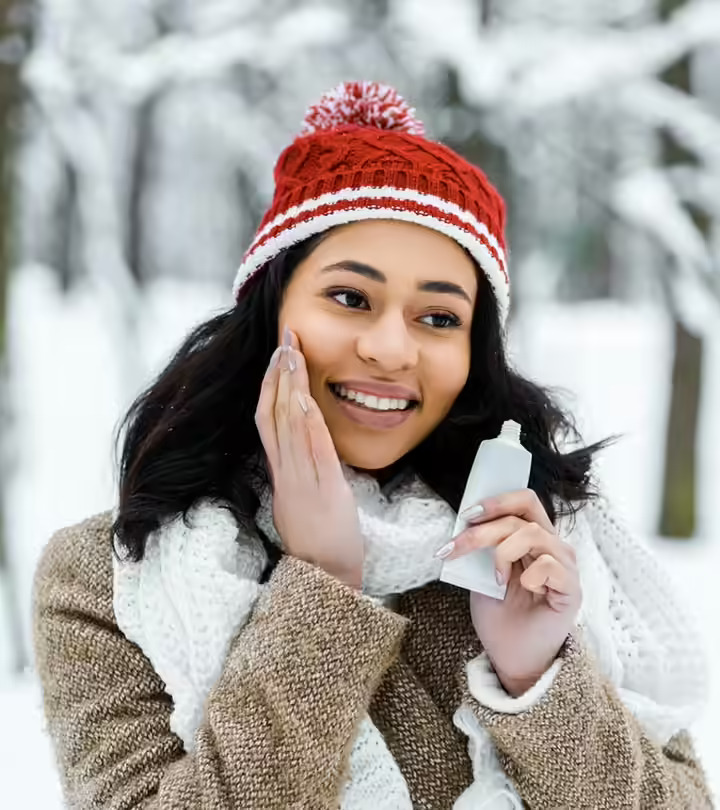
In winter, getting sick is quite common for everyone. Follow the right steps to prevent sickness during this weather and maintain a healthy body seamlessly.
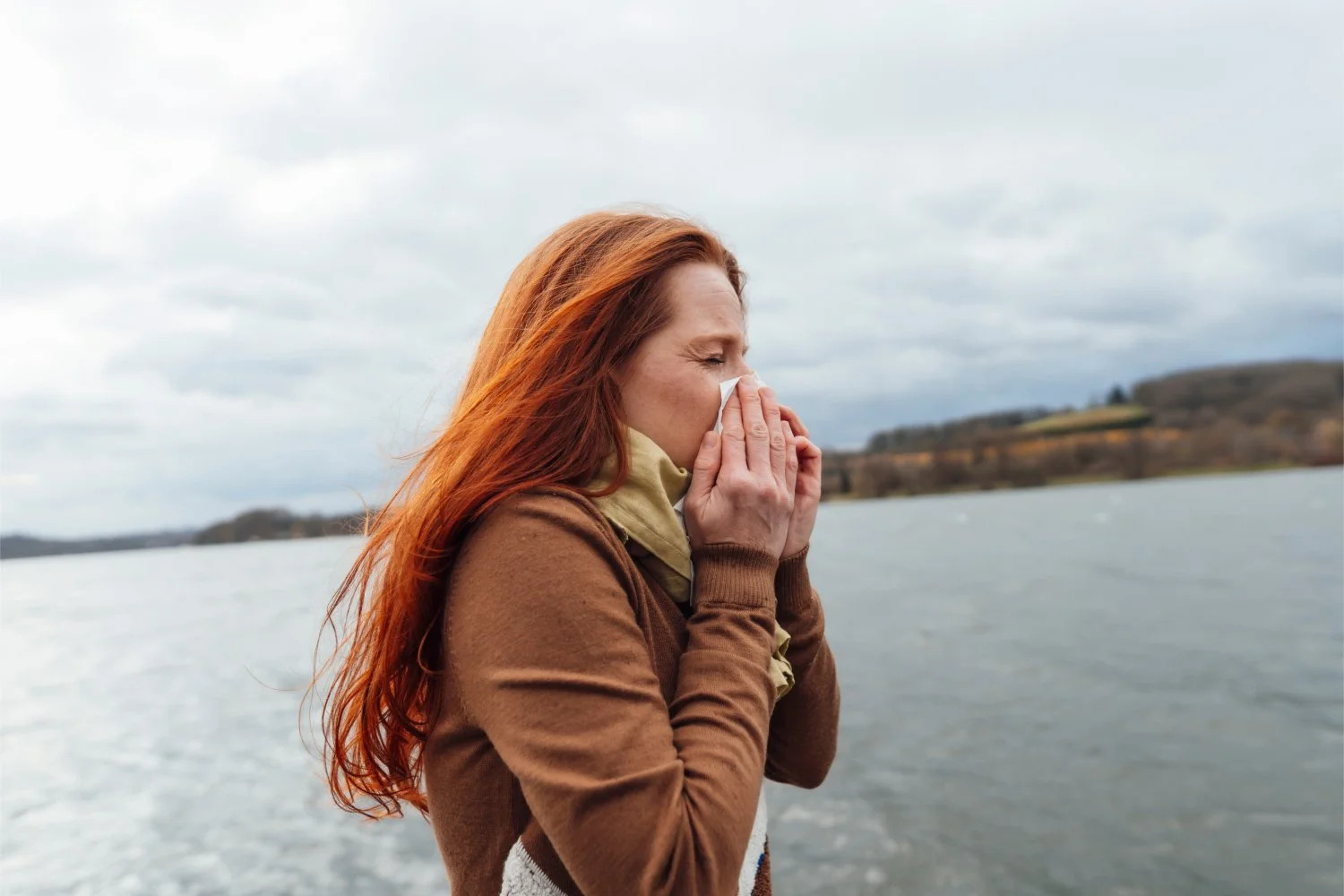
During winter, a common cold is one of the most widespread illnesses. Most of the people suffer a lot of cold. Symptoms like runny nose, sneezing, congestion, sore throat, and fatigue are seen in most of the people. All these might seem small, but they can really take a toll on your health. Most of the time, it is seen that people get such illnesses from a cold or from coming into close contact with an ill person. Thus, preventing it is quite difficult because it catches too quickly. Once you get sick during this time, recovering from it can get really difficult. That is why every individual needs to be a little protective about their health during this particular season. If you are someone who catches colds too quickly, you should take some precautions. This way, you will protect your health in a much easier manner. Here are a few simple steps that can be really helpful for you-
1. Avoid touching your face regularly:
We do not even know, but our hands carry a lot of viruses all the time. Unknowingly, we touch too many objects and surfaces that have viruses. If you continuously touch your face with your dirty hands, it is obvious that you will get contaminated with germs. That is why, when you are trying to protect your health, you must avoid touching your face frequently. It is one of the poor habits that can make you fall sick very easily. The eyes, nose, and mouth are particularly important because they contain mucous membranes that can provide entry points for infectious agents. If you need to touch your face, wash or sanitise your hands first. You can also develop alternative habits, such as using a clean tissue when your nose or eyes feel irritated. Being mindful of how often you touch your face can help reduce unnecessary exposure to germs. Being just a little cautious can help you prevent yourself from getting sick.
2. Wash your hands regularly:
One of the simplest and most effective ways to protect yourself from colds is to wash your hands regularly. Your hands come into contact with numerous surfaces throughout the day, including door handles, mobile phones, keyboards, shopping carts, and public transport equipment. These surfaces may carry respiratory viruses that can enter your body when you touch your eyes, nose, or mouth. Always pay attention to washing your hands with soap and clean running water. You must wash your hands before eating anything and touching sensitive areas on your face. While washing your hands, also consider washing the backs of your hands, fingers, and underneath your fingernails. This way, you will get to reduce the chance of getting infected. If soap and water are unavailable, use an alcohol-based hand sanitizer containing at least 60% alcohol. Maintaining hygiene is a great practice that can save you from falling sick.
3. Stay properly hydrated:
Drinking enough fluids is essential for maintaining overall health, especially during cold and dry weather. People often drink less water in winter because they feel less thirsty. However, the body continues to lose fluids through breathing, sweating, and other normal functions. Make it a habit to drink water regularly throughout the day. You can also include warm soups, broths, milk, and other nutritious beverages to maintain adequate fluid intake. Proper hydration helps prevent dehydration and supports the normal functioning of your body. It also keeps your throat comfortably moist and may help soothe irritation when you have a cold. Drinking sufficient fluids can also make mucus easier to clear. Instead of waiting until you feel thirsty, drink water at regular intervals to maintain healthy hydration levels.
4. Eat a nutritious diet:
A balanced diet provides essential nutrients that help your immune system function properly and support overall health. Your body needs vitamins, minerals, proteins, healthy fats, and carbohydrates to maintain normal immune responses. Include a variety of fruits, vegetables, whole grains, legumes, nuts, seeds, and protein-rich foods in your daily meals. Vitamin C-rich foods such as oranges, lemons, guavas, strawberries, and bell peppers contribute to normal immune function. Similarly, foods containing vitamin A, vitamin E, zinc, and iron support different aspects of immune health. Avoid relying on a single food or ingredient to prevent colds, as no particular food guarantees protection against respiratory infections. Instead, focus on maintaining a varied and nutritious diet. Consistent healthy eating helps your body respond to infections and supports recovery when you become unwell.
5. Avoid close contact with sick individuals:
During winter, one of the common causes of getting sick is getting into closer contact with an infected person. Respiratory viruses can spread through respiratory particles released when an infected person coughs, sneezes, talks, or breathes. If someone in your household, workplace, or social circle has symptoms such as coughing, sneezing, or a runny nose, try to maintain some distance when possible. Avoid sharing personal items such as drinking glasses, towels, utensils, and handkerchiefs. If you are suddenly feeling unwell, then you must limit close contact with the other person. It will help you to reduce the chance of falling sick. You do not need to avoid everyone who has a cold, but taking sensible precautions can help reduce exposure, particularly around older adults, young children, and people with weakened immune systems. Following this step is necessary if you are trying to protect your health.
6. Get seven to nine hours of sleep:
Quality sleep plays an important role in supporting your immune system and maintaining overall health. During sleep, your body carries out essential processes that help regulate immune responses and support physical recovery. Insufficient sleep can affect your body’s ability to respond effectively to infections and may increase vulnerability to illnesses. Most adults should aim for seven to nine hours of quality sleep every night, while children and teenagers generally require more depending on their age. Maintain a consistent bedtime and wake-up schedule, even during weekends. Keep your bedroom dark, quiet, and comfortable to encourage restful sleep. Avoid excessive screen exposure before bedtime and limit caffeine consumption in the evening. Prioritising adequate sleep helps your body function properly, supports natural immune defences, and promotes better health throughout the cold and flu season.
7. Wear a mask in crowded places:
Wearing a mask in a crowded place is a safe decision. When you are traveling or using public transport, you do not who is carrying which viruses. In indoor environments, the chances of getting exposed to respiratory particles are much higher. This can make you fall sick much more easily. Masks can also help prevent infected individuals from spreading respiratory particles to others. Make sure your mask covers both your nose and mouth. Avoid repeatedly touching its front surface, and replace disposable masks when they become wet, dirty, or damaged. Although masks cannot eliminate every risk, they can be a useful additional precaution. However, using a mask can help you reduce the chances of getting sick. Thus, it is a step that can be really helpful for you.
8. Improve indoor ventilation:
Spending extended periods in enclosed spaces with limited airflow can increase exposure to respiratory particles released by infected individuals. Improving indoor ventilation helps replace stale air with fresh outdoor air and reduces the concentration of airborne particles. Whenever possible, open windows and doors to encourage natural airflow. If you use an air-conditioning system, ensure it is properly maintained, and its filters are cleaned or replaced regularly according to the manufacturer’s recommendations. You can also consider using air purifiers equipped with appropriately sized HEPA filters to reduce airborne particles indoors. Pay particular attention to ventilation in bedrooms, offices, classrooms, and shared living spaces. Good airflow is especially important during winter when people tend to keep windows closed and spend more time indoors. Maintaining proper ventilation can help create a healthier indoor environment and reduce exposure to respiratory infections.
9. Keep your living space clean:
Maintaining a clean home help reduce the spread of germs and creates a healthier living environment. Frequently touched surfaces, such as doorknobs, light switches, tables, remote controls, mobile phones, and kitchen counters, should be cleaned regularly. Use suitable household cleaning products according to their instructions, paying particular attention to surfaces frequently handled by family members. Keep your kitchen and bathroom clean, wash used towels regularly, and avoid allowing dirty dishes or household waste to accumulate. If someone at home has a cold, increase the frequency of cleaning commonly touched surfaces to reduce potential exposure to germs. You should also encourage everyone to follow proper hand hygiene. Remember that cleaning alone cannot prevent respiratory infections. Combining regular household cleaning with proper handwashing and good indoor ventilation provides a more effective approach to maintaining a hygienic home.
10. Avoid sharing personal items:
Sharing personal items is a big mistake that you shouldn’t do at any cost. Sharing personal belongings can increase the chance of transferring germs between individuals. Items such as water bottles, drinking glasses, spoons, towels, toothbrushes, lip balms, and handkerchiefs should be used individually. This precaution becomes particularly important when someone in your household has a respiratory infection. If you live with your family, then you must ensure that everyone has their separate drinking glasses, bottles, handkerchiefs, and more. These will help you prevent any kind of contamination. Although respiratory viruses primarily spread through respiratory particles, avoiding unnecessary sharing of personal items supports better hygiene and reduces opportunities for germ transmission. Developing this simple habit can be particularly helpful in households with children, elderly family members, or individuals who frequently experience respiratory infections.
11. Manage your stress level:
Long-term stress can negatively affect your physical and mental health, including the normal functioning of your immune system. Prolonged stress may influence immune responses and disrupt your sleep, appetite, and energy levels, making it important to prioritise stress management. Try relaxation activities such as meditation, deep breathing exercises, journaling, listening to music, reading, or spending time outdoors. These activities can help calm your mind and improve emotional well-being. You can also reduce unnecessary stress by maintaining a realistic daily schedule, taking regular breaks, and making enough time for relaxation. Talking to friends, family members, or a mental health professional can also help when stress becomes difficult to manage. Although managing stress cannot guarantee protection from colds, maintaining emotional well-being supports healthier habits and overall health.
12. Exercise regularly:
Regular physical activity supports overall health and helps maintain normal immune function. It also improves cardiovascular fitness, strengthens muscles, reduces stress, and promotes better sleep. You do not need intense workouts to enjoy these benefits. Simple activities such as walking, cycling, swimming, yoga, and light jogging can help you stay active and healthy. Aim for at least 150 minutes of moderate-intensity physical activity each week, along with muscle-strengthening exercises on two or more days. During colder weather, consider exercising indoors if outdoor conditions are uncomfortable. Avoid excessive physical exertion when you are feeling unwell. If you experience a fever, significant fatigue, or other concerning symptoms, give your body enough time to rest and recover. Maintaining a consistent exercise routine can improve overall fitness, support healthy immune function, and contribute to better physical and mental well-being throughout the year.
13. Get necessary vaccinations:
Vaccinations play a significant role on preventing any sickness during winter. It can help you to take action against respiratory illness. Right now, many vaccines are available against specific respiratory infections, including influenza and COVID-19. If you require any vaccines to prevent certain sicknesses, then you should get one right away. Getting recommended vaccinations can reduce your risk of developing certain infections and may lower the likelihood of severe illness and complications. Speak with a qualified healthcare professional about which vaccines are appropriate for your age, medical history, occupation, and individual risk factors. Older adults, pregnant individuals, young children, and people with certain underlying health conditions may have specific vaccination recommendations. Staying up to date with appropriate vaccinations is an important way to protect yourself and the people around you from preventable respiratory diseases.
14. Avoid smoking and secondhand smoke:
Smoking can damage your respiratory system and interfere with the normal protective functions of your airways. Chemicals present in cigarette smoke irritate the respiratory tract, affect its natural cleaning mechanisms, and may increase vulnerability to respiratory infections. Secondhand smoke can also negatively affect the respiratory health of people nearby, particularly children and individuals with asthma or other respiratory conditions. If you smoke, consider seeking professional support to quit. Nicotine replacement products, counselling, and structured cessation programmes may help manage withdrawal symptoms and develop healthier habits. Avoid smoking indoors and stay away from environments where tobacco smoke is present. Encourage family members to maintain a smoke-free home to protect everyone’s respiratory health. Protecting your lungs from harmful substances is an important step towards maintaining healthier airways and supporting your overall well-being throughout the year.
15. Keep your nose and throat comfortable:
Cold weather and dry indoor air can sometimes irritate your nose and throat. Maintaining adequate moisture can help reduce dryness and discomfort. Drink enough water throughout the day and consider using a clean humidifier if your indoor air feels particularly dry. Saline nasal sprays or drops can help moisturise dry nasal passages and loosen mucus. If you use a nasal rinse device, always use distilled, sterile, or previously boiled and cooled water. Clean the device regularly according to the manufacturer’s instructions. For throat discomfort, warm beverages may provide temporary soothing relief. You can also include warm soups and caffeine-free tea in your daily routine. Avoid excessive use of medicated nasal sprays unless recommended by a healthcare professional, as prolonged use of certain products may cause unwanted side effects.
16. Maintain proper sneezing and coughing methods:
Coughing and sneezing can release respiratory particles into the surrounding air, increasing the risk of spreading infections. Following proper respiratory hygiene can help protect people around you. Always cover your mouth and nose with a tissue when coughing or sneezing. Dispose of the used tissue immediately in a covered waste bin. If a tissue is unavailable, cough or sneeze into your bent elbow rather than your hands. Wash or sanitise your hands afterwards, particularly before touching shared objects, preparing food, or interacting with others. Avoid coughing or sneezing directly towards people. If you experience a persistent cough, runny nose, or other respiratory symptoms, consider wearing a well-fitting mask around others and limiting close contact. Practising good respiratory etiquette is a simple yet effective way to protect your family, colleagues, and community from respiratory infections.
17. Avoid sudden exposure to extreme temperatures:
Sudden changes in temperature can make you fall sick immediately. For example, if you go from a cold outdoor environment to a heated indoor one, it can suddenly disrupt your health severely. Although temperature changes do not directly cause a viral cold, cold and dry air can irritate the respiratory tract in certain individuals. Dress appropriately when moving outdoors during colder weather. Wear suitable layers that allow you to adjust your clothing according to the temperature. Avoid remaining in extremely cold environments for extended periods without adequate protection. If you work outdoors, take regular breaks in a warm and sheltered place. People with asthma or other respiratory conditions may be particularly sensitive to cold air and should follow their healthcare professional’s advice. Being prepared for temperature changes can help you stay comfortable and reduce exposure to harsh weather.
18. Wear appropriate winter clothing:
Choosing suitable clothing is essential when temperatures drop. Proper winter clothing helps your body retain heat and protects exposed skin from cold winds. Wear comfortable layers instead of relying on a single thick garment. Layering allows you to adjust your clothing according to the weather and your activity level. A suitable winter outfit may include a warm inner layer, an insulating middle layer, and an outer layer that protects against wind and moisture. Pay particular attention to your hands, feet, ears, and head when spending time outdoors. Choose comfortable socks and footwear that keep your feet warm and dry. If your clothes become wet due to rain or sweating, change into dry clothing promptly. Wearing appropriate winter clothing is especially important for children, older adults, and people who spend extended periods outdoors.
19. Keep your feet warm:
Your feet can become uncomfortable when exposed to cold temperatures, moisture, and damp footwear. Although cold feet do not directly cause a common cold, keeping them warm and dry is important for comfort and protection against cold-related problems. Wear suitable socks made from materials that help manage moisture. Wool and certain synthetic fabrics provide insulation while keeping your feet comfortable. Choose well-fitting footwear that offers adequate protection against cold and wet conditions. Avoid wearing damp socks or shoes for extended periods. Change into dry socks and footwear whenever necessary, especially after spending time outdoors in wet weather. If you remain outdoors for several hours, check your feet for numbness, unusual pain, or changes in skin colour. Proper foot care is particularly important during winter for older adults and individuals with diabetes or circulation problems.
20. Use moisturizer daily:
Cold weather, low humidity, and indoor heating can contribute to dry, irritated, and uncomfortable skin. Using a suitable moisturiser helps protect your skin barrier and reduces dryness caused by winter conditions. Apply moisturiser after bathing and whenever your skin feels dry. Products containing glycerine, ceramides, hyaluronic acid, or petrolatum can help retain moisture and keep your skin soft. Pay particular attention to areas frequently exposed to cold air, such as your face, hands, lips, and neck. Choose a gentle, fragrance-free moisturiser if you have sensitive skin, and avoid products that cause irritation. You can also wear gloves when going outdoors to protect your hands from cold winds. Maintaining a regular moisturising routine is an important part of winter skincare and helps prevent dryness, cracking, and irritation.
21. Eat more vitamin C-enriched foods:
Vitamin C is an essential nutrient that you need to consume to avoid winter sickness. It is a nutrient that contributes to improving the immune system naturally. That is why adding vitamin C to your diet is considered important. You can try to include good sources of vitamin C like oranges, guavas, kiwi, strawberries, tomatoes, broccoli, bell peppers, and more. If you can do this, then you will get the chance to take care of your body in a much easier manner. Vitamin C does not guarantee that you will avoid a cold. Regular supplementation has not been shown to reliably prevent colds in the general population, although it may slightly reduce their duration in some people. It seems that people with specific nutritional deficiencies may benefit from supplements under professional guidance. A food-first approach is generally suitable for meeting your daily vitamin C requirements. Therefore, following this step can be helpful for individuals.
22. Maintain personal hygiene:
Maintaining good personal hygiene is essential for keeping your body clean and reducing the spread of germs. Develop simple daily habits such as taking regular showers, wearing clean clothes, washing your hands frequently, and practising proper oral hygiene. Change your clothes after sweating heavily or spending time in dusty and polluted environments. Keep your fingernails clean and avoid biting them, as germs can accumulate underneath your nails. Wash towels, pillowcases, bedsheets, and frequently used clothing regularly to maintain cleanliness. If you have a cold, avoid sharing personal hygiene products, towels, or other belongings with household members. Although personal cleanliness cannot completely prevent respiratory infections, it helps reduce opportunities for germ transmission. Following consistent hygiene practices is particularly important when living with several family members and sharing common household spaces.
23. Keep your home comfortably warm:
Maintaining a comfortable indoor temperature during colder months helps protect you from the effects of low temperatures. Keep your home sufficiently warm, particularly for children, older adults, and individuals who are sensitive to cold weather. Use safe heating equipment and always follow the manufacturer’s instructions. Keep heaters away from curtains, bedding, furniture, and other flammable materials to prevent accidental fires. Never use outdoor cooking equipment or charcoal-burning devices indoors, as they can produce dangerous carbon monoxide. Ensure adequate ventilation, especially when using fuel-burning heating appliances. If your home becomes particularly cold at night, use warm bedding, comfortable sleepwear, and extra blankets when necessary. Avoid making indoor spaces excessively hot, as this can cause discomfort and dryness. Maintaining a comfortably warm environment helps protect your health while ensuring household safety.
24. Use a humidifier at home:
Cold weather and indoor heating can sometimes make the air inside your home feel excessively dry. Low humidity may contribute to dry skin, irritated nasal passages, and throat discomfort. Using a humidifier can help maintain comfortable indoor moisture levels when necessary. If you choose to use one, aim for an indoor humidity level between 30% and 50%. Excessive moisture can encourage mould and dust mite growth, potentially affecting respiratory health. Clean your humidifier regularly according to the manufacturer’s instructions. Replace the water frequently and avoid allowing stagnant water to accumulate inside the device. A poorly maintained humidifier can release microorganisms into the air. Remember that humidifiers cannot prevent respiratory viruses or cure a common cold. Their primary purpose is to improve indoor comfort and reduce dryness during colder months.
25. Consult a doctor if necessary:
Following preventive measures can reduce your risk of catching a cold, but they cannot eliminate every possibility of infection. If you develop cold symptoms, monitor your condition and allow yourself enough time to rest and recover. Most common colds improve within seven to ten days, although coughing may sometimes continue longer. However, certain symptoms require medical attention. Consult a healthcare professional if you experience a persistent high fever, worsening symptoms, severe sinus pain, ear pain, or symptoms that improve but later return more severely. Seek urgent medical attention if you experience difficulty breathing, chest pain, confusion, or severe dehydration. People with underlying health conditions or weakened immune systems should seek medical advice early. A healthcare professional can determine whether your symptoms indicate a common cold, influenza, COVID-19, or another condition and recommend appropriate treatment.
Following some simple steps can help you prevent any sickness during winter. If you are a little conscious, taking care of your health can be much easier.