If you are willing to take care of your health, you must improve your eating habits. The right steps can lead you to improve your health much seamlessly.
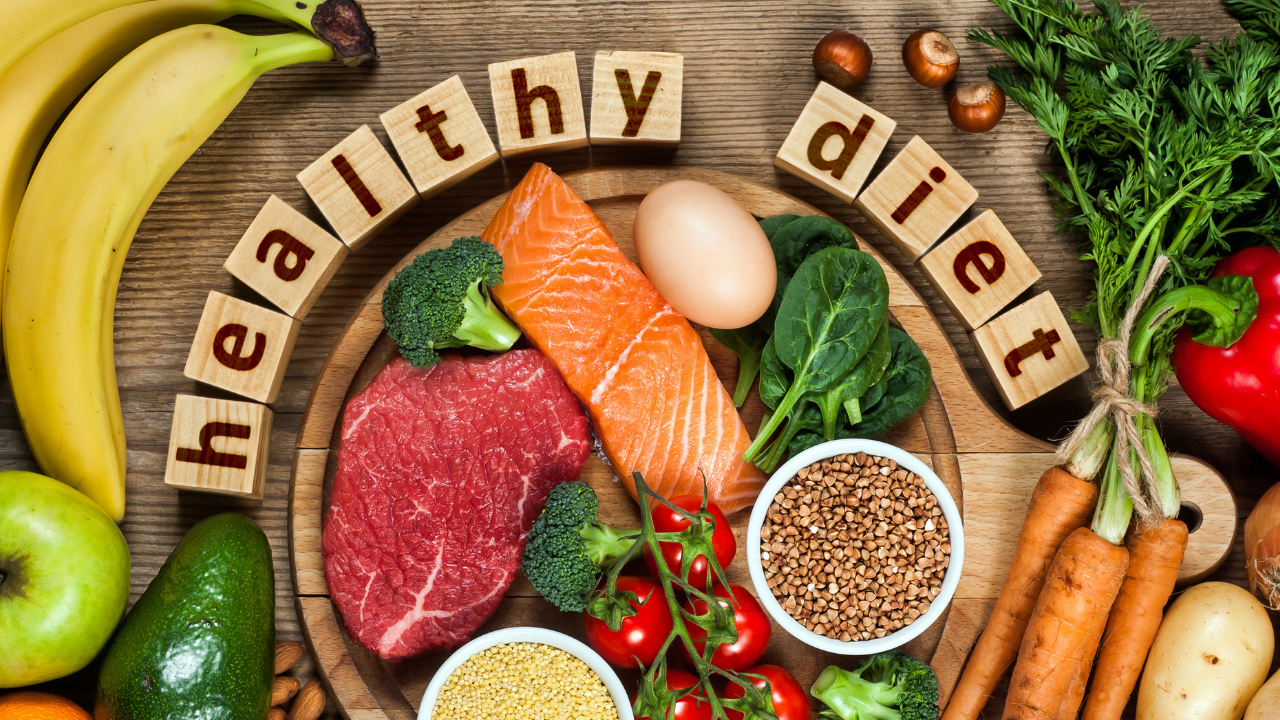
Healthy eating is one of the most important steps when you are trying to improve energy levels, supporting long-term well-being, and maintaining good health. If you can build good eating habits, you will be able to take care of your health in a much easier manner. When you are willing to change your eating habits, it doesn’t mean that you have to follow a strict diet or give up your favourite food. It is about making informed food choices, understanding your nutritional needs, and developing a balanced approach to everyday meals.With busy schedules, changing lifestyles, and easy access to processed foods, maintaining a healthy diet can sometimes feel challenging. Skipping breakfast, eating irregularly, consuming too much sugar, and relying on packaged snacks are common habits that can affect overall health. That is why, if you can make a few small changes, you will be able to take care of your health in a much hassle-free manner. Here are a few practical changes that can help you improve your eating habits much easily-
- Start your day with a nutritious breakfast:
Breakfast is the most important meal of the day. So, when you are trying to improve your eating habits, you must pay more attention to your breakfast. It is the meal that gives you the fuel to your body that helps you to work throughout the day. balanced morning meal can supply essential nutrients and help you maintain energy throughout the day. Instead of choosing sugary cereals, pastries, or highly processed breakfast options, include foods that provide protein, fibre, and healthy fats. When you are trying to have a nutritious breakfast, you can consider adding oatmeal with fruits and nuts, eggs with whole grain toast, yogurt with seeds, and more. You should add vegetables to your breakfast. These options provide a combination of nutrients that can support fullness and energy. If you can make this simple change, you will get to improve your eating habit in a much easier manner.
- Add more fruits and vegetables:
Fruits and vegetables are important components when you are trying to make a healthy diet. By adding these to your diet, you will get to attain more vitamins, antioxidants, minerals, and dietary fibre. All of these can support your bodily functions in a much easier manner. If you can start eating a variety of colourful produce, you will improve nutritional diversity. Try including vegetables in your lunch and dinner while keeping fresh fruits available for snacks. Spinach, carrots, broccoli, tomatoes, apples, oranges, papaya, and berries are some nutritious choices. You can add vegetables to sandwiches, soups, curries, salads, and rice dishes.Aim to consume at least 400 grams of fruits and vegetables daily for a healthy lifestyle. Along with that, choose whole fruits more often than fruit juices because they retain more fibre.
- Add more protein to every main meal:
Protein is essential for building and repairing tissues, maintaining muscle strength, and supporting various bodily functions. Including protein in your meals can also help you feel fuller for longer and maintain a balanced diet.Choose from different protein-rich foods, such as eggs, fish, chicken, lentils, beans, chickpeas, tofu, paneer, milk, and yoghurt. You can add boiled eggs to breakfast, dal or chickpeas to lunch, and fish, tofu, or paneer to dinner. Try to distribute your protein intake throughout the day rather than consuming most of it in one meal. Your daily protein requirements may vary depending on your age, body weight, physical activity, and overall health.
- Go for whole grains over refined grains:
Whole grains are an excellent source of dietary fibre, vitamins, minerals, and complex carbohydrates. Unlike refined grains, they retain the bran and germ, which contain essential nutrients that support overall health. Including more whole grains in your diet can help improve digestion, promote fullness, and support healthy blood sugar management.Consider replacing some refined-grain foods with nutritious whole-grain alternatives. Brown rice, oats, barley, quinoa, whole wheat, and millets are excellent choices. Whole grains can also help maintain regular bowel movements and contribute to a balanced eating pattern. You do not need to eliminate white rice or other refined grains. Instead, gradually introduce more whole-grain options into your everyday meals. Making these simple changes can help you develop healthier eating habits while enjoying satisfying and nutritious meals.
- Reduce added sugar consumption:
Consuming too much added sugar can increase the risk of several health problems, including weight gain, tooth decay, and metabolic conditions. Sugary drinks, packaged juices, sweets, biscuits, cakes, and flavoured yoghurts are common sources of added sugar that should be limited.Start by checking food labels and comparing the sugar content of packaged products before purchasing them. Replace sugary beverages with plain water, unsweetened tea, or water infused with lemon and mint. If you crave something sweet, choose fresh fruits such as apples, oranges, or berries instead of processed desserts.You do not need to eliminate your favourite sweets or desserts. The key is to practise moderation and avoid consuming sugary foods every day. Making small changes to your daily food choices can help reduce added sugar intake and support better long-term health.
- Drink enough water throughout the day:
When you are willing to improve your diet, you need to pay more attention to staying hydrated throughout the day. it can help you to improve digestion, blood circulation, temperature regulation, and normal bodily function. Even mild dehydration can sometimes contribute to tiredness, headaches, and difficulty concentrating.Make drinking water a regular part of your daily routine. Keep a reusable water bottle nearby, drink water with meals, and increase your intake during hot weather or physical activity.Water requirements vary depending on age, activity levels, climate, and individual health needs. You can also obtain fluids from foods such as watermelon, cucumber, oranges, and soups. While tea and coffee contribute to fluid intake, plain water should remain your primary beverage. therefore, if you drink enough water throughout the day, you will be able to take care of your health in a much easier manner.
- Practice portion awareness:
Eating nutritious foods is important, but understanding portion sizes is equally essential for maintaining a balanced diet. Consistently eating more than your body’s needs may contribute to unwanted weight gain, while eating too little can deprive your body of essential energy and nutrients.A simple way to manage portions is to follow the balanced plate method. Fill approximately half your plate with vegetables and fruits, one-quarter with protein-rich foods, and the remaining quarter with whole grains or other carbohydrate sources. This approach helps ensure a good balance of nutrients in everyday meals.Pay attention to your hunger and fullness signals instead of automatically finishing large servings. Avoid rushing through meals and give yourself time to recognise when you feel satisfied. Remember that portion requirements vary depending on your age, activity level, and individual health goals.
- Include healthy fats in your diet:
Not all fats are unhealthy. Healthy fats are essential for providing energy, supporting hormone production, absorbing fat-soluble vitamins, and maintaining normal brain and cell function. Including the right types of fat in your daily diet can contribute to better overall health.Choose foods rich in unsaturated fats, such as almonds, walnuts, peanuts, chia seeds, avocados, olive oil, and fatty fish. You can add nuts and seeds to breakfast bowls, include avocados in salads, or use moderate amounts of healthy oils while cooking.At the same time, limit foods containing trans fats and excessive amounts of saturated fats, which may increase the risk of heart-related problems. Avoid eliminating fats from your diet completely. Instead, focus on choosing healthier fat sources and maintaining balanced portions to meet your body’s nutritional needs.
- Avoid skipping meals regularly:
Skipping meals is not a healthy choice at all. A lot of people are out there who skip meals to cut down their daily calorie intake. However, if you do this, it can make it more difficult to maintain your health. Some people experience increased hunger after missing meals, which may lead to overeating later in the day. Try establishing a meal routine that works with your daily schedule. Include balanced breakfast, lunch, and dinner options, adjusting meal frequency according to your hunger and individual needs.If you have a particularly busy day, prepare simple meals in advance. Boiled eggs, fruit, yoghurt, nuts, and vegetable sandwiches can be convenient options. Remember that consistency and nutritional quality are more important than following a rigid eating timetable. If you can eat meals on time regularly, then you will be able to improve your health in a much hassle-free manner.
- Eat more fibre-rich foods:
Dietary fibre plays an important role in maintaining digestive health, supporting regular bowel movements, and managing blood sugar and cholesterol levels. It can also help you feel fuller for longer, making it easier to maintain balanced eating habits and avoid unnecessary snacking.Include fibre-rich foods such as fresh fruits, vegetables, whole grains, legumes, nuts, and seeds in your everyday meals. Beans, lentils, oats, apples, pears, broccoli, and leafy vegetables are excellent choices. You can add fruits to breakfast, include lentils in lunch, or enjoy nuts and seeds as healthy snacks.Increase your fibre intake gradually to allow your digestive system to adjust comfortably. Also, drink enough water throughout the day because fluids help fibre work effectively. Combining different soluble and insoluble fibre sources can support better digestion and overall health.
- Eat slowly and mindfully:
Eating slowly allows you to enjoy the taste and texture of your food while giving your body enough time to recognise fullness. This can help prevent overeating and encourage better portion control.Avoid rushing through meals or eating while watching television or scrolling through your phone. Instead, sit comfortably, chew your food properly, and take small breaks between bites. Paying attention to your meals can make eating a more enjoyable experience.Mindful eating also involves understanding the difference between physical and emotional hunger. Sometimes, people eat because of boredom, stress, or habit rather than actual hunger. Recognising these patterns can help you make better food choices, manage unnecessary snacking, and develop a healthier relationship with food without following restrictive eating habits.
- Limit highly processed foods:
Highly processed foods are not good for your health at all. Such foods contain more sodium, added sugars, and refined carbohydrates. If you regularly consume large quantities of these foods, this can have a long-term effect on your health. Packaged snacks, instant noodles, processed meats, sugary cereals, and certain ready-to-eat meals are examples worth limiting. Instead, choose minimally processed alternatives whenever practical.You can prepare homemade snacks using roasted chickpeas, nuts, popcorn, fruits, or vegetable sticks. However, not all processed foods are unhealthy. Frozen vegetables, plain yoghurt, canned beans, and fortified whole-grain products can be nutritious and convenient additions to your diet. By paying attention to this, you will be able to improve your health in a much easier manner.
- Reduce excessive salt intake:
Sodium is an essential mineral that helps regulate fluid balance and supports normal nerve and muscle function. However, consuming too much salt can increase blood pressure and raise the risk of cardiovascular diseases. Packaged snacks, processed meats, instant soups, and restaurant meals are common sources of excessive sodium.According to the World Health Organization, adults should consume less than 2,000 mg of sodium daily, equivalent to less than 5 grams of salt. Following this recommendation can help support better heart health and overall well-being.Start by reducing your intake of salty snacks and highly processed foods. Instead of adding extra salt while cooking, use herbs, spices, garlic, ginger, and lemon to enhance flavour. Also, check nutrition labels before purchasing packaged products to understand their sodium content. Making these small changes can help you maintain healthier eating habits.
- Plan your meals in advance:
Meal planning is an effective way to maintain healthy eating habits, especially when you have a busy schedule. Without proper preparation, you may be more likely to order fast food, skip meals, or depend on convenient packaged options that may contain excessive salt, sugar, or unhealthy fats.Set aside some time each week to plan your breakfast, lunch, dinner, and snacks. Prepare a grocery list that includes fresh fruits, vegetables, whole grains, protein-rich foods, and healthy fats to ensure nutritional variety.You can also prepare certain ingredients in advance to save time during busy weekdays. Washing vegetables, cooking lentils, boiling eggs, or preparing whole grains can make everyday cooking easier.Meal planning does not need to be complicated or time-consuming. Even preparing a few nutritious meals beforehand can reduce daily stress, minimise unhealthy food choices, and help you maintain a more balanced diet.
- Include fermented foods for gut health:
Your digestive system contains numerous microorganisms that play an important role in digestion and overall health. Certain fermented foods contain live microorganisms that may help support a healthy gut environment.Include foods such as plain yoghurt, curd, kefir, and traditionally fermented vegetables in your daily diet. These foods can provide beneficial microorganisms, although their effects may vary depending on the product and individual needs.Along with fermented foods, consume plenty of fibre-rich options to nourish beneficial gut bacteria. Include fruits, vegetables, whole grains, beans, and lentils in your meals. Maintaining a varied and balanced diet can support digestion and contribute to better gut health. Combine these habits with adequate hydration and regular physical activity for overall digestive well-being.
- Make healthy snacks easily available:
Snacking between meals is not necessarily unhealthy. What matters most is the nutritional quality of the foods you choose. Keeping nutritious snacks easily accessible can help you avoid relying on sugary or highly processed options when hunger strikes.Choose healthy options such as fresh fruits, plain yoghurt, nuts, roasted chickpeas, boiled eggs, and homemade vegetable sandwiches. These foods provide essential nutrients and can help satisfy hunger between meals.For better fullness, combine protein and fibre in your snacks. For example, pair an apple with peanut butter or enjoy yoghurt with nuts and seeds. Keep reasonable portions according to your hunger and nutritional needs. Preparing snacks in advance can also make healthier choices more convenient, especially during busy working hours or when travelling.
- Choose water instead of sugary drinks:
Sugary beverages can add excessive sugar and calories to your daily diet without providing lasting fullness. Regular consumption of soft drinks, energy drinks, sweetened iced teas, and packaged fruit juices may contribute to weight gain and increase the risk of metabolic health problems.Make plain water your primary beverage and limit drinks containing added sugar. You can also choose unsweetened tea or other low-sugar alternatives to stay hydrated throughout the day.If you find plain water boring, add cucumber slices, lemon, mint leaves, or fresh fruits for natural flavour. Homemade drinks can also be refreshing alternatives, provided you avoid adding excessive sugar. Developing this simple habit can help reduce unnecessary sugar intake, support hydration, and contribute to better long-term health.
If you can follow these steps, then you will be able to take care of your health much seamlessly. All of these can assist you in improving your eating habit.