In winter, you must be extra protective of your immune system and health. Find out the best foods for winter to look after your health and avoid sickness.
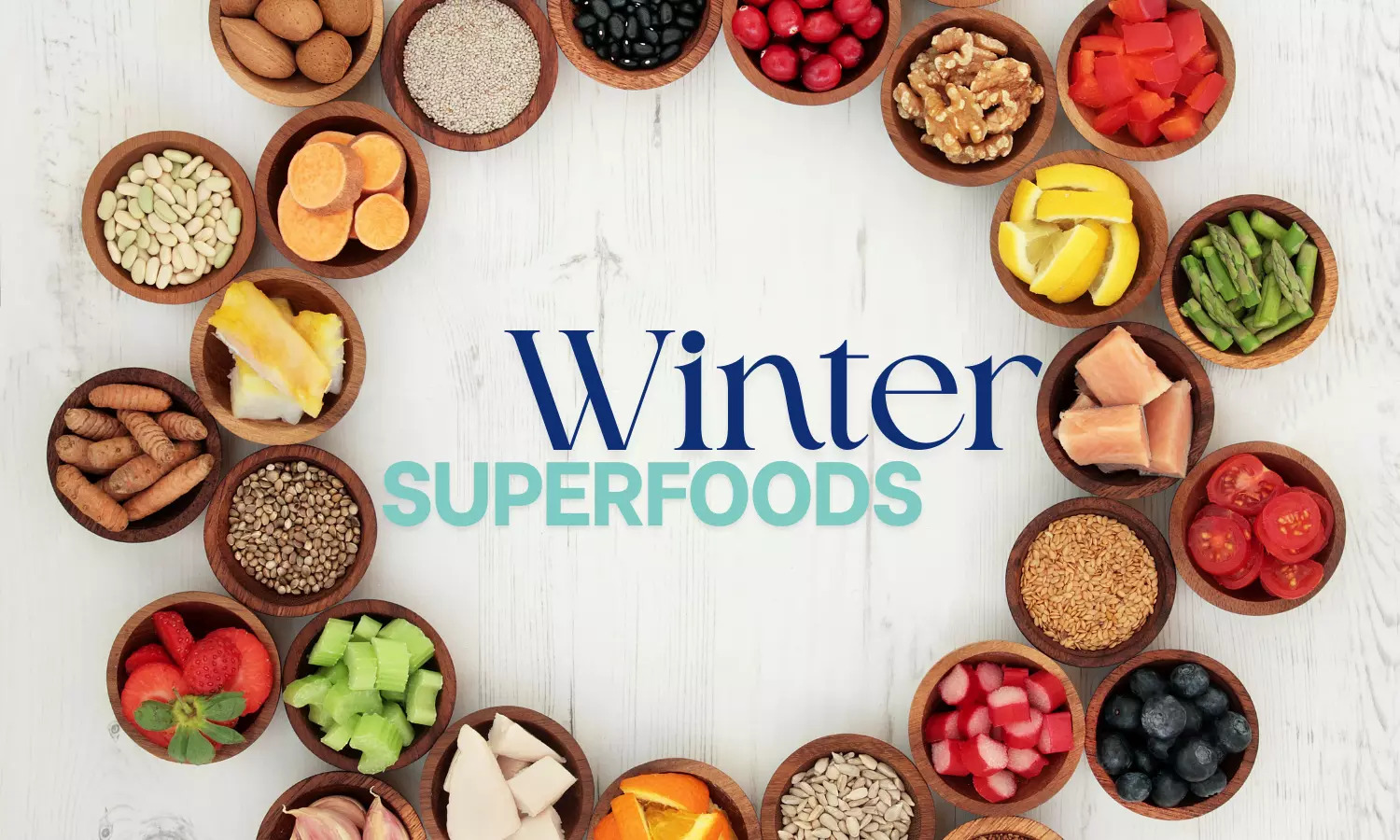
Winter is a wonderful time to enjoy a variety of fresh, nutritious, and comforting foods. As the weather changes and temperatures drop, our bodies crave more warm meals, fruits, soups, seasonal vegetables, and nourishing beverages. If you choose the right foods during this season, you will be able to support your immune function, energy level, and promote healthy digestion. A balanced winter diet should include a combination of fruits, vegetables, whole grains, nuts, seeds, dairy products, and protein-rich foods. Many seasonal ingredients are naturally rich in essential vitamins, minerals, antioxidants, and dietary fibre. These nutrients support different bodily functions, from maintaining healthy skin to supporting heart health and normal immune system activity. Whether you prefer warm vegetable soups, roasted root vegetables, fresh citrus fruits, or healthy winter snacks, there are plenty of delicious options to explore. Here are a few healthy winter food options that you should add to your diet for improved health-
1. Oranges:
Oranges are one of the winter fruits that you must add to your diet. They contain a huge amount of vitamin C, which has the potential to improve your immune system. In addition, they also help to produce collagen and enhance iron absorption in your body naturally. So, if you eat more oranges, you will be able to take care of your health in a much easier way. Oranges also contain dietary fibre, potassium, folate, and beneficial plant compounds called flavonoids. Their antioxidant properties help protect cells from oxidative stress. Regularly including oranges in a balanced diet can also support healthy skin and digestion. You can enjoy oranges as a refreshing snack, add their segments to fruit salads, or squeeze fresh juice at home. However, eating the whole fruit is generally preferable to drinking juice because it provides more fibre and helps you feel fuller for longer.
2. Spinach:
Spinach is a winter produce that contain vitamin A, C, and K that are really good for your health. In addition to that, it also has iron, potassium, magnesium, and folate. Vitamin K is a nutrient that contributes to regulating normal blood clotting and bone health. On the other hand, folate supports cell growth and development. During winter, spinach can be included in a variety of comforting meals. You can prepare spinach soup, add it to vegetable curries, mix it into whole-grain dishes, or use it in omelettes. Although spinach contains iron, it is non-haem iron, which is not absorbed as efficiently as the iron found in animal foods. Pairing spinach with vitamin C-rich ingredients, such as tomatoes or lemon juice, can improve iron absorption. So, when you are trying to improve your immune system naturally in winter, adding spinach can be a good option for you.
3. Carrots:
Carrots are nutritious root vegetables that make an excellent addition to your winter diet. They are particularly rich in beta-carotene, a plant pigment that the body converts into vitamin A. This essential nutrient supports healthy vision, normal immune function, and skin health. Carrots also provide dietary fibre, potassium, and antioxidants that contribute to overall well-being. Their natural sweetness makes them a versatile ingredient for various winter recipes, including soups, salads, vegetable stews, and roasted dishes. You can enjoy carrots raw as a healthy snack, steam them as a side dish, or add them to homemade soups and curries. Cooking carrots with a small amount of healthy fat can improve beta-carotene absorption. Including carrots regularly in your meals is an easy way to increase nutrient intake while enjoying a delicious, low-calorie vegetable.
4. Pomegranate:
Pomegranates are nutritious winter fruits known for their juicy red seeds, refreshing taste, and antioxidant properties. They contain dietary fibre, potassium, vitamin C, and beneficial plant compounds called polyphenols, which help protect cells against oxidative stress. Including pomegranates in your diet can support overall health. Their antioxidants have been studied for potential cardiovascular benefits, while their fibre content promotes healthy digestion and helps maintain regular bowel movements. They also provide natural carbohydrates that supply energy. Pomegranates are easy to incorporate into your daily meals. You can enjoy their fresh seeds as a healthy snack or add them to fruit salads, yoghurt, oatmeal, and breakfast bowls. They also make a colourful topping for various dishes. For maximum nutritional benefits, choose whole pomegranate seeds instead of relying entirely on packaged juices. Whole seeds provide dietary fibre, which is often reduced or absent in strained fruit beverages.
5. Sweet potatoes:
Sweet potatoes are nutritious root vegetables that make an excellent addition to a healthy winter diet. They provide complex carbohydrates, dietary fibre, potassium, and beta-carotene, making them both filling and nourishing. The beta-carotene found in orange-fleshed sweet potatoes is converted into vitamin A in the body. This essential nutrient supports healthy vision, normal immune function, and skin health. Sweet potatoes also provide energy, while their fibre content supports digestion and helps promote fullness. Additionally, potassium contributes to normal muscle function and healthy blood pressure regulation. Their naturally sweet flavour makes them a versatile ingredient for winter meals. You can enjoy boiled, steamed, or roasted sweet potatoes as a healthy snack or side dish. They can also be added to homemade soups, vegetable bowls, and stews. Avoid excessive sugar, butter, or other high-calorie toppings to maintain their nutritional benefits.
6. Broccoli:
Broccoli is a nutritious food that is easily available in winter this season. It is enriched with vitamin K, C, folate, fibre, and many other plant compounds that help our body in many ways. Broccoli is known for containing glucosinolates, which are biologically active compounds when broccoli is chopped and chewed. The vitamin C in broccoli helps with immune function and collagen production in our body. The fibre in it supports our bowel movement, which is one of the most necessary factors for maintaining a healthy body. Broccoli is easy to incorporate into winter meals. You can steam it, roast it, add it to vegetable soups, or combine it with other seasonal vegetables. Light cooking can make broccoli easier to eat while retaining many of its nutrients. Avoid overcooking it, as prolonged boiling may cause some water-soluble vitamins to be lost. When you are trying to get essential nutrients, broccoli can be the vegetable that can be really helpful for you.
7. Beetroot:
Beetroot is an extremely nutritious vegetable that has natural sweetness and color that makes it even pleasing to consume. Beetroot has more folate, potassium, fibre, and other essential compounds that help to maintain our health. It is seen that this vegetable also contains dietary nitrates, which are converted into nitric oxide and help our blood vessels relax and improve circulation in our body. Some research suggests that nitrate-rich foods may help improve exercise performance and support blood pressure management. You can enjoy beetroot in salads, soups, vegetable dishes, and homemade juices. Roasting or steaming it can help preserve its flavour while making it easier to prepare. Its fibre content also supports digestion, making beetroot a useful addition to a balanced winter diet. Adding this specific vegetable to your meal can help you take care of your health during winter.
8. Indian gooseberry:
Indian gooseberry is a nutritious traditional Indian winter fruit widely recognised for its high vitamin C content. It also provides dietary fibre and various antioxidant plant compounds that contribute to overall health and well-being. Vitamin C supports normal immune function, protects cells against oxidative stress, and helps the body produce collagen. Collagen is an essential protein that supports healthy skin, bones, cartilage, and blood vessels. Including Indian gooseberry in your diet can therefore help meet your daily vitamin C requirements. Indian gooseberry has a naturally sour and slightly bitter taste, making it a distinctive addition to winter meals. You can enjoy it fresh, add it to homemade chutneys, or include small amounts in salads and other dishes. Freshly prepared Indian gooseberry juice without added sugar is another option. However, people sensitive to acidic foods should consume it according to their tolerance.
9. Almonds:
Almonds are nutrient-rich nuts that make an excellent addition to a healthy winter diet. They provide healthy fats, plant-based protein, dietary fibre, vitamin E, and magnesium, making them a convenient and satisfying snack. Vitamin E acts as an antioxidant that helps protect cells against oxidative stress. Magnesium supports normal muscle and nerve function, energy metabolism, and bone health. Additionally, the monounsaturated fats found in almonds can contribute to heart health when they replace foods high in saturated fats. Including almonds in your daily diet is an easy way to increase your intake of essential nutrients. You can enjoy a small handful between meals, add chopped almonds to oatmeal, or use them as a topping for yoghurt, smoothies, and salads. Both soaked and unsoaked almonds offer nutritional benefits. However, almonds are relatively high in calories, so consume them in moderate portions as part of a balanced diet.
10. Guava:
Guava is a nutritious winter fruit that provides vitamin C, dietary fibre, potassium, and antioxidants. It is particularly rich in vitamin C, making it an excellent addition to a balanced diet that supports normal immune function and overall health. Guava also contains vitamin A-related carotenoids, especially in pink-fleshed varieties. These beneficial plant compounds support healthy vision and help protect cells against oxidative stress. Additionally, its fibre content promotes healthy digestion and helps maintain regular bowel movements. The combination of natural sweetness and dietary fibre makes guava a satisfying and healthy snack. You can enjoy fresh, ripe guava with its skin after washing it thoroughly or add chopped pieces to fruit salads and breakfast bowls. Including guava regularly in your winter diet is a simple way to increase your nutrient intake. For maximum benefits, enjoy it fresh without adding excessive salt or sugar.
11. Dates:
Dates are a naturally sweet fruit that provides dietary fibre, carbohydrates, potassium, and magnesium. If you can consume dates daily, then you will get to consume many minerals in a much easier way. They are particularly popular during winter because they can be eaten as a convenient snack or used to sweeten homemade dishes. Dates have natural sugar, so they can help you get a lot of energy, and the fibre in them supports your digestive health. It is known that dates also contain polyphenols and other plant compounds that have a lot of antioxidant properties. You can add chopped dates to oatmeal, smoothies, yoghurt, and homemade snack bars. They can also be paired with almonds or walnuts for a more balanced snack containing carbohydrates, healthy fats, and protein. Although dates offer several nutrients, they are relatively high in natural sugars and calories. People managing blood glucose levels should consider their portion sizes and overall carbohydrate intake.
12. Walnuts:
Walnuts are another food that is excellent for winter. They have fatty acids, omega-3, and ALA that can support your cardiovascular health. Walnuts also contain fibre, copper, protein, magnesium, and antioxidants. If you consume walnuts daily, you will have a much more balanced eating pattern. Some research suggests that regular walnut consumption may help improve certain cardiovascular risk factors, particularly when walnuts replace less nutritious snacks. You can enjoy walnuts on their own, mix them with other nuts and seeds, or add them to breakfast cereals and homemade energy bars. A small handful is generally sufficient for a snack. Choose unsalted walnuts without added sugar to avoid unnecessary sodium and added calories. It is a food item that can help you look after your health during winter quite seamlessly.
13. Garlic:
Garlic is a flavourful winter ingredient that offers several nutritional benefits beyond enhancing the taste of meals. It contains sulphur-containing compounds, including allicin, which form when garlic is crushed or chopped. These compounds have been studied for their potential antioxidant and anti-inflammatory properties and their possible role in supporting cardiovascular health. Garlic also provides small amounts of vitamin B6, vitamin C, manganese, and other essential nutrients. Including it in your winter diet can add flavour to everyday meals without relying heavily on salt or processed seasonings. You can add fresh, crushed garlic to vegetable soups, roasted vegetables, lentil dishes, curries, and homemade sauces. Allowing chopped garlic to rest briefly before cooking may help preserve the formation of beneficial compounds. Enjoying garlic regularly as part of a balanced diet is a simple way to add variety and flavour to your meals.
14. Ginger:
Ginger is a popular winter ingredient known for its distinctive aroma, warm flavour, and traditional use in comforting beverages and meals. It contains gingerols and other bioactive compounds that have been studied for their antioxidant and anti-inflammatory properties. Ginger may also help relieve certain types of nausea and support digestive comfort. During colder months, a warm cup of ginger tea can be a soothing addition to your daily routine, although it should not be considered a treatment for infections or other illnesses. Its versatility makes ginger easy to include in everyday meals. You can add fresh ginger to vegetable soups, curries, stir-fries, herbal teas, and homemade broths. Even a small amount can enhance the flavour of your dishes while adding beneficial plant compounds. Ginger can be enjoyed regularly as part of a balanced diet. However, people taking blood-thinning medication should consult a healthcare professional before using concentrated ginger supplements.
15. Cauliflower:
Cauliflower is a nutritious winter vegetable that provides vitamin C, vitamin K, folate, dietary fibre, and several beneficial plant compounds. It is also relatively low in calories, making it a healthy addition to balanced meals. Its fibre content supports digestion, promotes fullness, and helps maintain regular bowel movements. Vitamin C contributes to normal immune function and collagen production, while folate plays an important role in cell growth and development. Cauliflower is also highly versatile and can be prepared in several ways, including steaming, roasting, baking, and adding it to soups or vegetable curries. You can combine it with carrots, peas, beans, and other seasonal vegetables to create nutritious winter meals. Instead of deep-frying cauliflower, try roasting or lightly sautéing it with herbs and spices for a delicious and healthier option.
16. Apples:
Apples are a winter fruit that can provide you with vitamin C, fibre, and many other essential plant compounds. The soluble fibre in it support our digestive health and the pectin in it helps to balance cholesterol level in your body. It is seen that apples have polyphenols, specifically in their skin, which is really helpful for your health. Apples have a lot of antioxidant properties that can take care of your overall cardiovascular health. Eating whole apples is generally more beneficial than drinking apple juice because whole fruits retain their fibre and provide greater fullness. You can enjoy apples as an afternoon snack, add sliced pieces to oatmeal, or combine them with yoghurt and nuts. They can also be baked with cinnamon for a naturally sweet winter dessert. Wash apples properly before eating them, especially if you plan to consume the skin. So, add an apple to your diet to take care of your health.
17. Pumpkin:
Pumpkin is an extremely nutritious winter vegetable that has beta-carotene, potassium, dietary fibre, and vitamin C. Its bright orange color of it is an indication of carotenoid presence. Pumpkin also has vitamin A, which supports healthy vision, normal cell growth, and immune function. Pumpkin also provides water and fibre, making it a satisfying ingredient for meals without contributing excessive calories. Including pumpkin in your diet can help you maintain your health in an easier manner. You can consume pumpkin by preparing homemade soup. Along with that, you can roast the pumpkin pieces and add them to vegetable curries as well. If you wish, you can combine it with whole grains and lentils. Apart from the vegetable, the pumpkin seeds are also extremely nutritious and provide magnesium, protein, zinc, and healthy fats. If you can eat roasted pumpkin seeds, you will be able to get a lot of nutrients in a hassle-free manner.
18. Pears:
Pears are nutritious winter fruits that provide dietary fibre, vitamin C, potassium, and beneficial antioxidant plant compounds. They are particularly valued for their fibre content, which supports healthy digestion, promotes regular bowel movements, and contributes to overall gut health. The natural sugars in pears provide energy, while their high water content helps support daily hydration. Their mild sweetness and refreshing taste make them a satisfying snack and a healthy alternative to sugary desserts. Pears are also easy to include in your winter diet. You can enjoy them fresh, add chopped pieces to fruit salads, or serve them with nuts and plain yoghurt for a nutritious snack. They can also be gently baked or poached with cinnamon to prepare a comforting winter dessert. Whenever possible, eat pears with their skin after washing them thoroughly, as it contains additional dietary fibre and beneficial plant compounds.
19. Green peas:
Green peas are nutritious legumes that provide plant-based protein, dietary fibre, vitamins C and K, folate, and several essential minerals. They are an excellent addition to a winter diet because they can be included in various warm and comforting meals. Their protein and fibre content helps promote fullness, supports digestion, and contributes to overall health. Green peas also contain antioxidants, including carotenoids, which help protect cells against oxidative stress. These versatile legumes can be added to soups, vegetable pulao, salads, stews, and homemade patties. Combining them with whole grains can create a balanced and satisfying plant-based meal. Both fresh and frozen peas are nutritious options. Frozen peas are usually processed soon after harvesting, helping preserve many of their nutrients. For healthier preparations, use limited added salt and avoid excessive butter or cream while cooking.
20. Eggs:
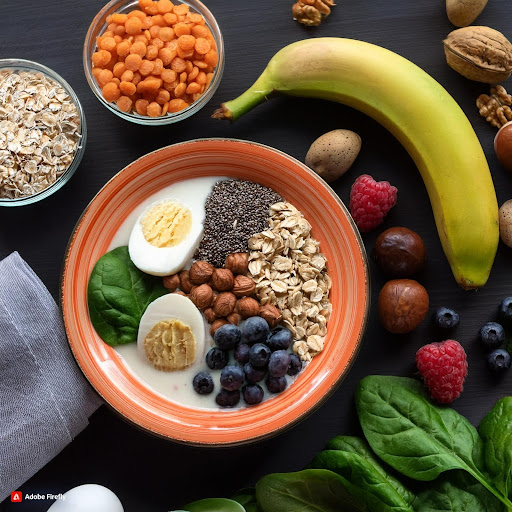
Eggs are a convenient source of high-quality protein and several essential nutrients. They contain vitamin B12, vitamin D, selenium, choline, and other nutrients that support normal bodily functions. Protein is essential for muscle maintenance, tissue repair, and the production of enzymes and hormones. Choline contributes to normal brain function and cell membrane structure, while vitamin B12 supports nerve function and red blood cell formation. Eggs can also make winter breakfasts more filling. You can enjoy boiled eggs, vegetable omelettes, scrambled eggs, or egg-based soups. For a balanced meal, combine eggs with whole-grain toast and vegetables. People who do not eat eggs can obtain protein from lentils, beans, tofu, and other plant-based alternatives.
21. Citrus fruits:
Apart from oranges, several other citrus fruits make excellent additions to a healthy winter diet. Mandarins, sweet limes, lemons, and grapefruits provide vitamin C, dietary fibre, water, and beneficial plant compounds. Vitamin C supports normal immune function, collagen production, and iron absorption. Citrus fruits also contain flavonoids, which have antioxidant properties and help protect cells against oxidative stress. Their refreshing taste makes them an easy way to increase your daily fruit intake during winter. You can enjoy citrus fruits whole, add their segments to fruit salads, or use fresh lemon juice to enhance the flavour of soups and cooked vegetables. Whole citrus fruits are generally healthier than strained juices because they retain more dietary fibre. Including different citrus varieties in your meals can help diversify your nutrient intake. However, people experiencing acid reflux should consume acidic fruits according to their tolerance.
22. Sesame seeds:
Sesame seeds are small but nutrient-dense foods that provide healthy fats, protein, fibre, calcium, magnesium, iron, and copper. They are commonly included in winter recipes and traditional food preparations. Their healthy fats provide energy, while magnesium supports normal muscle and nerve function. Sesame seeds also contain lignans and other plant compounds with antioxidant properties that help protect cells from oxidative stress. You can sprinkle sesame seeds over salads, add them to whole-grain breads, or use them in homemade chutneys and snacks. Lightly roasting the seeds can enhance their flavour and aroma. Homemade sesame seed bars can be nutritious, but varieties containing excessive sugar or jaggery should be enjoyed in moderation. Including small portions of sesame seeds in a balanced winter diet can help increase your intake of essential nutrients. However, people with sesame allergies should avoid them.
23. Fish:
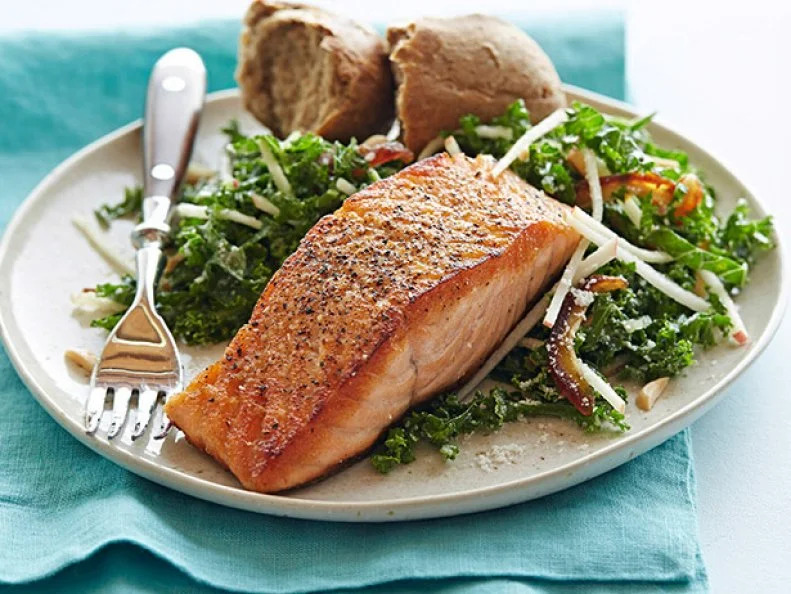
Fish is a nutritious winter food that provides high-quality protein, vitamin B12, selenium, and other essential nutrients. Fatty fish varieties, such as salmon, sardines, and mackerel, are particularly rich in omega-3 fatty acids, including EPA and DHA. These healthy fats support normal heart function and contribute to brain and eye health. Fish also provides vitamin D, although the amount varies depending on the species. Including fish in your winter diet is an excellent way to meet your protein requirements while increasing your intake of essential nutrients. You can enjoy grilled, steamed, baked, or lightly curried fish dishes as part of balanced meals. For added nutritional benefits, serve fish with seasonal vegetables and whole grains. Choose varieties with lower mercury levels, particularly when preparing meals for pregnant women, breastfeeding mothers, and young children. Always ensure proper cooking and safe storage to maintain food safety.
Eating the right food can help you get the necessary nutrients and take care of your health during winter. Thus, follow these tips if you are willing to stay protected during the cold season.