From haunting folklore to psychological nightmares, these Japanese horror films prove why the genre continues to captivate and unsettle audiences worldwide.
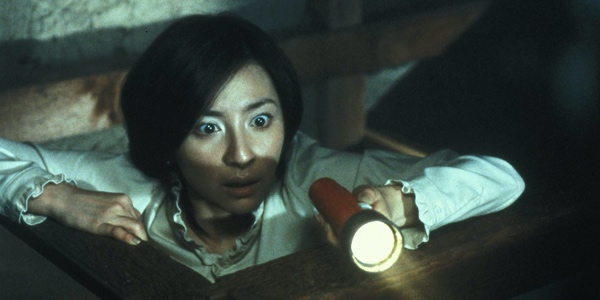
Japanese horror has built a reputation for delivering some of the most haunting and unforgettable films ever made. Its storytelling goes far beyond jump scares, drawing viewers straight into unsettling worlds shaped by eerie folklore and psychological tension. Whether exploring revenge-driven spirits, relentless curses, or terrifying killers, these films create an atmosphere that lingers long after the credits roll.
Over the years, Japanese horror has influenced audiences across the globe, with several classics inspiring successful English-language remakes that introduced these chilling stories to an even wider audience base. The genre also offers a remarkable variety, from modern tales that reflect social anxieties to historical narratives that expose the darkest corners of human nature. Every film brings its own unique style of fear while staying rooted in powerful storytelling. If you are looking for horror that leaves a lasting impression instead of delivering quick thrills, Japanese cinema offers an unforgettable collection that deserves a place on every horror fan’s watchlist. So, let’s move ahead and discover the best Japanese horror movies you can watch!
- ‘Occult’ (2009)
Kōji Shiraishi is widely recognized for films like ‘Noroi: The Curse’ and the crossover ‘Sadako vs. Kayako’, but ‘Occult’ remains one of his most overlooked horror gems. Presented in a found footage style, the film follows a documentary crew investigating a shocking mass stabbing by interviewing the lone survivor, Shohei Eno. As the story unfolds, Eno begins displaying increasingly unsettling behavior, claiming to witness UFOs while feeling compelled to carry out a mysterious ritual. What starts as an investigation gradually transforms into something far more disturbing, blending psychological tension with cosmic horror. Shiraishi even casts himself as the documentary filmmaker, while acclaimed director Kiyoshi Kurosawa appears as himself, adding another layer of realism that makes the film’s eerie atmosphere even more convincing and deeply unsettling.
- ‘One Missed Call’ (2003)
‘One Missed Call’ turns an everyday mobile phone into the source of relentless terror. The story follows a group of friends who begin receiving disturbing voicemail messages that predict the exact moments of their deaths. As the mysterious curse spreads, Yumi Nakamura teams up with a detective to uncover the truth before more lives are lost. The film delivers eerie suspense, memorable death sequences, and a steadily growing sense of dread that keeps the tension alive throughout. Beneath its supernatural premise, it also explores deeper themes surrounding trauma and abuse, making it far more thought-provoking than a typical horror film.
- ‘Suicide Club’ (2001)
‘Suicide Club’ is one of the most disturbing and stimulating entries in Japanese horror. The film opens with a shocking scene in which dozens of schoolgirls willingly leap in front of a moving train, setting off a wave of mysterious suicides across Japan. As detectives investigate the growing tragedy, they are drawn into a deeper mystery involving a strange figure known as Genesis. Beyond its unsettling horror, the film explores themes of social isolation, conformity, and the influence of pop idol culture. Inspired by real concerns surrounding Japan’s rising suicide rates at the time, ‘Suicide Club’ delivers haunting imagery and uncomfortable questions that continue to linger long after the film ends.
- ‘Ichi the Killer’ (2001)
This movie stands among the director, Takashi Miike’s most infamous works that blend crime, psychological horror, and extreme body horror into one unforgettable experience. The story follows the sadomasochistic yakuza enforcer Kakihara as he searches for his missing boss, only to cross paths with Ichi, a seemingly ordinary man whose suppressed trauma and manipulated memories unleash terrifying bursts of violence. The film is undeniably brutal and features graphic scenes that are not for the faint of heart, yet its disturbing narrative is matched by strong performances and darkly twisted humor. Rather than relying on violence alone, ‘Ichi the Killer’ explores damaged minds and moral decay, earning its place as one of Japanese horror’s boldest and most unforgettable cult classics.
- ‘Paprika’ (2007)
Satoshi Kon’s ‘Paprika’ is a visually stunning psychological thriller that blurs the line between dreams and reality with remarkable creativity. The story revolves around a groundbreaking device that allows therapists to enter their patients’ dreams, but everything changes when the technology is stolen and used to manipulate people’s minds. As chaos spreads, the mysterious therapist Paprika races to uncover the truth before the dream world consumes reality. The film constantly shifts between imagination and the real world, creating a narrative that rewards close attention while keeping viewers intrigued from beginning to end. Packed with surreal imagery, body horror, and breathtaking animation, ‘Paprika’ remains both unsettling and beautiful. Its influence on modern cinema is undeniable, making it one of the most imaginative and unforgettable psychological anime films ever created.
- ‘Dark Water’ (2002)
‘Dark Water’ delivers far more than a traditional ghost story, combining supernatural horror with an emotional exploration of motherhood and loss. The film follows Yoshimi, a recently divorced mother who moves into a neglected apartment with her young daughter while fighting for custody. As strange and terrifying events begin to unfold, she is forced to uncover the truth behind the haunting before it threatens the only person she has left. The story unfolds at a measured pace, allowing its emotional weight and eerie atmosphere to grow naturally. Rather than relying on constant scares, the film builds lasting tension through grief, isolation, and uncertainty. The result is a haunting and deeply moving film that remains one of Japanese horror’s most emotionally powerful classics.
- ‘Confessions’ (2010)
Revenge takes a chilling and deeply emotional turn in ‘Confessions’, a psychological thriller that blends mystery with unsettling human drama. The story follows a middle school teacher whose life is shattered after the death of her young daughter. When she learns that two of her own students are responsible, she sets a carefully calculated plan in motion, forcing them to confront the consequences of their actions. As the narrative unfolds, it also explores the troubled lives of the young offenders, revealing how neglect and trauma have shaped their choices. Driven by outstanding performances and confident direction, the movie delivers an unforgettable experience that lingers long after its powerful and emotionally devastating final moments.
- ‘Monster’ (2023)
Not every unsettling story relies on ghosts or supernatural terror, and ‘Monster’ proves that with remarkable confidence. The film follows a single mother who begins to suspect that her young son is being mistreated at school after his behavior suddenly changes. As the story unfolds through multiple perspectives, each new revelation reshapes everything that came before, replacing certainty with doubt. The slow-building suspense keeps the tension alive while exploring themes of parenting, misunderstanding, and human connection. Quietly emotional and deeply thought-provoking, ‘Monster’ leaves a lasting impact by showing that the most powerful fears often emerge from everyday life rather than the supernatural.
- ‘Ugetsu’ (1953)
Set against the chaos of civil war in 16th-century Japan, this film blends historical drama with supernatural horror to tell a haunting story about ambition, greed, and the price of chasing impossible dreams. The narrative follows a potter who leaves his family behind in search of wealth, only to become entangled with a mysterious spirit, while his brother-in-law pursues the honor of becoming a samurai with equally life-changing consequences. Inspired by Japanese folklore and traditional ghost stories, ‘Ugetsu’ creates an unforgettable atmosphere through its elegant cinematography and haunting visual style. Rather than relying on conventional scares, the movie leaves a lasting impression with its emotional depth, timeless storytelling, and powerful reflection on the consequences of human desire.
- ‘Kuroneko’ (1968)
Rooted in Japanese folklore, ‘Kuroneko’ transforms a heartbreaking tale of violence into a haunting story of revenge and justice. Set in feudal Japan, the film follows a woman and her daughter-in-law who are brutally attacked and killed by a group of samurai. They return as supernatural spirits, using beauty and deception to lure their attackers before delivering a deadly punishment. ‘Kuroneko’ builds its horror through striking black and white visuals, eerie silence, and an atmosphere that grows more unsettling with every scene. Instead of relying on graphic scares, this movie draws its power from emotion and suspense, presenting a ghost story where the spirits become symbols of justice in one of Japanese cinema’s most enduring horror classics.
- ‘One Cut of the Dead’ (2017)
Zombie films rarely feel this fresh, but this film finds an inventive way to breathe new life into the genre. The story follows a filmmaker shooting a low-budget zombie movie when a real outbreak suddenly turns the production into complete chaos. Instead of choosing between horror and comedy, ‘One Cut of the Dead’ blends both with remarkable confidence, delivering plenty of laughs alongside its bloody surprises. Its clever storytelling and unexpected twists keep the experience entertaining from beginning to end. Beneath the fun, it also offers a witty take on filmmaking and creative ambition, making it one of Japan’s most original and rewarding modern horror films.
- ‘Kwaidan’ (1964)
Japanese folklore comes to life in ‘Kwaidan’, a haunting anthology that presents four beautifully crafted supernatural tales filled with mystery, love, betrayal, and restless spirits. Each story offers a distinct atmosphere while remaining connected through the film’s striking visual style and timeless storytelling. Rather than relying on conventional scares, it creates unease through carefully composed imagery, rich colors, and an almost dreamlike pace that draws viewers into its eerie world. Every segment feels unique, yet together they form an unforgettable celebration of traditional ghost stories. Directed by Masaki Kobayashi, this film remains one of the most visually captivating horror films ever made. Its artistic brilliance even earned an Academy Award nomination, a rare achievement for a Japanese horror classic.
- ‘Three… Extremes’ (2004)
Bringing together three acclaimed filmmakers from Japan, Hong Kong, and South Korea, ‘Three… Extremes’ delivers a chilling anthology that showcases the creative strength of Asian horror. Each segment explores a different psychological nightmare, touching on themes of obsession, ambition, guilt, and desire without depending solely on graphic scares. Takashi Miike’s ‘Box’ stands out with its haunting atmosphere and emotionally layered story, while ‘Dumplings’ and ‘Cut’ offer equally disturbing experiences through their unique storytelling. Every chapter creates its own sense of unease, making the anthology feel varied yet remarkably cohesive. Provocative, unsettling, and visually memorable, the movie remains one of the finest anthology horror films to emerge from Asian cinema.
- ‘Blind Beast’ (1969)
Obsession takes an unsettling and surreal form in ‘Blind Beast’, a psychological horror film that blends disturbing imagery with unexpected emotional depth. The story follows a young model who is kidnapped by a blind sculptor determined to use her as the inspiration for his latest creation. As their relationship evolves in surprising ways, the film shifts into a haunting exploration of desire, control, and artistic obsession. Rather than offering straightforward horror, it creates an unsettling atmosphere through striking symbolism, dark humor, and dreamlike visuals. Every scene invites interpretation, making this film a hypnotic experience that lingers in the mind long after the final moments have passed.
- ‘Gozu’ (2003)
Reality quickly unravels in this film, a surreal horror movie that blends crime, dark comedy, and psychological terror into one unforgettable experience. The story follows a young gangster ordered to eliminate his unstable partner, but a bizarre chain of events begins after the body mysteriously disappears. From that point, the film abandons conventional storytelling and pulls viewers into a strange world filled with unsettling characters, twisted encounters, and increasingly surreal moments. Every scene feels unpredictable, making it impossible to know what comes next. Beneath its bizarre surface, ‘Gozu’ explores themes of identity, desire, and fear while embracing the unsettling power of the unknown. It stands as one of Japanese horror’s boldest and most unconventional cult classics, rewarding viewers who enjoy surreal storytelling.
- ‘Marebito’ (2004)
Fear, isolation, and obsession come together in ‘Marebito’. It is a psychological horror film that offers a deeply unsettling viewing experience. The story follows a disturbed cameraman obsessed with understanding the true nature of fear. His search leads him beneath Tokyo’s underground tunnels, where he discovers a mysterious young woman and brings her home, only to uncover a horrifying secret about her survival. As his fixation grows, the line between curiosity and madness begins to disappear. Shot with grainy visuals and a documentary-like style, the film creates an uneasy atmosphere that constantly keeps viewers on edge. Its eerie underground setting and mysterious creature add touches of cosmic horror while reinforcing the story’s themes of loneliness and mental decline. Strange and haunting, ‘Marebito’ remains one of Takashi Shimizu’s most underrated horror films.
- ‘Carved: The Slit-Mouthed Woman’ (2007)
Inspired by the famous Japanese urban legend of Kuchisake Onna, ‘Carved: The Slit-Mouthed Woman’ transforms a chilling folktale into an eerie supernatural horror. The story unfolds in a quiet town where children begin disappearing, leaving residents terrified of a mysterious spirit armed with a pair of scissors. While its modest budget occasionally limits the film’s ambition, it still succeeds in creating suspense through its unsettling atmosphere and memorable villain. Beyond the scares, ‘Carved: The Slit-Mouthed Woman’ also touches on themes of motherhood, trauma, and abuse, adding emotional weight to the horror. Blending slasher elements with supernatural folklore, this movie remains an entertaining and underrated entry in Japanese horror cinema.
- ‘Uzumaki’ (2000)
A simple spiral becomes the source of unimaginable terror in ‘Uzumaki’. It is a surreal horror film based on Junji Ito’s acclaimed manga. Set in a quiet town, the story follows residents whose growing obsession with spiral patterns slowly drives them toward madness and horrifying deaths. Rather than relying on traditional scares, the film creates an unsettling atmosphere through dreamlike visuals, eerie imagery, and an unforgettable musical score. Its live-action style successfully captures the strange essence of Ito’s work while embracing surreal storytelling. Although the narrative occasionally leaves questions unanswered, the movie stands out for its originality and haunting visual presentation, making it a memorable watch for fans of psychological and supernatural horror.
- ‘Noroi: The Curse’ (2005)
Found footage horror reached new heights with ‘Noroi: The Curse’, a chilling Japanese film that builds fear through realism rather than spectacle. The story begins with the disappearance of paranormal investigator Masafumi Kobayashi, leaving behind an unfinished documentary that slowly reveals a web of disturbing mysteries. As seemingly unrelated events begin to connect, an ancient ritual and a terrifying supernatural presence emerge at the center of the investigation. The film patiently builds suspense through its documentary style, making every discovery feel believable and increasingly unsettling. With its haunting atmosphere and unforgettable finale, it remains one of the strongest and most effective found footage horror films ever made.
- ‘Tag’ (2015)
Chaos arrives without warning in ‘Tag’, a fast-paced horror thriller that constantly pulls the ground from beneath its viewers. The story follows Mitsuko, a schoolgirl who is suddenly thrown into a series of violent alternate realities where people around her are killed without explanation. As she struggles to survive, every new setting raises more questions while pushing the mystery in unexpected directions. The film moves with relentless energy, blending psychological horror, action, and surreal storytelling into one unpredictable experience. Just when the pieces begin to fit together, its shocking final revelation transforms everything that came before, leaving behind an ending that is both disturbing and unforgettable.
- ‘Pulse’ (2001)
Long before technology became a source of everyday anxiety, ‘Pulse’ imagined the internet as a gateway to something deeply unsettling. The story follows several strangers in Tokyo whose lives become connected through mysterious disappearances and disturbing online encounters. Instead of relying on graphic violence, the film creates fear through silence, isolation, and a steadily growing sense of dread that never lets go. Beneath its supernatural premise, it thoughtfully explores loneliness, depression, and the emotional distance created by modern life. Its unsettling vision of technology and human isolation feels remarkably relevant even today, making this movie one of the most influential and haunting psychological horror films to emerge from Japan.
- ‘Horrors of Malformed Men’ (1969)
Surreal, unsettling, and unapologetically bizarre, ‘Horrors of Malformed Men’ pushes the boundaries of psychological and body horror. The story follows an amnesiac medical student who escapes from a psychiatric hospital and assumes the identity of a deceased man who looks exactly like him. His search for the truth eventually leads him to a mysterious island ruled by a delusional scientist obsessed with creating a twisted society through horrifying human experiments. ‘Horrors of Malformed Men’ blends mystery, body horror, and dreamlike imagery into an experience that constantly challenges expectations. Its disturbing ideas and striking visual style were far ahead of their time, making every scene feel unpredictable. Bold and unforgettable, this film remains one of Japanese horror’s most daring and unconventional cult classics.
- ‘Perfect Blue’ (1997)
The darkest horrors in ‘Perfect Blue’ come from fame, obsession, and the loss of identity rather than supernatural forces. The story follows pop idol Mima as she leaves her music career behind to become an actress, a decision that sparks a disturbing reaction from devoted fans unwilling to accept her new path. As pressure mounts, the line between reality and illusion begins to blur, leaving Mima trapped in a world of paranoia, hallucinations, and relentless stalking. ‘Perfect Blue’ masterfully explores identity, celebrity culture, and the psychological toll of constant public scrutiny. Decades after its release, its themes feel even more relevant. This is what makes this film a gripping psychological thriller and one of the most influential anime films ever created.
- ‘Cure’ (1997)
Some films create fear without relying on ghosts or monsters, and ‘Cure’ is a perfect example of that approach. The story follows a detective investigating a series of brutal murders committed by different people who all share one disturbing trait. None of them can remember why they killed. As the investigation deepens, the mystery becomes increasingly unsettling, drawing both the detective and the audience into a hypnotic psychological nightmare. The film builds tension through its restrained pacing, eerie atmosphere, and lingering sense of uncertainty instead of conventional horror techniques. Its influence on modern Japanese horror is undeniable, while its haunting mood and fascinating mystery continue to leave a lasting impression long after the story reaches its unforgettable conclusion.
- ‘Hausu’ (1977)
Few horror films embrace pure chaos as fearlessly as ‘Hausu’. Blending surreal comedy with supernatural horror, the film follows a young girl and her six friends as they spend their summer at her aunt’s isolated mansion. What begins as an innocent getaway soon transforms into a bizarre nightmare where each visitor faces terrifying and wildly imaginative dangers. ‘Hausu’ constantly surprises with its dreamlike visuals, unconventional storytelling, and unforgettable set pieces that defy every horror convention. Its playful tone never takes away from the growing sense of unease, making every bizarre moment even more memorable. Bold, inventive, and unlike anything else in the genre, the movie is still one of Japanese cinema’s most celebrated cult horror classics.
- ‘Tetsuo: The Iron Man’ (1989)
Body horror reaches its most unsettling form in ‘Tetsuo: The Iron Man’, a relentless cult classic that refuses to follow conventional storytelling. The film centers on a salaryman whose life spirals into a nightmare after a hit-and-run accident involving a strange metal-obsessed man. Soon, pieces of metal begin emerging from his body, transforming him into something both terrifying and impossible to understand. Shot in gritty black and white, ‘Tetsuo: The Iron Man’ creates an overwhelming sense of chaos through its aggressive visuals, industrial soundscape, and surreal imagery. Beneath its shocking body horror lies a psychological exploration of identity, technology, and obsession. Disturbing and endlessly ingenious, this film remains one of the defining achievements of Japanese horror cinema.
- ‘Audition’ (1999)
What begins as an unusual search for love gradually transforms into one of the most unsettling psychological horror films ever made. ‘Audition’ follows a lonely widower who agrees to stage fake film auditions in hopes of finding a new partner after the loss of his wife. His plan appears to succeed when he meets a quiet and charming young woman, but her mysterious past slowly begins to reveal something far more disturbing. The film patiently builds suspense before unleashing moments of shocking brutality that have become legendary among horror fans. Blending psychological tension with themes of obsession and manipulation, ‘Audition’ continues one of Japanese horror’s most unforgettable and influential modern classics.
- ‘Ringu’ (1998)
Long before its Hollywood remake introduced the story to a global audience, ‘Ringu’ established itself as one of the defining films of modern Japanese horror. Based on Koji Suzuki’s novel, the film follows a reporter and her former husband as they investigate a mysterious videotape that brings death exactly seven days after it is watched. What begins as a supernatural mystery gradually develops into an unforgettable psychological nightmare filled with mounting tension and lingering dread. Rather than relying on constant jump scares, the film creates fear through its unsettling atmosphere, haunting imagery, and eerie sound design. Its lasting influence on horror cinema is undeniable. This is why even after so many years, ‘Ringu’ is considered a timeless classic that continues to terrify audiences decades after its release.
- ‘Onibaba’ (1964)
Survival, desire, and guilt collide in ‘Onibaba’. It is a haunting film that seamlessly blends historical drama with psychological horror. Set during Japan’s civil war, the story follows a mother and her daughter-in-law who survive by ambushing wandering samurai and selling their belongings. Their fragile routine begins to unravel when news arrives that Kichi, the man connecting them both, has died in battle. As the younger woman finds comfort in a new relationship, jealousy and resentment consume the older woman, leading her to use a terrifying samurai mask in an attempt to control her. The film builds its horror through striking black and white cinematography and an atmosphere of constant unease rather than conventional scares. Its haunting final moments leave behind powerful questions about fear, obsession, and the destructive nature of human desire.
- ‘Ju-On: The Grudge’ (2002)
A haunted house has rarely been as terrifying as the one at the center of ‘Ju-On: The Grudge’. Built around a fractured, nonlinear narrative, the film pieces together the horrifying consequences of a curse born from an act of unspeakable violence. Anyone who enters the house becomes trapped in its cycle, carrying the curse with them until it claims another victim. Instead of following a single storyline, the film gradually reveals how every character is connected, creating an overwhelming sense of inevitability that makes each encounter more unsettling than the last. Alongside its unforgettable ghostly figures, ‘Ju-On: The Grudge’ also reflects on the lasting scars of domestic abuse, giving its supernatural horror an emotional foundation. Every eerie silence, unexpected appearance, and carefully crafted scare adds to the relentless tension. Rather than fading with time, its chilling atmosphere continues to unsettle new generations. This proves why it remains one of the defining achievements of Japanese horror cinema.
With this long list of amazing Japanese horror films, you would never have to wonder what to watch next as a true horror fan!