Professional growth is something that every employee needs, but not everyone achieves it. Let’s find the effective areas for professional growth to work on.

It goes without saying that salary is not the only thing we work for, but we also seek professional growth that allows us to learn more, seek more, and do more. Professional growth is a constant need among most employees, and one of the common mistakes is that they think growth will magically happen with organizational initiatives, but what it requires is a personal approach. If you are seeking professional growth in your career but are not sure where to focus, here are 20 examples of areas of improvement that can bring growth to your career.
- Time Management
Employees who are seeking personal growth in their careers must learn to multitask while managing their time, which allows them to execute multiple projects simultaneously. Time management skills are highly important for employees at all levels, as managers and directors also focus on it. Managing time effectively often makes employees more punctual and productive. Strong time management skills can also help to deal with stress, as it often occurs with the anxiety of not finishing within a deadline. You can improve this skill by making lists, using scheduling tools, and tracking the tasks you are engaged in.
- Customer Service
An organization or a business can significantly grow when it consists of a powerful customer service system. While it attracts more customers, it can also bring growth to the employees working in the service. It is highly recommended to improve your customer handling and communication skills, as direct client interaction and customer service skills are considered valuable in every career regardless of the industry. You can improve this skill by practicing customer interactions with other colleagues. You can even get a customer service coach to teach you.
- Teamwork
‘Teamwork makes the dream work,’ and it is true in all cases, as unity stands strong. Teams are formed by various members from different departments in a company; different teams can work together on a collaborative project when it is required. Teamwork can help to achieve the business goals more effectively and quickly with multiple people brainstorming together. Collaboration between different teams can help to create smoother workflows and improve the outcome for the project. Teamworking skills can be improved through communication and interpersonal skills.
- Interpersonal Skills
Talking about interpersonal skills, you must first know what it stands for. It mainly involves communication and interaction with others, which allows building strong connections and a curated contact list of people from different industries. It is highly important for expanding your reach and exposure in dynamic markets. It is also directly involved in customer service, and if you are trying to improve your interpersonal skills, you must practice empathy and active listening. You should also pay attention to body language to observe the explanation during communication.
- Communication Skills
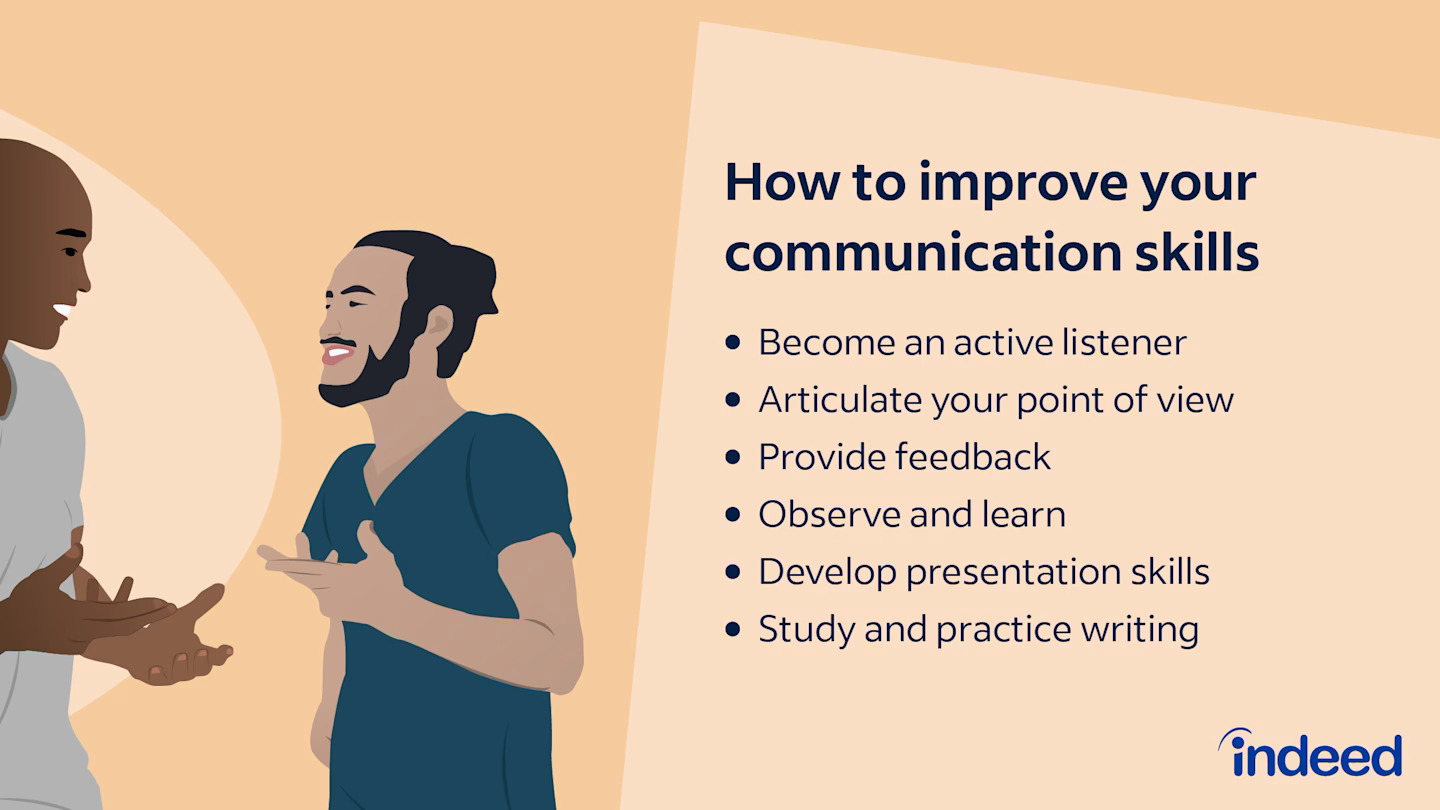
Communication skills are highly important in every sector, and they are a crucial need that brings more growth and empowerment to a career. Make sure to learn English and your regional language properly to communicate clearly without any fog of confusion. Both verbal and nonverbal communication skills are highly important in the workplace which also boosts productivity. Try to improve your formal communication by talking to your colleagues and taking cues from the seniors. This goes for internal communication with the workforce as well as interaction with customers and investors.
- Writing Skills
Writing skills are very important at your workplace even if you are not a content writer in the first place. Even if you are writing an email to your client, the email needs to be drafted properly. The same goes for an email that you want to send to the boss, the manager, or a fellow team leader. Therefore, it is safe to say that writing is vital for all kinds of career growth. Try to improve your writing skills by drafting more proposals, reports, presentations, and emails. You should also check your organization’s communication style guide and use AI-powered tools to proofread your writing. This can help you go a long way.
- Accepting Feedback like a Pro
Feedback and reviews are highly important for all kinds of businesses and brands, and those who can accept feedback like a pro are in high demand in the industry. When it comes to feedback, you should be prepared for both the good and positive ones as well as the negative ones. A lot of times, your company can get constructive criticism through feedback, and you should learn how to address it properly, which further enhances your performance and decision-making skills. You should always maintain a calm and professional attitude without sending a negative response out of anger.
- Flexibility and Adaptability
Flexibility in the workplace can be greatly rewarded through professional growth. A flexible employee can easily adapt to different teams and projects, which makes them versatile and easy to fit in. You must learn to adapt to different situations with additional responsibilities, which turns you into a valuable asset for the company. They will be less likely to lose you and more likely to put you in different roles and projects. Always stay open to new learning options and be prepared to take on different tasks and responsibilities at the same time. Learn to remain calm when sudden changes occur.
- Problem-solving Skills
Strong problem-solving skills in employees are well-appreciated by employers, as they help to identify issues and find the right solution to each problem. Professionals must learn how to opt for the optimal solution that offers effective results with its right implementation. Such skills can also help to innovate and resolve workplace conflicts with ease and resilience. In order to improve this skill, you must learn how to address each problem and find innovative solutions that can prevent it from happening. Always stay composed and collaborate with other teams to brainstorm ideas, which can further lead to an effective solution.
- Leadership
Leaders can bring positive change in the company or can help to mitigate serious issues, and that is why industry leaders are always in high demand. Leadership skills drive professional growth by accelerating career advancement, enhancing decision-making capabilities, and building strong professional networks. Strong leaders must help to accelerate advancement, and they should maintain clear communication with the employees to execute each project successfully. Effective leaders can create a strong influence among the workforce, which makes them loyal and motivated for the company. A leader should not just have IQ; EQ should be high too.
- Set Proper Goals
Setting goals for professional growth provides a clear roadmap that transforms broad career aspirations into measurable milestones and actionable steps. It is even more important to have a clear sense of direction with long-term career trajectories and precise priorities. Setting professional goals can offer you sustained growth and motivation that stays impactful. Goals for an employee should evolve with time, as after achieving your goal, you should move on to the next step, which is another goal.
- Conflict Resolution
Effectively managing your workplace conflicts can be a great virtue for employees. It can help to prevent unpleasant situations that occur without any notice. It can also help to reduce stress and maintain productivity for each employee. For conflict resolution, you must learn to stay calm and manage your emotions since you cannot resolve a conflict based on emotions. Clear communication and active listening are highly important in this case. Always make sure to identify the root of the issue, and then you can address it with your problem-solving and communication skills.
- Active Listening
In this era where online users are losing their patience and attention span, active listening remains one of the most important virtues that every employee should have. This skill is highly important for employees who work as leaders, team members, and communicators. You can try to improve this skill by minimizing your distractions, maintaining eye contact, and using open and approachable body language so the other person can talk with ease. Active listening can help you understand ideas better and further fuels innovation within the company.
- Patience
As mentioned already, modern-day users have low patience and attention spans, which is not really good when you are working as a professional. It can be hard to stay calm in the modern environment that is fast-paced and driven by deadlines. Cultivating patience can be beneficial in many aspects of a business, as it helps to avoid errors, make informed decisions, and reduce stress. Try to stay calm and patient during critical decision-making. Breathing practices are also quite effective in this case, as they allow you to stay still and maintain composure.
- Honesty
Well, there is no alternative to honesty, and it is a preferred virtue among all kinds of employees. Building a successful team within your company requires building trust among the employees. If you want to gain their trust, make sure to stay honest with your actions and words. Honesty can make you more trustworthy, and it improves your professional reputation in the market. As a result, you will be able to foster stronger professional bonds with lasting relationships. In order to demonstrate your honesty, be a person of your word and always stay true to your commitments. Learn to take responsibility for your mistakes, as accepting your wrong is the most honest thing you can do.
- Proving Impact
It is also important to track and monitor your progress to showcase your impact within the company. This is crucial for both organizational growth and personal growth. In order to highlight your contributions within the company, you can set specific goals aligned with key company objectives. Collaborate with management to understand company priorities and adjust your time management to meet these targets. You can regularly monitor your progress with the help of some simple tools, and it is more convenient when it is an AI-powered tool.
- Critical Thinking
Critical thinking is the ultimate catalyst for professional growth, empowering individuals to navigate complex workplaces with clarity and agility. In an evolving market, the ability to objectively analyze information, question assumptions, and evaluate alternatives ensures high-quality decision-making. This virtue can help employees make significant progress in a short time. Professionals who master this skill excel at strategic problem-solving, transforming unforeseen workplace obstacles into opportunities for innovation. Furthermore, critical thinking refines communication, allowing you to present data-driven arguments that build trust with stakeholders.
- Proactiveness
Proactiveness is the ultimate catalyst for professional growth because it transforms passive employees into indispensable organizational leaders. Taking early initiative helps ambitious individuals anticipate critical workplace challenges, seize hidden market opportunities, and drive meaningful innovation before being asked. It offers the benefits of skill expansion, risk mitigation, and high visibility. To become more proactive, consider the information stakeholders might need and provide it before they request it. Stay attuned to work patterns to anticipate the needs of your colleagues and act accordingly.
- Organizational Skills
Organizational skills are the foundation of professional growth, directly impacting your efficiency, reputation, and career advancement. Staying organized allows you to manage time effectively, meet deadlines consistently, and handle high-pressure workloads without burning out. In the workplace, these skills translate into high-quality output and reliability, which quickly builds trust with managers and stakeholders. As you demonstrate control over your daily responsibilities, you position yourself as a capable candidate for leadership roles and complex projects. Ultimately, organization transforms chaotic work environments into structured pathways for success, unlocking new promotions, increasing your productivity, and giving you the mental clarity needed to innovate and achieve long-term career goals.
- Perseverance
Perseverance is the engine of professional growth, transforming setbacks into valuable learning opportunities. The modern workplace is defined by rapid change, rejection, and complex challenges that talent alone cannot overcome. Employees who practice perseverance develop resilience and adaptability, allowing them to push through failed projects, skills gaps, or career plateaus.
This steady commitment to long-term goals builds deep expertise and signals reliability to leadership. Ultimately, those who endure do not just survive difficult professional phases; they outlast the competition, earn promotions, and turn obstacles into the stepping stones necessary for sustained career advancement and leadership.