The gut and brain are deeply connected. Let’s learn how gut health influences mood, stress, and mental wellness, plus simple habits that support both.
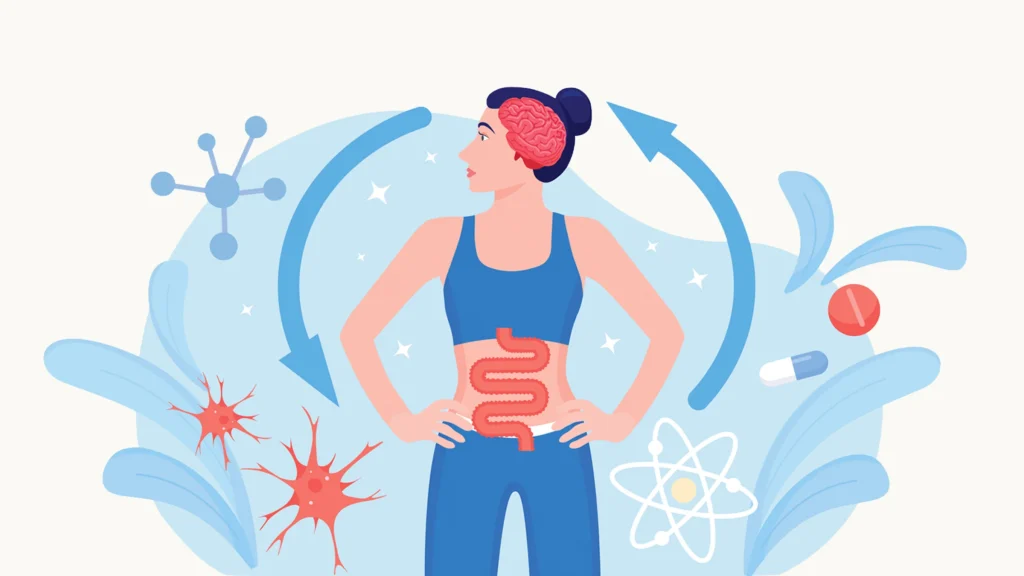
When people think about mental well-being, they often focus on the brain. However, growing research shows that the gut plays an equally important role. The gut and brain are constantly communicating through a complex network known as the gut-brain connection, influencing everything from mood and stress levels to appetite and daily behaviour. Scientists have also found that a large portion of the body’s serotonin, a chemical linked to mood regulation, is produced in the gut. This has sparked greater interest in how digestive health can affect emotional wellness. As researchers continue to explore this relationship, one thing is becoming clear: a healthy gut can support a healthier mind.
In this blog, we’ll explore how this fascinating connection works and what it means for your overall well-being.
What is the connection between your gut and brain?
The connection between your digestive system and your brain is known as the gut-brain axis. It is a communication network that allows both systems to constantly exchange information. This relationship is much deeper than many people realise. In fact, your digestive tract contains the enteric nervous system, a vast network made up of hundreds of millions of neurons. Because of its complexity, it is often called the body’s “second brain.” What makes it even more fascinating is that this system can function independently and manage many digestive processes on its own.
Several pathways help your gut and brain stay connected. The vagus nerve serves as a direct communication route, carrying signals between the two. At the same time, the trillions of microbes living in your gut produce important neurotransmitters, including serotonin, dopamine, and GABA, which are closely linked to mood, emotions, and mental well-being. In fact, around 90% of the body’s serotonin is produced in the gut. Your gut microbes also influence the immune system and can affect levels of inflammation, while hormonal pathways help connect stress responses with digestive function.
Researchers now understand that gut bacteria do far more than support digestion. They play a role in brain development, cognitive performance, emotional regulation, and overall mental health. This helps explain why digestive discomfort can sometimes leave you feeling anxious, stressed, or emotionally drained. The link between your gut and brain is not simply a feeling or a coincidence. It is a real biological connection that affects how you think, respond, and function every day, making gut health an important part of your overall well-being.
Why do you need to keep your gut healthy?
One of the most fascinating discoveries in modern health research is how closely your gut microbiome and brain work together. The trillions of bacteria living in your digestive system do much more than help break down food. They also influence the production of important neurotransmitters, which are chemical messengers that help regulate mood, emotions, and mental well-being. In fact, more than 90 percent of the body’s serotonin is produced in the gut. Gut bacteria also play a role in producing dopamine, GABA, and acetylcholine, all of which contribute to emotional balance and cognitive function.
Inflammation is another important part of this relationship. When the gut lining becomes compromised, harmful substances and bacterial toxins can enter the bloodstream and trigger immune responses. This process can increase inflammation throughout the body, including the brain. Research suggests that these inflammatory signals may contribute to symptoms linked to anxiety, stress, and depression, showing how digestive health can directly influence mental well-being.
The connection also works in the opposite direction. When you experience ongoing stress or anxiety, your body’s natural stress response can affect digestion and alter the balance of gut bacteria. This may lead to digestive discomfort, which can then worsen your emotional distress. In the long run, this creates a cycle in which gut health and mental health continuously influence one another, highlighting the importance of caring for both.
Certain bacteria also play major roles in mental well-being. Such as –
● Research continues to reveal how specific types of gut bacteria may influence emotional health. Among the most studied are Bifidobacterium and Lactobacillus, two beneficial bacteria that support digestion, strengthen the gut barrier, and help regulate inflammation. Studies have found that lower levels of these microbes are often associated with increased anxiety and stress-related symptoms. While they are only one part of a much larger ecosystem, their presence appears to play an important role in maintaining a balanced gut environment that supports mental well-being.
● Scientists have also observed links between depression and reduced levels of certain bacteria, including Coprococcus and Dialister. These microbes are believed to contribute to the production of compounds that support brain function and help regulate communication between the gut and nervous system. Lower amounts of these bacteria have been found more frequently in people experiencing depressive symptoms, suggesting that microbial diversity may be an important factor in emotional health.
● Another area of interest involves the balance between two major bacterial groups, Firmicutes and Bacteroidetes. These bacteria make up a significant portion of the gut microbiome and influence digestion, metabolism, and immune responses. When the balance between them becomes disrupted, it may contribute to inflammation and other biological changes that affect mental health. Although researchers are still exploring the details, growing evidence suggests that maintaining a healthy and diverse gut microbiome can support both digestive function and emotional wellness.
The Vagus Nerve
One of the most important links between your gut and brain is the vagus nerve. Often described as a communication highway, this nerve runs from the brain down through the body and connects with major organs, including the digestive system. It constantly carries messages in both directions, allowing the brain and gut to stay in close contact. Through this connection, changes in your digestive system can influence how you think and feel, while emotional stress can also affect digestion and gut function.
Researchers have spent years studying the role of the vagus nerve in the gut-brain connection, and the findings have been fascinating. Both human and animal studies suggest that this nerve plays a critical role in transmitting signals from the gut to the brain. Many of these signals are influenced by the trillions of microbes that live in the digestive tract. These microorganisms produce a variety of compounds and chemical messengers that can affect mood, stress responses, and overall mental well-being. The vagus nerve helps relay some of these messages, making it an important part of the communication network between the gut and the brain.
Animal research has provided some particularly interesting insights. In one study, mice that received probiotics, often referred to as beneficial or “good” bacteria, showed lower levels of stress-related chemicals in their blood. This suggested that improving the balance of gut bacteria could have a positive effect on stress responses. However, when the vagus nerve was severed, the same benefits were no longer observed. The findings indicated that the positive effects of the probiotics relied heavily on an intact vagus nerve to transmit signals from the gut to the brain. Although scientists are still uncovering the full extent of this relationship, current research highlights the vital role of the vagus nerve in connecting digestive health and mental well-being. It serves as a reminder that supporting your gut may also support a healthier and more balanced mind.
8 mental health conditions that may be connected to your gut microbiome
An imbalance in the gut microbiome can have a significant impact on both digestive and mental health. Growing research suggests that people experiencing digestive disorders are often more likely to face challenges such as anxiety and depression. Conditions including inflammatory bowel disease (IBD), Crohn’s disease, and ulcerative colitis have been linked to a higher risk of mental health concerns, highlighting the close relationship between the gut and the brain.
Experts note that these emotional challenges are not always a direct result of receiving a diagnosis. In many cases, anxiety and depression may exist alongside digestive disorders and can even influence how severe symptoms become over time. This connection has led researchers to take a closer look at the role of the gut microbiome in emotional well-being. As evidence continues to grow, studies are finding that disruptions in gut bacteria may be associated with several mental health conditions, further strengthening the link between digestive health and mental wellness. The diseases are –
1. Depression
Depression is one of the mental health conditions most frequently linked to changes in the gut microbiome. Researchers have found that an imbalance in gut bacteria, often referred to as dysbiosis, may affect the production of important neurotransmitters that help regulate mood. At the same time, disruptions in the gut can increase inflammation throughout the body, including the brain. These changes may contribute to symptoms commonly associated with depression, such as low mood, lack of motivation, and emotional distress. While depression is influenced by many factors, growing evidence suggests that maintaining a healthy gut may play a supportive role in your mental health.
2. Autism Spectrum Disorders (Asd)
Researchers are continuing to explore the connection between autism spectrum disorder (ASD) and the gut microbiome. Some studies suggest that changes in gut bacteria may influence certain behavioural and neurological features associated with ASD through the gut-brain axis. While the exact relationship is still being investigated, growing evidence points to the gut microbiome as one factor that may play a role in overall brain function and development.
3. Anxiety
Anxiety has also been linked to changes in the gut microbiome. Research suggests that certain gut bacteria may influence stress responses, mood regulation, and emotional balance through the gut-brain connection. Some bacterial strains appear to support mental health, while others may be associated with increased anxiety symptoms, highlighting the important role gut health can play in emotional health.
4. Schizophrenia
Emerging research suggests that the gut microbiome may also play a role in schizophrenia. Scientists are exploring how imbalances in gut bacteria could influence brain function, behaviour, and neurological processes. While this area of research is still developing, early findings point to a possible connection between gut health and this complex mental health condition.
5. Post-Traumatic Stress Disorder (Ptsd)
Researchers are also investigating the connection between the gut microbiome and post-traumatic stress disorder (PTSD). Changes in gut bacteria may influence how the body responds to stress and regulates inflammation, two factors closely linked to PTSD symptoms. Although research is still ongoing, findings suggest that gut health could play a role in the development and severity of the condition.
6. Bipolar Disorder
Studies have found a possible connection between bipolar disorder and the gut microbiome. Researchers believe that changes in gut bacteria may influence mood regulation, brain function, and cognitive performance through the gut-brain axis. While more research is needed, current findings suggest that gut health may be one factor involved in bipolar disorder.
7. Attention-Deficit/Hyperactivity Disorder (Adhd)
Researchers are increasingly exploring the connection between attention deficit hyperactivity disorder (ADHD) and the gut microbiome. Some studies suggest that imbalances in gut bacteria may influence brain processes involved in attention, focus, and behaviour. Because the gut and brain communicate through multiple biological pathways, changes in the microbiome could potentially affect symptoms such as inattention, impulsivity, and hyperactivity. Although this area of research is still developing, early findings indicate that gut health may play a role in supporting cognitive function and overall neurological well-being in people with ADHD.
8. Obsessive-Compulsive Disorder (Ocd)
Emerging research suggests that the gut microbiome may also be connected to obsessive-compulsive disorder (OCD). Scientists are investigating how certain types of gut bacteria could influence brain activity, emotional regulation, and behavioural patterns through the gut-brain axis. While the relationship is still being studied, some findings indicate that microbial imbalances may play a role in obsessive thoughts and compulsive behaviours. More research is needed to fully understand this complex connection.
How to improve your gut and mental health?
The connection between your gut and brain plays an important role in both mental and digestive health. Fortunately, a few simple daily habits can help support and strengthen this relationship. Here they are –
Nutrition –
Nutrition plays a central role in maintaining a healthy gut-brain connection. The foods you eat every day help shape the balance of bacteria living in your digestive system, which can influence both physical and mental well-being. A diet built around whole, nutrient-rich foods provides the foundation for a diverse and healthy gut microbiome while also helping to reduce inflammation throughout the body.
One of the most important nutrients for gut health is fibre. Beneficial gut bacteria rely on fibre as a source of fuel, helping them grow and thrive. Foods such as vegetables, fruits, legumes, nuts, seeds, and whole grains provide different types of fibre that support a wide range of microbes. This diversity is important because a balanced microbiome is generally associated with better digestion, stronger immune function, and improved communication between the gut and brain. Fibre also supports regular bowel movements, which contributes to overall digestive health.
Variety matters just as much as quantity. Eating a wide range of plant-based foods introduces different nutrients and fibre sources that help nourish multiple bacterial strains rather than just a few. Over time, this can encourage a more resilient and balanced gut environment. In contrast, diets high in heavily processed foods and low in fibre may reduce microbial diversity and contribute to inflammation. Making small but consistent improvements to your diet can have a meaningful impact on your gut health. Choosing colourful fruits and vegetables, adding more whole grains to meals, and including fibre-rich foods regularly can help support the gut-brain axis. These simple habits not only benefit digestion but may also contribute to better mood, focus, and overall well-being.
Probiotics –
Probiotic-rich foods can be a valuable addition to a gut-friendly diet. Foods such as yoghurt, kefir, kimchi, and sauerkraut contain beneficial bacteria that help support the balance of microorganisms in your digestive system. By introducing these helpful microbes, fermented foods may contribute to better digestive health and support the communication network between the gut and the brain. Some research even suggests that regular consumption of probiotic foods may influence brain activity and emotional well-being in positive ways.
Equally important are prebiotic foods, which act as fuel for the beneficial bacteria already living in your gut. Foods like bananas, legumes, onions, garlic, and whole grains contain fibres that nourish these microbes and help them thrive. When beneficial bacteria are well fed, they can produce compounds that support digestion, immune function, and overall health. Combining probiotic and prebiotic foods in your daily meals can help create a healthier and more diverse gut environment. Over time, this balanced internal ecosystem may support not only digestive function but also mood, mental well-being, and the important connection between your gut and brain.
High-quality sleep –
Getting regular, high-quality sleep is one of the simplest ways to support both your mental and digestive health. During sleep, your body carries out important repair processes that help maintain balance across multiple systems, including the gut and brain. Poor sleep can disrupt this connection, affecting mood, concentration, stress levels, and even digestive function.
Research suggests that inadequate sleep may alter the balance of gut bacteria and contribute to inflammation, which can have a negative impact on overall welfare. At the same time, digestive discomfort can make it harder to get restful sleep, creating a cycle that affects both physical and mental health. Building a consistent sleep routine, limiting late-night distractions, and prioritising adequate rest can help strengthen the gut-brain connection. With time, better sleep may support improved digestion, emotional balance, and overall wellness.
Regular exercise –
Regular exercise is beneficial for far more than physical fitness. It can also have a positive impact on your gut health and strengthen the connection between your digestive system and brain. When you stay active, your digestive system tends to function more efficiently, helping food and waste move through the intestines at a healthy pace. This can support digestive comfort and overall gut function.
Physical activity also encourages the growth of beneficial gut bacteria. These microbes produce compounds known as short-chain fatty acids, which help support the gut lining, reduce inflammation, and contribute to a healthier digestive environment. A stronger gut barrier is important because it helps protect the body from harmful substances while supporting balanced communication between the gut and the brain. Research suggests that moderate exercise performed regularly may increase levels of beneficial bacteria, including Faecalibacterium, a microbe often associated with better gut health. These bacteria are believed to play a role in reducing inflammation and supporting overall comfort. Some studies have found that around 30 to 60 minutes of moderate physical activity can encourage these positive changes in the gut microbiome.
Whether it is walking, cycling, swimming, or another form of movement you enjoy, regular exercise can be a simple and effective way to support both digestive and mental health while helping maintain a healthier gut-brain connection.
Stress management techniques –
Managing stress is an important part of supporting a healthy gut-brain connection. When stress becomes chronic, it can affect digestion, alter the balance of gut bacteria, and increase inflammation throughout the body. Over time, these changes may harm both digestive and mental healthhis is one reason why stress management is often considered an essential part of overall health.
Practices such as meditation, yoga, and deep breathing can help calm the nervous system and encourage a state of relaxation. These activities activate the parasympathetic nervous system, often referred to as the body’s rest and digest mode, which supports healthier digestive function and recovery from stress.
Research has also shown promising links between mindfulness practices and gut health. In one study, an eight-day meditation program was associated with increased levels of beneficial gut bacteria and anti-inflammatory compounds. While more research is needed, these findings suggest that simple stress reduction techniques may positively influence the gut microbiome and help support a healthier balance between the mind and body.
Summing it up…
The connection between your gut and brain plays a powerful role in overall health. As research continues to grow, it is becoming clear that supporting your digestive system can also benefit your mental health. Simple habits such as eating well, staying active, managing stress, and getting enough sleep can strengthen this relationship. If you pay attention to both your gut and mind, you can take meaningful steps toward better long-term health and balance.