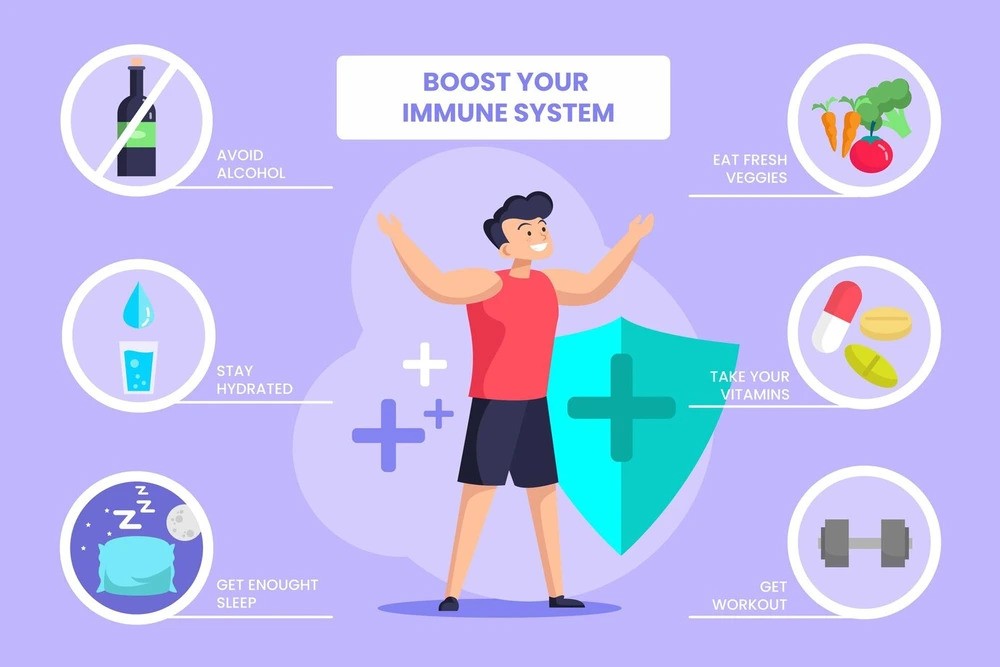
If you are willing to improve your heart health, learn the effective steps now. It can help you to achieve a satisfying result in a much easier manner.

Heart disease has become quite common all over the world. Previously, it was seen that only people above the age of 60 years used to get heart diseases. But with each passing day, its age range is reducing. Now, even individuals of 30 years are suffering from heart diseases. Thus, it can be said that it is truly a major problem, and everyone needs to be more conscious of their heart health. It is really important to take care of your heart. It can lead to many complicated health issues. This specific problem can make a huge impact on your health. It can reduce energy level, quality of life, and increase the risk of complicated cardiovascular problems in your body. That is why, pay more attention to effective strategies that can improve your heart health. This can improve your quality of life. Relying solely on medical treatments cannot be a long-term solution. Thus, focus more on other alternatives. Here are a few effective strategies that can be really helpful-
- Eat whole grains:
Whole grains are extremely good for our health. By eating whole grains like brown rice, oats, barley, quinoa, and whole-wheat products, you will get the chance to get more fiber and nutrients. According to research, it is seen that whole grains help to control blood sugar levels along with cholesterol levels. If you can make a little bit of change in your eating habits, then you will be able to see a much visible result. In addition to that, replacing refined carbohydrates with whole grains can be really useful in many ways. Such practice can significantly improve your health in a much easier way. If you are trying to take care of your heart health, then following this step can be really helpful. If you try to change your eating habits from an early stage, then you will reduce the chances of getting heart disease. Thus, it is a simple step that can be really useful for you.
- Consume more vegetables and fruits:
Fresh fruits and vegetables have the potential to support our heart health. All of them are filled with minerals, fiber, vitamins, and antioxidants. Each of them is extremely helpful in taking care of our heart health. Along with that, it is also effective in reducing inflammation in our bodies. Inflammation is one of the major problems that many individuals go through. It can lead to many complications in your body. That is why it is important to take care of this problem as well. In addition to that, fruits and vegetables are really useful in controlling blood pressure levels in our bodies. Along with that, it also has the potential to protect blood vessels from any kind of damage. If you include leafy greens, carrots, tomatoes, berries, and citrusy fruits in your diet, then you will get the chance to take care of your cardiovascular health. Thus, pay more attention to this for a better result.
- Limit processed foods:
Too many processed foods are not good for our bodies at all. All the processed foods are filled with high levels of unhealthy fats, sodium, and artificial additives. All of them have a massive negative impact on our health. All the young people are literally obsessed with processed foods. And it is one of the biggest mistakes they make. When you are trying to take care of your heart health, you need to pay more attention to your limit of processed food intake. It is really important to reduce the amount of consumption. If you can do this, then you will be able to support your cardiovascular health. While avoiding processed food consumption, you can try eating more home-cooked meals. Along with this, you should also add fresh fruits and vegetables to your diet. All these will help you to get the right nutrients and take care of your health in a much easier manner. Thus, it is an effective step that you need to implement.
- Reduce your sugar consumption:
Reducing added sugar is an important step toward improving heart health and overall wellness. Consuming excessive amounts of sugar has been linked to weight gain, obesity, type 2 diabetes, high blood pressure, and an increased risk of cardiovascular disease. Many foods and beverages, including soft drinks, flavoured coffees, candies, desserts, breakfast cereals, and processed snacks, contain significant amounts of hidden sugars that can quickly add up throughout the day. Reading nutrition labels carefully can help you identify products with high sugar content and make healthier choices. Whenever possible, choose natural alternatives such as fresh fruit to satisfy sweet cravings. Drinking water, unsweetened tea, or other low-sugar beverages can also reduce daily sugar intake. Making gradual changes to limit added sugars can support healthy blood pressure, improve weight management, stabilize energy levels, and reduce strain on the cardiovascular system, contributing to better long-term heart health.
- Walk every day:
Walking is one of the simplest, safest, and most effective ways to improve heart health naturally. Unlike many forms of exercise, walking requires no special equipment, gym membership, or advanced fitness level, making it accessible to people of all ages. A brisk walk helps strengthen the heart muscle, improve circulation, and increase the body’s ability to use oxygen efficiently. Regular walking can also help lower blood pressure, reduce bad cholesterol levels, maintain a healthy weight, and decrease the risk of developing cardiovascular disease. Beyond its physical benefits, walking can reduce stress and improve mood, both of which play important roles in heart health. Aim for at least 30 minutes of brisk walking most days of the week. If finding a full half-hour is difficult, break it into shorter sessions throughout the day. Consistency is key, and even small amounts of daily movement can lead to significant long-term heart health benefits.
- Stay physically active:
Regular exercise can be really helpful for your heart health. If you stay physically active, then you will get the chance to take care of your muscle health and circulation. This can make a huge impact on your heart health. By doing exercise daily, you will get the chance to improve your heart health. In addition to that, it can help control weight, cholesterol level, and blood pressure. If you can do so, then you will be able to take care of your body in a much easier manner. By working out for 150 minutes every week, you will be able to improve your health. If you are just starting out, then you can start small. Try doing 30 minutes of workout for 3 days. And then increase it gradually. If you can do so, then you will be able to improve your heart condition. This is quite a simple yet effective step. It can be extremely useful for you.
- Prioritize sleep:
Quality sleep is essential for maintaining a healthy heart and supporting overall well-being. During sleep, the body performs important restorative processes that help regulate blood pressure, heart rate, and hormone levels. Consistently getting too little sleep or experiencing poor sleep quality can increase the risk of high blood pressure, inflammation, obesity, diabetes, and cardiovascular disease. Most adults should aim for seven to nine hours of uninterrupted sleep each night. Establishing a consistent sleep schedule by going to bed and waking up at the same time every day can help improve sleep quality and support the body’s natural rhythms. Creating a relaxing bedtime routine, limiting screen exposure before bed, and keeping the bedroom cool and comfortable can also promote better rest. Good sleep not only benefits physical health but also improves mood, concentration, and energy levels. By making quality sleep a priority, you can support heart function, reduce cardiovascular risk factors, and enhance your overall health and quality of life.
- Maintain a healthy weight:
Maintaining a healthy weight is an important part of protecting your heart and supporting overall health. Carrying excess body weight forces the heart to work harder to pump blood throughout the body, increasing the risk of high blood pressure, high cholesterol, type 2 diabetes, and cardiovascular disease. Even a modest reduction in weight can lead to significant improvements in heart health and reduce strain on the circulatory system. Rather than relying on restrictive or extreme diets, focus on sustainable lifestyle habits that can be maintained long term. Eating a balanced diet rich in fruits, vegetables, whole grains, lean proteins, and healthy fats can support healthy weight management. Regular physical activity, including walking, cycling, or strength training, also plays a key role in maintaining a healthy weight. Consistent, gradual progress is often more effective and healthier than rapid weight-loss approaches that are difficult to sustain over time.
- Quit smoking:
Smoking damages your health the most. It is seen that smoking damages your blood vessels, reduces oxygen delivery to your body, and eventually increases the chance of getting heart disease. If you keep on smoking for years, then after some time you will face many issues like shortness of breath, low energy level, tiredness, and more. All these lead to more chances of heart disease. That is why every individual who is trying to take care of their heart health needs to quit smoking. And you will get to see the benefit of it almost immediately. Quitting smoking can lead to improved circulation and oxygen supply. It can then help to reduce the chances of getting cardiovascular issues. So, when you are trying to improve your heart health, you need to implement this strategy. It can be really helpful for you.
- Avoid secondhand smoke:
Even if you do not smoke, you can increase your chances of getting cardiovascular diseases through secondhand smoke. This kind of smoking also has a great impact on your health. When you are trying to take care of your heart, you need to be conscious of this as well. Research has shown that regular exposure to secondhand smoke can raise blood pressure, reduce the amount of oxygen in the blood, and contribute to the buildup of plaque in the arteries. People who spend time in smoke-filled environments may face a higher risk of heart disease, stroke, and other health complications. To reduce exposure, choose smoke-free public places, encourage smoke-free homes and vehicles, and avoid areas where smoking is common whenever possible. Protecting yourself from secondhand smoke supports healthier circulation, improves blood vessel function, and helps lower the risk of cardiovascular problems. Small preventive actions can make a meaningful difference in maintaining long-term heart health and wellness.
- Manage stress:
Stress is another of the most harmful things for your health. Chronic stress can lead to cardiovascular problems in your body. It can increase blood pressure levels and trigger many unhealthy habits. That is why it is really important to learn how to manage stress. If you do not manage stress, you will be able to see many problems in your body. You might see any negative impact on your body immediately, but later it can cause many problems. That is why, pay more attention to doing yoga, deep breathing, meditation, mindfulness, and more. All these have the potential to reduce stress and support heart health. If you start doing this practice, then you will be able to save your heart from any kind of disease. Therefore, it is another step that can be really useful for you.
- Pay attention to your cholesterol level:
Keeping cholesterol under control is an important part of protecting your heart and blood vessels. High levels of LDL, often called ‘bad’ cholesterol, can contribute to the buildup of plaque inside the arteries. Over time, this buildup may narrow the arteries, reduce blood flow, and increase the risk of heart attacks, strokes, and other cardiovascular problems. A heart-friendly diet can help maintain healthier cholesterol levels naturally. Focus on foods that are rich in soluble fiber, such as oats, beans, lentils, fruits, and vegetables, because fiber helps remove excess cholesterol from the body. Including healthy fats from sources like olive oil, nuts, seeds, and fatty fish can also support a better cholesterol balance. Limiting foods high in trans fats and excessive saturated fats is equally important. Combined with regular physical activity and a healthy lifestyle, these dietary choices can improve cardiovascular function and support long-term heart health.
- Monitor your blood pressure:
Higher blood pressure is a common indication of a heart issue. That is why every individual should do regular blood pressure monitoring. If you do so, then you will get the chance to notice any changes quickly and take the right action as soon as possible. Everyone needs to pay more attention to keeping their blood pressure within a healthy range. This can reduce strain on your heart and lower the chances of getting heart attacks and strokes. If you can do so, then you will be able to take care of your health in a much easier manner. You should pay attention to this from early on. It is one of the things that can give you an indication of whether you are healthy or not. It is another helpful method that can be really useful for you.
- Reduce sodium consumption:
Reducing sodium intake is an effective way to support heart health and maintain healthy blood pressure levels. Consuming too much sodium can cause the body to retain excess fluid, which increases blood pressure and forces the heart to work harder. Over time, this added strain can raise the risk of heart disease, stroke, and other cardiovascular problems. Many people consume more sodium than they realize because it is commonly found in processed foods, packaged snacks, canned soups, fast food, and ready-made meals. Reading nutrition labels and choosing lower-sodium options can help you make healthier decisions. Focus on eating fresh fruits, vegetables, whole grains, and lean proteins whenever possible. When preparing meals, enhance flavor with herbs, spices, garlic, lemon juice, and other natural seasonings instead of relying heavily on salt. Small reductions in sodium intake can lead to meaningful improvements in blood pressure and contribute to better long-term cardiovascular health and overall wellness.
- Add Omega-3 fatty acids:
Omega-3 fatty acids are known for their heart-protective properties. This can help to take care of your heart and maintain its health. In addition to that, it can help improve your blood vessel function, which is considered one of the most important things for better heart health. In addition to that, it can also help to reduce inflammation in your body. If you add Omega-3 fatty acids to your diet, then you will get the chance to look after your heart in a hassle-free manner. At such a time, you can eat salmon, mackerel, sardines, flaxseeds, and walnuts. All of them are extremely good for our heart health. If you consume them, then you will be able to protect your heart in a much easier manner. Therefore, it is a strategy that can be really helpful for you.
- Eat more fiber:
Increasing your fiber intake is a simple and effective way to support heart health and overall wellness. Dietary fiber, particularly soluble fiber, plays an important role in lowering LDL (‘bad’) cholesterol levels by helping remove excess cholesterol from the body. This can reduce the risk of plaque buildup in the arteries and support healthy cardiovascular function. Fiber also promotes healthy digestion, supports balanced blood sugar levels, and helps you feel fuller for longer, which can assist with weight management. Maintaining a healthy weight is another important factor in reducing the risk of heart disease. Excellent sources of fiber include beans, lentils, chickpeas, oats, barley, fruits, vegetables, nuts, seeds, and whole grains. Adding a variety of these foods to your daily meals can significantly increase your fiber intake. To maximize the benefits, increase fiber gradually and drink plenty of water throughout the day. Consistently consuming fiber-rich foods can contribute to better cholesterol levels, improved digestion, and long-term heart health.
- Stay hydrated:
Hydration is another important step that can be really great for your body. If you are hydrated, then you will get the chance to support circulation in your body in a much easier manner. Along with that, it will also assist in pumping blood more efficiently. If there are any kind of issues related to blood pumping in your body, you might collapse immediately. That is why it is really important to see whether you are hydrated or not. Everyone needs to focus more on hydration. If your body is hydrated in the right manner, then you will be able to take care of your overall cardiovascular function. Along with that, it will also assist your body to function properly. Therefore, it is a step that can be truly useful for you. Pay more attention to your daily water intake. It can help you in many ways.
- Opt for portion control:
Practicing portion control is an important habit for maintaining a healthy weight and supporting long-term heart health. While nutritious foods provide essential vitamins, minerals, and energy, consuming large portions can still lead to excess calorie intake and gradual weight gain. Carrying extra weight can increase the risk of high blood pressure, high cholesterol, type 2 diabetes, and other conditions that place additional strain on the cardiovascular system. Learning appropriate portion sizes can help you enjoy a balanced diet without overeating. Simple strategies include using smaller plates, paying attention to hunger and fullness cues, measuring servings when necessary, and avoiding distractions while eating. Taking time to eat slowly can also help prevent consuming more food than your body needs. By managing portion sizes consistently, you can better control calorie intake, support healthy weight management, and reduce stress on the heart. Small changes in eating habits can contribute to significant long-term cardiovascular benefits.
- Limit alcohol consumption:
Limiting alcohol consumption can play an important role in protecting heart health and reducing cardiovascular risk. Drinking excessive amounts of alcohol may raise blood pressure, contribute to weight gain, increase triglyceride levels, and place added strain on the heart. Over time, heavy alcohol use can increase the likelihood of developing heart disease and other serious health conditions. If you choose to drink alcohol, moderation is essential. Being mindful of how much and how often you drink can help reduce potential health risks. Some individuals may benefit from cutting back significantly or avoiding alcohol altogether, particularly if they have existing heart-related concerns or other health conditions. Choosing healthier lifestyle habits, staying hydrated, and focusing on balanced nutrition can support long-term cardiovascular wellness and overall health. Small changes in alcohol consumption can make a meaningful difference over time.
Following the right steps can help you to take care of your heart in a much easier way. All of them can make a huge positive impact on your body. Thus, achieving long-term benefits will be much easier with these strategies.