Explore the best murder mystery novels, from clever detectives to chilling villains, with gripping plots, unexpected twists, and unforgettable characters that keep you guessing.
A great murder mystery can make you forget everything else, keeping you hooked until the final reveal. It’s not about the gore, but the puzzle, the clever clues, the locked rooms, the suspicious neighbors, and the suspects who all seem to have something to hide. From Agatha Christie’s timeless whodunits and Patricia Highsmith’s psychological tension to Robert Galbraith’s modern detective stories and Patricia Cornwell’s gripping investigations, the genre offers plenty to keep you guessing. Narrowing the list down to fourteen wasn’t easy, but these novels stand out for their twists, memorable characters, and clever storytelling. If you love questioning every detail and trying to solve the crime before the detective does, these murder mystery books deserve a place on your reading list.
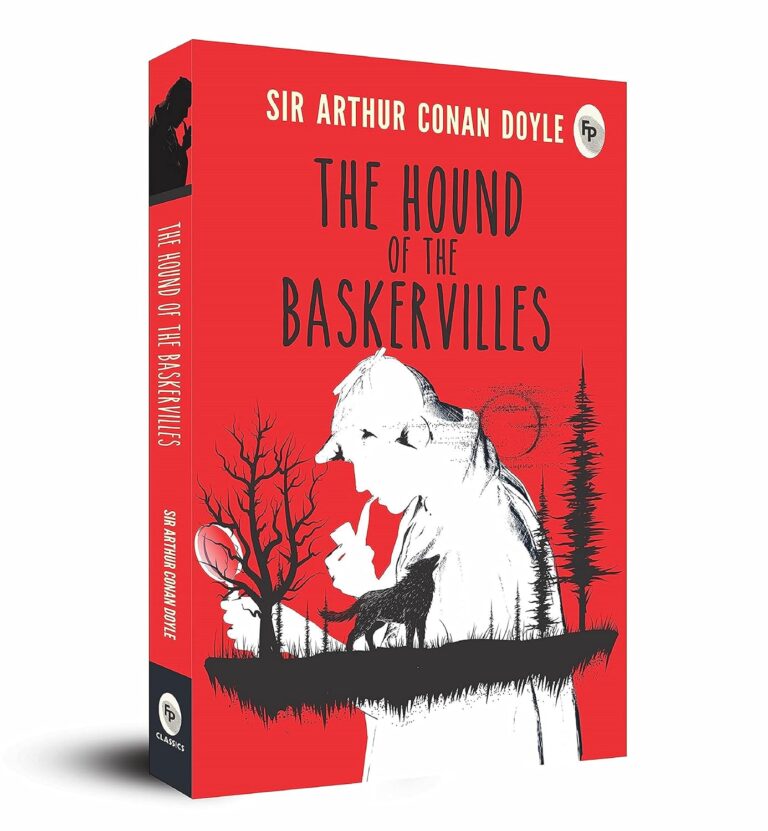
1. The Hound of the Baskervilles by Arthur Conan Doyle (1902)
Arthur Conan Doyle wrote four Sherlock Holmes novels and fifty-six short stories, yet his creation became one of the most recognizable characters in literary history. Holmes remains instantly familiar across generations, proving the extraordinary power of a brilliantly imagined detective. What makes Doyle’s work so compelling is the depth of his characters, from the formidable Professor Moriarty to Dr Watson, whose loyalty and decency make him far more than Holmes’s sidekick. Then there is Mycroft, Sherlock’s even cleverer elder brother, whose understated brilliance adds another fascinating layer to the stories.
Doyle also understood how to make readers root for an unconventional hero. Holmes’s uneasy relationship with authority sets him apart, making his victories all the more satisfying. If you love murder mysteries built on sharp observation, intricate clues, and unforgettable characters, his work remains essential reading. The Hound of the Baskervilles stands out as a masterpiece and an excellent introduction to Holmes, particularly for younger readers. Its eerie atmosphere, suspenseful mystery, and clever storytelling show exactly why Doyle’s detective continues to captivate readers worldwide.
2. The Day of the Jackal by Frederick Forsyth (1973)
Frederick Forsyth remains one of the finest thriller writers of his generation, and The Day of the Jackal stands as a masterclass in building suspense. Rejected by publishers before becoming an overnight bestseller, the novel proves that an unconventional story can find its audience when the writing is strong enough. Forsyth takes you inside the meticulous planning of a professional assassin hired to kill French President Charles de Gaulle, turning every preparation, disguise, and calculated move into a gripping part of the story.
The fascinating part is that you already know de Gaulle survived and lived to an old age, yet that knowledge does little to diminish the tension. Forsyth understood that a great thriller is not simply about whether the plan succeeds, but how dangerously close it comes to working. His precise research and attention to detail make the narrative feel remarkably convincing.
Forsyth died in June 2025, leaving behind a remarkable literary legacy. His work deserves lasting recognition, and The Day of the Jackal remains essential reading for anyone who loves intelligent, meticulously crafted thrillers.
3. Gone Girl by Gillian Flynn (2011)
Gillian Flynn’s Gone Girl is psychological suspense at its finest, drawing you into a marriage where nothing is quite what it seems and every revelation leaves you questioning what you thought you knew. When a wife disappears on her fifth wedding anniversary, her husband reports her missing, but a staged crime scene, a suspicious diary, and mounting evidence soon turn him into the prime suspect. What begins as a missing-person investigation quickly becomes a disturbing examination of a relationship hiding far darker secrets than anyone could imagine.
Flynn’s greatest achievement lies in how cleverly she manipulates your sympathies, making you reconsider your judgment as the story unfolds. Just when you believe you understand who is telling the truth, another revelation changes everything, leaving you uncertain about whom to trust. That constant shift in perspective makes the novel particularly compelling.
Neither character is easy to admire, and that is precisely what makes their twisted relationship so fascinating. Gone Girl is a chilling, expertly constructed thriller about deception, manipulation, and two people who may be perfectly matched for all the wrong reasons.
4. An Officer and a Spy by Robert Harris (2013)
Patricia Highsmith’s The Talented Mr Ripley is a chilling masterpiece that examines the darkest corners of human nature while making you strangely fascinated by the very person you should despise. Tom Ripley is manipulative, calculating, and capable of extraordinary cruelty, yet his actions keep you turning the pages because you cannot help wondering what he will do next. Highsmith’s greatest achievement is making such a morally disturbing character impossible to ignore.
There is an undeniable fascination with fictional villains, particularly those who operate without the boundaries that govern ordinary people. While a good-hearted protagonist can offer comfort and familiarity, a character like Ripley introduces unpredictability, forcing you to question your own reactions as the story unfolds. You may condemn his behavior, yet remain eager to follow his next move.
This appeal extends beyond Highsmith’s work. In Jeffrey Archer’s William Warwick series, the criminal mastermind Miles Faulkner often attracts considerable attention because of his ruthless intelligence and the misery he brings to others. Characters like these demonstrate why a brilliantly written villain can sometimes become the most memorable figure in a novel, challenging your understanding of morality and human behavior.
5. The Mermaids Singing by Val McDermid (1995)
Val McDermid’s crime fiction stands out for its unsettling psychological depth, and this novel introduces Tony Hill, a criminal profiler whose intelligence and personal flaws make him a compelling character. Familiar to television audiences through Robson Green’s portrayal in the successful series Wire in the Blood, Hill brings a fascinating perspective to an investigation that explores the darkest corners of the human mind. Set in a small English town, the story draws you into a disturbing case involving a serial killer, where the truth is far more complicated than it first appears.
What makes McDermid’s writing particularly effective is the way she connects the psychological complexities of her characters with the brutality of the crimes. Rather than relying solely on shocking revelations, she builds tension through human behavior, unsettling motivations, and the gradual uncovering of disturbing truths. You are encouraged to look beyond the evidence and consider what drives people towards terrible acts.
For readers who appreciate intelligent crime fiction with a dark psychological edge, this is a standout work that demonstrates McDermid’s skill at making a murder mystery both gripping and thought-provoking.
6. Pretty Girls by Karin Slaughter (2015)
Karin Slaughter’s Pretty Girls is a gripping crime thriller that explores the devastating impact of loss, the strength of family bonds, and the secrets that can remain buried for years. When sisters Claire and Lydia are brought back together by the long-unsolved disappearance of their third sister, Julia, the past begins to unravel in ways neither could have anticipated. What follows is a disturbing journey through painful memories, hidden truths, and revelations that challenge everything they thought they understood about their family.
Slaughter’s greatest strength lies in her ability to create characters whose struggles feel painfully real, drawing you into their lives even when the subject matter becomes difficult to confront. She does not shy away from the darkness that can exist beneath the surface of ordinary relationships, giving the story an emotional weight that extends beyond its central mystery. The unexpected twists are carefully executed, keeping you guessing while deepening your understanding of the characters and their motivations.
For readers who appreciate crime fiction with genuine emotional depth, Pretty Girls delivers a powerful combination of suspense, psychological complexity, and unforgettable storytelling.
7. I Let You Go by Clare Mackintosh (2011)
Clare Mackintosh delivers a compelling crime thriller that combines emotional depth with suspense, keeping you guessing long after the opening chapters. What begins with a terrible accident gradually unfolds into a more complicated story of love, loss, and the desperate measures people take to escape their past. Just when you think you have connected the clues and worked out the truth, the narrative takes another turn, challenging your assumptions and revealing how little you really know.
One of the novel’s greatest strengths is its ability to balance the emotional struggles of its characters with the demands of a gripping mystery. The heartbreak at the center of the story gives the suspense a deeper purpose, making the revelations more powerful because you understand what the characters stand to lose. Mackintosh’s former career in the police force also brings credibility to the investigative details, adding realism to the unfolding events without slowing the pace.
For readers who appreciate crime fiction grounded in believable human behavior, this is a rewarding choice. Its carefully placed twists and emotional complexity make it a novel that stays with you beyond the final page.
8. Tinker Tailor Soldier Spy by John le Carré (1974)
John le Carré remains a towering figure in espionage fiction, although his earlier works have a particular charm that deserves more attention. Call for the Dead and A Murder of Quality, the first two novels featuring George Smiley, are relatively short but deliver remarkable depth, proving that a gripping mystery does not need hundreds of pages to leave a lasting impression. Their economical storytelling, sharp characterization, and carefully constructed intrigue make them excellent starting points for anyone discovering le Carré’s work.
At the center of these stories is Smiley, one of the most memorable characters in English literature. Unlike the glamorous spies often found in popular thrillers, he relies on patience, intelligence, and an extraordinary ability to understand human behavior. His understated presence gives the mysteries much of their power.
For a screen adaptation worth seeking out, the 1979 BBC series starring Alec Guinness remains essential viewing, even if younger audiences recognize Gary Oldman from the more recent film. Le Carré died in December 2020, leaving a legacy that continues to define intelligent, character-driven espionage fiction.
9. Game, Set & Match Trilogy by Len Deighton (1983)
Choosing a Len Deighton novel is no easy task, particularly when SS-GB, his imaginative thriller about a Britain defeated in the Second World War, offers such a compelling alternative. However, Game, Set & Match stands out for sustaining its energy, intrigue, and suspense across an entire trilogy, giving readers a much larger story to immerse themselves in. Deighton demonstrates remarkable control over the narrative, keeping you engaged through political maneuvering, personal complications, and the uncertainties of intelligence work.
While Harry Palmer, famously portrayed by Michael Caine on screen, remains Deighton’s best-known creation, this trilogy centers on Bernard Samson, an older and more disillusioned intelligence officer whose experience gives the stories a different kind of depth. Samson is a fascinating guide through a world where loyalty is complicated, and trust can prove dangerous.
Often compared to John le Carré, Deighton earned a reputation as the angry young man of espionage fiction, bringing a distinctive edge to the genre. Although his books may have slipped from popular attention, their sharp writing and compelling storytelling deserve renewed appreciation from anyone who loves intelligent spy thrillers.
10. The Firm by John Grisham (1991)
John Grisham’s The Firm remains one of the finest examples of blockbuster storytelling, combining high stakes, sharp plotting, and a pace that makes it difficult to put down. Although it was an early work in his career, the novel became his best-known title and continues to stand out among his many successful legal thrillers. Grisham understands how to build a story that keeps you invested, moving from one revelation to the next without losing sight of the characters at its center.
What makes a novel truly successful is an interesting question. A gripping plot matters, but memorable characters can be just as important, particularly when their choices and motivations keep you emotionally involved. Grisham gets this balance right, creating a compelling world where ambition, danger, and moral dilemmas drive the narrative forward.
The novel reached an even wider audience through its acclaimed film adaptation, starring Tom Cruise in a memorable leading performance. If you enjoy intelligent legal thrillers packed with suspense and cinematic storytelling, The Firm remains an excellent choice, demonstrating why Grisham continues to attract readers around the world.
11. Heresy by S.J. Parris (2010)
S.J. Parris brings the Elizabethan era vividly to life through historical mysteries that combine meticulous research with compelling storytelling. Her novel Heresy follows Giordano Bruno, a former monk, spy for Queen Elizabeth I, and exceptionally intelligent priest whose curiosity repeatedly draws him into dangerous situations. Sent to Oxford, Bruno becomes entangled in a Catholic conspiracy that threatens to expose secrets reaching far beyond the university walls.
What makes the novel particularly engaging is the way Parris develops its theological, political, and personal threads without losing the momentum of the central mystery. Bruno is an intelligent yet unpredictable protagonist who often finds himself in trouble, only to rely on his sharp mind to navigate the danger. His character gives the story a strong sense of continuity, making you eager to follow his next investigation.
Parris understands that a successful historical mystery needs more than an authentic setting; it needs a protagonist worth returning to. If you enjoy richly researched historical crime fiction, particularly the kind associated with C.J. Sansom, Heresy is an excellent choice from a writer who deserves your attention.
12. Shardlake by C. J. Sansom (2003)
C.J. Sansom deserves far greater recognition as one of the finest historical crime writers of recent decades. His novels offer the depth and historical richness associated with Hilary Mantel, yet his storytelling remains accessible and engaging, drawing you into the past without making the journey feel demanding. If you enjoy mysteries that combine political intrigue with believable characters and carefully researched history, Sansom is an author worth discovering.
His seven Matthew Shardlake novels, beginning with Dissolution in 2003 and concluding with Tombland in 2018, follow a lawyer navigating the religious and political upheaval of Tudor England. Through Shardlake, you encounter powerful figures such as Thomas Cromwell, Thomas Cranmer, Catherine Parr, and the young Princess Elizabeth, while also witnessing the struggles of ordinary people caught in extraordinary times. The result is historical fiction that reads like a compelling investigation into the past.
Sansom died in April 2024, aged seventy-one, after writing through years of serious illness. His contribution to historical crime fiction remains remarkable. Start with Dissolution and read the series in order. You will discover a world worth staying in.
13. The Hunt for Red October by Tom Clancy (1984)
Tom Clancy’s The Hunt for Red October arrived with enormous success, shooting straight to the top of the bestseller lists and capturing the attention of readers around the world. Viewed through a modern lens, its premise might seem far-fetched, with a Russian submarine carrying nuclear warheads managing to approach the coast of Florida. Yet understanding the political climate in which the novel appeared makes its impact much easier to appreciate.
During the Cold War, tensions between the United States and the Soviet Union fueled genuine fears of nuclear confrontation, and the Cuban Missile Crisis remained a powerful reminder of how close the world could come to catastrophe. Clancy tapped into those anxieties and turned them into a gripping story of military strategy, political mistrust, and dangerous decisions made beneath the ocean’s surface.
What makes the novel so effective is its ability to transform complex military details into compelling entertainment without losing the sense of real-world danger. You are drawn into a high-stakes game where every decision matters and the consequences could be devastating. The Hunt for Red October remains a landmark thriller that captures the fears and tensions of its era.