We all need a little push to proceed in life, and books are a great tool for that. Let’s find the most powerful books that help to change your life positively.
Books are not just stories but can be considered tools for wisdom and becoming your better self. There are many kinds of books that are written just to empower individuals with thoughts and perceptions that can help them navigate life better. Being an adult and taking care of yourself is not easy, but books can help. Let’s find the top 27 tips that can change your life.
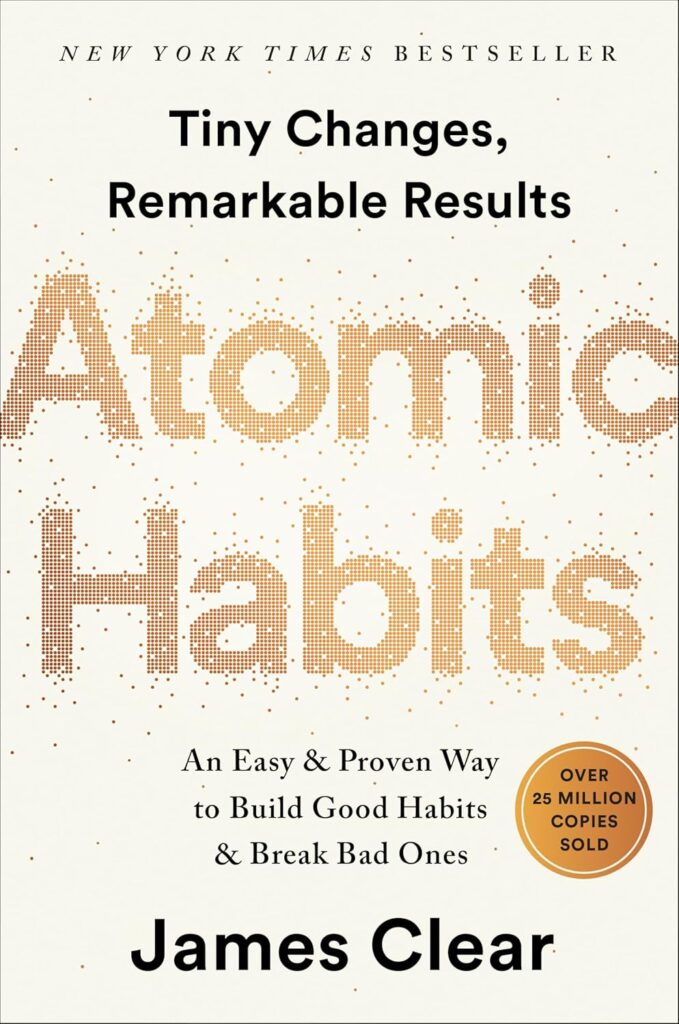
- Atomic Habits – James Clear
Many of you are already aware of this book, as it has gained global popularity. Author James Clear has done a remarkable job in writing this book that can help us organize our lives better. The book argues that tiny changes, repeated daily, can lead to remarkable long-term results. Clear introduces concepts such as identity-based habits, habit stacking, and the Four Laws of Behavior Change: make habits obvious, attractive, easy, and satisfying. Drawing on psychology, neuroscience, and real-life examples, he explains how environments shape behavior and how systems matter more than goals. The book offers actionable strategies for achieving lasting personal and professional growth.
- The Expectation Effect – David Robson
The Expectation Effect by David Robson explores how our beliefs and expectations can profoundly influence our physical health, mental performance, and overall well-being. Drawing on scientific research in psychology, neuroscience, and medicine, Robson demonstrates that expectations can affect outcomes ranging from stress and exercise benefits to learning and aging. The book examines phenomena such as the placebo effect and self-fulfilling prophecies, showing how mindset shapes reality. Through compelling studies and practical insights, it offers strategies for harnessing positive expectations to improve performance, resilience, health, and quality of life.
- The Upside of Stress – Kelly McGonigal
This work of the Ph.D scholar is truly empowering and proven to bring changes in many individuals’ lives. Written by Kelly McGonigal, the book challenges the common belief that stress is always harmful. Drawing on research from psychology, neuroscience, and health science, McGonigal argues that how we think about stress significantly influences its effects on our bodies and minds. The book shows that stress can enhance resilience, motivation, performance, and social connection when viewed as a natural response to challenges. Through scientific evidence, real-life stories, and practical exercises, it teaches readers how to reframe stress, embrace adversity, and use difficult experiences as opportunities for growth, strength, and well-being.
- So Good They Can’t Ignore You – Cal Newport
This book questions the idea of passion over a job and offers a new perspective on life. This book by Newport challenges the popular advice to “follow your passion.” Newport argues that passion often develops after gaining expertise rather than preceding it. Through research and real-world examples, he introduces the concept of “career capital”, valuable skills that make a person indispensable. The book explains how mastering rare and valuable abilities can lead to greater autonomy, creativity, and fulfillment at work. Newport encourages readers to focus on deliberate practice, continuous improvement, and meaningful contributions, showing that exceptional skill, not preexisting passion, is the foundation of a rewarding career.
- The Innovator’s Dilemma – Clayton M. Christensen
The Innovator’s Dilemma by Clayton Christensen examines why successful companies often fail when faced with disruptive innovations. Christensen argues that well-managed firms focus on improving products for their existing customers, which can cause them to overlook emerging technologies that initially serve smaller or less profitable markets. Over time, these disruptive innovations improve and eventually challenge established leaders. Using case studies from various industries, the book explains how market dynamics, customer demands, and organizational processes contribute to this dilemma. It offers valuable insights for managers, entrepreneurs, and innovators seeking to navigate technological change and sustain long-term success.
- Influence – Robert B. Cialdini
Find out what influences you with his thought-provoking creation. ‘Influence: The Psychology of Persuasion’ by Robert B. Cialdini explores the psychology behind why people say “yes” and how persuasion works. Drawing on decades of research and real-world observations, Cialdini identifies six key principles of influence: reciprocity, commitment and consistency, social proof, liking, authority, and scarcity. The book explains how marketers, salespeople, leaders, and everyday individuals use these principles to shape decisions and behavior. Through engaging examples and practical insights, it helps readers recognize persuasive tactics, make better decisions, and ethically apply influence to improve communication, negotiation, leadership, and personal effectiveness.
- The 4-Hour Workweek – Tim Ferriss
‘The 4-Hour Workweek’ by Tim Ferriss challenges traditional ideas about work, retirement, and success. Ferriss advocates designing a lifestyle that prioritizes freedom, mobility, and meaningful experiences rather than long hours and delayed rewards. He introduces the DEAL framework—Definition, Elimination, Automation, and Liberation to help readers increase productivity, outsource low-value tasks, create automated income streams, and work remotely. Through case studies, practical tools, and unconventional strategies, the book encourages individuals to escape the “9-to-5” mindset and build a life with greater flexibility and control. Its central message is to work smarter, not simply harder.
- Dopamine Nation – Anna Lembke
Wouldn’t it be great if you could control the chemical in your body that makes you happy? ‘Dopamine Nation’ by Anna Lembke examines how the modern pursuit of pleasure contributes to addiction, compulsive behaviors, and dissatisfaction. Drawing on neuroscience, clinical experience, and patient stories, Lembke explains the role of dopamine in regulating reward, motivation, and pain. She argues that constant access to highly stimulating activities, from social media to shopping and substances, can disrupt the brain’s balance, leading to cravings and emotional distress. The book offers practical strategies for restoring equilibrium through moderation, self-awareness, honesty, and periods of abstinence. Its central message is that managing pleasure wisely can foster resilience, fulfillment, and well-being.
- The Denial of Death – Ernest Becker
This book is as compelling as its name suggests, and the author has done a great job. The Denial of Death by Ernest Becker explores how the awareness of mortality shapes human behavior. Becker argues that much of human activity, achievement, status-seeking, religion, culture, and personal ambition is driven by an unconscious effort to cope with the fear of death. Drawing on psychology, philosophy, anthropology, and psychoanalytic theory, he suggests that people create “hero systems” to achieve a sense of meaning and symbolic immortality. The book examines the tensions between our physical vulnerability and our desire for significance. Its central message is that understanding mortality can lead to greater self-awareness, authenticity, and psychological growth.
- The Paradox of Choice – Barry Schwartz
‘The Paradox of Choice’ by Barry Schwartz argues that while choice is essential for freedom and autonomy, an excess of options can lead to anxiety, indecision, and dissatisfaction. Drawing on research in psychology and behavioral economics, Schwartz explains how abundant choices can overwhelm people, increase expectations, and fuel regret over missed alternatives. He distinguishes between “maximizers,” who seek the best possible option, and “satisficers,” who choose what is good enough. Through practical examples, the book shows how limiting choices and adjusting expectations can improve decision-making, reduce stress, and increase happiness in everyday life.
- Rich Dad Poor Dad – Robert T. Kiyosaki
This is the most powerful yet simplest book that can change your life. The book explores different approaches to money, investing, and financial independence through the contrasting lessons of two father figures. The book emphasizes the importance of financial education, building assets, and understanding how money works rather than relying only on employment income. Kiyosaki explains concepts such as assets versus liabilities, passive income, entrepreneurship, and investing. Through personal stories and practical advice, he encourages readers to develop a mindset focused on wealth creation, financial literacy, and long-term freedom. The book challenges traditional beliefs about work and money management.
- Man’s Search for Meaning – Viktor E. Frankl
‘Man’s Search for Meaning’ by Viktor Frankl depicts the human search for purpose, especially in the face of suffering. Based on Frankl’s experiences as a prisoner in concentration camps during World War II and his psychological insights, the book argues that people can endure extreme hardship when they find meaning in life. Frankl introduces Logotherapy, a therapy centered on discovering personal purpose. The book emphasizes that while we cannot always control circumstances, we can choose our attitudes and responses. It remains a powerful reflection on resilience, hope, and the importance of meaning.
- How to Win Friends & Influence People – Dale Carnegie
This book is perfect for all the introverts. ‘How to Win Friends and Influence People’ by Dale Carnegie is a classic guide to improving communication, relationships, and social skills. The book explains how understanding human nature and showing genuine interest in others can build trust and influence. Carnegie presents practical principles such as listening actively, appreciating people sincerely, avoiding unnecessary criticism, and encouraging cooperation. Through real-life examples and timeless advice, he teaches readers how to handle disagreements, become better leaders, and create stronger connections. Its central message is that empathy, respect, and positive communication are key to personal and professional success.
- Start With Why – Simon Sinek
‘Start with Why’ by Simon Sinek explores how great leaders, organizations, and brands inspire people by focusing on their purpose. Sinek introduces the “Golden Circle” concept: Why (purpose), How (process), and What (product or result). He argues that successful leaders communicate from the inside out, starting with why they do what they do rather than what they sell. Through examples of influential companies and leaders, the book shows how a clear sense of purpose builds trust, loyalty, and motivation. It encourages individuals and organizations to discover and communicate their deeper mission. So, question everything just like Marx said.
- The Coddling of the American Mind – Greg Lukianoff and Jonathan Haidt
‘The Coddling of the American Mind’ by Greg Lukianoff and Jonathan Haidt examines how certain cultural trends may affect young people’s resilience, emotional well-being, and ability to engage with challenging ideas. The authors discuss concepts such as overprotection, emotional reasoning, and the avoidance of discomfort, arguing that these can limit personal growth and critical thinking. Drawing from psychology and social science, the book explores how openness, debate, and exposure to diverse viewpoints can strengthen mental resilience. It encourages balancing compassion with the development of independence, adaptability, and intellectual courage.
- The Revolt of the Public – Martin Gurri
‘The Revolt of the Public and the Crisis of Authority in the New Millennium’ is a great book by author Martin Gurri. It examines how the rise of the internet and digital communication has transformed the relationship between the public, institutions, and traditional sources of authority. Gurri argues that the information revolution has weakened the influence of governments, media, experts, and other established elites by giving ordinary people new ways to challenge them. Through examples of political and social movements, the book explores growing distrust, institutional disruption, and public frustration. It highlights how digital networks reshape power, communication, and the future of governance.
- Getting the Love You Want – Harville Hendrix, Ph.D.
This is a very interesting book that offers a different take on life. ‘Getting the Love You Want’ by Harville Hendrix explores the psychology of romantic relationships and offers a framework for creating deeper, healthier partnerships. Hendrix introduces the concept of “Imago,” suggesting that people often choose partners who reflect unresolved emotional patterns from childhood. The book explains how couples can move beyond conflict by developing empathy, communication, and understanding. Through exercises and practical guidance, it teaches partners to listen, support, and reconnect emotionally. Its central message is that relationships can become opportunities for healing, personal growth, and lasting love when approached with awareness and commitment.
- The Psychology of Money – Morgan Housel
They say money cannot buy happiness, but the author says otherwise. The Psychology of Money by Morgan Housel showcases how human behavior, emotions, and personal experiences shape financial decisions. Rather than focusing only on formulas and investing techniques, the book examines the psychological factors behind saving, spending, investing, risk, and wealth building. Housel presents timeless lessons through stories and observations, emphasizing patience, humility, long-term thinking, and understanding one’s own relationship with money. The book argues that financial success depends less on intelligence and more on habits, discipline, and behavior. It offers practical insights for developing a healthier and more effective approach to money.
- Outlive – Peter Attia
Are you worried about aging and growing old? This book can soothe your worries with a great concept. ‘Outlive: The Science and Art of Longevity’ by Peter Attia explores strategies for extending lifespan while improving healthspan, the years lived in good physical and mental condition. Drawing on medicine, science, and clinical research, Attia focuses on preventing major chronic diseases through proactive health management. The book discusses nutrition, exercise, sleep, emotional health, and personalized medicine. It emphasizes shifting from treating illness after it appears to taking early action to reduce risks. Outlive encourages readers to view health as a long-term investment and build habits that support vitality and resilience.
- Stumbling on Happiness – Dan Gilbert
Just like its beautiful name suggests, this book is a pure dose of happiness. The book explains how people imagine, predict, and pursue happiness. Drawing on psychology and behavioral science, Gilbert explains that our minds often make inaccurate predictions about what will make us happy in the future. He examines how memory, imagination, emotions, and social influences shape our expectations and decisions. The book reveals why we misunderstand our future feelings and offers insights into making wiser choices. Through research and humor, it encourages readers to better understand the mind’s role in creating happiness and satisfaction.
- Thinking in Bets – Annie Duke
Financial management and decision-making are highly important in life, and to improve those skills, you need this book. It showcases how to make better decisions when outcomes are uncertain. Drawing from poker, psychology, and behavioral science, Duke explains that good decisions do not always lead to good results, and bad decisions can sometimes appear successful by chance. The book teaches readers to think in probabilities, separate decisions from outcomes, manage biases, and learn from feedback. It encourages embracing uncertainty, updating beliefs with new information, and making choices based on reasoning rather than emotions or hindsight.
- Mindset – Carol Dweck
It is not always about physical strength, but the mindset that makes you stronger, and to improve your mindset and inner strength, you need this book. ‘Mindset: The New Psychology of Success’ by Carol Dweck explores how our beliefs about intelligence and abilities influence learning, achievement, and personal growth. Dweck introduces the concepts of a “fixed mindset,” where people believe abilities are unchangeable, and a “growth mindset,” where they believe skills can develop through effort and learning. The book explains how mindset affects motivation, relationships, education, and success. Through research and examples, it encourages embracing challenges, learning from failures, and viewing improvement as a lifelong process.
- Thinking, Fast and Slow – Daniel Kahneman
‘Thinking, Fast and Slow’ by Daniel Kahneman is an amazing book that explores how humans think, judge, and make decisions. Kahneman introduces two systems of thought: fast, intuitive thinking that is automatic and emotional, and slow, deliberate thinking that is logical and analytical. Drawing on decades of research in psychology and behavioral economics, the book explains cognitive biases, mental shortcuts, and errors in judgment. It shows how understanding these thinking patterns can improve decision-making, reasoning, and awareness of the hidden influences behind our choices.
- On the Genealogy of Morals – Friedrich Nietzsche
Everybody knows Nietzsche, and that is also for a good reason. This philosopher has offered some intriguing perceptions of life that are quite thought-provoking for everyone. Among his many books, you must read ‘On the Genealogy of Morals’, which is a fascinating representation of our ethics. Nietzsche challenges traditional ideas of good, evil, guilt, and conscience, arguing that morality is shaped by historical, psychological, and social forces rather than absolute truths. Through three essays, he explores concepts such as “master” and “slave” morality, resentment, and the roots of moral judgment. The book encourages readers to critically question inherited beliefs and understand how values influence human behavior, power, culture, and personal identity.
- Zen Mind, Beginner’s Mind – Shunryu Suzuki
‘Zen Mind, Beginner’s Mind’ by Shunryu Suzuki introduces the principles of Zen Buddhism through simple teachings on meditation, awareness, and everyday living. The book emphasizes the importance of “beginner’s mind”, an attitude of openness, curiosity, and freedom from fixed assumptions. Suzuki explains how practices such as sitting meditation and mindful attention can cultivate clarity, presence, and inner peace. Rather than seeking extraordinary experiences, he encourages embracing ordinary moments with full awareness. The book highlights simplicity, humility, discipline, and the idea that continuous learning is essential for genuine understanding.
- The Better Angels of Our Nature – Steven Pinker
You’ll love this book! ‘The Better Angels of Our Nature’ by Steven Pinker examines the history of violence and argues that humanity has become less violent over long periods of history. Using data from history, psychology, and social science, Pinker explores trends in war, crime, punishment, and human rights. He suggests that forces such as reason, education, trade, institutions, and moral progress have contributed to declining violence. The book also investigates the psychological and cultural factors behind aggression and cooperation. Its central theme is that human behavior can improve when societies promote knowledge, empathy, and effective institutions.
- Fear and Trembling – Soren Kierkegaard
‘Fear and Trembling’ is a great book by Søren Kierkegaard that helps to get an idea of the nature of faith, individuality, and the relationship between humans and God. Through the biblical story of Abraham and Isaac, Kierkegaard examines the conflict between ethical duty and absolute faith. He introduces the idea of the “knight of faith,” someone who embraces belief despite uncertainty and paradox. The book challenges rational explanations of faith and argues that true commitment requires personal struggle and inward reflection. It remains a profound work on existentialism, spirituality, and the meaning of authentic choice.