For every individual, it is important to maintain a work-life balance. Follow the ideal steps to achieve this in a hassle-free way and live a fruitful life.
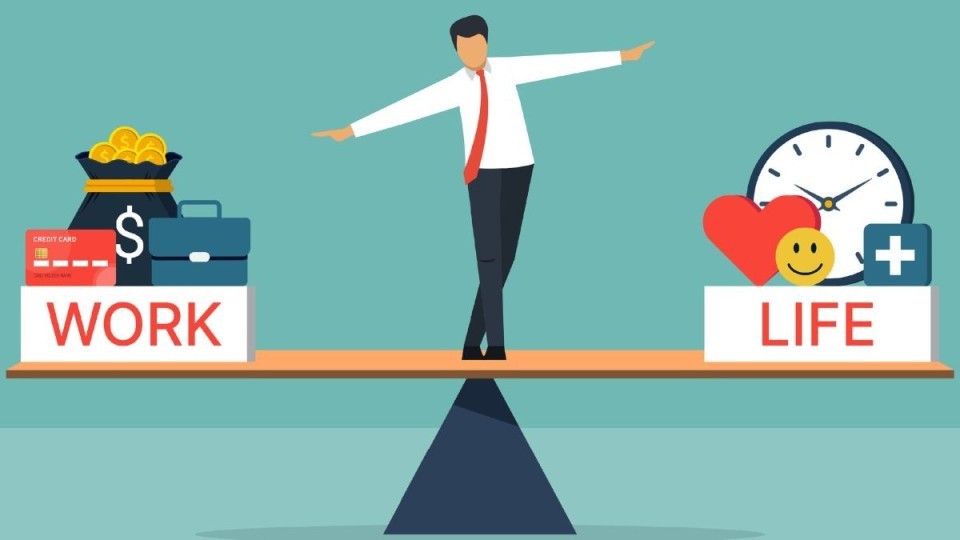
In today’s time, everyone is trying to make their way in this fast-paced world. The professional life of every individual is extremely hectic. People are now so engrossed in their professional lives that they are barely making any time for their personal lives. Currently, it is observed that employees are not only looking for high salaries, but they are also seeking more opportunities for personal growth and flexibility. All organizations are constantly looking for higher productivity from their employees. But it is leading to more employee burnout. Employees are tired of working constantly. They do not have any work-life balance, a better mental health state, or a stronger bond with anyone. However, all these are extremely important elements of our lives. That is why it is essential to pay more attention to building a work-life balance. Here are a few steps that can help you to achieve this-
- Prioritize your tasks:
Prioritizing your tasks plays an important role when you are trying to achieve work-life balance. Not every task is urgent and needs to be understood. When you are working, you need to identify which task is more important and requires more attention. If you do so, then you will be able to focus more on that particular task and accomplish it as soon as possible. By doing so, you will be able to reduce stress and improve your efficiency in a much easier manner. If you can do all the tasks according to their urgency, then you will be able to work more efficiently, which will make your professional life much easier. This way, you will be able to save more time and eventually have more time for yourself. It is an excellent way of achieving work-life balance. Thus, implement this strategy for a more satisfying outcome.
- Set clear boundaries:
As a working professional, it is essential to set clear boundaries. Setting clear boundaries between work and personal life is essential for maintaining balance and preventing burnout. Define your working hours and make a conscious effort to stick to them consistently. When your workday ends, avoid checking emails, responding to messages, or taking calls unless it’s truly urgent. This helps create a mental separation between professional responsibilities and personal time. Communicate your availability clearly to colleagues and managers so expectations are aligned. If you work from home, having a fixed start and end time can prevent work from stretching into your evenings. It’s equally important to respect your own limits and not feel pressured to always be ‘on’. By establishing and maintaining boundaries, you protect your personal time, reduce stress, and improve overall productivity. A well-balanced routine allows you to recharge, stay focused during work hours, and enjoy a healthier, more fulfilling life outside of work.
- Take regular breaks:
Most employees think that taking breaks would create a bad impression of themselves. And that is why they keep on working continuously for 8 hours. However, it is a very good sign. If you are trying to work efficiently and boost your productivity, then you need to give yourself some time off as well. By taking short breaks, you will be able to clear your mind and refresh it. This will help you to get back to work with a much clearer vision. It is effective in increasing your concentration, which will boost your productivity in a hassle-free manner. Doing constant work is not a sign of efficiency. When you are trying to pay more attention to work-life balance, then it is a strategy that can be really useful. You really need to follow this step when you are trying to be more successful in life.
- Learn to say no:
Learning to say no is an essential skill for maintaining a healthy work-life balance. While it may feel uncomfortable at first, constantly accepting every task or request can quickly lead to overwhelm and burnout. It’s important to recognize your limits and understand that your time and energy are valuable resources. Before agreeing to additional responsibilities, evaluate whether they align with your priorities and current workload. If they don’t, politely decline or suggest an alternative timeline. You can also offer help in a limited way without fully taking on the task. Clear and respectful communication is key; saying no doesn’t mean being uncooperative, but rather being realistic about what you can handle effectively. By setting these boundaries, you protect your productivity, reduce stress, and ensure you can give your best effort to the tasks that truly matter.
- Use your leave days:
Many employees are out there who do not take any leave and consider it inefficient. But it is one of the biggest mistakes that you are making in your career. As an employee, you are getting a certain number of paid leaves in a year, so you can use that time for yourself. By using them, you can easily go on vacations and have a good time with your family and friends. This time can help you to recharge and return back to work with more energy. If you keep on doing the same thing, like going to work and coming back to the office for years, after a certain time, you will just break down. Every individual needs to take a break for a couple of days to get outside of the rigid structure. Otherwise, you will not get any time for your personal life, which can create a huge mess in the future. So, it is a strategy that you need to implement for a better work-life balance.
- Avoid multitasking:
Avoiding multitasking is key to improving both productivity and work quality. While it may seem efficient to handle multiple tasks at once, it often leads to distractions, mistakes, and slower progress. Constantly switching between tasks divides your attention and reduces your ability to focus deeply on any one activity. Instead, practice single-tasking by giving your full attention to one task at a time. Prioritize your work and complete tasks in a logical sequence. This approach not only improves accuracy but also helps you finish work faster and with less stress. You’ll find it easier to stay organized and maintain a steady workflow. Creating a distraction-free environment can further support this habit. Turn off unnecessary notifications and set dedicated time blocks for specific tasks. By focusing on one thing at a time, you enhance concentration, boost efficiency, and create a more balanced and productive workday.
- Avoid after-hours communication:
A lot of times, it is seen that many employees continue to take work calls even after work hours. Definitely, there are many important tasks and projects that you need to do as soon as possible. And that is why you are giving 8 hours of your day to your work. Pushing your work by 1 hour sometimes, due to work pressure, can be justified, but it cannot go on every day. When you are logging off from your work, you are not bound to work after those designated hours. It is a time that you should use according to your wish. You can spend time with your loved ones, go to a movie or dinner, focus on your hobby, or do anything. If you think that, as you are working in any organization, you need to entertain after-hours communication, then you are completely wrong. Such practice will never allow for a work-life balance. This, it is a strategy that you need to follow for a better work-life balance.
- Build a dedicated workspace:
If you are someone who is working from home, then it is really important to build a dedicated place for work. It is seen that such a small step makes a huge impact. It can help to boost your focus and help you to accomplish the work in a much more hassle-free way. If you have a specific place for work, it will be like getting into a work zone when every responsibility of your house just blurs out. And as soon as you get out of that place after a long, hectic day, you are out of your work responsibility. If you do not dedicate a particular place in your house for work, then you will not be able to that dedicated. Many people do not pay much attention to this, but it is seen that it plays a significant role. This way, you will be able to keep your work and personal life separated, which can be really helpful.
- Pay more attention to time management:
Practicing effective time management is essential for maintaining productivity and reducing stress in the workplace. Organizing your day with tools like calendars, planners, or digital task managers helps you stay on track and avoid last-minute rushes. Start by listing your tasks and prioritizing them based on urgency and importance. Break larger tasks into smaller, manageable steps to make them less overwhelming. Allocate specific time slots for each activity and try to follow your schedule as closely as possible. This structured approach not only improves efficiency but also gives you a clear sense of direction throughout the day. It’s also important to build in short breaks to recharge and prevent burnout. Reviewing your progress at the end of the day can help you adjust your plan for better results. With consistent planning and discipline, good time management allows you to complete tasks smoothly while maintaining a healthier work-life balance.
- Stick to your routine:
You need to be really specific about your daily routine when you are trying to build a work-life balance. You need to fix a time when you will work and when you will take care of your personal life responsibilities. You cannot mix them and expect a balanced life. If you are about to start your work at 10 in the morning, then do everything at your house before that time. And if you are ending your work at 8, then give your complete focus to your personal time. It is really important to stick to your routine. If you do not do so, then you will not be able to have a balanced life. Every task in your life will clash with others, which will make things more complicated for you. That is why it is considered one of the most important steps of doing work-life balance. It is an excellent strategy that you need to implement for a better outcome.
- Try to stay physically active:
Staying physically active is an important part of maintaining a healthy work-life balance. Incorporating movement into your daily routine doesn’t require intense workouts—simple activities like stretching, walking, or light exercise can make a big difference. Even a short walk during breaks can help refresh your mind, boost energy levels, and reduce stress. Regular physical activity improves blood circulation, supports better posture, and reduces the negative effects of sitting for long hours. It also releases endorphins, which naturally enhance your mood and help you feel more positive and focused throughout the day. This can lead to increased productivity and better overall performance at work. Try to include movement in small ways, such as taking the stairs, standing while working, or doing quick exercises between tasks. Consistency is more important than intensity. By making physical activity a regular habit, you not only improve your physical health but also support your mental well-being and overall balance.
- Focus on your health:
Focusing on your health is essential for maintaining consistent energy, productivity, and overall well-being. Regular exercise helps strengthen your body, improve stamina, and reduce stress levels, making it easier to handle daily work demands. Even moderate activities like walking or stretching can have a positive impact when done consistently. Proper nutrition is equally important. Eating balanced meals that include fruits, vegetables, proteins, and whole grains provides the nutrients your body needs to function efficiently. Avoid relying on processed foods or excessive caffeine, as they can lead to energy crashes and reduced focus. Adequate sleep plays a crucial role in both physical and mental health. Aim for a consistent sleep schedule to ensure your body gets enough rest to recover and recharge. When you prioritize your health, you feel more alert, resilient, and motivated, allowing you to perform better at work while maintaining a healthier and more balanced lifestyle.
- Pay attention to your hobbies:
Pursuing hobbies is an important way to maintain a healthy work-life balance and nurture your personal well-being. Engaging in activities you genuinely enjoy, such as reading, painting, gardening, music, or sports, allows you to disconnect from work-related stress and recharge your mind. Hobbies provide a refreshing break from daily routines and help you return to work with renewed focus and creativity. They also play a key role in preserving your sense of identity beyond your professional role. When you invest time in personal interests, you build confidence, discover new skills, and experience a sense of fulfilment that work alone may not provide. Even setting aside a small amount of time each week for your hobbies can make a meaningful difference. It’s not about how much time you spend, but how consistently you engage. By prioritizing activities you love, you create a more balanced, enjoyable life while supporting your mental and emotional well-being.
- Maintain social connections:
For every individual, it is important to have a social life. If you do not have a social life, then you will not be able to enjoy your life at all. Having a social life doesn’t mean that every other day you need to go out. It can also mean spending some good time with your family and friends at home. There needs to be a life outside your work. In this hustling life, people often forget about building social connections. However, it plays a significant role in our lives. As an individual, you need to focus more on building social connections. This way, you will be able to have other people with whom you can talk about things you like. It is seen that such a step will help you to refresh your mind in a much more seamless manner. Thus, it is an important step that can assist you in building a work-life balance.
- Practice mindfulness:
Practicing mindfulness is a powerful way to manage stress and improve overall focus in both your personal and professional life. It involves being fully present in the moment, rather than worrying about the past or future. Simple techniques such as meditation, deep breathing, or mindful observation can help calm your mind and bring clarity to your thoughts. Taking just a few minutes each day to focus on your breath or surroundings can significantly reduce anxiety and improve emotional balance. Mindfulness also helps you become more aware of your reactions, allowing you to respond to challenges more thoughtfully instead of reacting impulsively. You can incorporate mindfulness into your routine by starting your day with a short meditation, taking mindful breaks during work, or practicing gratitude. Over time, this habit enhances concentration, boosts resilience, and supports better decision-making. By staying present, you create a sense of calm and control, leading to a healthier, more balanced lifestyle.
- Set realistic goals:
It is seen that most people make a mistake in setting an unrealistic goal, which is impossible to achieve. For example, you are working on a project that will take a couple of days to complete. You cannot set a goal and try to do it in a day. Setting such a goal is completely wrong because it is humanly impossible. If you think that by motivating yourself, you will be able to do that within 24 hours, you will not be able to do it. Even if you somehow manage to complete the task, you will see so many errors and loopholes that can be easily exploited. But you cannot do so, because your brain is fatigued and it cannot take that much pressure. But, instead of that, if you take some time and try to do the process slowly, then you will be able to complete the task in a much better way. In addition to that, by setting such an unrealistic goal, you will miss out on your chance to spend some time with your family, which is also an equally important thing. Thus, it is a strategy that you need to implement.
- Take care of your mental health:
Taking care of your mental health is just as important as managing your physical well-being. In a demanding work environment, it’s easy to overlook early signs of stress, anxiety, or burnout. Pay attention to changes in your mood, energy levels, sleep patterns, or motivation, as these can signal that you need a break or support. Make time for activities that help you relax and recharge, such as exercise, hobbies, or simply spending time with loved ones. Practicing mindfulness or deep breathing can also help reduce daily stress. Don’t hesitate to set boundaries at work if your workload becomes overwhelming. Most importantly, seek help when needed. Talking to a trusted friend, mentor, or mental health professional can provide a valuable perspective and relief. Prioritizing your mental health improves focus, resilience, and overall happiness, allowing you to perform better at work and enjoy a more balanced, fulfilling life.
- Limit your screen time:
Spending excessive time on screens can negatively impact both physical and mental well-being. Long hours in front of devices often lead to eye strain, headaches, poor posture, and disrupted sleep patterns, especially when screen use continues late into the night. Beyond physical effects, constant digital exposure can increase stress, reduce focus, and make it harder to disconnect from work. To maintain a healthier balance, it’s important to set clear boundaries for screen usage. Take short breaks every 30-60 minutes to rest your eyes and stretch your body. Follow simple habits like the 20-20-20 rule, looking at something 20 feet away for 20 seconds every 20 minutes. Reduce unnecessary scrolling and limit exposure to work-related notifications after hours. Creating tech-free zones or times during your day, such as during meals or before bedtime, can also help. By managing screen time mindfully, you can improve productivity, protect your health, and enjoy more meaningful offline moments.
If you follow the right steps, then very easily, you will be able to do work-life balance. It can be really helpful for you in every aspect.