Carbon footprint is one of the biggest causes of climate change. Learn the effective steps for reducing your carbon footprint for a healthier environment.
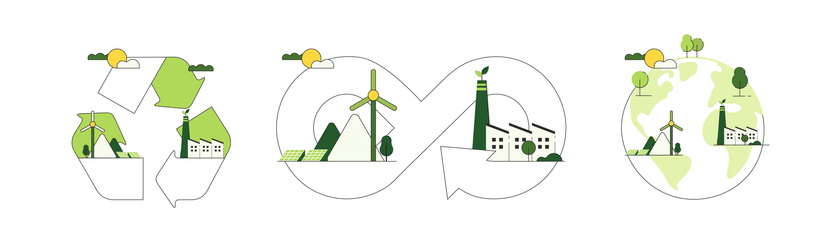
Climate change is one of the most pressing environmental challenges facing the world today. Now, it is coming to see that climate change is contributing to melting glaciers, extreme weather changes, sudden rainfall pattern change, and rapid sea level rising. All these are making a huge impact on the weather all around the world. In addition to that, such things are creating many problems for all individuals as well. Right now, governments are addressing all these issues, and they are trying to overcome the challenges. However, individuals can also contribute to controlling such situations by making some sustainable choices in their daily lives. If you pay more attention to this, you will understand that carbon footprint has a huge contribution to this whole situation. Every individual is responsible for their carbon footprint.
A carbon footprint refers to the total greenhouse gas emissions associated with an individual, household, organization, product, or activity. These emissions can result directly from activities such as driving a petrol-powered vehicle or indirectly from producing the electricity, food, clothing, and other goods we consume. Carbon dioxide is a major contributor, but other greenhouse gases, including methane and nitrous oxide, also play significant roles in global warming.So, if you understand how to reduce your carbon footprint, it would be much easier to handle the situation. Here are a few effective steps that can be really helpful for all-
- Use public transportation more often:
Transportation is one of the major sources of greenhouse gas emissions that have a huge influence on our environment. When you are concerned about your carbon footprint, it is one of the most important factors that you need to pay attention to. While travelling, if you can use public transportation services instead of your personal motor vehicle or car, then you will be able to reduce greenhouse gas emissions. On the surface level, you might think about how much it will affect things if you go by car. But you have to think that, just like you, millions of individuals are doing the same. However, when you are commuting by bus, metro, or train, so many people are able to travel in one vehicle at the same time. Thus, it will definitely reduce greenhouse gas emissions. If you can consider this particular step, you will get the chance to reduce your carbon footprint in a much easier manner.
- Choose fuel-efficient or electric vehicles:
Driving may be necessary because of work commitments, long distances, accessibility needs, or limited public transportation. In such situations, choosing a fuel-efficient or electric vehicle can help reduce your carbon footprint. Fuel-efficient cars consume less petrol or diesel per kilometre, while hybrid vehicles can reduce fuel consumption depending on driving conditions. Electric vehicles produce no exhaust emissions during operation, although their overall environmental impact depends on electricity generation, battery manufacturing, and vehicle production.If you plan to purchase a vehicle, compare fuel efficiency, maintenance requirements, expected usage, and long-term costs. For electric vehicles, consider charging facilities and the availability of electricity in your area.You do not need to replace a functioning vehicle immediately to become more environmentally responsible. Regular maintenance, efficient driving habits, and fewer unnecessary journeys can also reduce fuel consumption. Choosing shared transportation whenever practical can further lower your transportation-related emissions and expenses.
- Walk or cycle for short distances:
If you are going a short distance, then walking or cycling is the best option to reduce transportation-related emissions. Just like any other motor vehicles, these activities do not require fossil fuels. Thus, there are no greenhouse gas emissions when you are doing these activities. Many everyday journeys, such as visiting a nearby shop, going to a local park, or meeting a friend, may not require a car or motorbike. When the distance, weather, road conditions, and your physical abilities allow, consider walking or cycling instead.Such activity is not only good for the environment, but for your health as well. Cycling can be particularly useful for short commutes when safe cycling routes are available. Walking is another convenient option that requires little equipment and can easily become part of your daily routine.Choose well-lit routes, wear suitable footwear, and follow local traffic regulations. If cycling, use appropriate safety equipment and remain visible to other road users.Replacing even a few short motorised journeys with walking or cycling can reduce fuel use while encouraging a healthier and more active lifestyle.
- Save electricity at home:
Many do not pay attention to this, but electricity consumption also contributes to a household’s carbon footprint. It happens especially when the electricity is generated from natural gas, coal, or other fossil fuels. That is why, when you are concerned about your carbon footprint, you should pay more attention to this as well. You should always switch off lights when leaving an empty room, turn off computers, televisions, and chargers running without any reason, and unplug devices that continuously draw standby power where practical. If you can take such small steps, you can save a huge amount of electricity, which will eventually reduce your carbon footprint. You need to be more attentive to the appliances that remain active throughout the day. You should turn them off and unplug them if possible when not in use. Saving electricity can help you to reduce emission while lowering household energy expenses. A practical habit and lead to achieve a sustainable lifestyle.
- Avoid unnecessary air travel:
Air travel can generate substantial greenhouse gas emissions, particularly on long-distance journeys. Its environmental impact depends on factors such as aircraft type, route, passenger occupancy, and seating class. Aviation also contributes to global warming through non-carbon-dioxide effects.Before booking a flight, consider whether trains, buses, or other lower-emission transportation options are practical. Rail travel can be a suitable alternative for journeys between connected cities, helping you reduce travel-related emissions.When flying is necessary, try to combine multiple activities into one trip instead of taking several separate journeys. For business meetings, consider video conferencing to avoid unnecessary travel. Choosing direct flights may also help reduce emissions associated with additional take-offs and landings, although the overall impact depends on the complete journey.Reducing unnecessary flights can make a meaningful contribution to lowering your carbon footprint. By planning trips carefully, exploring alternative transportation, and travelling only when necessary, you can make more environmentally responsible decisions without giving up essential travel.
- Replace traditional bulbs with LED lighting:
Switching to LED lighting is a simple way to reduce household electricity consumption and lower your carbon footprint. Traditional incandescent bulbs waste much of their energy as heat, making them less efficient than modern lighting alternatives.Light-emitting diode (LED) bulbs generally use significantly less electricity than incandescent bulbs while providing similar brightness. They also last longer, reducing the need for frequent replacements and helping minimise waste over time.When purchasing new bulbs, choose LEDs with suitable brightness and colour temperature for each room. Check energy-efficiency information and ensure the bulbs are compatible with your existing fixtures or dimmer switches.You do not need to replace every working bulb immediately. Instead, gradually switch to LEDs as older bulbs stop functioning, starting with lights used most frequently. Combine efficient lighting with natural daylight and remember to switch off lights in empty rooms. These small changes can reduce electricity bills while supporting a more energy-efficient household.
- Go for energy-efficient appliances:
Now, every household has appliances like refrigerators, air conditioners, washing machines, televisions, and more. All these appliances use a lot of electricity that can make a significant effect on greenhouse gas emission. That is why, when you are willing to use such appliances, you should always choose the energy-efficient models that can reduce their environmental impact throughout their operating lives. Before purchasing any appliance, compare its energy rating, estimated annual electricity consumption, capacity, and expected lifespan. A lower purchase price does not always mean lower overall costs if the appliance uses substantially more electricity.In addition to that, after purchasing the appliances, use them according to the instructions given to you. For example, use the washing machine with suitable full loads, select the efficient settings, and use it properly. If you do so, then you will save so much energy without even knowing it. Therefore, it is a step that can help you to reduce carbon footprint.
- Use air conditioning and heating efficiently:
Heating and cooling systems can consume significant amounts of energy, increasing household expenses and carbon emissions. Using these appliances efficiently can help reduce your environmental impact while maintaining indoor comfort.During hot weather, set your air conditioner to a comfortable temperature instead of choosing an unnecessarily low setting. Use ceiling fans where appropriate, close curtains during intense sunlight, and keep doors and windows closed while cooling is operating.Clean air filters regularly according to the manufacturer’s instructions to maintain proper airflow and prevent unnecessary energy consumption. In colder climates, improve insulation, seal gaps around windows and doors, and adjust heating settings to avoid wasting energy.If you are purchasing a new appliance, compare energy-efficiency ratings and choose a suitable model for your space. Regular maintenance also supports efficient performance. By managing indoor temperatures wisely, you can reduce electricity consumption, lower energy bills, and minimise emissions associated with heating and cooling your home.
- Consume more plant-based foods:
Food production contributes to greenhouse gas emissions through farming, fertiliser use, livestock digestion, processing, and transportation. However, the environmental impact varies depending on the food produced and the resources required.Beef and lamb generally have a higher carbon footprint than many plant-based protein sources. Beans, lentils, chickpeas, peas, tofu, nuts, and seeds provide valuable nutrients while typically requiring fewer resources than beef.You do not need to become vegetarian or vegan to reduce your carbon footprint. Start by replacing a few meat-heavy meals each week with plant-based alternatives. Try lentil curry, chickpea salad, vegetable stir-fry, bean soup, or meals featuring seasonal vegetables and whole grains.Choose balanced meals that suit your nutritional needs and preferences. Gradually increasing plant-based foods in your diet can help lower food-related emissions while introducing greater variety into your everyday meals.
- Reduce water waste:
Water conservation is connected to reducing your carbon footprint. It is seen that treating, pumping, heating, and distributing water require energy. This is also relevant when you use hot water for cleaning, bathing, or washing clothes. The water we are using; it is being purified through many steps that require a huge amount of energy. Thus, wasting water directly affects the carbon footprint. Along with this, you should also pay attention to leaking pipes and taps. You should also be concerned about water waste when you are doing activities like brushing your teeth, taking unnecessarily long showers, and using too much water for something that doesn’t even require it. If you can be a little more concerned and turn off the tap while not in use, you will save a lot of water without much effort. Along with that, be mindful while using water outdoors. Using too much water unnecessarily is not a very good practice.
- Buy local and seasonal produce:
Choosing local and seasonal produce can help reduce greenhouse gas emissions. If you buy produce from nearby farmers, it will help to reduce refrigeration requirements, transportation, and storage. When you are buying something that isn’t available near your place, you need to understand that so much energy has been consumed just to bring the products and sell them near your place. That is why it is really important to buy local and seasonal produce. Visit local markets, community-supported farms, or nearby producers if they offer convenient and affordable options. Ask sellers about growing practices when this information matters to you.Avoid assuming that imported food is always worse for the environment. Some foods grown efficiently in suitable climates can have a lower footprint than similar products produced in energy-intensive facilities elsewhere.Being a little more aware can help you reduce your carbon footprint in a much easier manner.
- Carry reusable bottles, bags, and containers:
Disposable products require raw materials, energy, packaging, and transportation, while improper disposal can contribute to litter and pollution. Using reusable alternatives can help reduce waste and lower your environmental impact.Carry reusable shopping bags, refillable water bottles, coffee cups, lunch boxes, and food containers whenever practical. Keep a shopping bag in your everyday bag or near the door so you remember to take it when leaving home. Carry a refillable bottle when safe drinking water is available.For takeaway meals, consider using clean, reusable containers when permitted by the business. Choose durable products that are easy to wash and designed for repeated use.However, reusable items also require resources to manufacture and clean, so their benefits depend on how frequently you use them. Instead of purchasing numerous new eco-friendly accessories, start with items you already own. By reusing products consistently, you can reduce unnecessary consumption, packaging waste, and demand for disposable alternatives.
- Prevent food waste:
Food waste contributes to climate change because producing, transporting, storing, and preparing food requires energy and resources. When food decomposes in landfills under oxygen-poor conditions, it can release methane, a powerful greenhouse gas.Plan your meals before shopping and prepare a list based on the ingredients you already have. Store food properly, monitor expiry and best-before dates, and freeze suitable items that you cannot use immediately.Use leftovers creatively in soups, salads, sandwiches, or other dishes instead of throwing them away. Serve reasonable portions and prepare additional food only when necessary.Composting suitable food scraps can reduce the amount of organic waste sent to landfills while returning nutrients to the soil. However, preventing edible food from becoming waste is even better. By purchasing thoughtfully, storing ingredients correctly, and using leftovers, you can reduce your carbon footprint, save money, and make better use of valuable resources.
- Stop using single-use plastic:
Single-use plastics are commonly used by the maximum number of people for packaging, shopping bags, takeaway containers, and disposable cutlery. Such plastics are largely made out of fossil fuel-based materials. The production of plastic is already a huge process that makes a massive impact on our environment. But using them only once can make an even greater impact. You can reduce your use of disposable plastics by carrying reusable shopping bags, choosing products with less packaging, and avoiding unnecessary disposable utensils.Buy larger packages when they genuinely reduce packaging per unit and when you can use the contents before they spoil. Refill stations and refillable household products may also be useful where available.Plastic reduction is valuable for reasons beyond climate change, including reducing litter and harm to wildlife. Nevertheless, the most effective approach is to avoid unnecessary purchases and choose durable alternatives that suit your needs.
- Choose sustainable household products:
Everyday household products have environmental impacts throughout their life cycles, from raw material extraction and manufacturing to packaging, transportation, and disposal. Choosing products thoughtfully can help reduce waste and conserve resources.When purchasing cleaning supplies, toiletries, kitchen items, or furniture, consider durability, repairability, packaging, and materials. Concentrated cleaning products and refill options may help reduce packaging waste where available.Buy products that meet your actual needs instead of purchasing multiple items with similar purposes. Look for credible environmental certifications and avoid relying solely on vague claims such as ‘green’ or ‘natural’ without supporting information.Choose durable household items that can be repaired rather than replaced. If you no longer need something that remains usable, consider donating or selling it. By making informed purchasing decisions, you can reduce unnecessary consumption, minimise waste, and encourage businesses to develop more resource-efficient products.
- Plant more trees:
Trees absorb carbon dioxide as they grow and store carbon in their trunks, branches, roots, and surrounding soil. Green spaces also provide shade, support wildlife, and help reduce urban heat.If you have suitable outdoor space, consider planting native trees and plants adapted to your local climate. Native species can support local wildlife and may require less maintenance once established. Choose plants according to available space, soil conditions, water requirements, and expected mature size.If planting trees is not practical, support community gardens, local restoration projects, or organisations dedicated to protecting forests and green spaces.However, tree planting should not replace efforts to reduce fossil fuel consumption. Trees need time to grow, and their carbon storage depends on survival and long-term care. Protecting existing forests and restoring damaged ecosystems can complement other climate-friendly actions and contribute to a healthier, more sustainable environment for future generations.
If you can be more attentive about your actions and its reactions, then you will get to learn how to reduce carbon footprint. Following the right steps can assist you in contributing a little more to protect our environment.