Global warming is making changes in the environment in many ways. Find out how it is affecting every part of the world. It can help to understand the matter in a better way.
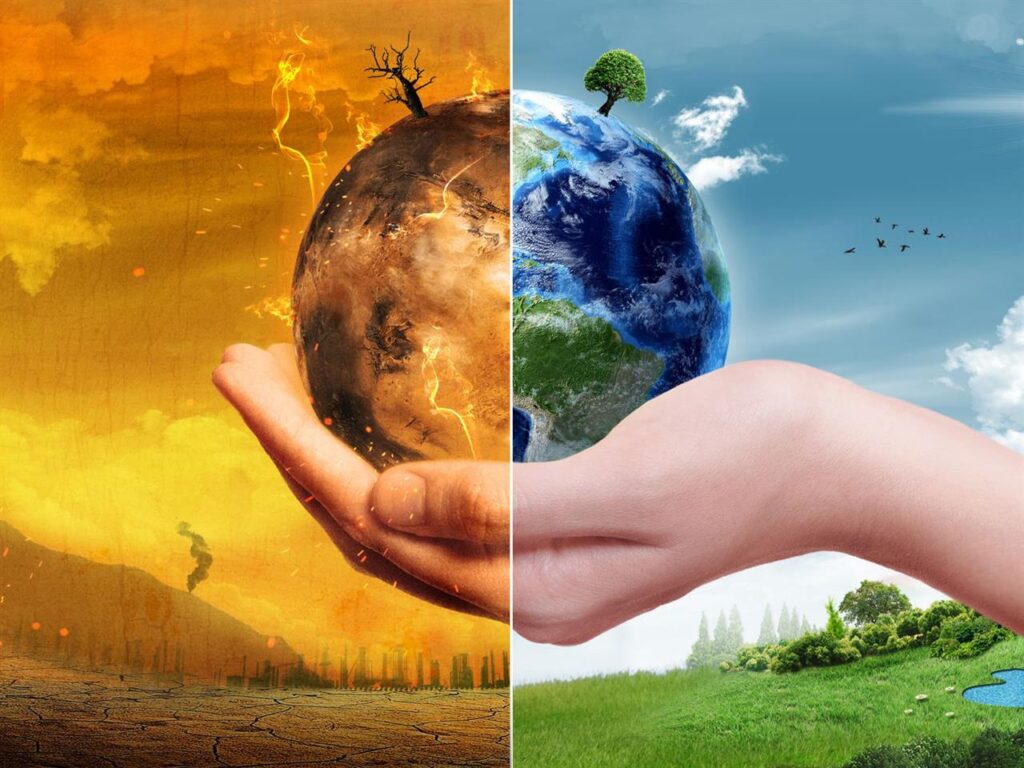
Global warming is one of the biggest concerns right now. Our environment is facing many challenges due to global warming. This specific thing has had a long-term effect on the world. Global warming has led to climate change. As the accumulation of greenhouse gases, such as methane, carbon dioxide, and nitrous oxide, has increased in our atmosphere, the situation has become even more complicated. The rise of such gases has taken place due to many human activities. For many years, people have been deforesting, burning fossil fuels, and producing excessive amounts of industrial waste. All these have made a massive impact on the environment. With each passing, the situation is becoming even worse. That is why it is high time everyone became more conscious about it. Otherwise, an even worse future is waiting for us. Let’s understand the major effects of global warming on the environment to get a better understanding-
- Rising global temperature:
If you observe closely, you will definitely understand how the temperature has changed in the last few years. Currently, we are living in a dangerous state where the temperature has risen to the maximum level all around the world. Earth has experienced record-breaking heat in this recent decade. The annual temperature is warmer than ever. It has become a massive challenge for everyone. Due to the sudden weather change, there are many changes in the ecosystem as well. There are many trees that cannot survive in a hotter climate. Thus, with each passing day, the number of plant variations is decreasing. Along with that, the same thing is happening with many animals as well. The situation wasn’t like this before. And that is why the whole ecosystem is not able to cope with the change. The massive temperature rise is one of the biggest effects of global warming.
- Rising sea level:
The sea level has increased more than ever in the last decade. Such an incident has taken place due to a melting glacier. The heat is now massive, which is causing the melting of polar ice sheets. The water temperature is higher than before. As the temperature has risen more than ever, the ice started melting, and that caused the rising sea level. The more ice melts, the more the sea and ocean levels will increase even more. Higher sea levels will increase habitat destruction, coastal flooding, and erosion. Eventually, it will make a huge change in the ecosystem. In the environment, everything is intertwined with everything else. That is why every small thing makes an impact on every little thing. The rising sea level is a big concern because it is disrupting the balance in the world. So, it is essential that everyone become more conscious about global warming.
- Melting glacier:
The glaciers all around the world are melting at an alarming rate. The rising temperature is causing a massive effect on every part of the world. The ice formations work as natural freshwater reservoirs. They play a big role in the global climate system, as it has suddenly started changing; things are becoming more complicated in the ecosystem. The loss of glaciers is raising the sea level above the requirement. Thus, it is causing a disruption in the whole environment. Due to this specific reason, there is a lack of freshwater supply. The landscapes, which were the same for thousands of years, have suddenly changed in a huge manner. That is why it has become a big concern for everyone. The melting of glaciers is another huge effect of global warming that cannot be avoided.
- Increased wildfire activity:
Global warming is contributing to a significant increase in wildfire activity across many parts of the world. Rising temperatures, prolonged heat waves, reduced rainfall, and extended dry seasons create conditions that make forests, grasslands, and other natural areas more vulnerable to ignition and rapid fire spread. Even a small spark can trigger large-scale wildfires when vegetation becomes excessively dry. Wildfires have devastating environmental consequences. They can destroy vast areas of forests and wildlife habitats, forcing animals to flee or perish. The loss of vegetation also increases soil erosion and reduces the land’s ability to retain water. Additionally, wildfires release large quantities of carbon dioxide and other greenhouse gases into the atmosphere, further contributing to climate change. As forests are lost, the Earth’s capacity to absorb and store carbon decreases, creating a cycle in which global warming and wildfire activity continue to reinforce one another over time.
- Extreme heat waves:
Global warming has caused longer heatwaves all over the world. Every corner of the world is now facing intense heatwaves. Suddenly, the temperature has increased on a large scale. That is why the situation has taken such a turn. Massive heat can disrupt the ecosystem, dry out soil, damage vegetation, and increase evaporation. In such a situation, survival becomes nearly impossible for all individuals. If the temperature is high for a prolonged time, then it would be extremely difficult for all human beings and living creatures. Heat is something that affects everyone. That is why things are becoming more complicated for all. It is one of the biggest effects that has been noticed.
- The change in rainfall patterns:
Global warming is significantly altering rainfall patterns across the world, creating challenges for ecosystems and natural environments. As temperatures rise, the water cycle becomes more intense, affecting when, where, and how much precipitation occurs. Some regions are experiencing heavier and more frequent rainfall events, which can lead to flooding, soil erosion, and water pollution. At the same time, other areas are facing reduced rainfall, prolonged dry periods, and recurring droughts. These changes disrupt ecosystems that have evolved under relatively stable moisture conditions. Forests, wetlands, rivers, and grasslands may struggle to adapt to sudden shifts in water availability. Unpredictable rainfall can also affect plant growth, wildlife habitats, and freshwater resources. Flooding may damage ecosystems by washing away soil and vegetation, while droughts can weaken plants and reduce biodiversity. Over time, changing precipitation patterns contribute to environmental instability, making ecosystems more vulnerable to other climate-related stresses and reducing their ability to maintain ecological balance and resilience.
- Ocean warming:
Oceans absorb a huge amount of excess heat. It helps to balance the temperature. But, as the temperature has increased significantly, it is becoming quite impossible to balance the ecosystem. Now, it is seen that the temperature in oceans has also increased a lot. This is making a direct impact on the marine ecosystem. There are millions of variations of fish and other organisms under the oceans. In the excessive heat, it is becoming impossible for them to survive. Ocean warming has led to coral bleaching, reduced marine biodiversity, and changes in food chains. Due to global warming and ocean warming, the whole marine ecosystem has completely changed and is going through a huge change even right now. We are standing on the verge, and it is quite difficult to survive in this situation. Global warming has made a deep impact on our overall environment.
- Stronger storm:
Global warming is increasing the intensity and frequency of many extreme weather events around the world. As ocean temperatures rise, more heat energy becomes available to fuel hurricanes, cyclones, and tropical storms. Warmer air can also hold more moisture, leading to heavier rainfall and a greater risk of flooding during severe weather events. Stronger storms can have devastating effects on the environment. Powerful winds may uproot trees, damage forests, and destroy critical wildlife habitats. Coastal areas often experience erosion and storm surges that can reshape shorelines and harm fragile ecosystems such as wetlands and mangroves. Flooding can contaminate freshwater sources, damage vegetation, and disrupt natural ecosystems for extended periods. In addition to storms, global warming is linked to more frequent heat waves, intense rainfall events, and unusual weather patterns. The growing occurrence of extreme weather places significant stress on ecosystems, making it harder for plants, animals, and natural environments to recover and maintain ecological balance.
- Ocean acidification:
Currently, carbon dioxide emissions have increased on a large scale. They are not only responsible for global warming, but ocean chemistry as well. According to research, it is seen that the ocean absorbs the maximum amount of carbon dioxide, which makes the seawater even more acidic. If the chemistry of the ocean water is not at the ideal level, then all the organisms and creatures underneath will face a lot of problems. In the last couple of years, many absurd things have come to light that no one has ever seen before. A large number of jellyfish were shown on the shore, and many other fish have also been seen in many parts of the world. Such unnatural things came to be seen because the equation of ocean water is changing at a rapid pace, and the creatures are not able to cope with this change. All of these have been caused by ocean acidification, which is a direct result of global warming.
- Coral reef bleaching:
Coral reefs are among the most biologically diverse and valuable ecosystems on Earth, supporting a wide variety of marine life. However, they are extremely sensitive to changes in ocean temperature. As global warming causes sea temperatures to rise, corals experience stress that can trigger a phenomenon known as coral bleaching. During bleaching events, corals expel the microscopic algae living within their tissues. These algae provide corals with nutrients through photosynthesis and are responsible for their vibrant colors. Without them, corals turn white and become weakened. If high temperatures persist for extended periods, bleached corals may die, leading to the degradation of entire reef systems. The loss of coral reefs has serious environmental consequences. Many fish, crustaceans, and other marine organisms depend on reefs for food, shelter, and breeding grounds. Coral reef decline can reduce marine biodiversity, disrupt food chains, and negatively affect coastal ecosystems. Protecting coral reefs is essential for maintaining healthy oceans and preserving marine life for future generations.
- Habitat destruction:
Global warming is causing widespread habitat destruction by altering environmental conditions that many ecosystems depend on for survival. Rising temperatures, shifting rainfall patterns, sea-level rise, droughts, floods, and extreme weather events are changing natural landscapes at an unprecedented rate. Forests, wetlands, grasslands, coral reefs, and coastal ecosystems are among the habitats most vulnerable to these climate-related changes. As habitats degrade or disappear, many plant and animal species lose access to food, shelter, breeding grounds, and migration routes. Some species may be forced to move to new areas in search of suitable conditions, while others may struggle to adapt and experience population declines. Habitat loss can also disrupt ecological relationships, affecting pollination, seed dispersal, and food chains. The destruction of natural habitats reduces biodiversity and weakens ecosystem resilience. Over time, these changes can lead to ecological imbalances, making it more difficult for ecosystems to recover from environmental stress and continue providing essential services that support life on Earth.
- Loss of biodiversity:
Global warming is a threat to biodiversity all around the world. The rapid temperature rise has caused many problems in the natural habitats. They are going through many changes. It is seen that due to the sudden temperature change, many species of animals are migrating and going to different parts of the world. On the other hand, it is also seen that many species of animals have died as they couldn’t cope with the temperature change. This is one of the reasons that has weakened the ecosystem. Due to this, many other things are also getting impacted, such as water purification, pollination, and climate regulation. These are making surviving in this environment even more difficult for all individuals. Thus, it is another major effect of global warming.
- Disturbance in the ecosystem:
Ecosystems rely on a delicate balance between plants, animals, climate conditions, and natural resources to function effectively. Global warming is disrupting this balance by altering temperatures, rainfall patterns, seasonal cycles, and the availability of food and water. Even small environmental changes can have significant effects on the complex relationships that exist within ecosystems. As temperatures rise, many species are forced to shift their habitats or adjust their behaviors. Seasonal events such as flowering, breeding, and migration may occur at different times, creating mismatches between species that depend on one another. For example, pollinators may emerge before flowers bloom, or predators may struggle to find prey if migration patterns change. These disruptions can weaken ecosystem stability and reduce biodiversity. Changes in one species can trigger a chain reaction that affects many others throughout the food web. Over time, disrupted ecosystems may become less resilient to environmental stresses, making it harder for them to recover from climate-related challenges and maintain ecological balance.
- Expansion of the desert:
Global warming is contributing to the expansion of desert areas through rising temperatures, reduced rainfall, and prolonged drought conditions. These factors accelerate the process of desertification, in which fertile and productive land gradually becomes dry, degraded, and less capable of supporting plant life. As moisture levels decline, vegetation struggles to survive, leaving the soil exposed to wind and water erosion. The loss of vegetation can further worsen land degradation by reducing the soil’s ability to retain nutrients and moisture. Over time, once-productive grasslands, farmlands, and natural habitats may become increasingly barren. Desertification also threatens local ecosystems by reducing food and water sources for wildlife. The expansion of desert regions can dramatically alter landscapes, decrease biodiversity, and increase environmental instability. As habitats shrink and resources become scarce, many species are forced to migrate or face population declines. Addressing climate change is essential to slowing the spread of desertification and protecting vulnerable ecosystems.
Global warming is a huge matter of concern right now. The whole world is being negatively impacted by global warming. It is important to be a little more conscious about this matter; there will be no future for anyone.