During the monsoon, our hair gets more damaged than usual. Following the right steps can be really useful in protecting your hair from extreme humidity and pollutants.
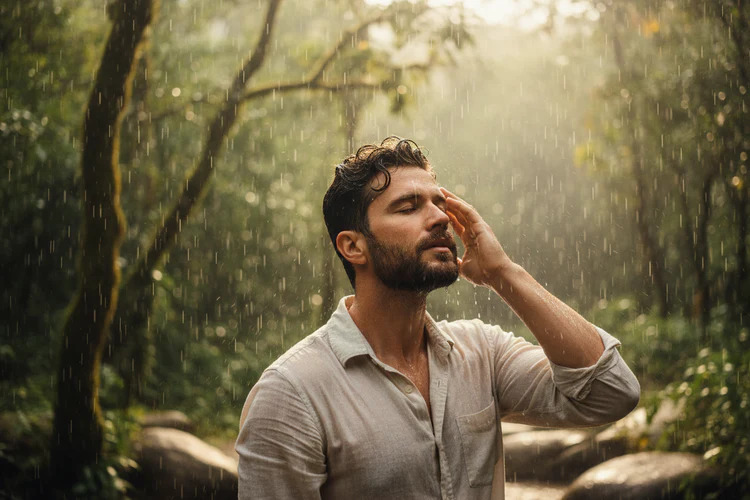
Monsoon comes with a lot of relief after the hot summer days. The refreshing rainfall makes everything green. The weather gets much cooler during this season. However, on the other hand, the humidity level increases and the dampness becomes constant. This causes much discomfort for every individual. The environment pollutants are another element that does many damages. It is seen that our hair gets immensely affected during the rainy season. It suddenly gets frizzy, greasy, and limp. Each of them can be a great cause of discomfort. Along with that, in the monsoon, hair fall also becomes a huge problem. Thus, every individual needs to be more protective of their hair. If you cannot take care of your hair during this specific season, then maintaining your hair would be extremely difficult. Let’s find out some of the easiest and best ways to protect your hair during the monsoon-
- Wash your hair regularly:
Washing your hair regularly is considered one of the most important steps. During this specific season, there is too much build-up in our scalp. Due to too much humidity, dirt, and oil, our scalp gets dirty more frequently. And if you do not clean the scalp regularly, then it can cause serious damage to your hair. It can weaken the roots of your hair and cause more hair fall. Along with that, it can also lead to problems like poor texture, frizz, dandruff, and more. That is why, for every individual, it is important to wash your hair regularly. This way, you will be able to keep your hair clean. However, when you are trying to take care of your hair during monsoon, you should wash your hair twice or thrice a week according to your scalp type. If you can do so, then you will get the chance to improve your hair condition and achieve healthy hair. This can be a brilliant step to take care of your hair.
- Go for a mild shampoo:
Shampoo plays a deep role in the health of your hair. If you do not use the right shampoo, your hair can get damaged even more. It is seen that harsh shampoos can strip away your natural oil and make your hair even drier. And dry hair leads to more breakage and damage. So, when you are trying to protect your hair during the monsoon, you should go for a mild shampoo. If you use a mild shampoo, then protecting it would be even easier. Along with that, the gentle formulas are also designed for daily use. Monsoon is a time when you need to wash your hair more frequently. Thus, choosing such a shampoo can be really helpful for you. This way, you will get the chance to protect your hair from any kind of damage. It is a simple yet effective step that can be really useful for you.
- Do not forget to use conditioner:
Using a conditioner after every shampoo is essential during the monsoon season because it helps protect your hair from excess humidity, one of the leading causes of frizz and roughness. Humid air lifts the hair cuticle, allowing moisture to enter the hair shaft and making strands appear dry, unruly, and difficult to style. A good conditioner smooths the cuticle, locks in moisture, and creates a protective barrier that reduces tangles and breakage. After shampooing, apply conditioner mainly to the mid-lengths and ends of your hair, avoiding the scalp to prevent unnecessary oil buildup. Leave it on for a few minutes before rinsing thoroughly with cool or lukewarm water. Choose a conditioner that matches your hair type for the best results. Regular conditioning keeps your hair softer, shinier, smoother, and more manageable while reducing frizz and helping maintain healthy-looking hair throughout the rainy season.
- Oil your hair before washing:
Oiling your hair can be really useful to nourish your scalp and hair. When the humidity increases, it is essential to nourish your hair even more. Otherwise, it can cause more damage. That is why, during this specific season, you should oil your hair more. If you can oil your hair before washing, then you will get to nourish it and get rid of the oil as well. Keeping oil all the time can be a little problematic. Thus, whenever you are washing your hair, you should apply some oil to your scalp and massage it gently. If you do so, then you will get to strengthen your hair as well. There are many options available for you. For your hair, you can apply coconut, argan, or almond oil. All of them are really great for our hair. Following this step will help you to protect your hair from damage. In addition to that, it also helps to improve softness and reduce dryness. Thus, implement this step for healthier hair during this season.
- Do weekly deep conditioning:
Deep conditioning every week can help you to take care of your hair in a much easier manner. If you can use a weekly hair mask, then you will get the chance to restore moisture and improve hair texture in a much easier manner. If you use a nourishing hair mask, then you will be able to prevent it from being damaged. Environmental stress can make your hair strands even weaker. That is why following this particular step will help you to prevent your hair from breaking. By doing weekly deep conditioning, you can also improve the overall health of your hair. It is a brilliant strategy that can assist you in managing your hair during the monsoon in a much easier manner. Thus, if you are facing more trouble managing breakage of your hair in the monsoon, then you must implement this strategy. It can be really useful for your hair.
- Use anti-frizz serum:
Humidity is one of the biggest reasons for unruly hair. It is seen that during the monsoon, our hair gets frizzier than ever. That is why you need to use the right products that will help you to control the frizziness. At this time, using anti-frizz serum can help to take care of the frizz in a much more hassle-free manner. It is the moisture in the air that disrupts your hair texture. So, at such a time, all you need to do is apply a lightweight serum to damp hair. If you do this for some time, then you will get the chance to improve your hair quality. It will reduce flyaways and hair tangles. Using a serum can also enhance the shine of your hair. Thus, if you are trying to protect your hair in the monsoon, then you should definitely follow this step.
- Rinse rainwater immediately:
Getting caught in the rain may seem harmless, but rainwater often contains dust, airborne pollutants, chemicals, and other contaminants that can settle on your hair and scalp. Leaving these impurities on your scalp for long periods may lead to irritation, itching, dandruff, unpleasant odor, and even fungal infections, especially in the humid monsoon season. If your hair gets wet in the rain, rinse it with clean water as soon as you get home to remove any dirt and pollutants. If your scalp feels greasy or dirty, use a mild shampoo to cleanse it thoroughly without stripping away its natural oils. After washing, dry your hair completely before tying it up or going to bed. This simple habit helps maintain a clean and healthy scalp, reduces product and dirt buildup, prevents scalp irritation, minimizes the risk of infections, and keeps your hair fresh, soft, and healthy throughout the rainy season.
- Do not tie wet hair:
Tying your hair while it is still wet is one of the most common mistakes people make during the monsoon season, and it can lead to several hair and scalp problems. Wet hair is much more fragile than dry hair, making it more susceptible to stretching, breakage, and split ends. When damp hair is tied into a ponytail, bun, or braid, moisture becomes trapped against the scalp, creating the perfect environment for bacteria and fungi to grow. This can result in scalp irritation, itching, dandruff, unpleasant odors, and even fungal infections. Always allow your hair to air dry completely or use a hair dryer on a cool or low-heat setting before styling or tying it up. If you’re in a hurry, gently pat your hair dry with a microfiber towel instead of rubbing it vigorously. Following this simple habit helps maintain better scalp hygiene, reduces the risk of infections, minimizes hair breakage, prevents unpleasant odors, and keeps your hair healthier, stronger, and more manageable throughout the monsoon season.
- Dry your hair properly:
Keeping your hair wet for long hours can cause much damage to your hair. Damp hair leads to more fungal growth, which can be really harmful to your hair. During the monsoon, as the humidity level is so high, wet hair doesn’t get dry quickly. So, it is a major problem that you need to look after. Whenever you wet your hair, you must allow it to air dry or use a dryer in a cool setting. If you do so, then you will get the chance to dry your hair without any hassle. The more you keep your hair dry, the easier it will be to protect it from fungal issues. In addition to that, it will also reduce breakage and maintain your scalp health. Thus, during the monsoon, if you are trying to protect your hair, you must implement this step. Following this particular step can be really helpful in many ways.
- Use a microfiber towel:
The way you dry your hair after washing can have a significant impact on its health, especially during the humid monsoon season. Traditional bath towels often have rough fibers that create friction against wet hair, causing the hair cuticle to lift and leading to frizz, tangles, and unnecessary breakage. Since wet hair is more delicate and prone to damage, rubbing it vigorously with a regular towel can weaken the strands and contribute to split ends. Instead, use a soft microfiber towel or a clean cotton T-shirt to gently pat and squeeze out excess water without rubbing. Microfiber absorbs moisture efficiently while reducing friction, allowing your hair to dry faster and with less damage. This simple switch helps preserve the hair’s natural texture, minimizes frizz, reduces breakage, prevents tangles, and leaves your hair smoother, shinier, and easier to manage throughout the rainy season while supporting long-term hair health.
- Limit heat styling:
Excessive heat styling can damage your hair more. During the season change, if you do more heat styling, then your hair can get more damaged. Humidity is already damaging your hair, and along with that, if you use more heating tools, then preventing it from being damaged can be really difficult. If you reduce the use of heat styling tools, then you will get the chance to prevent more damage, breakage, and frizz. Along with that, it is seen that such styling causes more dryness and split ends. If you can limit heat styling, then you will get the chance to protect your hair from these as well. Thus, when you are trying to maintain your hair during the monsoon, you should pay more attention to this strategy. This can make the whole process way easier for you.
- Use heat protectant:
Although it is best to limit the use of heat styling tools during the monsoon season, there may be times when you need to use a hair dryer, straightener, or curling iron. Before applying any heat, always use a quality heat protectant spray or serum to create a protective barrier around the hair strands. High temperatures can weaken the hair cuticle, strip away natural moisture, and make hair more prone to dryness, split ends, and breakage. This damage can be even more noticeable during humid weather when hair is already vulnerable to frizz and environmental stress. Apply the heat protectant evenly to damp or dry hair, depending on the product instructions, and allow it to coat the strands before styling. Pair it with the lowest effective heat setting for added protection. Using a heat protectant regularly helps reduce moisture loss, minimize breakage, preserve smoothness and shine, and keep your hair healthier and stronger throughout the monsoon season.
- Avoid tight hairstyles:
Tight hairstyles are another thing that you should avoid. It is seen that tight hairstyles stress the scalp even more. It causes more discomfort and also weakens the roots of your hair. And when the roots are getting weak, then you will face more problems regarding hair fall and breakage. The scalp discomfort is also quite irritating. So, when you are putting your efforts into taking care of your hair during monsoon, you need to avoid tight hairstyles as well. This can help you to take care of your hair in a much easier manner. At such a time, avoid doing tight buns or ponytails. If you do so, then you will be able to take care of your hair roots and your scalp. Therefore, it is a method that can be really useful for you.
- Clean your hair accessories frequently:
Hair accessories such as combs, brushes, hair clips, and hair ties can accumulate dirt, dust, oil, dead skin cells, and product residue over time. During the monsoon season, the combination of humidity and excess scalp oil creates an ideal environment for bacteria and fungi to multiply on these items. Using dirty hair tools repeatedly can transfer these impurities back onto your freshly washed hair and scalp, increasing the risk of dandruff, irritation, scalp infections, and clogged hair follicles. To maintain proper hygiene, wash combs and brushes at least once a week using warm water and a mild shampoo or soap. Remove trapped hair after each use and allow the accessories to dry completely before using them again. Replace worn-out brushes and stretched hair ties when necessary. Keeping your hair accessories clean promotes better scalp hygiene, reduces the spread of bacteria, prevents product buildup, supports healthier hair growth, and helps keep your hair fresh, clean, and manageable throughout the monsoon season.
- Consume Omega-3 fatty acids:
Omega-3 fatty acids are essential healthy fats that support both scalp health and strong, beautiful hair. They help nourish hair follicles from within while maintaining the scalp’s natural moisture balance, which can be disrupted during the humid monsoon season. A well-hydrated scalp is less likely to become dry, flaky, or irritated, creating a healthier environment for hair growth. Omega-3s also have anti-inflammatory properties that may help reduce scalp inflammation and support stronger hair roots. To increase your intake, include foods such as walnuts, flaxseeds, chia seeds, salmon, sardines, mackerel, and other fatty fish in your regular diet. If you follow a vegetarian or vegan lifestyle, plant-based sources like flaxseeds and walnuts are excellent alternatives. Consuming omega-3-rich foods consistently can improve hair texture, enhance natural shine, reduce breakage, support healthier growth, and keep your hair looking soft, resilient, and well-nourished throughout the monsoon season.
- Add vitamin C-rich foods to your diet:
Vitamin C plays an important role in maintaining healthy hair, especially during the monsoon season when increased humidity and environmental stress can weaken hair strands. This essential nutrient supports the production of collagen, a protein that helps strengthen hair and maintain the structure of hair follicles. It also improves the body’s ability to absorb iron from plant-based foods, reducing the risk of iron deficiency, which is a common cause of hair thinning and excessive shedding. In addition, vitamin C acts as a powerful antioxidant that protects hair follicles from damage caused by free radicals and pollution. To support healthy hair, include vitamin C-rich foods such as oranges, lemons, strawberries, blueberries, guava, kiwi, tomatoes, broccoli, and bell peppers in your daily diet. Regular consumption of these nutrient-rich foods can promote stronger hair growth, reduce breakage, improve scalp health, and help keep your hair healthy, shiny, and resilient throughout the rainy season.
- Manage stress level:
Managing stress is an important part of maintaining healthy hair, especially during the monsoon season when many people experience increased hair shedding. Chronic stress can disrupt the natural hair growth cycle, pushing more hair follicles into the shedding phase and leading to noticeable hair fall. It may also contribute to poor scalp health by increasing inflammation and affecting hormone balance. To keep stress under control, incorporate relaxation techniques into your daily routine, such as meditation, deep breathing exercises, yoga, regular physical activity, or spending time on hobbies you enjoy. Getting enough sleep and maintaining a healthy work-life balance can also help reduce stress levels. Even setting aside a few minutes each day to unwind can make a positive difference. By managing stress effectively, you support healthier hair growth, reduce excessive shedding, improve overall scalp health, and promote stronger, more resilient hair throughout the monsoon season and beyond.
Following the right steps can help you to take care of your hair during the monsoon. The simple steps can make a huge impact on your hair. Thus, implementing the right methods can be really useful.