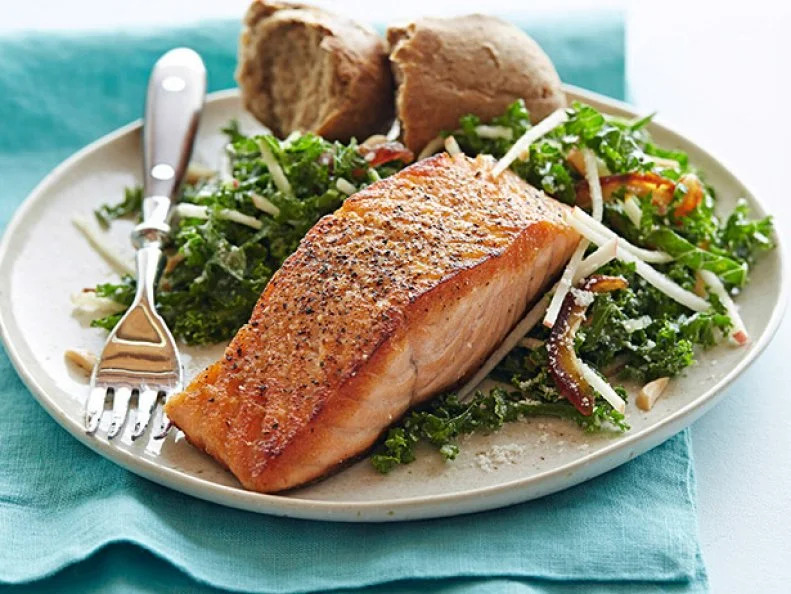
Healthy skin starts in the kitchen. These nutrient-rich foods and simple recipes support hydration, collagen, and overall skin health of yours from within.
Most skincare routines focus on products applied from the outside, but healthy skin often starts from within. While cleansers, moisturizers, and sunscreen remain important, the foods you eat can have a major impact on your skin’s overall appearance and health. Research continues to highlight the connection between nutrition and skin function, showing that certain nutrients support hydration, collagen production, elasticity, and the body’s natural response to inflammation. This growing understanding has led to the idea of “eating your skincare,” a simple concept backed by science.
In many ways, the ingredients that support glowing skin may already be sitting in your kitchen, waiting to become part of your daily routine. So, let’s move ahead and see what the science is behind them and how certain foods truly help your skin glow.
The science behind eating your skincare
Your skin is constantly renewing itself, creating fresh cells every few weeks. To support that process, your body relies on nutrients from the foods you eat every day. Just as skincare products target specific concerns on the surface, certain vitamins, minerals, and healthy fats work from within to help maintain healthy, radiant skin. Here are the ingredients –
● Omega 3
Omega-3 fatty acids are often described as nature’s internal moisturizer, and for good reason. These healthy fats play an important role in supporting the skin barrier, helping it retain moisture while protecting against external irritants that can trigger dryness and redness. Studies have shown that Omega 3s may help calm inflammation and support smoother, healthier-looking skin over time. Adding more of these nutrient-rich foods to your diet can be a simple way to support skin health from within. Some of the best sources include fatty fish such as salmon, mackerel, and sardines, along with plant-based options like walnuts, flaxseeds, and chia seeds. Regular intake can contribute to skin that appears more hydrated and resilient.
● Healthy fats
Healthy fats play an important role in maintaining soft, supple skin. They help support the skin’s natural barrier, allowing it to retain moisture and maintain a smooth, hydrated appearance. Foods rich in healthy fats can also contribute to the plump, dewy look many people aim for through skincare products alone. Excellent sources include extra virgin olive oil, avocados, almonds, walnuts, and sunflower seeds. Including these foods regularly can support healthier-looking skin from the inside out.
● Antioxidants
Antioxidants act as one of the body’s most important defenses against everyday environmental stressors. Factors such as sun exposure and pollution can create free radicals, unstable molecules that contribute to the breakdown of collagen and accelerate visible signs of aging. Antioxidants help neutralize these molecules, supporting healthier and more resilient skin.
Several key nutrients play an important role in this process. Vitamin C helps the body produce collagen, which supports skin firmness and elasticity. Vitamin E works to protect skin cells from damage caused by environmental factors, while beta carotene contributes to a brighter and healthier complexion. Together, these nutrients help support skin health from within and complement the benefits of a consistent skincare routine. Foods rich in antioxidants include leafy greens such as arugula and spinach, along with bell peppers and broccoli. Adding these nutrient-dense foods to your meals can be a simple way to support stronger skin over time.
● Whole grains
Whole grains can be a valuable addition to a skin-friendly diet. Refined carbohydrates such as sugary snacks and white bread may cause rapid spikes in blood sugar levels, which can encourage excess oil production and contribute to breakouts. Whole grains are digested more slowly, helping maintain steadier blood sugar levels throughout the day. This balanced approach may support clearer and healthier-looking skin. Nutritious options such as quinoa, brown rice, farro, oats, and whole wheat provide both fiber and essential nutrients, making them a simple and effective choice for supporting overall skin health from within.
● Vitamin A
Vitamin E is an important nutrient for maintaining healthy, nourished skin. It helps support moisture retention, which can contribute to a smoother appearance and reduce the look of dryness and rough texture. Vitamin E is also known for its role in skin repair, helping the body support the healing process after minor skin damage. Foods rich in this nutrient include almonds, sunflower seeds, spinach, avocados, hazelnuts, and peanuts. Adding these foods to your diet can help support healthy skin from within.
Vitamin C
Vitamin C is widely recognized for supporting a healthy immune system, but its benefits extend far beyond overall wellness. This essential nutrient also plays a major role in maintaining healthy, vibrant skin. As a powerful antioxidant, vitamin C helps protect skin cells from damage caused by environmental stressors and supports the body’s natural defense against premature aging. It is also involved in collagen production, a process that helps maintain skin structure, firmness, and elasticity. In addition, vitamin C contributes to healthy hydration levels, helping skin appear fresher and more radiant.
Fortunately, many everyday foods are excellent sources of this nutrient. Broccoli and red bell peppers provide impressive amounts of vitamin C, while fruits such as oranges, kiwi, mango, grapefruit, lemons, and limes offer a refreshing way to boost intake. Including these foods regularly can help support healthier skin while also benefiting overall health and wellness.
● Zinc
Zinc is an essential mineral that plays an important role in maintaining healthy skin. Acting as an antioxidant, it helps protect skin cells from damage caused by everyday environmental stressors while supporting the body’s natural repair processes. Research has also linked low zinc levels to certain skin concerns, including acne and other inflammatory conditions. Ensuring adequate intake may help support clearer skin over time. Good dietary sources of zinc include oysters, beef, crab, oats, fortified breakfast cereals, turkey, and pumpkin seeds. Adding these foods to a balanced diet can help support overall skin health from within.
● Water
Hydration plays a major role in maintaining healthy, glowing skin. When the body does not get enough fluids, skin can become dry and lose some of its natural freshness. While drinking water is important, hydration also comes from the foods you eat each day. In fact, many fruits and vegetables contain high amounts of water and can contribute to your daily fluid intake. Foods such as watermelon, strawberries, oranges, cucumbers, celery, and leafy greens are excellent choices. Including these water-rich foods in your diet can help support hydration levels and promote fresh skin from the inside out.
Adding these nutrient-rich foods and drinks to your routine can support healthier skin from within while also benefiting your overall wellbeing. The best part is that many of these ingredients are already considered everyday healthy choices. The recipes below offer simple and enjoyable ways to include more of them in your diet and give your skin the extra care it deserves.
Recipes
1. Collagen Smoothie
This thick, creamy smoothie is packed with ingredients that can support healthy skin while delivering a delicious and satisfying flavor. Kefir serves as the rich base, providing beneficial probiotics that support overall wellness. The recipe also includes collagen, a protein that helps maintain skin structure and support. Collagen is naturally found in foods such as beef and seafood and is also widely available as a supplement. Mango adds natural sweetness along with vitamin C, an important antioxidant that supports collagen production. A touch of turmeric completes the blend, contributing anti-inflammatory properties that may help support overall skin health and vitality.
Ingredients –
➔ 2 cups low-fat, plain unsweetened kefir
➔ 1 cup mango, diced, fresh or frozen
➔ 2 scoops unsweetened collagen powder
➔ ½ medium avocado, peeled and pitted
➔ 1 tsp ground turmeric powder
➔ Mint, for garnish (optional)
Recipe –
Place all ingredients in a blender and blend on high speed until the mixture becomes smooth and creamy, which should take about one to two minutes. Pour the smoothie evenly into two glasses and, if desired, finish with a garnish of fresh mint for an extra touch of flavor and freshness.
2. Peanut Sweet Potato Stew
Peanut-based stews have long been a staple in many West African cuisines and are loved for their rich flavor and comforting texture. This version delivers a creamy consistency without relying on dairy, thanks to the addition of peanut butter. Beyond its taste, peanut butter also provides a good source of plant-based protein, helping make the dish both satisfying and nourishing. Sweet potatoes bring natural sweetness along with beta carotene, a nutrient that supports overall health and plays an important role in the body’s immune function. Kale adds even more nutritional value, providing vitamin K, which supports both bone and heart health. Together, these ingredients create a hearty and nutrient-rich meal that is as wholesome as it is delicious.
Ingredients –
➔ 1 tbsp extra-virgin olive oil
➔ 1 medium yellow onion, diced
➔ 4 cloves garlic, minced
➔ 1 tbsp freshly grated ginger
➔ 1 jalapeño, finely diced (optional)
➔ 1 tbsp tomato paste
➔ 1 tsp ground cumin
➔ 4 cups low-sodium vegetable broth
➔ 1 14.5-oz can diced tomatoes, with juice
➔ 1 medium sweet potato, peeled and chopped
➔ ½ cup natural (smooth) peanut butter
➔ 3 cups kale (or collard greens), roughly chopped
➔ Chopped unsalted peanuts, for garnish
Recipe –
Heat the olive oil in a large stockpot over medium heat, then add the onion and cook until lightly browned and fragrant, stirring occasionally for about eight to ten minutes. Add the garlic, ginger, jalapeño if desired, tomato paste, and cumin, allowing everything to cook together for another minute to deepen the flavors. Stir in the vegetable broth, diced tomatoes, sweet potato, and peanut butter, then bring the mixture to a boil. Reduce the heat, cover, and let it simmer for around 30 minutes, or until the sweet potato becomes tender. Remove the pot from the heat, stir in the kale until wilted, and finish with a sprinkle of peanuts for added texture if desired.
3. Pomegranate Smoothie
Pomegranates are a seasonal favorite that typically appear during the winter months and are packed with nutrients that support overall health. Their vibrant ruby colored seeds provide dietary fiber along with vitamin C, an important nutrient that helps support the immune system. Pomegranates are also known for their impressive antioxidant content, making them a popular ingredient in wellness-focused recipes. Pomegranate juice brings a refreshing sweet and tangy flavor while adding another boost of antioxidants to the mix. In this smoothie, Greek yogurt contributes protein for a satisfying texture, while avocado provides heart-healthy fats and extra creaminess. Together, these ingredients create a flavorful and nutrient-rich blend that is both nourishing and delicious.
Ingredients –
➔ 1 cup 100 percent pomegranate juice
➔ 1 cup plain, nonfat Greek yogurt
➔ 1 cup pomegranate arils, frozen or fresh
➔ ½ cup avocado chunks, peeled, frozen or fresh
Recipe –
Place all of the ingredients in a blender and blend on high speed for one to two minutes, or until the mixture is completely smooth and creamy. Serve immediately and enjoy.
4. Dark Chocolate Avocado Mousse
Few things are as satisfying as ending the day with a rich and indulgent dessert, especially when it also offers nutritional benefits. This dark chocolate mousse delivers a smooth, creamy texture and deep chocolate flavor while incorporating ingredients that support overall wellness. Naturally gluten-free, the recipe uses avocado to provide healthy fats and fiber, creating its velvety consistency without the need for heavy ingredients. Greek yogurt adds both protein and beneficial probiotics, making the dessert a little more nourishing than it first appears. The best part is that none of these wholesome additions take away from the experience. Every spoonful remains rich, chocolatey, and satisfying, making it a dessert that feels like a treat while offering a few extra benefits along the way.
Ingredients –
➔ 2 ripe avocados, pitted and skinned
➔ ½ cup plain low-fat (1 percent) Greek yogurt
➔ 6 tbsp unsweetened cocoa powder
➔ 6 tbsp pure maple syrup
➔ 2 tsp pure vanilla extract
➔ 1 pinch kosher salt
➔ ¼ cup plain unsweetened soy milk (plus more as needed)
Recipe –
Combine all the ingredients in a blender or food processor and blend until the mixture becomes smooth and creamy, which should take about a minute. Pause to scrape down the sides if needed to ensure everything is fully incorporated. If you prefer a lighter consistency, gradually add a little more soy milk until the desired texture is reached. Once blended, transfer the mousse to a serving dish and chill until ready to enjoy.
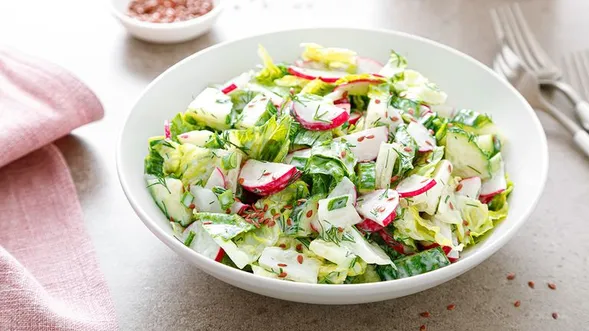
5. Cucumber Dill Salad
Cucumbers, radishes, and fresh herbs are among the seasonal vegetables that often arrive early in the spring, bringing crisp flavors and vibrant freshness to the table. In this recipe, these ingredients are combined and coated in a creamy dressing made with Greek yogurt instead of heavier options such as sour cream or mayonnaise. The yogurt creates a light, refreshing texture while also adding calcium and protein, making the dish both flavorful and nutritious.
Ingredients –
➔ 4 cups romaine lettuce, chopped
➔ 1 medium cucumber, with skin, sliced into rounds and quartered
➔ 1 medium radish, sliced
➔ 1 pinch freshly ground black pepper
➔ 3 tbsp fat-free Greek yogurt
➔ 1 tbsp extra-virgin olive oil
➔ 1 tbsp lemon juice
➔ 1 tsp white wine vinegar
➔ 1 clove garlic, minced
➔ 1 tbsp fresh dill, finely chopped
➔ 1 scallion, sliced
➔ ¼ tsp salt
➔ ¼ tsp flaxseeds, for garnish (optional)
Recipe –
Place the lettuce, cucumber, and radish in a large serving bowl and gently combine the vegetables. In a separate small bowl or container, whisk together all of the dressing ingredients until smooth and fully blended. Pour the dressing over the salad and toss everything well to ensure the vegetables are evenly coated. For added texture and nutrition, sprinkle flaxseeds on top if desired, then serve immediately and enjoy the fresh, crisp flavors.
6. Winter Citrus Yogurt Bowl
This simple recipe combines vibrant blood orange slices with creamy Greek yogurt for a nutritious and satisfying dish. Greek yogurt provides a generous amount of protein while also supplying beneficial probiotics that support gut health and help maintain a balanced microbiome. Blood oranges add a refreshing citrus flavor along with vitamin C, an important nutrient that supports immune function. Together, these ingredients create a wholesome option that is both flavorful and nourishing.
Ingredients –
➔ 2 cups plain nonfat Greek yogurt
➔ 1 blood orange, peeled and sliced into rounds
➔ ¼ cup granola
➔ 2 tbsp unsalted pepitas or other nuts or seeds of your choice
➔ ¼ cup fresh blueberries, rinsed
➔ 1 tbsp honey (optional)
Recipe –
Spoon the yogurt evenly into two serving bowls, then top each portion with blood orange slices, granola, pepitas, and fresh blueberries. For a touch of extra sweetness, finish with a drizzle of honey if desired, and serve immediately.
Take any of these recipes or make your own; eating healthy always pays off!