From scalp care and sun protection to humidity control and a good diet, these simple summer hair tips help reduce frizz, dryness, breakage, and damage naturally.

Summer can be brutal on hair, especially when heat, humidity, sweat, pollution, and constant sun exposure start working against your scalp every single day. You step outside with fresh hair, and before long, the roots feel oily, the texture turns rough, and frizz suddenly takes over. For many people, the season also brings extra hair fall, scalp irritation, dryness, and stubborn dandruff flare-ups that make hair care feel exhausting. Daily commuting and long hours outdoors only add more stress to already damaged strands.
The good part is that protecting your hair during summer does not need an overly complicated routine or expensive salon treatments. A few simple adjustments in the way you wash, style, and care for your hair can help maintain healthier strands and a much calmer scalp throughout the season. So, let’s start…
Scalp protection
When summer arrives, most people immediately focus on fixing dry ends, frizz, or rough texture, but the real issue often starts at the scalp. Heat, sweat, humidity, oil buildup, and daily exposure to dust can overwhelm the scalp surprisingly fast, especially during long commutes or busy days outdoors. That is why so many people suddenly deal with greasy roots, itchiness, dandruff flare-ups, or tiny bumps once temperatures rise.
A healthy scalp creates the foundation for healthier hair, which makes proper cleansing one of the biggest priorities during hotter months. The goal is not aggressive washing. It is balance. If your scalp becomes oily quickly, washing your hair two to three times a week can actually help maintain comfort and freshness. In more humid environments, some people may even prefer alternate-day washes to prevent buildup from sitting too long on the scalp.
The biggest mistake many people make during summer is using overly harsh shampoos that strip every bit of natural oil from the hair. That overly “clean” feeling may seem satisfying at first, but it often leaves the scalp irritated and the hair drier over time. A gentler shampoo works much better for maintaining balance while still removing sweat and excess oil effectively. Ingredients like aloe vera, tea tree, peppermint, or rice water are especially popular during warmer months because they help refresh the scalp without making hair feel heavy or rough. Small changes in your hair routine can make a surprisingly big difference once the heat starts affecting your scalp every day.
Don’t overdo the oiling
Hair oiling still deserves a place in a good summer hair routine, but the way you oil your hair during hotter months matters a lot. Heavy overnight oiling can sometimes make the scalp feel even greasier once sweat, heat, and daily buildup enter the picture. If your scalp already leans oily, thick layers of oil sitting for hours may leave your roots feeling uncomfortable instead of nourished. A lighter approach usually works far better during summer. Applying a small amount of oil around 30 to 60 minutes before washing your hair gives the scalp enough time to absorb moisture without creating excess buildup. It keeps the routine effective while making hair feel fresher and easier to manage afterward.
Coconut oil continues to be one of the most reliable choices during warmer months because it helps soften dryness caused by heat and sun exposure while still feeling lightweight on the scalp. If irritation or itchiness becomes an issue, mixing a few drops of tea tree or neem-infused oil with coconut oil can help calm the scalp before wash day. The biggest secret is moderation. Your hair should look healthy and conditioned, not overly soaked in oil. A little product can go a long way once temperatures start rising.
Stay away from hair styling
Summer already puts hair through enough stress before heat styling tools even enter the conversation. Between sun exposure, humidity, sweat, pollution, and dry air, hair spends most of the season trying to recover from constant environmental damage. Adding straighteners, curling irons, or daily blow drying on top of that can quickly push strands into full damage mode. What starts as a little dryness often turns into rough texture, split ends, breakage, and hair that suddenly becomes difficult to manage.
A lot of people notice their hair looking flatter, frizzier, or weaker during hotter months, and excessive heat styling is usually part of the problem. Hair loses moisture faster during summer, which means repeated exposure to styling tools can leave it looking dull and dehydrated much sooner than expected. Even thick or naturally healthy hair can begin feeling brittle after too much direct heat. Cutting back on styling tools during summer can genuinely help your hair recover and maintain a softer texture. Air drying whenever possible is one of the easiest changes to make, especially during busy weeks when your scalp already feels overheated. On days when heat styling is unavoidable, using a heat protectant spray beforehand makes a real difference. It creates a protective layer around the strands and helps reduce some of the damage caused by high temperatures.
Summer is also the perfect excuse to lean into easier hairstyles that look good without demanding too much effort. Loose braids, messy buns, soft ponytails, and claw clip styles have become go-to looks because they keep hair away from the neck while reducing sweat and friction around the scalp. They also help prevent constant pulling and unnecessary stress on the roots. Sometimes the healthiest thing you can do for your hair is simply letting it breathe a little more during the hottest months of the year.
Your hair needs sun protection, too
Most people never think twice about applying sunscreen before stepping outside, yet hair protection is still something many completely overlook during summer. The truth is that constant sun exposure can be surprisingly damaging for both the scalp and hair strands, especially during long afternoons outdoors. Hair spends hours facing direct UV rays, heat, pollution, and dry air, which slowly weakens the texture and leaves it looking rough, dull, and dehydrated.
One of the biggest signs of sun-damaged hair is how quickly it loses softness and shine during hotter months. Colored hair fades faster, natural hair can start feeling brittle, and frizz becomes much harder to control after repeated exposure to harsh sunlight. Even the scalp can become irritated once it spends too much time under direct heat without protection.
The good news is that protecting your hair from sun damage does not require a complicated routine. Some of the simplest habits often make the biggest difference. Covering your hair before stepping outdoors can genuinely help reduce damage over time. Scarves, cotton hats, caps, and even lightweight umbrellas create a barrier that protects both the scalp and hair from excessive UV exposure. They also help reduce sweat buildup directly on the scalp during long days outside.
Leave-in conditioners and lightweight hair serums with UV protection are also becoming increasingly popular for summer hair care because they help create an extra layer of defense while controlling dryness and frizz at the same time. They are especially useful for people who spend hours commuting, traveling, attending outdoor events, or simply staying under direct sunlight regularly. Summer hair care often becomes easier once people stop focusing only on styling and start thinking about protection, too. Your hair deals with environmental stress every single day, and a little extra coverage can help preserve softness, shine, and overall health far more than most people realize.
Change your diet according to the weather
A lot of people spend summer changing shampoos, buying hair masks, or blaming humidity for every bad hair day, but many seasonal hair problems actually begin from inside the body. Once temperatures rise, dehydration becomes far more common, and hair usually reacts quickly to it. Dryness, dull texture, irritation, and increased hair fall can all become more noticeable when the body is not getting enough fluids throughout the day.
Water intake sounds like the most basic advice possible, yet it genuinely affects how healthy hair looks and behaves during hotter months. Hair loses moisture faster during summer, especially when the body is already dealing with heat and sweat daily. Drinks like coconut water, lemon water, and buttermilk can help maintain hydration levels more effectively, while fruits such as watermelon and cucumber also support hydration naturally.
Nutrition matters just as much as hydration once environmental stress starts affecting hair health. During summer, many people naturally shift toward lighter meals because heavier foods can feel uncomfortable in the heat. The problem is that lighter eating sometimes leads to lower protein intake, which can gradually weaken hair in the process. Hair needs enough protein and essential nutrients to stay strong, especially during seasons when strands already face damage from heat, pollution, and sun exposure. Foods like eggs, fish, yogurt, nuts, sprouts, lentils, and paneer can help support stronger hair growth while keeping the body nourished. Iron deficiency and poor nutrition also remain major contributors to hair fall for many people, particularly women. Sometimes, healthier summer hair begins less with styling products and more with what ends up on the plate every day.
Stay away from humidity
Dry heat can be frustrating, but humidity is usually the real reason summer hair starts losing control so quickly. The moment you step outside in a humid environment, frizz suddenly appears, roots feel sticky, and carefully styled hair seems to expand on its own. Coastal cities and high moisture climates are especially brutal because the air constantly pulls moisture into the hair, making strands puffier and harder to manage throughout the day.
One of the biggest mistakes people make during humid months is overloading their hair with heavy creams, oils, and styling products in an attempt to fight frizz. In reality, too much product often makes hair greasy faster while weighing everything down. A lighter approach usually works much better. Lightweight serums or leave-in conditioners applied only through the lengths of the hair can help smooth texture without making the scalp oily.
The way you dry your hair matters too. Rough towel drying creates friction that instantly worsens frizz and leaves strands looking rougher than before. Microfiber towels are gentler and help absorb moisture without disturbing the hair cuticle too aggressively. Wet hair also needs extra care because it becomes much more fragile after washing. Aggressively brushing through tangles can easily lead to breakage. A wide-tooth comb helps detangle hair more gently while keeping unnecessary damage to a minimum.
Hard water can do real damage
Summer usually means more beach trips, pool days, and time spent outdoors, but all that fun can quietly leave hair dealing with extra damage behind the scenes. Chlorine in swimming pools is one of the biggest culprits because it strips moisture from the hair and leaves strands feeling dry, rough, and harder to manage after repeated exposure. Coloured hair can also lose shine faster once chlorine buildup starts settling into the strands.
One of the easiest ways to reduce damage before swimming is rinsing your hair with clean water first. Hair absorbs less chlorinated water when it is already wet, which helps limit dryness afterward. Applying a small amount of leave-in conditioner before entering the pool can also create a light protective barrier around the strands. Water quality at home matters too. Hard water is a surprisingly common reason hair suddenly starts feeling dull, tangled, or rough despite using the same products as usual. Mineral buildup from hard water can slowly affect texture and shine over time. Simple shower filters may not seem exciting, but they can make a noticeable difference once hair starts reacting badly to poor water quality.
Your kitchen might have the solution
Not every summer hair fix needs to come from an expensive salon shelf or a trending beauty product. Some of the most reliable hair care ingredients are still the simple ones people have used for years at home. Ingredients like curd, aloe vera, fenugreek, banana, and honey continue to stay popular because they actually help support softer and healthier-looking hair during hotter months.
Curd can help calm the scalp while adding moisture back into dry strands. Aloe vera works well for soothing irritation after long days in the sun, while fenugreek is often used in homemade treatments focused on strengthening hair. Banana and honey masks are especially helpful when hair starts feeling rough or dehydrated. The important thing is consistency. Trying ten different DIY recipes once rarely changes much. A simple routine followed regularly usually works better in the long run. At the same time, not every viral internet hair hack deserves trust. Ingredients like lemon or baking soda used incorrectly can irritate the scalp badly. Sometimes keeping things simple is the healthiest approach for your hair.
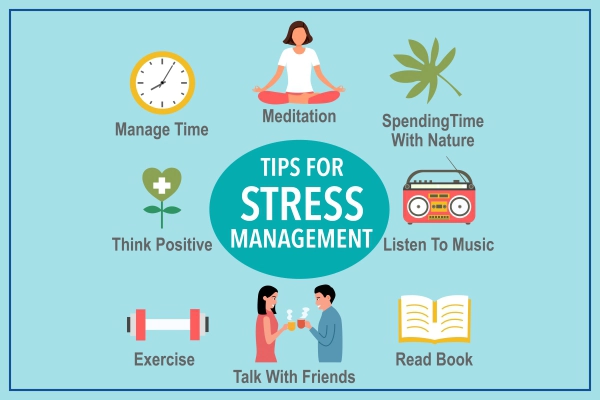
Say no to stress
A lot of people search for the perfect shampoo or expensive hair treatment once summer hair problems begin, but lifestyle habits often play a much bigger role than most realise. Heat, long days, dehydration, stress, and lack of proper rest can slowly affect the body, and hair is usually one of the first places where those effects start becoming visible. Increased hair fall, dryness, dullness, and scalp irritation sometimes have less to do with products and more to do with exhaustion and poor routine.
Sleep matters far more for hair health than many people expect. When the body does not get enough rest, recovery slows down, stress levels rise, and overall hair condition can gradually weaken over time. Poor eating habits and dehydration during hotter months also make things worse because the body struggles to maintain proper nourishment for healthy hair growth. A balanced routine with enough water, proper meals, regular sleep, and stress management can genuinely improve the texture and strength of hair over time. Expensive products may help temporarily, but healthy hair usually comes from smaller habits repeated consistently every day. Hair care rarely depends on one miracle product. It is often the result of simple routines that support overall health in the long run.
Healthy hair is better than perfect hair
The biggest thing to remember during summer is that perfect hair honestly does not exist. No matter how polished someone looks online, almost everyone deals with frizz, sweat, dryness, flat roots, or random bad hair days once temperatures rise. Even people with naturally healthy hair struggle to keep it manageable when heat, humidity, pollution, and constant sun exposure start building up every day.
That is why summer hair care should never become about chasing perfection. The real goal is maintaining a healthy scalp, protecting your strands from unnecessary damage, and building a routine simple enough that you can actually stick to it consistently. Complicated routines filled with endless products usually become exhausting very quickly, especially during hotter months when hair already feels difficult to manage. Small habits often make the biggest difference over time. Washing your scalp properly, staying hydrated, protecting hair from excessive heat, eating well, and reducing unnecessary damage can gradually improve hair health far more than constantly switching between trending products. Good summer hair care is rarely about doing more. It is usually about doing the right things consistently before heat, humidity, and daily stress start taking control of your hair routine completely.
Follow these tips, and this summer, your hair will suffer the least!