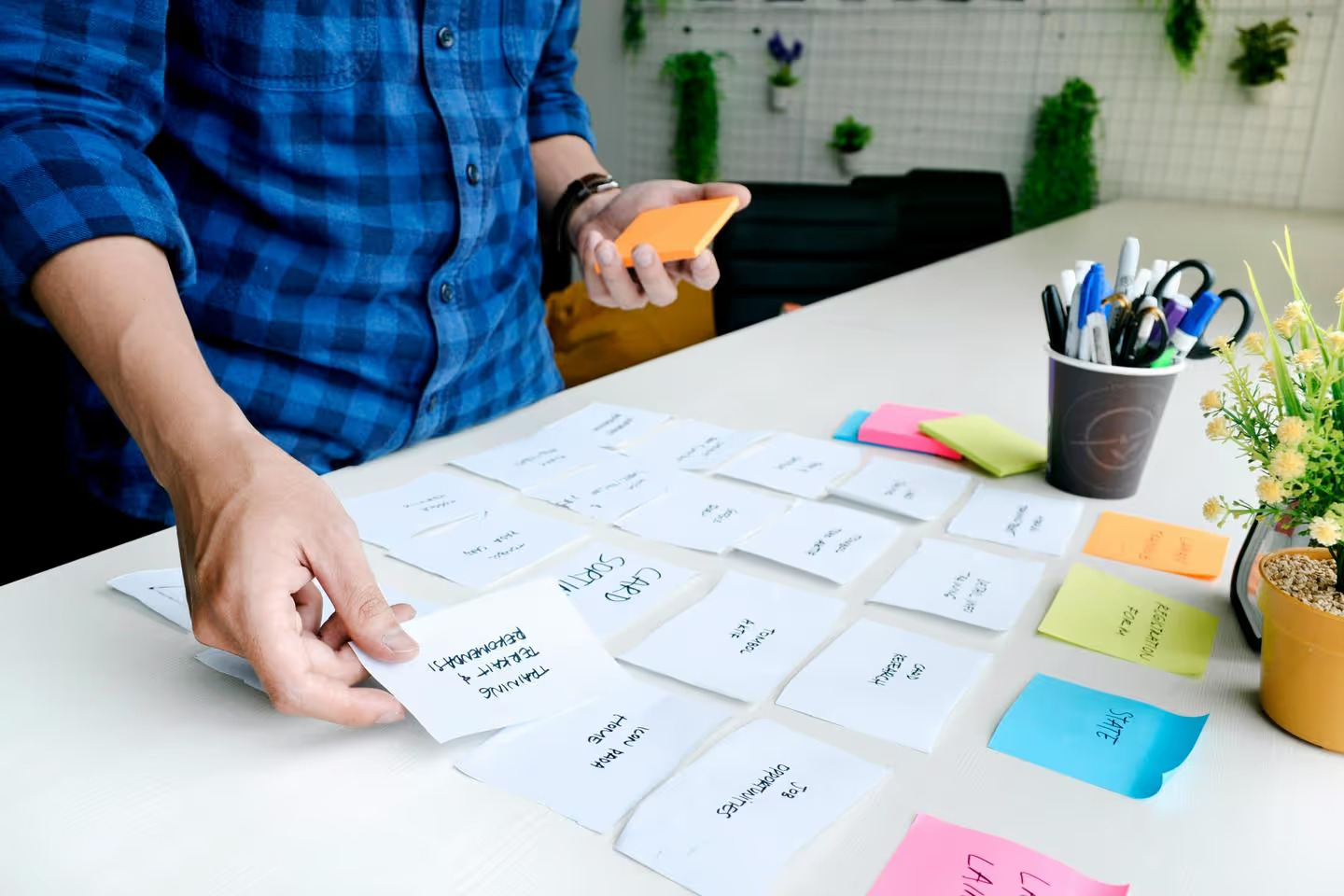
Simple hobbies like reading, art, walking, or helping others can ease stress, shift your mindset, and slowly build a healthier and more balanced mental space.

A surprising number of adults admit that anxiety gets in the way of doing what they actually want, holding them back more often than they would like to admit. That is where hobbies start to matter in a real way. When you spend time doing something you enjoy, your body begins to ease up, stress levels drop, and your mind gets a break from the constant noise. There is also something deeply satisfying about finishing a project or hitting a small milestone, and that quiet sense of achievement can slowly rebuild confidence. If you have been thinking about picking up a new hobby, this might be the right moment. It helps to think about what you need most right now, maybe a challenge or a way to meet new people, and let that guide you forward.
In this blog, we have compiled a list of new hobbies that can calm your brain and boost your mental well-being. So, let’s move on and see what new hobbies you can pick up. But before that, you need to understand completely what a hobby is and how it can impact your mental health.
What is a hobby?
A hobby can be anything you return to in your free time simply because you enjoy it. It does not need to fit a label or follow a rule. It can be creative, active, thoughtful, or something that feels personal to you. For some, it means spending time alone with a book or a craft, while for others it could be meeting friends, stepping outside into nature, or getting lost in a game or sport. Even small things like planning a trip or exploring new places count. What matters is the feeling it brings. When you choose to spend time on something that gives you genuine joy, it creates space for your mind to reset, and over time, that can make a real difference to your mental well-being.
How impactful can a hobby be?
A lot of things shape your mental health, from the small tasks you deal with every day to the bigger moments that shift your life in unexpected ways. In the middle of all that, we often overlook the simplest fixes. One of them is spending time on something you truly enjoy, something as easy and personal as a hobby. There is real value in that choice. Research has shown that taking part in leisure activities can lower stress, ease low moods, and even help with symptoms of depression. People who make space for hobbies often feel more at ease, and they tend to build stronger connections with others along the way. It is not about picking something perfect. It can be creative, active, thoughtful, or something that feels entirely your own.
You might prefer doing it alone, or you might enjoy sharing it with a group. Both work in their own way. However, it is important to find something that holds your interest and gives you a sense of meaning. When you do that, it stops feeling like an effort and starts becoming something you look forward to, something that you are genuinely excited about.
The top 12 hobbies for your mental health
1. Reading
Books carry more than stories. They hold small lessons that stay with you long after you close the last page. When you read, your mind slows down and begins to focus, and with time, this can help strengthen the way your brain processes thoughts and emotions. That steady engagement can ease stress, soften anxiety, and even help lift low moods in a quiet but steady way. Reading also creates a space where you can step out of your own routine for a while. You get to see different lives, ideas, routines, and perspectives, and that shift alone can feel very refreshing. It gives your mind room to reset without any pressure from the world around you.
If you are looking to build this habit, there are plenty of simple ways to start. You can download books online and read at your own pace, or explore local events where authors and readers come together. Joining a book club is another great option, as it turns reading into a shared experience and helps you stay consistent while connecting with others who enjoy the same escape.
2. Cooking
Not everyone enjoys cooking, and that is completely fair. Still, it helps to remember that there is no single way to do it. There are so many styles and approaches, and with a bit of trial and error, it becomes easier to find something that feels comfortable. Giving it a chance can open up more than expected. The act of cooking itself can be calming, as it pulls your focus into simple, physical steps like chopping, stirring, and paying attention to smells and textures. That kind of focus can help ease anxiety and lift a low mood over the course of time.
There is also value in choosing the ingredients that support how you feel inside. Foods rich in omega-3 fatty acids, antioxidants, protein, and B vitamins are known to have a positive impact on people’s moods. Starting small makes the process less overwhelming for you. In addition to this, an online cooking class can guide you through new recipes, while baking something familiar from a box can build your confidence. From there, moving to baking from scratch feels less intimidating. Remember, not every attempt will go well, and that will feel frustrating. But sticking with it can turn cooking into a satisfying habit that supports both routine and mental well-being.
3. Journaling
Writing things down can feel simple, almost too simple, but journaling has a way of easing the weight that builds up in your mind. When thoughts stay stuck inside, they tend to grow louder, but putting them on paper gives them shape and makes them easier to handle. It creates a small space where you can be honest without worrying about how it sounds.
Journaling also helps you notice patterns. You begin to see what situations or feelings are affecting your mental health, and that awareness makes a difference. Once things feel clearer, it becomes easier to think about what can change and how to deal with it in a way that feels manageable. It is not about fixing everything at once, but about understanding where to begin. Gradually, it can also shift your focus. Writing is not only for heavy thoughts. It can be a place to note small wins, moments that felt good, or things that brought a sense of calm. That habit slowly builds a more balanced way of thinking. It does not erase the difficult parts, but it helps you see beyond them and hold on to what is still going right.
4. Walking
Taking a walk might seem like the simplest thing, but it can do more for your body and mind than expected. It can be as easy as stepping out with your dog for a short stroll or setting aside time for a longer walk that lets you clear your head. Either way, the impact builds with consistency.
On the physical side, walking helps ease stress steadily, in a natural way. It supports better sleep, which then affects how you feel the next day, and it can also help lower your blood pressure with time. These small changes add up and make daily life feel more manageable. There is also something about walking that shifts how your mind works. It gives you space to think without any pressure, and that can spark new ideas or help you look at your problems from a different angle. Many people find that their creativity improves and tasks feel easier to handle after a walk. It becomes a reset that leaves you feeling a bit more ready for whatever comes next.
5. Gardening
Something is grounding about caring for plants. Watching them grow at their own pace can bring a sense of calm that is hard to find elsewhere. It gives you something to look forward to as the seasons change, and that steady rhythm can help break cycles of stress and anxious thinking. After a long or difficult day, spending a little time with your plants can clear your head simply and quietly. Starting does not need to feel overwhelming. A full garden is not necessary, especially if space is limited. A few small plants are enough to begin. They can come from a local store or even a neighbor who is willing to share. Taking the time to learn what each plant needs and finding the right spot with enough light and air becomes part of the experience.
It also creates a shift in focus. Instead of staying caught in heavy thoughts, your attention moves to something gentle and alive. Not every plant will thrive, and that is part of the process. With time, patience grows, and so does the confidence to keep going.
6. Being in nature
Spending time in nature has a way of bringing things back into balance. It can ease stress, calm anxious thoughts, and lift a low mood without asking for much in return. There is also a physical shift that happens. Muscle tension softens, stress hormones begin to settle, and even your heart rate and blood pressure can improve in time. It is a quiet kind of reset that builds slowly but stays with you.
The key is to find what part of nature feels right for you. It could be the stillness of early mornings, the sound of water, or the open stretch of a trail. Once you figure that out, it becomes easier to make it part of your routine. That might mean stepping out for a short walk at sunrise, taking a swim in a nearby lake, or heading out for a hike a couple of times a week. Even simple habits like biking through your neighborhood or planning a short road trip can create that connection. It does not have to be perfect or time-consuming. A few minutes in a natural space can still make a difference. The idea is to show up, move around, and let that environment do its work in its own steady way.
7. Solving puzzles
Puzzles have been around for centuries, and there is something about them that never really gets old. They pull you in, hold your attention, and give your mind a break from everything else. There are so many types to choose from, so it is easy to find one that fits your mood. Crosswords can challenge your word skills, jigsaw puzzles let you build something piece by piece, and number games like Sudoku keep your brain active in a different way.
Spending time on puzzles can do more than just pass the time. They help sharpen memory and keep your brain engaged, which can make a difference in how you focus during the day. That steady concentration often carries over into other tasks, making things feel a bit easier to handle. Getting started is simple. A newspaper can be a great place to explore a mix of puzzles and figure out what you enjoy most. Puzzle apps on your phone offer even more variety and let you play at your own pace. Once you find the type that clicks, it becomes something you can return to whenever you need a reset or a small mental challenge.
8. Doing group activities
When anxiety or low moods take over, pulling away from people can feel like the easiest option. Still, staying connected can make a difference, genuinely. One way to ease back into it is by starting with something you already enjoy and finding others who enjoy it too. That shared interest takes the pressure off and makes it easier to just show up.
The activity itself can be anything that fits your pace. It could be something active like a sport or a workout session, or something that allows conversations like painting, writing, or joining a book club. The setting matters less than the sense of connection it creates. Spending time in group activities has been linked to lower stress and better mental health. It gives you a chance to feel supported while doing something familiar. Finding the right group might take a bit of effort, so asking around or checking online spaces can help. Once you find people who share your interests, it becomes easier to stay motivated and enjoy the activity more. You will also feel a little less alone in the process.
9. Fishing
Fishing has a way of slowing everything down. It asks you to step away from noise and spend a few hours outside, where time moves at a different pace. That alone can feel refreshing. There is no rush, no constant distraction, just the quiet rhythm of waiting and watching. It naturally brings your attention to the present moment. While you wait for a bite, your mind starts to settle, and small details begin to stand out. The sound of water, the movement around you, the stillness in between. That shift can ease stress without forcing it. Fishing also builds patience in a very real way. Not every attempt brings quick results, and that is part of the experience. Learning to sit with that uncertainty and stay present can carry over into daily life. In the long run, it becomes more than a hobby. It turns into a simple way to reset, reflect, and give your mind a break from constant pressure.
10. Doing art projects
Creating visual art has a quiet but powerful effect on the mind. Research continues to support this, with a 2022 study showing that making art can improve attention, lift self-esteem, and help reduce stress regularly. It gives your thoughts somewhere to go, especially on days when words feel hard to find.
What makes it even better is how open it is. There is no fixed way to begin and no pressure to get it right. Everyone starts as a beginner, and that is part of the process. A few simple tools like pencils, watercolour paints, some brushes, and a blank canvas are more than enough to get going. As you spend time creating, your focus shifts to shapes, colours, and movement. That change can feel calming and grounding. It is less about the final result and more about the act itself. Eventually, it becomes a space where you can explore, make mistakes, and still feel a sense of progress and release.
11. Writing
Writing can be a simple way to clear your head when thoughts start to feel heavy. Putting things into words helps move them out of your mind and onto paper, where they feel easier to face. It doesn’t have to be perfect or polished. The act itself is what matters. If the idea of writing full stories or poems feels like too much, starting small can make it easier. Journaling a few times a week is a good place to begin. It gives you space to be honest without pressure. As time passes, you might feel ready to explore poems or short pieces as a way to express things you cannot always say out loud.
Words have a way of grounding you. They help release tension and bring a sense of calm when everything feels crowded. Writing also opens the door to creativity, even in quiet ways. It becomes a habit you can return to whenever you need to sort through emotions or simply take a pause from everything else.
12. Volunteer
After a stressful moment, it is easy to fall into overthinking and get stuck in your own head. The thoughts keep looping, and everything starts to feel heavier than it is. One way to break that cycle is by shifting your focus outward. Spending time helping others can gently pull your attention away from anxious patterns and into something more grounded. Finding a cause that matters to you can make this feel natural. A quick search for local nonprofit groups can lead you to places where your time and effort can truly help. It could involve supporting people, caring for animals, or simply showing up where help is needed. That act of giving creates a different kind of perspective. It reminds you that your thoughts are not the whole picture. In the course of time, it can bring a sense of calm and purpose, making it easier to return to your own challenges with a clearer and steadier mindset.
Let’s hope you pick up a hobby that truly means something to you and helps you ease those strangling thoughts!