Book to film adaptations are hard to get right, but these movies proved it can be done, delivering stories that honored their source and truly worked on screen.
For every movie that nails its book adaptation, there is another that makes readers wonder if the source material was even opened. Turning a novel into a film is never simple. Books live inside thoughts, emotions, and inner monologues, while movies have just a couple of hours to show everything on screen. Some filmmakers manage to translate that magic without losing what made the story special. Others miss the tone and the heart, or the whole point entirely. That gap between page and screen is why adaptations spark such strong reactions and debates, especially among readers and fans.
Adapting a book for the screen sounds exciting, but rarely feels easy. Fans come in with strong expectations, ready to defend what they love, which raises the pressure before filming even begins. Still, some movies get it right and even end up outshining their source material. The best adaptations keep the heart of the story intact while adding something new that works on screen. When it clicks, the result feels timeless and not like a compromise between page and film. So, let’s move ahead and see the list of 20 such movies that were great adaptations.
- Notebook
Before it became one of the most beloved romance films of its generation, The Notebook lived first as a Nicholas Sparks novel that already had readers emotionally invested. Fans connected deeply with its sweeping love story, the kind that lingers long after the final page. When the book made its way to the screen, that connection only grew stronger. Rachel McAdams and Ryan Gosling brought Noah and Allie to life with chemistry that felt tender and unforgettable. The film captured the heartache, hope, love, and devotion that made the novel such a hit, while adding a visual intimacy that turned the important moments into pop culture staples. What started as a popular romance book evolved into a cinematic classic that still defines the genre years later.
- Room
The novel Room built a devoted fanbase long before the film arrived, but the screen version earned just as much love in its own. Brie Larson and Jacob Tremblay brought the story’s emotional weight to life with grounded and deeply moving performances. Their chemistry in the film carried it, making the bond between mother and son feel real rather than scripted. The movie captured not only the trauma of their situation but also the quiet moments of resilience, tenderness, and hope that define their relationship. Instead of relying on shock, the adaptation focused on emotional truth, which made the story even more powerful to watch on screen. It respected the heart of the novel while finding new ways to make viewers feel every single moment. That balance is what turned Room into one of the strongest book-to-film adaptations in recent years.
- The Princess Diaries
The Princess Diaries feels so tied to early 2000s culture that a lot of people forget it started as a book. For many fans, the movie is the story, and all thanks to Anne Hathaway’s awkward charm and Julie Andrews’ effortlessly regal presence. Together, they turned Mia’s journey from invisible teen to unlikely royal into something warm, funny, and endlessly rewatchable. The film leaned into humor and wish fulfillment without losing the sweetness of the original story. It became a comfort watch for an entire generation and a defining rom-com of its era. What began as a young adult novel ended up as a cultural staple. It proved that some adaptations grow even bigger once they hit the screen.
- How the Grinch Stole Christmas! (1966)
How the Grinch Stole Christmas is one of Dr. Seuss’s most beloved stories, and it has made the jump to the screen three different times. Still, the 1966 animated version remains the gold standard for many fans. It feels timeless, like something you grew up with even if you saw it years later. The animation style, the narration, the voice acting, and the music all capture the playful rhythm and heart of Seuss’s writing without overcomplicating it. The Grinch’s journey from bitter outsider to warm-hearted hero lands with just as much impact in under thirty minutes as it does on the page. If you have seen this version, chances are you love it. It understands the tone, the humor, and the message perfectly, which is why it still defines the story today.
- Willy Wonka & the Chocolate Factory
Charlie and the Chocolate Factory has already seen two film adaptations, and it would not be surprising if another version appears someday soon. However, most people still hold a soft spot for the first movie, even though both films managed to capture the strange music and playful spirit of Roald Dahl’s original story. Each version brought its own tone and visuals, as well as its take on Willy Wonka. This made the world of Wonka and the factory feel fresh without losing its charm. The factory still felt like a place where anything could happen, and the lessons about kindness, curiosity, and greed landed just as strongly. Few stories balance whimsy and darkness as well as this one, and both adaptations honored that balance in ways that stayed true to the book.
- The Polar Express
The Polar Express has long held a special place in holiday culture, both as a book and as a film. Year after year, families return to its story of belief, wonder, and childhood magic, especially once the holiday season begins. The book’s quiet warmth and soft illustrations set the tone, while the movie expanded that world into something cinematic and immersive. Together, they turned a simple train ride into a shared tradition for millions of people. It is the kind of story that feels tied to memory, comfort, and growing up, which is why it never really fades. Every December, it finds new audiences while pulling old ones back in. Few holiday stories manage to feel timeless across generations, but The Polar Express continues to do exactly that.
- The Fault in Our Stars
The Fault in Our Stars hit readers hard from the moment it was released, and for many, the story became deeply personal. People connected to Hazel and Gus in ways that felt raw and gut-wrenching. That emotional weight carried over into the film adaptation, which managed to honor the heart of the book without dulling its impact. Shailene Woodley and Ansel Elgort brought the characters to life with sincerity, making their love story feel tender and heartbreaking in equal measure. The movie delivered the same mix of humor and grief that made the novel so powerful. Fans walked into theaters knowing they would cry, and they were not disappointed. Few adaptations manage to match their source emotionally, but this one truly did.
- The Perks of Being a Wallflower
The Perks of Being a Wallflower has built a loyal following that spans both the book and the film, and fans will gladly tell you how earned that love really is. The story speaks to loneliness, friendship, love, and growing up in an honest way that is far from being polished. It captured those moments when life feels overwhelming but connection still finds a way through. The movie adaptation stayed close to the emotional core of the novel, which helped longtime readers feel seen instead of let down. Logan Lerman, Emma Watson, and Ezra Miller brought the characters to life with softness and sincerity that made every quiet moment land harder. Both versions know when to sit in silence and when to let emotion breathe. It is the kind of story that leaves you changed, a little war, and oddly comforted at the same time.
- Alice in Wonderland (1951)
Alice in Wonderland is so closely tied to its film versions that some people forget it began as a book. Still, readers who know the original story often agree that the animated adaptation works especially well. The strange characters, playful logic, and dreamlike world feel even more alive once they move onto the screen. What can feel abstract on the page becomes visual, colorful, and oddly comforting in motion. The film leans into the chaos while keeping the heart of the story intact, which makes it easier to connect with Alice’s journey. Some stories simply thrive in visual form, and this is one of them. The result feels less like a retelling and more like a natural evolution of a classic that continues to charm new generations.
- Big Little Lies
Big Little Lies worked so well as a screen adaptation that it earned a second season, which is rare for a show based on a single novel. That decision meant the writers had to move beyond the original book and create new storylines from scratch, but the transition felt natural rather than forced. The characters were already so layered and compelling that expanding their lives made sense. Strong performances, sharp writing, and a carefully crafted atmosphere helped the series stand on its own, rather than feeling like an extended epilogue. It proved that a great adaptation can grow beyond its source without losing its identity. The show did more than honor the book. It created a world that viewers wanted to stay in longer, which is the true mark of success for any book-to-screen project.
- The Devil Wears Prada
The Devil Wears Prada worked on the page, but it truly came alive on screen. The movie took a solid story and turned it into something iconic through casting, fashion, and perfectly chose setthings. Meryl Streep’s Miranda Priestly became instantly legendary, while Anne Hathaway and Emily Blunt grounded the film with humor and heart. Every outfit was intentional, every scene sharp, and every line is still quotable! It was the kind of movie that did not need to grow on people, but clicked right away. Years later, fans still rewatch it like comfort watching, and the online debates about who the real villain is never seem to slow down. Some say it is Miranda. Others point elsewhere. Either way, the movie stays in conversation because it balances satire, ambition, and emotional realism so well. It did more than adapt a book. It built a lasting pop culture moment.
- Gossip Girl
Yes, Gossip Girl started as a book series, not a TV show, and a lot of fans still swear by the novels. The books had their own tone and sense of chaos that pulled readers in fast. At the same time, the television adaptation built something just as addictive, if not more so. With iconic casting, unforgettable fashion, and storylines, the show kept people glued week after week. The show expanded the world and deepened the drama, which turned the characters into pop culture fixtures. Some readers prefer the sharper edge of the books, while TV fans stand by the series as the superior version. Either way, Gossip Girl proved that adaptations can thrive in more than one format without losing what made the story fun in the first place.
- Pride & Prejudice
Pride and Prejudice has been adapted so many times that most people have seen some version of it, even if they did not realize where the story originally came from. Its themes of love, pride, and prejudice with a pinch of misunderstanding feel timeless, which makes it easy to rework across ears and styles. Still, the 2005 film starring Keira Knightley and Matthew Macfadyen holds a special place for many Jane Austen fans. The chemistry felt quiet but intense, and the pacing gave the story room to breathe. The cinematography leaned into softness and emotion without losing the sharpness of Austen’s dialogue. It managed to feel romantic without giving too much of a polished look. For a lot of viewers, this version became the definitive one, the kind people revisit when they want comfort and longing. This version of the adaptation reminded people of why this story has endured for generations.
- Little Women
Classic book adaptations are tough to get right, especially when filmmakers try to modernize a story without losing what made the story special in the first place. That balance is hard to find and create, but Little Women managed to do it just fine. Greta Gerwig approached the material with care and respect, along with a clear emotional vision that was both fresh and familiar at the same time. Her version honored Louisa May Alcott’s original themes while reshaping the structure in a way that was thoughtful rather than flashy. The characters felt truly lived in by the cast, the relationships felt truly intimate, and the story felt emotionally grounded instead of being overly sentimental. It worked for longtime fans of the novel and for viewers experiencing the story for the first time. The film did not try to replace the book; it walked alongside it. It offered a new perspective that deepened the original rather than distracting from it. That is what made this adaptation stand out so much!
- One Flew Over The Cuckoo’s Nest
One Flew Over the Cuckoo’s Nest stands as both one of the most debated novels in American literature and one of its most beloved. Ken Kesey’s 1962 story, set inside an Oregon psychiatric hospital, blended humor and tragedy in a way that felt bold for its time. That same energy carried into Miloš Forman’s 1975 film adaptation, led by unforgettable performances from Jack Nicholson and Louise Fletcher as McMurphy and Nurse Ratched. The movie became an instant classic and still holds its place among Hookup Cinema’s most respected titles. It also earned a rare sweep of the five major Academy Awards, a feat only a few films have ever achieved. Even fifty years later, the film remains powerful, relevant, and widely celebrated. It stands as proof that bold books can become equally iconic movies when handled with care.
- Schindler’s List
It is rare for a book and its film adaptation to receive the same level of respect, but Schindler’s List managed to do exactly that. Thomas Keneally’s novel delivered a powerful and devastating account that stayed with readers long after the final page. Steven Spielberg’s film translated that weight to the screen with equal care, restraint, and emotional depth. Both versions are difficult to experience, but that difficulty feels necessary rather than overwhelming. They do not aim to entertain. They aim to remember, honor, and confront history with honesty. The performances, storytelling, and quiet moments of humanity made the film just as impactful as the book. Together, they stand as rare examples of storytelling done right across mediums. Few adaptations manage this balance, but Schindler’s List remains one of the clearest cases where both the page and screen versions feel essential.
- The Prestige
When The Prestige was released in 2006, it earned glowing reviews and has since become one of Christopher Nolan’s most admired and quietly underrated films. Set in Victorian London, the story follows two rival magicians locked in a ruthless battle of ambition, obsession, and illusion. What many viewers do not realize is that the film is based on a 1995 novel by Christopher Priest. While the book is solid and compelling in its own right, it never reached the same classic status as the movie. Nolan’s adaptation sharpened the tension and deepened the emotional stakes. His adaptation delivered twists that linger long after the credits roll. The result is a rare case where the film arguably surpasses its source material. Even years later, The Prestige continues to stand as one of the strongest psychological thrillers of its era, proving how powerful the right adaptation can be.
- The Wizard of Oz
One of the most iconic films in history actually began as a book, though most people today know the movie far better than the original novel. That alone says a lot about how successful the adaptation was. The filmmakers managed to translate the story so seamlessly to the screen that the film became the definitive version for generations of viewers. Some fans even forget there was a book at all. In a way, that level of success feels almost unfair to the source material, but it also proves how powerful the adaptation truly was. The movie did more than retell the story. It reshaped it into something unforgettable. Few book-to-film projects ever reach that level, where the screen version becomes the cultural reference point instead of the page.
- No Country For Old Men
Based on Cormac McCarthy’s novel of the same name, No Country for Old Men almost did not become the phenomenon it is today. Josh Brolin has shared that he and the Coen brothers initially doubted the film’s chances, pointing to its quiet tone, sparse dialogue, and stripped-down premise. That hesitation makes its eventual success even more impressive. The film went on to win four Academy Awards, earn over $170 million worldwide, and cement itself as one of the greatest neo-Westerns ever made.
The story follows the fallout from a drug deal gone wrong, centered around $2 million in missing cash and three characters whose lives collide in brutal ways. While there are differences between the book and the film, none of them weaken the impact of the story on screen. If anything, the adaptation sharpens the tension and emotional weight. Javier Bardem’s chilling performance as Anton Chigurh remains unforgettable, as do moments like the Eagle Pass Hotel chase. Years later, the film still stands as one of the strongest examples of a book-to-screen adaptation done right.
- Gone Girl
Gone Girl arrived in 2012 as a dark and addictive mystery centered on the disappearance of a woman and the secrets hiding beneath a seemingly perfect marriage. Gillian Flynn’s novel earned massive praise, but the story did not stop there. Flynn also wrote the screenplay for David Fincher’s film adaptation, which premiered in 2014 and quickly became just as celebrated. Ben Affleck and Rosamund Pike led the cast, with Pike delivering a chilling performance as Amy Dunne that earned her an Academy Award nomination. The movie leaned fully into the book’s sharp twists and unsettling tone, sometimes even heightening them. Critics responded with near-universal praise, and the film developed a loyal following that still holds strong today. Few adaptations manage to feel this faithful while also standing confidently on their own, but Gone Gil pulled it off with ease.
- The Lord Of The Rings Trilogy (2001-2003)
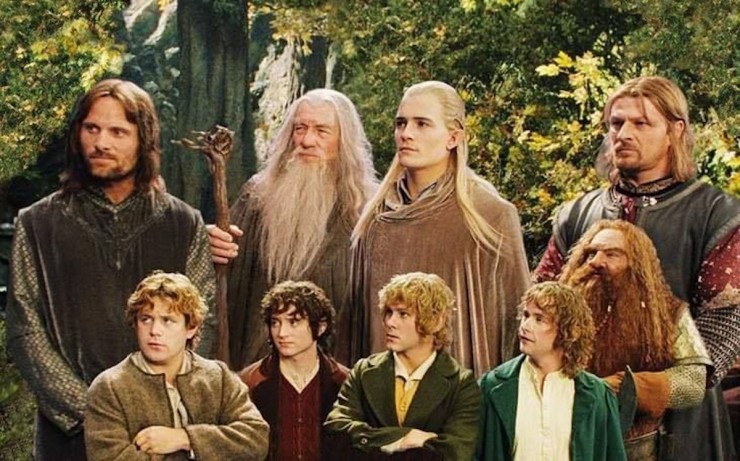
The Lord of the Rings helped shape modern fantasy as we know it and remains one of the most influential works of fiction ever written. J.R.R. Tolkien’s trilogy was not always treated like the legend it is today, with early critics even dismissing it outright. Still, time proved its power. When Peter Jackson took on the challenge of adapting the story for the screen, expectations were massive, and somehow, he exceeded them. Released between 2001 and 2003, the trilogy became one of the most celebrated film series in history, earning widespread acclaim and countless awards. Two of the films still rank among the highest-rated movies of all time on IMDb, which says a lot about their lasting impact. More importantly, the movies honored Tolkien’s world, characters, and themes in both epic and deeply human ways, winning over longtime fans and newcomers alike.