If you are going on a solo trip, then you should consider a few effective tips. The right tips can help you to enjoy your solo traveling in a much better way.
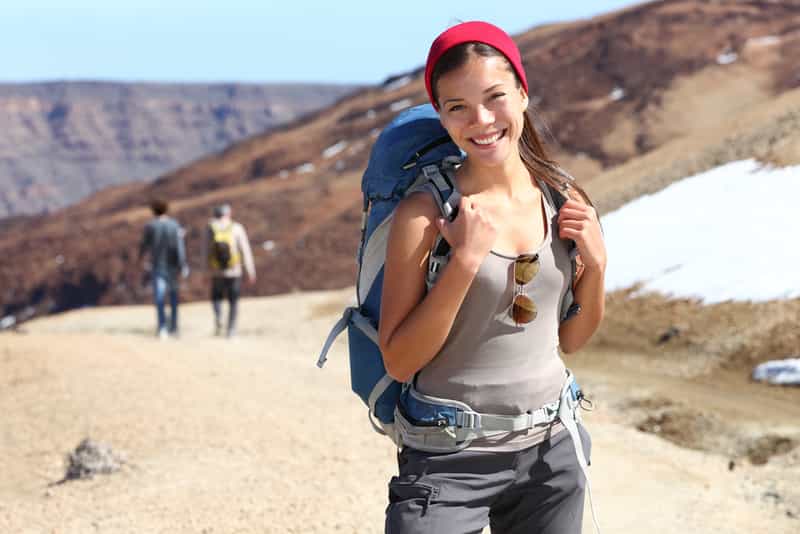
Solo travelling is one of the best ways to explore the world, discover new places, and learn about new cultures. Travelling solo can give you the freedom to create your own itinerary, enjoy experiences on your own, and choose your preferred destinations without accommodating someone else’s preferences. It is one of the best experiences that one can have while travelling. However, travelling alone also comes with responsibilities. From choosing the right destination and managing your budget to staying safe, organizing accommodation, and navigating unfamiliar surroundings, a little preparation can make a significant difference. You need to be comfortable making independent decisions, handling unexpected situations, and taking responsibility for your belongings and personal safety. If you are preparing for your first solo adventure or looking for ways to improve your future travel experiences, the following solo travel tips can help you make the most of your journey.
- Choose a destination that matches your comfort level:
Choosing the right destination is one of the most important decisions when you are travelling alone. It is true that when you are travelling alone, you are going outside your comfort zone, but you have to be more careful about your safety as well. Begin somewhere that matches your interests, experience, and confidence level. If you are travelling alone for the first time, you might prefer a familiar domestic destination or a well-connected international city. Experienced solo travelers may feel comfortable exploring remote locations or less-developed tourist destinations. Research the local environment, transportation options, weather conditions, and general safety considerations before making your decision. if you take care of this step, you will be able to travel more effortlessly. Selecting a suitable destination can help you feel more confident and enjoy your trip without unnecessary stress.
- Prepare a realistic travel budget:
Travelling alone means that you have to take all the responsibilities of managing all your expenses. When you are travelling with a group, the responsibility for accommodation, transportation, and other costs is mostly shared. But during solo travel, you are the one who needs to do all the things. That is why, before travelling, you need to prepare a realistic budget because it is one of the most essential things. Calculate your expected costs, including flights, accommodation, meals, local transportation, sightseeing, shopping, travel insurance, and emergency expenses. Research average prices at your destination to avoid underestimating your spending. Keep some additional money aside for unexpected situations, such as transportation changes or medical expenses. You can also use budgeting applications or a simple spreadsheet to track your spending. A well-planned budget allows you to enjoy your trip without constantly worrying about running out of money. Thus, pay more attention to this for a better travel experience.
- Research your destination thoroughly:
Before travelling, spend time researching your destination to understand what to expect during your visit. Learn about its popular attractions, local neighbourhoods, transportation options, cultural practices, and general travel conditions. Proper research can help you avoid confusion and plan your activities more efficiently.Explore reliable travel guides, official tourism websites, recent traveller reviews, and local information sources to gather useful details. Find out which neighbourhoods are suitable for tourists, where essential services are available, and which areas may require additional precautions. Check the weather conditions, local transportation schedules, and entry requirements for popular attractions. Also, find out whether certain places require bookings or have specific visiting hours. Understanding these details beforehand can help you make informed decisions, manage your time effectively, and avoid unnecessary difficulties. Being familiar with your destination will also make you feel more confident when exploring unfamiliar surroundings alone.
- Book the first night’s accommodation in advance:
Arriving in an unfamiliar destination without knowing where you will stay can be stressful, especially when travelling alone. Booking your first night’s accommodation in advance ensures you have a confirmed place to rest and makes your arrival more comfortable.Choose a property with positive recent reviews, convenient transportation access, and reliable security arrangements. Before confirming your reservation, check its location, check-in times, cancellation policies, and available facilities. If you expect to arrive late at night, consider arranging transportation from the airport or railway station beforehand. Also, save your booking confirmation and accommodation address on your phone for easy access. Although keeping the rest of your itinerary flexible can be helpful, securing your first night’s stay allows you to settle in comfortably and begin your solo travel experience with greater confidence and peace of mind.
- Purchase suitable travel insurance:
Travel insurance is an important consideration that you shouldn’t avoid. It is even more important when you are travelling to an unfamiliar place on your own. An unexpected illness, accident, lost luggage, cancelled flight, or travel disruption can create financial and logistical difficulties.Before going on your solo trip, you need to compare different travel insurance policies and understand what each company offers. After doing the research, look for what is best according to your requirements. You must buy an insurance plan depending on your destination and requirements; look for medical emergency coverage, hospitalization, emergency evacuation, trip cancellation, baggage loss, and travel delay protection. Check exclusions, deductibles, coverage limits, and any requirements relating to pre-existing conditions or adventure activities. Keep a digital and printed copy of your policy details and emergency contact information. Appropriate insurance can provide financial protection and make handling unexpected travel problems less overwhelming.
- Share the travel itinerary with someone you trust:
When you are travelling on your own, you should share your travel itinerary with someone you trust. Keeping someone informed about your plans is a sensible safety measure. Share your travel itinerary with a trusted friend or family member before leaving. Include your flight details, accommodation information, planned destinations, and approximate travel dates.You do not always have to give an hour-by-hour schedule. But a general outline of your journey is sufficient. You can also arrange occasional check-ins through messages or calls. Having someone aware of your whereabouts provides an additional layer of security and ensures that a trusted person has useful information if an unexpected situation arises.Thus, when you are travelling alone, considering this step can be really helpful.
- Carry only what you need:
Packing light can make solo travel considerably more comfortable and convenient. When travelling alone, you are responsible for managing your luggage, whether you are navigating airports, railway stations, hotel corridors, or crowded streets. Carrying too many belongings can make these activities tiring and inconvenient.Choose versatile clothing that can be mixed and matched for different occasions. Pack comfortable footwear, essential toiletries, necessary medications, travel documents, and electronic accessories. Avoid carrying items you are unlikely to use during your trip. Before packing, check the weather forecast and your airline’s baggage restrictions to avoid unnecessary expenses or inconvenience. Consider using a lightweight suitcase or backpack that is easy to carry and manage. Keep frequently used essentials easily accessible so you do not have to unpack everything repeatedly. Remember that travelling comfortably is more important than carrying multiple outfits or unnecessary accessories. A well-organised, lightweight bag gives you greater flexibility when exploring unfamiliar destinations independently.
- Learn the basic local phrases:
When you are travelling solo, learning a few basic phrases can be really helpful for you. It is possible that in the place you are visiting, no one speaks your language. Thus, you need to find a way to communicate with the local people. This can make your solo travel experience even more enjoyable. Even if you are visiting a destination where most people understand English, you should still learn some simple greetings and practical expressions. this can you will get the chance to communicate with the residents. Learn how to say hello, thank you, please, excuse me, and where to find essential places. It is also useful to know phrases related to asking for directions, ordering food, requesting assistance, and explaining an emergency. Translation applications can help when communication becomes difficult, but learning a few words beforehand shows respect for the local culture. It may also make everyday interactions more pleasant and help you connect with people during your journey.By following this step, you will be able to travel in a much better way.
- Keep your important documents secure:
Your passport, identification cards, travel tickets, insurance details, and booking confirmations are essential documents that you should protect throughout your journey. Losing any of these items can create unnecessary complications, particularly when travelling internationally.Keep your original documents in a secure place and carry only those you need for daily activities. Store digital copies in a secure account or encrypted document application so you can access them whenever required. It is also helpful to keep an additional copy of important information separately in your luggage. Avoid leaving your passport, identification documents, or payment cards unattended in public places. Consider using a secure travel pouch to keep essential documents organised and protected. If you are travelling abroad, research how to contact your country’s embassy or consulate in case your passport is lost or stolen. Taking these precautions can help you avoid unnecessary stress.
- Dress appropriately for the destination:
Your clothing choices can influence your comfort, convenience, and overall travel experiences. Thus, before going to the place, you need to do a little bit of research about the local climate, dress requirements, and cultural expectations. If you know what the suitable dress options are, it will be much easier for packing. A lot of religious sites are there that only allow visitors with a certain type of dress, such as covering shoulders, knees, or even heads. That is why, when you are travelling, you need to learn more about these. Certain destinations may also require practical clothing because of extreme temperatures, rain, or challenging terrain. Choose comfortable outfits that allow you to explore without difficulty. Carry a lightweight jacket, suitable walking shoes, and weather-appropriate accessories. Dressing respectfully can help you feel more comfortable in local surroundings while ensuring that you are prepared for different activities and environments.
- Keep emergency contact easily accessible:
When you are travelling alone, you should always keep someone as an emergency contact whom you can contact when something goes wrong. When travelling somewhere, you do not know what kind of situation you will face. That is why you must keep a few emergency contacts. Along with saving the important phone numbers on your mobile device, you should also keep a written copy for yourself. So, even if your phone dies, you will be able to contact them without any problem. Your emergency contact list should include trusted family members or friends, your accommodation, local emergency services, your travel insurance provider, and your country’s embassy or consulate when travelling internationally.Keeping these details accessible helps you respond more efficiently during unexpected situations instead of searching for information when you are already stressed.Thus, it is a step that will help you travel in a much more relaxing way.
- Trust your instinct:
One of the most important solo travel tips is to trust your instincts and pay attention to your surroundings. If a particular person, situation, or location makes you uncomfortable, do not ignore your concerns or feel pressured to continue.You are not obligated to engage in conversations, accept invitations, or visit places simply because someone suggests them. Politely decline and move towards a safe, public, and well-populated area if necessary. Avoid situations where strangers pressure you into sharing personal information or making quick decisions. Being confident and aware of your surroundings can help you handle unfamiliar situations more effectively. Remember that you do not have to justify your decisions to strangers. Your personal comfort and safety should always come first, even if it means refusing an invitation or changing your plans. Trusting your instincts can help you make better decisions.
- Arrive during daylight whenever possible:
Arriving at a new destination during daylight can make the beginning of your solo trip easier, safer, and more comfortable. You will generally have better visibility, more transportation options, and greater opportunities to ask for directions or assistance if needed.Whenever possible, schedule flights, trains, or buses that reach your destination during the daytime. This is particularly helpful when you are unfamiliar with the local transportation system or visiting a place with limited public services. Daylight also gives you enough time to locate your accommodation, explore nearby facilities, and become familiar with your surroundings. If a late-night arrival is unavoidable, arrange reliable transportation and confirm your accommodation details beforehand. Avoid wandering through unfamiliar neighbourhoods while searching for your hotel. Planning your arrival carefully can reduce unnecessary stress and help you begin your journey with greater confidence and peace of mind.
- Avoid sharing too much personal information:
While travelling to a new place, meeting new people is an enjoyable aspect of it. But whenever you are meeting someone and having a conversation, try to avoid sharing too much personal information. You can definitely be friendly, but revealing too much information is not necessary. Avoid sharing your exact accommodation details, room number, daily schedule, or personal financial information with strangers. You can discuss your travel experiences and interests without explaining where you are staying or whether you are completely alone. Be especially careful when sharing information on public social media accounts. Consider posting photographs after leaving a particular location rather than revealing your real-time movements. Maintaining personal boundaries allows you to enjoy social interactions while protecting your privacy. Thus, paying more attention to this can be really helpful for you.
- Use reliable transportation:
Transportation is an important consideration when travelling alone. Before reaching your destination, research the available options, including public buses, trains, metro systems, registered taxis, and recognised ride-hailing services. Understanding the local transportation system can help you plan your journeys more efficiently.Whenever possible, use official transportation services and verify the vehicle and driver details before entering a ride-hailing vehicle. Avoid accepting unsolicited transportation offers from strangers, particularly at airports, railway stations, and crowded tourist areas. If you plan to use public transportation, familiarise yourself with the routes, operating hours, and ticketing procedures. Keep your accommodation address saved on your phone so you can share it easily when needed. Also, check transportation fares beforehand to avoid unexpected expenses. Choosing reliable transportation options can make exploring unfamiliar destinations safer, more convenient, and less stressful while travelling independently.
- Stay aware of your surroundings:
Being aware of your surroundings can help you recognise uncomfortable situations and make informed decisions while travelling alone. When exploring an unfamiliar destination, pay attention to the people around you, traffic conditions, neighbourhoods, and available transportation options.Avoid constantly looking at your phone while walking, especially in crowded streets or unfamiliar areas. If you need directions, step into a safe public place before checking your map. Keep your belongings secure in busy markets, tourist attractions, and transportation hubs. Also, familiarise yourself with nearby hotels, restaurants, shops, and other public places where you can seek assistance if necessary. Avoid distractions when navigating unfamiliar surroundings and remain attentive to your environment. Staying alert does not mean being suspicious of everyone; it simply means taking sensible precautions to protect yourself and enjoy a comfortable journey.
- Keep multiple payment options:
Relying on a single payment option can make your travelling more difficult. For example, if your card gets blocked, lost, or damaged, then you need to find a way to make your payments. That is why, when solo travelling, you need to consider carrying at least two different payment options. You can try to carry cards from two different banks and a limited amount of cash. If you have a backup card option, then you will be able to avoid any unnecessary problems. Before travelling, inform your bank about international travel requirements if necessary and understand the applicable transaction fees. Make sure you know how to freeze or block a card through your banking application. It is also useful to keep your bank’s contact information accessible. Having alternative payment methods gives you greater financial flexibility and helps you manage unexpected situations without interrupting your trip. This can be really helpful while travelling on your own.
- Keep some cash with you:
Right now, digital payments are convenient in most places. But you do not know whether you will be able to make digital payments everywhere or not. That is why, keeping a little amount of local currency can help you to travel without any problems. Smaller restaurants, public transportation services, local markets, and independent shops may not accept cards or digital payment methods. Thus, at this time, having some cash will help you to make the payments without any hassle. Carry a reasonable amount of cash for everyday purchases and unexpected situations without keeping all your money in one place. Avoid displaying large amounts of cash in public. If you are travelling internationally, check currency exchange options and any relevant restrictions. Having some cash available can be particularly helpful if your phone battery dies, card payments fail, or internet connectivity becomes unreliable.
- Keep your phone charged:
Your smartphone is one of your most useful travel essentials, especially when exploring unfamiliar destinations alone. You may rely on it for navigation, accommodation bookings, transportation information, digital payments, translation, photography, and emergency communication. Therefore, keeping your phone charged throughout the journey is important.Carry a fully charged power bank, appropriate charging cables, and a travel adapter if required. Make sure your phone has sufficient battery before leaving for long sightseeing trips or visiting remote locations. Avoid unnecessary battery consumption by closing unused applications and reducing screen brightness when needed. It is also helpful to save important addresses, booking confirmations, maps, and emergency contact details offline in case your internet connection becomes unavailable. Consider charging your phone whenever a suitable opportunity arises. A fully functional smartphone can help you navigate unfamiliar surroundings, access essential information, and contact someone quickly when necessary.
- Download offline maps:
Internet connectivity is not always reliable, especially when travelling through remote areas, underground transportation systems, or international destinations with expensive roaming charges. Downloading offline maps before your journey can help you navigate unfamiliar locations without depending entirely on mobile data.Many navigation applications allow you to download selected areas and access them without an internet connection. Save maps covering your accommodation, popular attractions, transportation hubs, and nearby neighbourhoods. You can also store important addresses and directions on your phone for quick access whenever needed. This can be particularly useful when exploring places with limited network coverage or travelling through unfamiliar streets. However, remember that offline maps may not provide real-time traffic updates or display every available route. Therefore, combine them with other reliable navigation resources whenever possible. Having offline maps readily available can make independent exploration easier, more convenient, and less stressful.
- Make time for local experiences:
Solo travel offers an excellent opportunity to explore a destination beyond its popular tourist attractions. Instead of spending your entire trip visiting famous landmarks, make time to discover local markets, neighbourhood cafés, traditional restaurants, cultural centres, and community events.These experiences can help you understand the destination’s everyday lifestyle, traditions, and culture. You might discover a family-run restaurant, attend a local art exhibition, explore a traditional craft market, or participate in a cultural workshop. Ask residents, tourism professionals, or accommodation staff for recommendations to find interesting places worth visiting. You can also explore neighbourhoods on foot to discover hidden cafés, local shops, and unique attractions. Remember to respect local customs and seek permission before photographing people. Experiencing everyday local life can make your journey more meaningful and introduce you to memorable places beyond conventional tourist destinations.
When you are travelling on your own, considering these will be really helpful. All these tips can lead you to travel without any hassle.