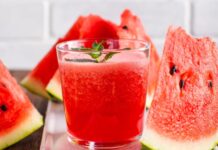
Bloating can ease with simple food swaps and better habits. From yogurt to ginger, small choices help your gut feel lighter and more balanced eventually.

Bloating shows up more often than we like, usually tied to things like constipation or trapped gas that quietly builds up through the day. What you eat and drink plays a bigger role than we admit, shaping how your stomach feels long after a meal is done. The good part is that small choices can help. Some foods and drinks work in your favor, easing that heavy feeling and helping your gut settle back into balance.
So, let’s move ahead and see which foods and drinks help in reducing bloating in your body.
Foods that help reduce bloating reduction
- Avocados
Avocados carry that easy reputation of being healthy, but there is more going on beneath the surface than the usual hype. Each serving brings in a solid mix of folate along with vitamins C and K, which already puts it ahead of most everyday picks. What really makes it stand out for bloating, though, is the potassium. This mineral helps your body manage fluid levels and keeps sodium in check, so you are less likely to deal with that uncomfortable water retention that leaves your stomach feeling heavy.
Then there is the fiber. Avocados are packed with it, and it works at a steady pace through your digestive system, helping things move along without causing stress. That slow movement supports regularity and reduces the chances of constipation creeping in. Put together, it is a simple food that quietly helps your gut stay on track while keeping that bloated feeling in check.
- Yogurt
Yogurt has a quiet way of doing a lot for your gut without making a big deal out of it. It is loaded with probiotics, the kind of good bacteria your digestive system actually needs to stay balanced. When your gut is off, bloating tends to show up fast, and that is where yogurt starts to help. These probiotics support smoother digestion and can ease that stretched, uncomfortable feeling in your stomach. There is also solid backing behind it. Probiotics have been linked to reduced bloating and abdominal swelling, especially for people dealing with IBS. They may also help improve how often you go and how consistent things are, which plays a big role in keeping bloating under control.
- Cucumber
Cucumbers keep things simple, and that is exactly why they work. They are made up of about 95% water, which makes them a great pick when your body needs hydration without any extra effort. Staying hydrated helps your system manage fluid better, so you are less likely to deal with that uncomfortable water retention that adds to bloating. There is more to it, though. Some research points to cucumbers helping ease symptoms linked to IBS, including bloating, stomach pain, and even irregular digestion. It is a light, refreshing option that quietly supports your gut without trying too hard.
- Celery
Celery may not look exciting, but it quietly does a lot more than it gets credit for. It is made up of about 95 percent water, so it naturally helps keep your body hydrated and balanced. That alone can make a difference when bloating starts to creep in. It also contains mannitol, a type of sugar alcohol that helps soften stools by drawing water into the digestive tract. That process supports smoother digestion and helps keep things moving, which can ease both constipation and that heavy, bloated feeling. On top of that, celery root works as a natural diuretic. It encourages your body to flush out extra water and sodium, which can further reduce that uncomfortable puffiness.
- Ginger
Ginger has been around forever, and there is a reason people keep going back to it when their stomach starts acting up. It is known for calming digestive discomfort in a way that feels almost immediate. When bloating hits, that heavy, stuck feeling can take over, and ginger helps ease that pressure. There is also some solid research behind it. Ginger may help your stomach empty faster, so food does not just sit there making you feel overly full. That simple shift can reduce bloating and bring back a sense of comfort without much effort.
- Berries
Berries have that easy, everyday appeal, but they bring more to the table than just a burst of flavor. Strawberries, blueberries, and blackberries are loaded with antioxidants, along with a mix of vitamins and minerals that support your body in quiet but steady ways. What makes them stand out for bloating is their polyphenol content. These natural compounds help support gut health and may reduce inflammation, which plays a role in easing that uncomfortable, swollen feeling.
There is also some recent research pointing toward their impact on IBS symptoms, including bloating. On top of that, berries are rich in fiber, which helps keep digestion moving and reduces the chance of gas building up. That same fiber can also help your body release excess water, making you feel lighter overall. It is a simple, satisfying way to support your gut without overthinking it.
- Bananas
Bananas are one of those go-to snacks that never ask for much, yet still manage to do a lot behind the scenes. They are easy to carry, easy to eat, and surprisingly helpful when your stomach feels off. Each medium banana brings in a good amount of fiber, which helps keep digestion steady and reduces the chances of things slowing down. They are also rich in potassium, which plays a key role in balancing fluids in your body. That balance can help prevent water retention, one of the common reasons bloating shows up in the first place.
- Papaya
Papaya brings in that soft, tropical sweetness, but there is more going on than just taste. It has a smooth texture that makes it easy on the stomach, especially when digestion feels a bit off. One of its standout features is an enzyme called papain, which helps your body break down proteins into amino acids. That process supports smoother digestion and can help reduce the chances of bloating creeping in. It also comes with a good amount of fiber in each serving. That fiber helps keep things moving at a steady pace, which plays a big role in avoiding that heavy, uncomfortable feeling. It is light, simple, and quietly effective.
- Oats
Starting your day with a bowl of oatmeal might not sound exciting, but it does more than just fill you up. It can actually help keep bloating in check if you stick with it. A simple half cup serving brings in a solid amount of fiber, which your digestive system relies on to stay consistent. Oats are rich in soluble fiber, and that is where the real benefit shows up. This type of fiber helps reduce gas buildup and supports smoother bowel movements, both of which play a big role in keeping that heavy feeling away. It works quietly but steadily in the background. It is worth keeping things simple, though. Plain or steel-cut oats tend to do a better job than the sugary versions, which can sometimes make bloating worse instead of helping.
- Pineapple
Pineapple brings that bright, tropical punch, but it is doing more than just adding flavor to your plate. Each serving comes packed with vitamin C, along with manganese and a range of B vitamins that support your body in steady, practical ways. It is one of those fruits that feels light, yet still delivers. What really sets it apart is an enzyme called bromelain. This has been used for a long time in traditional remedies to support digestion. It helps break down proteins, which can make meals easier on your system. Because of that, it may ease common issues like bloating, heartburn, and that lingering sense of indigestion that sticks around after eating.
- Quinoa
If bloating tends to show up after meals with pasta, crackers, or bread, it might be worth looking at what is on your plate. For some people, gluten can be a trigger, especially in conditions like celiac disease or gluten sensitivity. That reaction often brings along discomfort, including that tight, heavy feeling in the stomach.
Switching things up with a grain like quinoa can make a noticeable difference. It is naturally gluten-free, so it gives your system a bit of a break if gluten is part of the problem. Beyond that, quinoa comes packed with fiber and antioxidants, both of which support digestion and help reduce bloating in the long run. Even if you are not strictly avoiding gluten, adding quinoa into your meals can still help your gut feel a little more balanced and less weighed down.
- Turmeric
Turmeric has a way of showing up quietly in the kitchen, adding color to curries, soups, and simple side dishes without asking for much attention. But behind that warm hue, there is more going on. It contains a compound called curcumin, which has been studied for its anti-inflammatory effects and how it supports overall gut health. That is where it starts to matter for bloating. Some research suggests curcumin may help ease common IBS symptoms like gas, bloating, and even constipation. It works gently, supporting your system rather than forcing quick fixes. Adding a bit of turmeric to your meals can feel like a small step, but it can help your digestion stay more balanced over time.
- Kiwi
Kiwi might look small, but it brings a lot more to the table than you would expect. It is packed with key nutrients like fiber and potassium, both of which support your body in simple, effective ways. When it comes to digestion, that balance can make a real difference. What gives kiwi an edge is an enzyme called actinidin. It helps break down food and can speed up how quickly your stomach empties, which means meals are less likely to sit and cause discomfort. That shift can help ease common issues like bloating, stomach pain, and even constipation. It is a light, refreshing option that works quietly in the background while helping your gut stay on track.
Drinks that help in bloating reduction
- Green tea
Green tea keeps things simple, but it does quite a bit behind the scenes. It is rich in antioxidants like EGCG, which help reduce inflammation and support gut health. Some research links it to easing bloating, especially in IBD. It also has a bit of caffeine, which helps keep digestion moving and supports regularity.
- Peppermint tea
Peppermint tea has long been a go-to when digestion feels off. Peppermint oil has shown promise in easing IBS symptoms like pain, constipation, and bloating by reducing inflammation. It may also help relax muscles in the gut, which can prevent that tight, uneasy feeling. Still, more research is needed to confirm if tea offers the same effect.
Conclusion
Bloating can ease with the right foods, better habits, and a bit of awareness around what your body reacts to. Slow down while eating and stay consistent with choices that support digestion. If it keeps coming back or feels intense, it is worth checking in with a doctor for proper guidance!