William Gee, a trial lawyer based in Lafayette, Louisiana, shares practical answers to help individuals better understand how environment and industry shape legal risk.
(Isstories Editorial):- Lafayette, Louisiana Apr 15, 2026 (Issuewire.com) – Legal risk in South Louisiana is shaped by more than just individual decisions. It is influenced by environment, industry, and timing. Below is a Q&A with William Gee that addresses common questions individuals face when facing legal uncertainty.
More on Isstories:
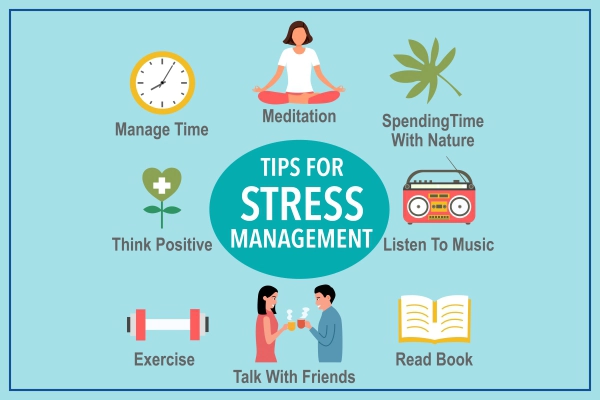
- Effective Steps for Managing Stress Seamlessly
- 20 Movies that Explained Mental Illness with Awareness
- Top 11 Street Foods to Try While Visiting India
- 20 Top Autumn Destinations to Visit in India
- 9 Terrifying Horror Books That are a Must-Read
Q: Why does legal risk feel higher in Louisiana?
A: “There are many factors,” Gee says. “Louisiana consistently reports workplace injury rates above the national average in key industries like transportation and energy. The region also supports one of the largest maritime workforces in the U.S., increasing exposure to high-risk conditions.”
Q: Are most accidents caused by one mistake?
A: “Almost never,” Gee says. “Most incidents are a chain of small issues that line up.”
According to the National Safety Council, environmental conditions contribute to a significant share of workplace incidents. In Louisiana, factors like flooding, heat, and equipment stress often combine.
Q: What role does the environment actually play?
A: “The environment changes everything,” Gee says. “Rain, heat, and water conditions can shift a situation fast.”
Heavy rain and flooding increase roadway risks, while extreme heat affects both workers and equipment. These variables often complicate the understanding of incidents.
Q: Why are truck and maritime cases so common here?
A: “That’s how the region runs,” Gee says. “You’ve got constant movement–goods, people, equipment.”
Federal data shows that large trucks are involved in a significant share of serious roadway accidents. Maritime work remains one of the most active sectors along the Gulf Coast.
Q: What do people usually misunderstand about their situation?
A: “They think it’s simple,” Gee says. “They look for one cause, there are usually several issues to consider.”
Many cases involve overlapping factors such as fatigue, mental errors, and inadequate training.
Q: What should someone do right after an incident?
A: “Start documenting immediately,” Gee says. “Details disappear faster than people expect.”
Early documentation improves clarity. Studies show that cases with strong early records tend to move more efficiently through the legal process.
Q: How important is timing?
A: “Timing can decide everything,” Gee says.
In Louisiana, many personal injury claims must be filed within two years. Missing deadlines can limit or eliminate options.
Q: What is one mistake people should avoid?
A: “Waiting,” Gee says. “People assume they have time, and then key information is gone.”
Delays can lead to lost evidence and weaker cases.
If You Do Nothing Else
Take these seven steps today:
- Write down details of any recent incident while they are fresh.
- Save photos, messages, and documents related to the situation.
- Learn the basic reporting process for your workplace or area.
- Check local conditions like road safety or weather risks before travel.
- Ask clear questions about timelines and deadlines.
- Review any paperwork carefully before signing.
- Talk to someone knowledgeable early instead of waiting.
Call to Action
If this Q&A helped clarify something for you, share it with someone who might benefit. A single conversation can prevent confusion later.
About William Gee
William Gee is a trial lawyer based in Lafayette, Louisiana. He began his law practice in 1991 and focuses on serious automotive collision injury cases and maritime-related cases. His work centers on preparation, understanding systems, and helping individuals navigate challenging situations shaped by environment and industry.
This article was originally published by IssueWire. Read the original article here.