Nowadays, everybody is aware of artificial intelligence and its involvement with various kinds of industries. This blog will delve into this topic and more.
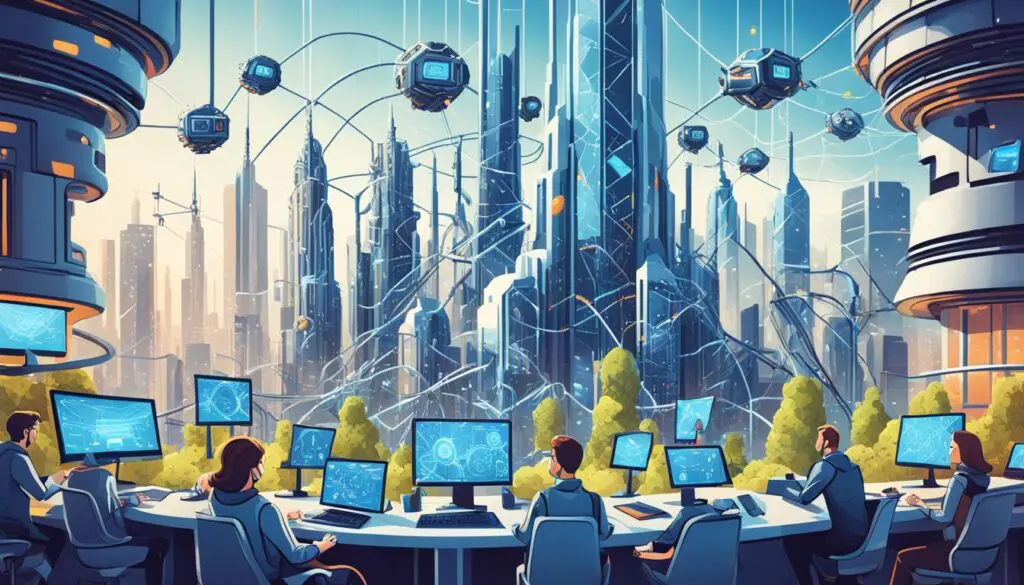
In recent years, artificial intelligence (AI) and machine learning (ML) have captured the collective imagination of the world. These advanced technologies are no longer the stuff of science fiction but have become integral to our daily lives and workplaces. Industries across the board are adopting AI and ML to streamline operations, enhance productivity, and create new possibilities. This widespread adoption has fueled both excitement and concern, particularly regarding the future of creative fields like the art industry. As AI continues to evolve, it is reshaping how we create, consume, and value art.
The Rise of AI and Machine Learning: A Cultural Obsession
The rapid progress of AI and machine learning is causing a significant cultural shift. This obsession stems from the technology’s ability to mimic human intelligence and decision-making processes. AI systems can analyze vast amounts of data, recognize patterns, and even perform tasks that once required human intuition and creativity. This has led to the integration of AI across industries—transforming everything from healthcare to entertainment.
This fascination with AI is also driven by its seemingly limitless potential. From automating mundane tasks to assisting in complex decision-making, AI’s capabilities continue to expand. The public’s interest is heightened by constant media coverage, showcasing AI’s ability to create music, write poetry, and even generate realistic visual art. While some view AI as a tool to enhance human creativity and efficiency, others fear it could lead to job displacement and the erosion of human expression.
AI and Its Impact on Different Industries
AI and machine learning are not confined to a single sector—they are transforming industries in profound and diverse ways. Here are a few sectors where AI is making a substantial impact:
- Healthcare Industry: AI is revolutionizing healthcare by improving diagnostics, personalizing treatment, and enhancing patient care. Machine learning algorithms can analyze medical data to detect patterns that might elude human professionals. This enables early detection of diseases and better patient outcomes. Additionally, AI-driven tools are being used to streamline administrative tasks, allowing healthcare professionals to focus on patient care.
- Finance and Banking: In the financial sector, AI enhances security, manages risks, and facilitates better decision-making. Machine learning models analyze transaction patterns to detect fraud in real-time. AI also assists in algorithmic trading, credit risk assessment, and customer service through virtual assistants. These innovations increase operational efficiency and provide customers with more personalized financial solutions.
- Manufacturing and Supply Chain:AI is optimizing production processes through predictive maintenance, inventory management, and quality control. Machine learning models predict machinery failures before they occur, reducing downtime and maintenance costs. In the supply chain, AI optimizes logistics, reduces waste, and enhances delivery accuracy, leading to more sustainable practices.
- Education Sector:In education, AI supports personalized learning experiences by adapting content to individual student needs. AI-powered tools can provide instant feedback, assist with grading, and offer virtual tutoring. This fosters a more inclusive and adaptive educational environment while allowing educators to focus on mentorship and critical thinking development.
- Entertainment and Media:AI is shaping content creation and audience engagement in the entertainment industry. Algorithms curate personalized recommendations, generate music compositions, and even assist in scriptwriting. This not only enhances the consumer experience but also allows creators to experiment with new forms of storytelling and artistic expression.
- Retail and E-commerce:AI drives customer insights, demand forecasting, and supply chain optimization in retail. Personalization engines use machine learning to recommend products based on customer preferences. AI also powers virtual assistants and chatbots, providing 24/7 customer support and improving overall shopping experiences.
AI and the Art Industry: A New Creative Frontier
One of the most intriguing developments is how AI is transforming the art industry. The intersection of technology and creativity is blurring the lines between human and machine-made art. AI-generated art is not merely a novelty—it is prompting important questions about creativity, originality, and the role of the artist in the digital age.
- Enhancing Creativity Through Collaboration
AI is increasingly being used as a collaborative tool for artists. Rather than replacing human creativity, it can augment artistic processes by generating ideas and facilitating experimentation. Artists can input parameters and allow AI to produce designs that serve as a foundation for further creative exploration. This collaboration allows for the creation of unique artworks that might not be achievable through traditional means alone.
- Accessibility and Democratization of Art
AI tools are making art creation accessible to a broader audience. People without formal artistic training can use AI-generated platforms to create visuals, music, and even poetry. This democratization of art is expanding the definition of who can be considered an artist, fostering new voices and perspectives.
- Preserving and Restoring Art
AI is also aiding in the preservation and restoration of cultural heritage. Machine learning algorithms can analyze damaged artworks and assist in the restoration process. AI-driven tools can reconstruct missing sections of historical pieces while preserving their authenticity and integrity.
- New Artistic Mediums and Experiences
AI opens doors to entirely new artistic mediums and immersive experiences. Interactive art installations powered by AI respond to audience behavior in real-time. Virtual and augmented reality experiences are enriched by AI’s ability to adapt to user input, creating dynamic and personalized art experiences.
- Challenging Traditional Notions of Art
AI-generated art challenges conventional ideas about authorship and originality. If a machine can create a masterpiece, who is the true artist—the programmer, the algorithm, or both? This philosophical debate is prompting a reevaluation of what it means to be creative in a world where machines can replicate human-like expressions.
The Future of the Art Industry with AI Integration
As AI continues to evolve, the art industry will undergo profound changes. While concerns about authenticity and job displacement persist, AI also offers exciting opportunities for artistic innovation. Here are some potential future trends:
- Hybrid Art Forms: The future of art will likely see a rise in hybrid creations that blend human intuition with AI capabilities. Artists may increasingly use AI as a collaborator rather than a tool, pushing creative boundaries and redefining artistic expression.
- Expanded Creative Economies: AI will enable new markets for digital art, interactive experiences, and virtual creations. These emerging art forms will create new opportunities for artists to monetize their work and engage with global audiences in novel ways.
- Personalized Art Experiences: AI can tailor art experiences to individual tastes and emotions. Imagine walking through a virtual gallery where the artwork changes based on your mood or preferences. Personalized art experiences could become a hallmark of future cultural institutions.
- Intellectual Property and Ethics: The rise of AI-generated art will necessitate new legal frameworks for intellectual property rights. Questions around ownership, authorship, and fair compensation will become more pressing as AI plays a larger role in the creative process.
- Educational and Artistic Collaboration: AI will likely become a fixture in arts education, providing aspiring artists with powerful tools for exploration and learning. Collaborative projects between artists and technologists will continue to push the boundaries of what is possible, leading to a more interdisciplinary approach to creativity.
The obsession with AI and machine learning reflects a broader cultural fascination with the potential of technology to reshape our world. Across industries, AI is enhancing efficiency, enabling innovation, and transforming how we work and create. In the art industry, AI serves as both a challenge and an opportunity—blurring the lines between human and machine creativity while opening new horizons for artistic expression.
As we move forward, it is crucial to embrace AI’s potential while critically examining its ethical and philosophical implications. Rather than viewing AI as a threat to human creativity, we can harness its capabilities to expand artistic possibilities and re-imagine the future of art. In this ever-evolving landscape, the true power of AI lies not in replacing human ingenuity but in amplifying and complementing it. The future of art, enriched by AI, promises to be as diverse, dynamic, and imaginative as the human spirit itself.
AI in the Art Industry: Expanding Possibilities and Shaping the Future
The intersection of artificial intelligence (AI) and the art industry is opening up new horizons for creativity and innovation. As AI technologies evolve, they are redefining how art is created, distributed, and experienced. While traditional artistic practices remain rooted in human expression, AI is expanding what is possible by providing new tools, techniques, and perspectives. Below are additional ways AI is transforming the art industry and what the future may hold.
- AI-Generated Art and Originality
One of the most intriguing developments in the art world is the rise of AI-generated art. By using machine learning algorithms trained on vast datasets of existing artworks, AI can produce original pieces that mirror or even transcend human creativity. Artists can guide these algorithms with specific parameters, allowing the machine to generate unique paintings, sculptures, and digital works.
While these creations are undeniably impressive, they raise questions about the nature of originality and authorship. Is a work created by AI truly original, or is it a reinterpretation of the data it was trained on? This philosophical debate is pushing the art world to reconsider long-held beliefs about creativity and the creative process.
- Interactive and Generative Art Experiences
AI is enabling a new form of interactive and generative art where the audience actively participates in the creation process. This dynamic approach allows artworks to evolve in real-time based on user input or environmental factors. For example, AI can adapt a digital painting as viewers move through a gallery, or an installation might change based on the audience’s emotional responses.
Generative art—art that is partially or wholly created by algorithms—allows for endless variations and unique experiences. This creates a more immersive and personalized form of artistic engagement, challenging the static nature of traditional art forms.
- AI in Animation and Film Production
AI is revolutionizing animation and filmmaking by streamlining processes and enhancing creative possibilities. AI-powered tools can assist in storyboarding, character design, and scene generation. This accelerates production timelines and allows artists to experiment with new visual aesthetics.
In post-production, AI algorithms can automate tasks like color correction, special effects rendering, and even voice synthesis. These capabilities not only reduce costs but also empower independent creators to produce high-quality work that rivals major studios.
- Music Composition and Sound Design
AI is transforming music composition by generating melodies, harmonies, and even complete musical scores. Machine learning models trained on diverse musical genres can compose original pieces or assist musicians in the creative process. AI can analyze patterns in existing works and create new compositions that align with an artist’s vision.
Beyond composition, AI is also being used for sound design in films, video games, and immersive installations. Artists can use AI to create unique soundscapes that react to user input, making for more dynamic and engaging experiences.
- AI and Fashion Design
The fashion industry is embracing AI to push the boundaries of design and creativity. AI algorithms can analyze trends, predict consumer preferences, and generate original designs. Designers are using AI to create textiles, patterns, and even entirely new fashion aesthetics.
Additionally, AI can personalize fashion experiences by creating garments tailored to individual body measurements and style preferences. This not only enhances creativity but also promotes sustainable practices by reducing waste in the design and production process.
- Digital Curation and Art Preservation
AI is transforming how art is curated and preserved. In digital galleries and museums, AI-powered systems can curate collections tailored to an individual’s interests, creating a more engaging and personalized experience. This technology can also identify connections between works across different periods and cultural contexts, offering new insights and interpretations.
For art preservation, AI plays a crucial role in restoring damaged or deteriorating works. Algorithms can analyze historical data to reconstruct lost or faded sections of paintings, sculptures, and manuscripts. This ensures that cultural heritage is preserved for future generations while maintaining artistic integrity.
Embracing the Future of AI and Art
AI’s growing influence in the art industry is not a replacement for human creativity but an extension of it. Artists who embrace AI as a collaborative tool can push the boundaries of what is possible, exploring new techniques, mediums, and experiences.
The future of art in an AI-driven world will be defined by collaboration. By combining human intuition and emotional depth with the analytical power of AI, we can foster a new era of creativity where technology amplifies, rather than diminishes, the unique essence of artistic expression. As we move forward, it is essential to balance innovation with ethics, ensuring that AI serves as a tool to empower artists and preserve the profound human connection that lies at the heart of all artistic endeavors.