Classic sitcoms shaped TV comedy with unforgettable characters, bold stories, and timeless humour. From I Love Lucy to The Golden Girls, these shows still matter.
Classic sitcoms have a charm that still holds up decades after their original runs. Their memorable characters, clever situations, and lively ensemble dynamics created a style of comedy that continues to influence television today. Some broke new ground by giving female comedians stronger voices, while others showed how a talented cast could turn everyday situations into unforgettable moments. Some sitcoms built wonderfully strange worlds and invited audiences to escape reality for a while. Whatever made them special, these shows have earned their place in television history.
If you want to explore the roots of modern sitcoms, these iconic classics are worth watching at least once.
Three’s Company (1977–1984)
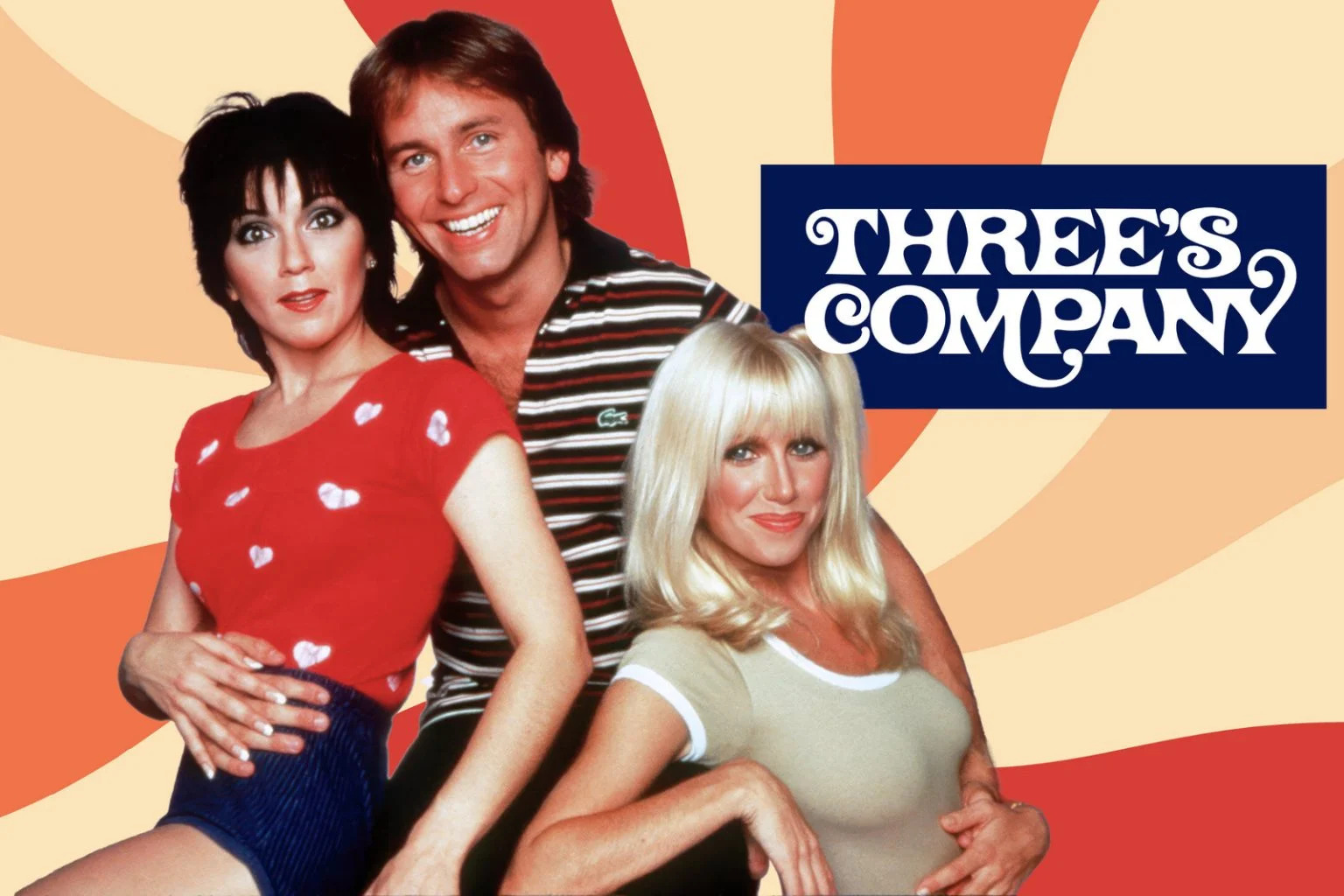
When revisiting classic sitcoms, it helps to remember the era in which they were created. Three’s Company may seem unconventional by today’s standards, but its premise pushed boundaries in the late 1970s, when conversations around sexuality were far less open. The series followed Jack Tripper (John Ritter), Janet Wood (Joyce DeWitt), and Chrissy Snow (Suzanne Somers), three single roommates who convince their conservative landlords that Jack is gay so they can live together. The setup created endless misunderstandings and playful chaos, giving the show its unmistakable comic energy.
Much of the humour reflected the attitudes of its time, including stereotypes that may feel dated now. Still, the series became a notable part of sitcom history because it brought more suggestive themes into a television landscape dominated by family-friendly comedy. After the Ropers left for their own spin-off, Don Knotts joined as building manager Ralph Furley, creating another memorable dynamic. Through all the changes, John Ritter remained the standout. His expressive reactions and brilliant physical comedy gave Three’s Company a timeless quality that remains fun to watch.
The Facts of Life (1979–1988)
The Facts of Life remains one of those classic sitcoms that managed to balance humour with genuine life lessons. Its unforgettable theme song captured the spirit of the series perfectly, reminding viewers that life comes with both good and difficult moments. Originally created as a spin-off of Diff’rent Strokes, the show followed Charlotte Rae as Mrs. Edna Garrett, the warm and thoughtful housemother at the all-girls Eastland School. As her students grew up, she became a trusted figure who guided them through friendship, relationships, family struggles, and the many challenges that came with adolescence.
The series also went through major changes before finding the formula that made it so memorable. After its first season, the large ensemble was reduced, eventually bringing Tootie (Kim Fields), Blair (Lisa Whelchel), Natalie (Mindy Cohn), and Jo (Nancy McKeon) into the spotlight. The change gave the characters more room to develop and allowed the show to explore deeper stories. What makes The Facts of Life stand out is its willingness to approach complicated subjects without losing its warmth or humour. From growing pains to social pressures, the series understood that adolescence could be confusing and difficult. At its heart, it celebrated friendship, individuality, and growing into yourself, making it a classic that still deserves a place on every sitcom watchlist.
The Jeffersons (1975–1985)
When The Jeffersons arrived in the 1970s, television was still lacking meaningful representation of successful Black families in leading roles. A spin-off of All in the Family, the sitcom followed George Jefferson (Sherman Hemsley) and his wife Louise Jefferson (Isabel Sanford) as they moved from Queens to an upscale Manhattan apartment. Their famous journey “movin’ on up” became central to the show’s identity, while the lively presence of their maid Florence (Marla Gibbs) and neighbours Tom and Helen Willis (Franklin Cover and Roxie Roker) added another layer to its comic world.
What made The Jeffersons important was its willingness to bring subjects rarely given much space in mainstream sitcoms into everyday conversations. The series explored racism, interracial relationships, social class, gender identity, and other issues through humour and character-driven storytelling. It could be bold and provocative, even when some of its jokes and stereotypes have not aged particularly well.
Despite its imperfections, the show’s cultural impact remains significant. It helped challenge narrow ideas about what Black families could look like on television and paved the way for more Black-led sitcoms in the years that followed. George’s outspoken personality and Louise’s warmth created a memorable balance, while the ensemble kept the comedy moving. For anyone exploring sitcom history, The Jeffersons remains an essential watch for both its entertainment value and its place in television’s evolving story.
All in the Family (1971–1979)
Norman Lear had a remarkable ability to turn everyday family life into sharp and meaningful television, and All in the Family remains one of his most influential creations. Centred on a working-class family, the sitcom tackled subjects that network television often avoided, including racism, prejudice, generational conflict, and the Vietnam War. At the heart of the series was Archie Bunker (Carroll O’Connor), a loud and deeply opinionated man whose narrow worldview constantly clashed with his more open-minded family. His wife Edith (Jean Stapleton) brought warmth to the household, while their daughter Gloria (Sally Struthers) and her husband Michael (Rob Reiner) represented a younger generation challenging traditional beliefs.
What made the series so powerful was its ability to present difficult subjects through comedy without pretending they were simple. Archie could represent views that some audiences recognised while also exposing the flaws behind them. The famous moment when Sammy Davis Jr. kissed Archie became one of television’s most memorable scenes and reflected the show’s willingness to challenge expectations. All in the Family became a cultural landmark whose influence can still be seen across television. Its bold storytelling changed what sitcoms could discuss, proving that comedy could entertain audiences while encouraging them to think about the world around them.
Gilligan’s Island (1964–1967)
While many classic sitcoms stayed grounded in familiar settings, Gilligan’s Island took comedy somewhere far more unusual. The series followed seven very different people stranded on a deserted island after their boat was shipwrecked, leaving them to survive together while their constant attempts to escape usually ended in another comic disaster. Gilligan (Bob Denver), the Skipper (Alan Hale Jr.), millionaire Thurston Howell (Jim Backus), Lovey Howell (Natalie Schafer), movie star Ginger Grant (Tina Louise), Professor Roy Hinkley (Russell Johnson), and Mary Ann (Dawn Wells) formed an unforgettable group whose contrasting personalities kept the humour flowing.
The show’s charm came from its imaginative situations and recurring jokes, with everyday objects often turned into bizarre survival tools. Dream sequences and memorable guest appearances added even more personality to the series. Its popularity continued long after the original run through syndication, introducing new generations to the stranded crew. The series even inspired merchandise and spin-offs, including the reality show The Real Gilligan’s Island. Another interesting detail is that the first season was filmed in black and white before being colorized for syndication. Decades later, Gilligan’s Island remains a wonderfully silly sitcom that proves simple comedy can have lasting appeal.
Cheers (1982–1993)
Sometimes you want to go where everybody knows your name, and Cheers created exactly that kind of welcoming television world. Set in a Boston bar, the sitcom followed the lives of its regular customers and employees, turning an ordinary neighbourhood hangout into the centre of countless friendships, romances, arguments, and unforgettable comic moments. Running for 11 seasons, the series became one of the defining sitcoms of the 1980s, largely because of its exceptional ensemble cast, which included Ted Danson, Shelley Long, Rhea Perlman, George Wendt, John Ratzenberger, Kelsey Grammer, Woody Harrelson, and Kirstie Alley.
Cheers was never dependent on heavy social commentary to make an impact. Its strength came from characters who felt familiar and stories that kept audiences invested over the years. Sam Malone and Diane Chambers kept viewers hooked with their complicated romance, while Norm and Cliff brought the kind of friendship that made the bar feel like home. Carla added plenty of attitude and sharp humour, often turning even the smallest disagreement into a memorable scene. With its natural chemistry and character-driven storytelling, Cheers became more than a successful sitcom. It created a community viewers wanted to return to, making every visit to the bar feel like catching up with old friends.
The Golden Girls (1985–1992)
Many classic sitcoms relied on familiar formulas, whether they centred on workplaces, families, or traditional household dynamics. Then came The Golden Girls, a series that gave television something refreshingly different by putting four older women at the heart of the story. The show celebrated friendship, independence, romance, ageing, and everyday life with plenty of humour, proving that stories about women in their later years could be just as entertaining and relatable as anything else on television.
The series followed Dorothy Zbornak (Bea Arthur), her sharp-tongued mother Sophia Petrillo (Estelle Getty), and roommates Blanche Devereaux (Rue McClanahan) and Rose Nylund (Betty White). Their personalities could not have been more different, yet their friendship became the heart of the show. From personal struggles to dating adventures and those famous cheesecake conversations, The Golden Girls created warm comedy without losing its edge. The original series eventually came to an end, but Blanche, Rose, and Sophia continued their stories in the short-lived spin-off The Golden Palace, which also featured Don Cheadle and Cheech Marin. It lasted only one season, but the legacy of The Golden Girls continued through syndication, merchandise, and themed events. Decades later, its humour and friendship remain just as appealing, making it a classic worth returning to.
The Brady Bunch (1969–1974)
Few classic sitcoms have remained as deeply rooted in popular culture as The Brady Bunch. While family comedies were already a television staple, the series stood out by focusing on a blended family and the everyday chaos that came with bringing two households together. The story followed Carol Brady (Florence Henderson), her three daughters Marcia, Jan, and Cindy, and Mike Brady (Robert Reed), who had three sons, Greg, Peter, and Bobby. Completing the household was their unforgettable housekeeper Alice (Ann B. Davis), whose humour and warmth became an essential part of the show’s charm.
Across five seasons, The Brady Bunch created a world filled with sibling rivalries, awkward moments, family lessons, and plenty of memorable comedy. Its influence extended far beyond the original series through spin-offs, reunion movies, and the playful theatrical films of the 1990s. The iconic Brady house also became part of the show’s lasting appeal, giving viewers a setting that remains instantly recognisable. What makes the series especially interesting is how it presented a blended family as something natural at a time when that was still relatively uncommon on television. Its wholesome storytelling and memorable characters helped it survive through generations of syndication.
The Mary Tyler Moore Show (1970–1977)
They say laughter is the best medicine, and sometimes a great sitcom can provide exactly the distraction you need. The Mary Tyler Moore Show has that kind of lasting charm. It follows Mary Richards (Mary Tyler Moore), an independent working woman building a life and career in Minneapolis, and it was groundbreaking for placing a single, career-focused woman at the centre of a sitcom.
At WJM, Mary worked alongside her demanding boss Lou Grant (Ed Asner) and an unforgettable group of colleagues, while her home life brought equally memorable characters such as her neighbour Rhoda Morgenstern (Valerie Harper) and landlady Phyllis Lindstrom (Cloris Leachman). The strength of the series came from this brilliant ensemble, with each character bringing their own personality, humour, and perspective to Mary’s world. Several of these characters became strong enough to inspire successful spin-offs of their own. The Mary Tyler Moore Show explored independence, relationships, careers, friendship, and changing expectations for women without losing its warmth or wit. Mary Richards became an influential television character who helped redefine what a female sitcom lead could be. Even today, the show’s writing and performances make it easy to understand why it remains one of television’s most celebrated comedies.
I Love Lucy (1951–1957)
When I Love Lucy premiered on CBS in 1951, it changed television comedy in ways that are still easy to recognise today. Lucille Ball was already an established star, but the series gave her the perfect platform to showcase her extraordinary comic timing alongside her real-life husband, Desi Arnaz. Their willingness to take a chance on a sitcom built around their partnership helped create a television classic that would influence generations of performers.
The series followed Lucy Ricardo and her bandleader husband Ricky, along with their close friends Fred and Ethel Mertz (William Frawley and Vivian Vance). Lucy’s endless schemes and perfectly timed mishaps provided much of the humour, while the chemistry between the four characters made every episode memorable. I Love Lucy broke important ground for television. Lucille Ball became the first woman to portray a pregnancy on network television, while the series was among the first major sitcoms filmed in Los Angeles and before a live studio audience. Its most memorable moments, including the famous chocolate factory scene, have been referenced and recreated countless times.
So, which one would you like to revisit?