(Isstories Editorial):- Xianggang, China Apr 8, 2026 (Issuewire.com) – Are Two Motors Always Better Than One?
In an era where electric mobility is rapidly evolving, riders are frequently presented with a compelling choice: the raw, doubled-up power of dual-motor systems or the refined, high-performance capabilities of modern single-motor designs. As the market for e-bikes expands, the debate surrounding single vs dual motor ebike configurations has reached a critical juncture.
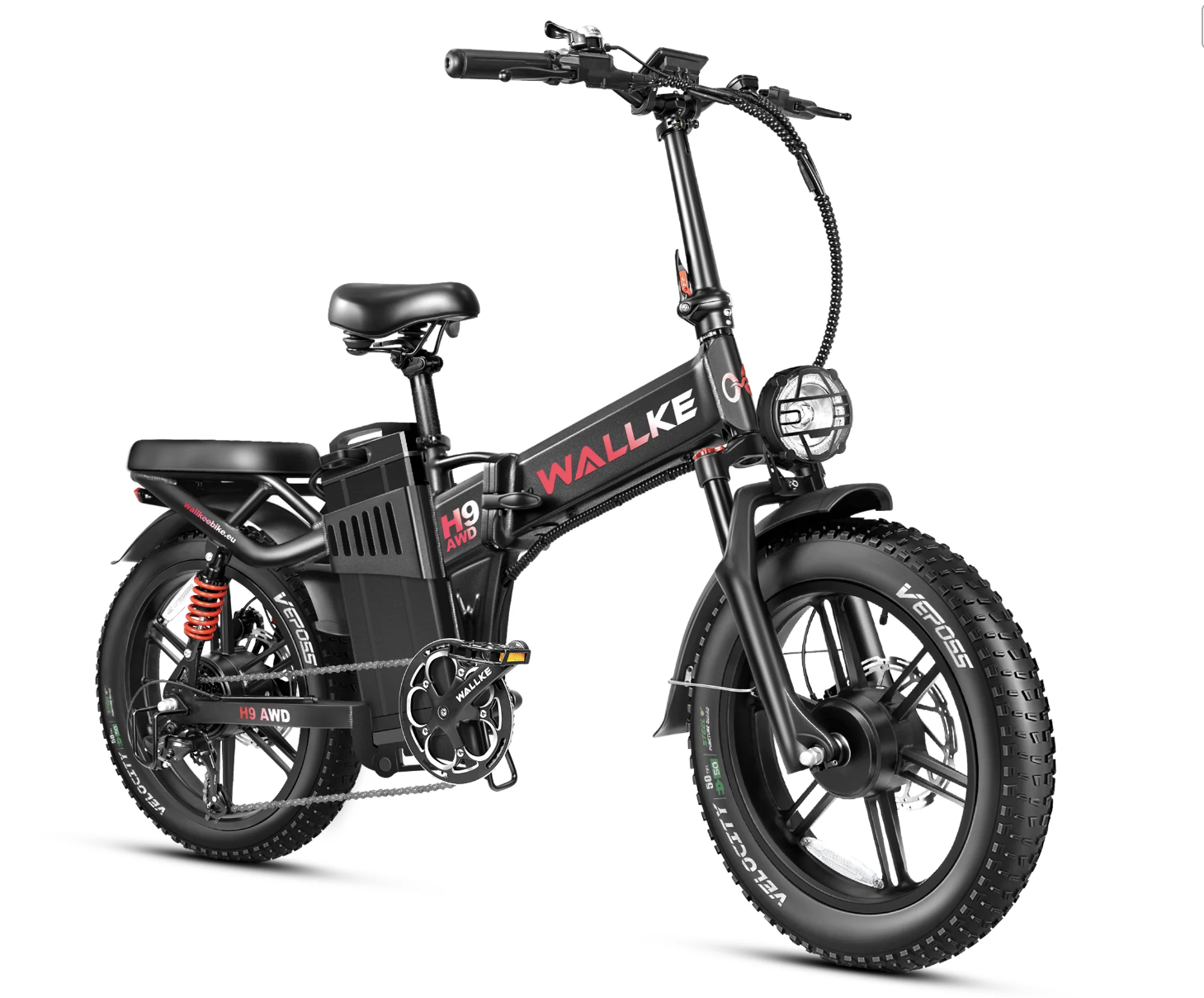
Are two motors always better than one, or does the pursuit of an AWD ebike (all-wheel drive) often sacrifice the mechanical harmony and long-term reliability that dedicated riders actually need?
More on Isstories:
- Beyond the Label: What Truly Defines a Heavy-Duty Electric Bike?
- The Efficiency Edge: Why Advanced Single Motor Ebikes Outperform Dual Motors
- Why Yangzhou New Chuntao Accessory Is Emerging as a Key Supplier in the Baseball Cap Market
- How Architectural Visualization Is Redefining Design Communication — and Why LIGHTS Is at the Forefront
- Analysis: How Skeid Became a Professional Lock Body Supplier in China Through Technical Innovation
As we explore the shifting landscape of high-performance personal transportation, it becomes clear that an advanced, high power single motor ebike–such as the new Wallke H7 Ultra with its 4000W peak output–provides a superior riding experience, combining efficiency, weight distribution, and mechanical longevity in ways that many dual motor electric bike setups struggle to achieve.
Historically, dual motor electric bikes gained traction as a quick solution to overcome the torque limitations of early-generation electric motors. By adding a second hub motor, manufacturers could bypass the engineering challenges of creating a high-torque ebike with a single drivetrain. However, this “brute force” approach often masks inherent inefficiencies.
Modern engineering is no longer focused on simply increasing the motor count, but rather on optimizing the power-to-weight ratio and refining the motor system comparison between different architectures. The result is a new generation of high-torque single motor systems, exemplified by the Wallke H7 Ultra, which leverages advanced controllers and high-output motor engineering to outperform dual systems in both climbing and sustained cruising.
Engineering Efficiency: The Single Motor Advantage
When comparing a single motor ebike to an AWD ebike, the primary differentiator is mechanical efficiency. A single, high-performance motor coupled with a well-designed drivetrain allows for precise power transfer. Dual motor systems, by contrast, introduce significant complexity. Because two motors are rarely identical in output and phase, they often “fight” each other, leading to energy waste, increased electrical resistance, and erratic power delivery.
The efficiency edge of a single motor system manifests in three key areas:
1. Energy Consumption and Battery Management
Dual motor systems face a fundamental thermodynamic disadvantage: the “Sync-Loss” effect. Maintaining precise synchronization between two independent motors requires constant, rapid micro-adjustments from the controller. This process consumes significant energy that should otherwise be dedicated to propulsion. In a dual-motor configuration, if the motors are not perfectly matched in RPM, one motor effectively acts as a drag on the other, forcing the battery to overcome internal electrical resistance rather than powering the ride.
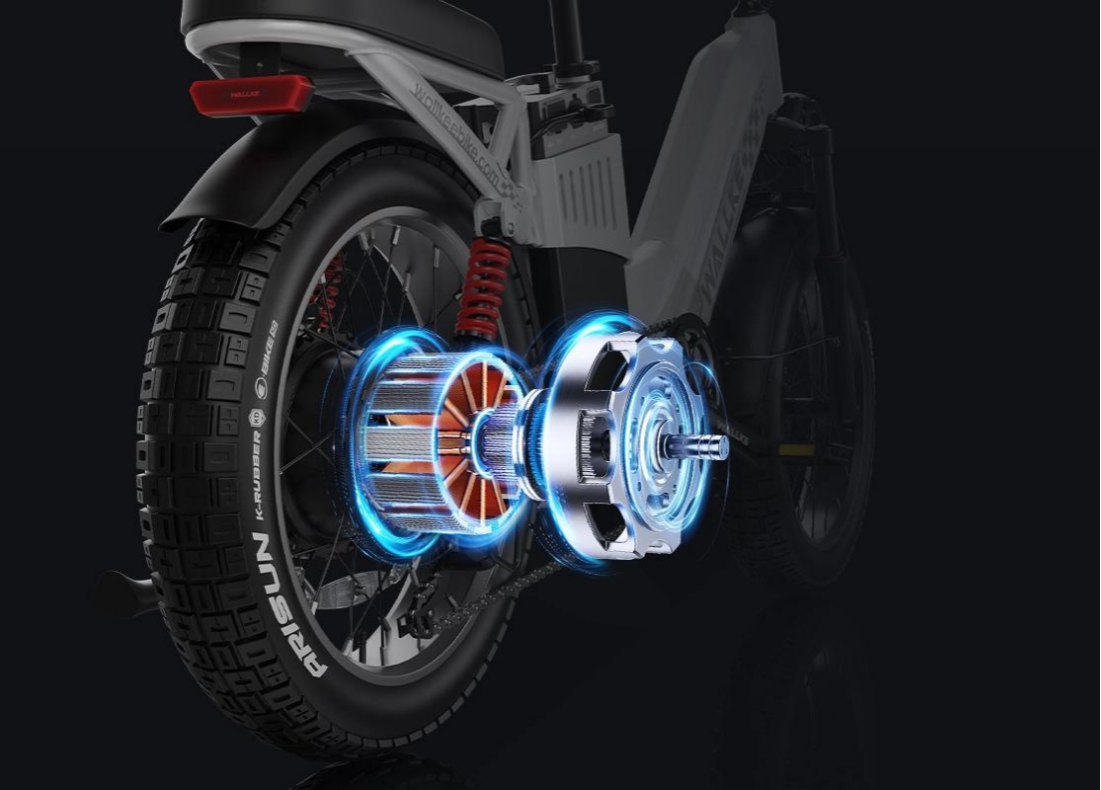
In contrast, the Wallke H7 Ultra is powered by a high-efficiency single motor system with a sustained rated output of 2000W. By channeling all current through a single, precisely tuned controller, we eliminate the energy-sapping synchronization overhead. This allows the battery to deliver energy in a linear, highly efficient manner, drastically extending the effective range and ensuring that every watt of power is translated directly into torque rather than lost as heat or frictional resistance.
2. Control and Handling Dynamics
Handling an AWD ebike can be counterintuitive. Having motor power pulling from both the front and rear wheels simultaneously can alter steering geometry and compromise traction control, particularly on loose or uneven surfaces. An advanced single motor ebike maintains the natural handling characteristics of a traditional bicycle. With all power directed to the rear wheel, the rider retains better steering precision, especially when navigating technical terrain or tight urban corners. This natural weight distribution makes the bike more predictable, safer, and ultimately more enjoyable to ride.
3. Maintenance and Long-Term Reliability
The “low maintenance ebike” is the gold standard for long-term ownership, and complexity is the enemy of reliability. A dual motor system doubles the potential points of failure: two motors, two controllers, and redundant wiring. Servicing a dual motor electric bike often requires specialized technical knowledge and proprietary parts. A high-quality single motor system, such as the one found in the H7 Ultra, is inherently simpler, with fewer components prone to wear and tear. This simplification reduces the likelihood of mechanical issues and makes routine maintenance significantly more straightforward and affordable.
Wallke: Redefining the High-Performance Standard
Wallke has long recognized that adventure has no boundaries, but performance must be managed with precision. Since 2018, our mission has been to push past the ordinary and empower riders to go farther and tackle tougher terrain. When we engineer our e-bikes–such as the H7 Ultra–we prioritize the harmony of the entire system rather than the quantity of the motors.
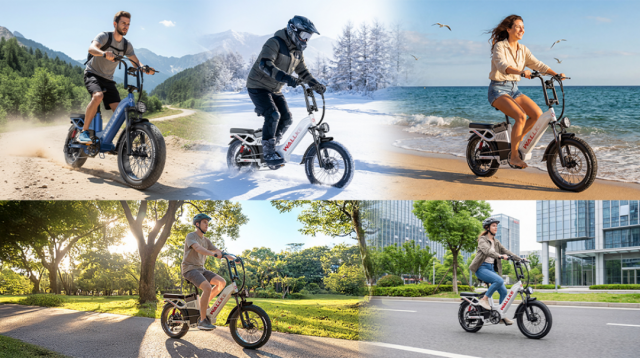
By utilizing high-efficiency 2000W rated single motor system, Wallke ensures that our bikes offer the immense power needed for steep climbs and heavy loads without the drawbacks of complex dual-motor configurations. Whether it is a rugged off-road excursion, camping in the wild, or navigating city streets with heavy cargo, our approach to engineering ensures that our riders experience a seamless, durable, and highly capable machine.
Our philosophy is simple: we believe that when others see the end of the road, we see the beginning of a new journey. This requires machines that are not just powerful, but also reliable, efficient, and intuitive. By optimizing every aspect of the drivetrain–from controller efficiency to heat management–Wallke bikes deliver a superior experience that challenges the assumption that more motors equate to better performance.
As technology continues to advance, the focus in the e-bike industry is rightfully shifting toward efficiency, intelligence, and reliability. The era of unnecessary complexity is coming to an end, replaced by a smarter approach to power delivery. For riders who value performance, ease of use, and long-term durability, the choice is increasingly clear. The advanced single motor ebike represents the future of electric cycling–a balanced, efficient, and powerful solution designed for the reality of every journey.
For those looking to experience a new standard in electric mobility, Wallke provides the technology and engineering to go further, load heavier, and explore with confidence.
Learn more about our vision and our latest engineering achievements at: https://wallkeebike.com/
This article was originally published by IssueWire. Read the original article here.