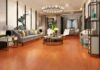
(Isstories Editorial):- Shenyang, Liaoning Apr 2, 2026 (Issuewire.com) – The contemporary architectural landscape is increasingly defined by a return to organic materials that offer both environmental benefits and long-term structural reliability. As urban centers become more densely populated, the integration of natural elements within interior environments has transitioned from a purely aesthetic choice to a fundamental requirement for holistic design. Within this movement, the specification of high-quality Solid Wood Flooring has become a central focus for architects and developers seeking to balance visual warmth with the rigorous demands of modern foot traffic and environmental stability. These natural surfaces provide a unique combination of acoustic insulation, thermal regulation, and atmospheric comfort that synthetic alternatives often struggle to replicate. By prioritizing the use of renewable timber resources, the construction industry is moving toward a more sustainable model that values the lifecycle of a building as much as its initial appearance.
The enduring popularity of timber in construction stems from its inherent mechanical properties and its ability to age gracefully over decades. Unlike mass-produced composite materials that often degrade under UV exposure or mechanical stress, authentic wood surfaces possess a restorative quality that allows for periodic refinishing. This characteristic significantly extends the functional lifespan of the floor, making it a highly cost-effective investment in both commercial and residential contexts. Furthermore, the cellular structure of wood provides natural elasticity, which reduces physical fatigue for occupants and enhances the overall safety of the living environment. As technical processing methods continue to advance, manufacturers are now able to enhance these natural traits through precision drying and milling, ensuring that the final planks maintain their dimensional stability regardless of seasonal humidity fluctuations.
Material selection plays a critical role in determining the performance and character of a finished interior. Among the most sought-after species, Oak, Walnut, and Hickory stand out for their distinct grain patterns and varied density levels. Oak is widely recognized for its exceptional durability and prominent “rays” that add texture to a room, while Walnut offers a deep, rich coloration that is synonymous with high-end luxury and sophisticated design. Hickory, being one of the densest North American hardwoods, provides unparalleled resistance to impact and wear, making it ideal for high-traffic zones. The choice between these species often dictates the atmospheric tone of a project, ranging from the rustic charm of wide-plank oak to the sleek, modern elegance of dark walnut. Engineers carefully manage the moisture content of these woods during the production phase to prevent warping, utilizing advanced kiln-drying techniques that stabilize the internal fibers.
More on Isstories:
- The Evolution of Natural Materials in Modern Architecture: Sustainability and Durability in Premium Wood Surfaces
- Beyond the Arc: How ACDC Twin-Wire SAW Solves Modern Fabrication’s Toughest Challenges
- Collaborative Robots: The Pivotal Engine for Unlocking Agile, High-Mix Manufacturing
- Carbon Arc Gouging: Sculpting Steel with Precision and Power
- Guide to Selecting a China Leading FIBC Bulk Bags Manufacturer: Why Zsbulkbags is the Quality Choice
Technical specifications are equally important when assessing the quality of timber surfaces for large-scale projects. Traditional standards often fluctuate, but the industry has seen a shift toward thicker profiles, specifically within the 18mm to 20mm range. This added thickness is not merely a matter of perceived quality; it provides the structural mass necessary for superior sound dampening and long-term stability. A thicker wear layer allows the wood to be sanded and refinished multiple times over its lifetime, effectively resetting the aesthetic of the room without requiring a full replacement. This “deep-profile” approach reflects a commitment to permanent architecture, where the interior components are expected to last as long as the building’s foundation. Additionally, the use of precision-engineered tongue-and-groove systems ensures a seamless fit between planks, minimizing gaps and preventing the accumulation of dust or allergens.
The application of these materials extends far beyond simple aesthetics, playing a vital role in the health and well-being of occupants. Specifically, the development of Interior Flooring for Residential Spaces focuses on creating environments that promote relaxation and thermal efficiency. Wood is a natural insulator, retaining heat during winter months and providing a cool surface during summer, which contributes to lower energy consumption for climate control. Moreover, high-quality wood surfaces are hypoallergenic, as they do not trap the pet dander, pollen, or dust mites commonly found in carpets. This makes them a preferred choice for modern households that prioritize air quality and ease of maintenance. The tactile experience of walking on natural wood also provides a psychological connection to nature, often referred to as biophilic design, which has been shown to reduce stress levels in residential settings.
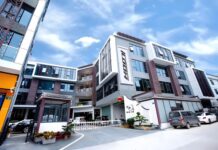
In the specialized field of timber manufacturing, the expertise of facilities like SHENYANG HOUNDA FLOOR PROCESSING CO. LIMITED represents the intersection of traditional craftsmanship and modern industrial precision. By maintaining strict control over the sourcing of raw timber and the subsequent processing stages, such enterprises ensure that every plank meets international quality benchmarks. The manufacturing process involves multiple layers of inspection, from the initial grading of logs to the final application of protective finishes. These finishes, often involving advanced UV-cured oils or water-based lacquers, are designed to protect the wood from moisture and abrasion while maintaining its natural breathability. By avoiding the use of harmful volatile organic compounds (VOCs), manufacturers contribute to a healthier indoor environment, aligning with global green building standards such as LEED and WELL.
The economic implications of choosing premium wood surfaces are also significant for property owners and developers. While the initial procurement cost may be higher than that of laminate or vinyl options, the value added to the property is substantial. Real estate data consistently shows that homes and commercial buildings featuring high-quality solid wood surfaces command higher resale values and attract a more discerning clientele. This is largely due to the “legacy” nature of the material; it is viewed as a permanent fixture rather than a temporary finish. Consequently, the long-term ROI (Return on Investment) is realized through both the increased property valuation and the avoidance of frequent replacement cycles. In an era where “fast furniture” and disposable building materials are under scrutiny, the permanence of solid timber is a powerful statement of quality and sustainability.
Global trade and logistics have made it possible for premium timber species from diverse regions to be accessible to international markets. However, this accessibility requires a rigorous commitment to legal and ethical sourcing. Responsible manufacturers adhere to certifications such as FSC (Forest Stewardship Council), ensuring that the timber is harvested from forests that are managed for long-term biodiversity and ecological health. This traceability is essential for modern consumers who demand transparency in the supply chain. By supporting managed forestry, the wood flooring industry actively participates in carbon sequestration, as harvested wood continues to store carbon throughout its use as a building material. This environmental stewardship ensures that the beauty of natural wood can be enjoyed by future generations without compromising the health of the planet’s forest ecosystems.
As interior design trends evolve, the versatility of wood remains one of its strongest attributes. Whether integrated into a minimalist Scandinavian loft or a traditional manor, the neutral yet warm tones of timber provide a versatile backdrop for any furniture style. Designers are increasingly experimenting with varied plank widths and custom stain colors to create unique patterns that reflect the individual personality of a space. The ability of wood to bridge the gap between “classic” and “contemporary” ensures its continued relevance in the ever-changing world of design. Furthermore, the integration of underfloor heating systems with solid wood has become more efficient, thanks to improved installation techniques that account for the natural expansion and contraction of the material.
In conclusion, the sophisticated engineering and timeless appeal of solid wood surfaces continue to set the standard for high-end interior design. By combining the natural durability of species like Oak and Walnut with precision manufacturing and sustainable sourcing, the industry provides a solution that is as practical as it is beautiful. These materials do more than just cover a surface; they enhance the structural integrity, health, and value of the environments they inhabit. As we move toward a future where sustainability and quality are paramount, the role of premium timber in architecture will only continue to expand. The commitment of specialized processors to maintaining these high standards ensures that the natural world remains a permanent and cherished part of our built environment.
For more information on professional timber solutions, please visit the official website: https://www.houndafloor.com/.
Shenyang Hounda Floor Processing Co., Limited
[email protected]
No. 2/2-1, 2-2, 2-4, 2-5, Zhenxing 10th Street, Hutai New Town, Xinmin City, Shenyang, Liaoning Province, China
https://www.houndafloor.com/
This article was originally published by IssueWire. Read the original article here.