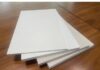
(Isstories Editorial):- Suzhou, Jiangsu Apr 2, 2026 (Issuewire.com) – As modern construction increasingly prioritizes fire safety, environmental sustainability, and installation efficiency, lightweight inorganic non-combustible boards have become a preferred material for interior applications. These boards are widely used in ceilings, partitions, wall systems, and flooring substrates due to their excellent fire resistance and versatile performance. However, selecting the right product requires a clear understanding of material properties, performance standards, and supplier reliability. This guide outlines the key factors to consider when choosing lightweight inorganic non-combustible boards, while also highlighting the capabilities of LEAO New Materials Co., Ltd., a leading manufacturer with 25 years of industry experience.
1. Understand Fire Resistance Ratings
One of the most critical factors when selecting inorganic non-combustible boards is their fire performance. High-quality boards should meet strict fire safety standards to ensure maximum protection in building environments.
More on Isstories:
- How to Choose Lightweight Inorganic Non-combustible Boards
- 12m H-Beam Welding – Cutting Integrated Robot: How to Achieve Teach-less, High-Efficiency Intelligent Production?
- Advances in Modern Self-Care: Enhancing Precision and Accessibility in Home Medical Device Administration
- Wheel and Tire Pairing Guide: Enhancing Vehicle Performance
- Zhongtai Introduces High-Efficiency Dechlorination Ceramic Balls for Water Quality Enhancement
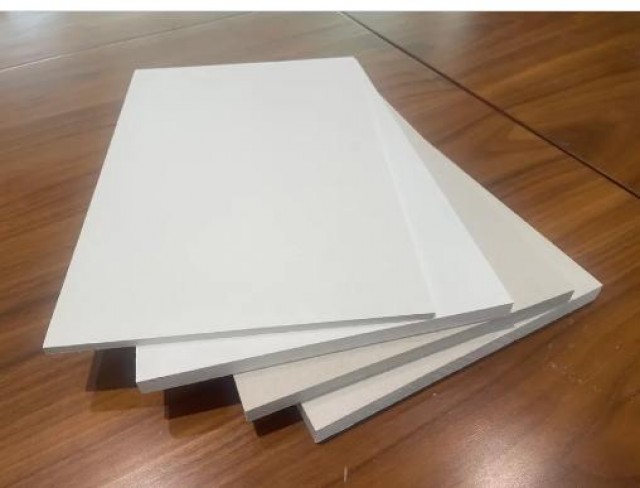
LEAO® Lightweight Inorganic Non-combustible Board features an A1 fire rating, which represents the highest level of non-combustibility under international classification systems. This means the material does not contribute to fire spread, making it suitable for use in high-risk environments such as commercial buildings, public facilities, and residential interiors.
When evaluating products, always verify certified fire ratings and compliance with relevant standards to ensure safety and regulatory approval.
2. Evaluate Material Composition and Environmental Performance
In addition to fire resistance, environmental sustainability is a key consideration in modern construction. Lightweight inorganic boards are typically composed of fiber cement or similar mineral-based materials that do not emit harmful substances.
LEAO New Materials Co., Ltd. emphasizes eco-friendly production, with its LEAO® boards meeting the ENF eco-standard, one of the strictest formaldehyde emission classifications. This ensures the boards are safe for indoor environments, contributing to healthier living and working spaces.
For projects with green building certifications or sustainability goals, choosing materials with verified environmental credentials is essential.
3. Consider Strength and Structural Performance
Despite being lightweight, non-combustible boards must maintain sufficient strength and durability to support various construction applications. These materials are often used in load-bearing partitions, ceilings, and substrate systems where mechanical stability is important.
LEAO® boards are engineered with high-strength fiber cement technology, offering excellent structural integrity while remaining easy to handle. They are designed to withstand impact, resist deformation, and maintain long-term stability under different environmental conditions.
When selecting a board, consider its density, flexural strength, and resistance to cracking or warping to ensure reliable performance in your specific application.
4. Assess Workability and Installation Efficiency
Ease of installation is another important factor that directly impacts construction time and labor costs. Lightweight inorganic boards should be easy to cut, drill, and install without requiring specialized tools.
LEAO® Lightweight Inorganic Non-combustible Board is designed for high workability. It can be cut manually and securely holds nails and screws similar to traditional wood-based panels. This significantly simplifies installation and reduces the need for specialized labor.
For contractors and builders, materials that improve installation efficiency can lead to faster project completion and reduced overall costs.
5. Check Surface Finishing and Customization Options
Modern architectural designs often require materials that can adapt to different aesthetic and functional requirements. The surface finish of a board plays an important role in achieving the desired visual effect.
LEAO New Materials Co., Ltd. offers advanced processing capabilities, including decorative surface finishes and even 3D-printed patterns on its fiber cement boards. This allows architects and designers to customize appearances according to project needs, whether for minimalist interiors or more complex decorative designs.
When choosing a board, consider whether it supports painting, lamination, coating, or other finishing treatments to meet design requirements.
6. Review Available Specifications and Sizes
Selecting the right board dimensions is essential for optimizing material usage and minimizing waste. Lightweight inorganic boards are typically available in standard sizes and thicknesses suitable for various applications.
LEAO® boards are available in multiple thicknesses (6 mm, 8 mm, 9 mm, 10 mm, and 12 mm) and standard widths of 1220 mm, with lengths of 2440 mm and 3000 mm. They are offered in both recessed edge and square edge formats, providing flexibility for different installation methods.
Choosing the correct thickness and edge type depends on the intended use, such as ceilings, wall cladding, or partition systems.
7. Evaluate Moisture and Environmental Resistance
Construction materials must perform reliably under varying environmental conditions, including humidity and temperature fluctuations. Moisture resistance is particularly important for interior applications in kitchens, bathrooms, and commercial spaces.
LEAO® boards offer strong moisture resistance, helping prevent swelling, warping, or degradation over time. This ensures long-term durability and stability, even in environments with higher humidity levels.
When selecting a product, ensure it is suitable for the environmental conditions of your project to avoid maintenance issues in the future.
8. Consider Manufacturer Experience and Production Capacity
The reliability of a material is closely tied to the manufacturer’s experience, production capabilities, and quality control systems. Established manufacturers are more likely to deliver consistent product quality and technical support.
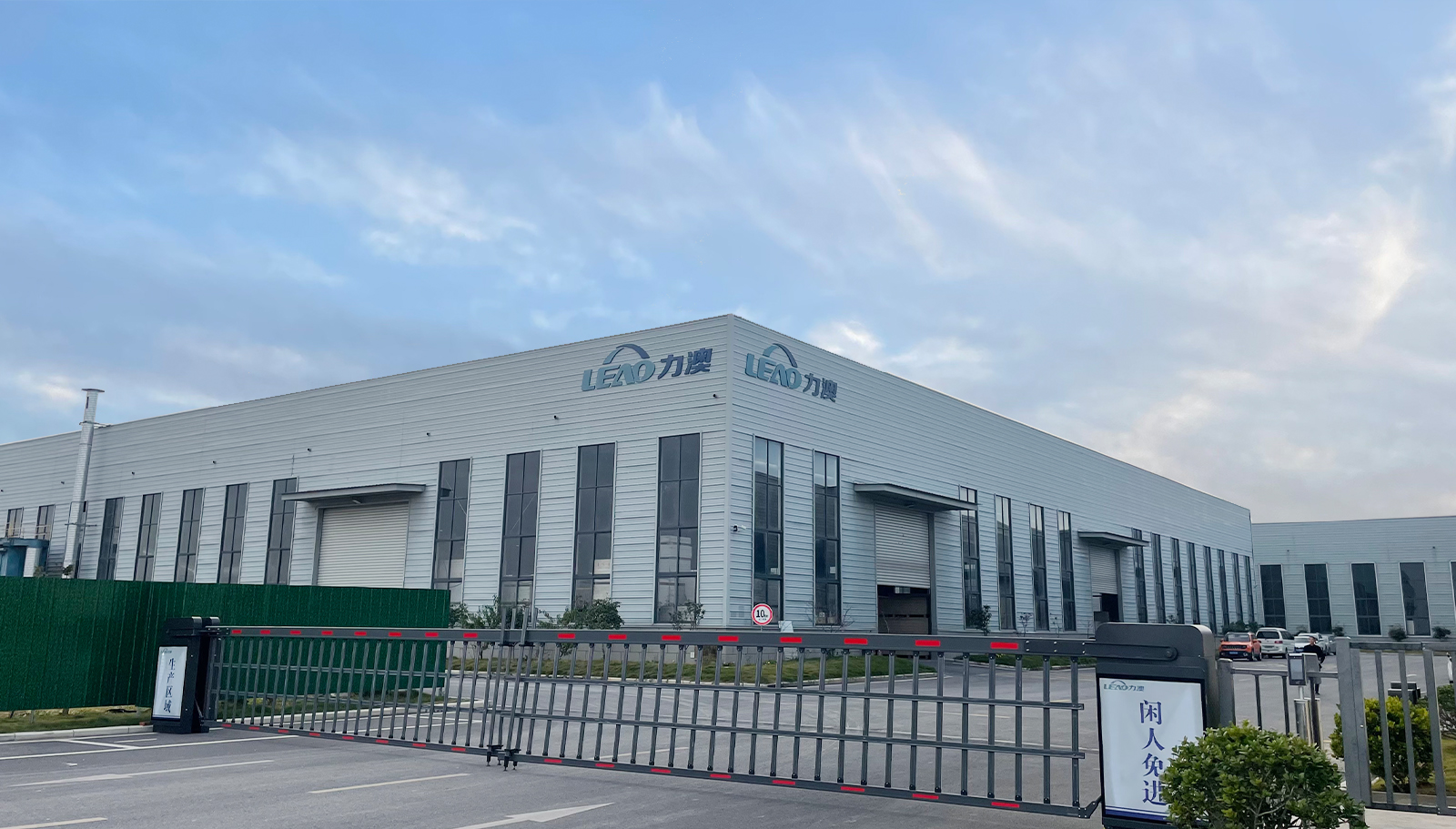
LEAO New Materials Co., Ltd. has over 25 years of industry experience and operates multiple production lines across a large manufacturing base. With a dedicated focus on fiber cement board production, the company has built a strong reputation in global markets.
Its commitment to innovation, combined with continuous research and development, ensures that its products remain competitive and aligned with evolving industry standards.
9. Application Versatility in Construction Projects
A key advantage of lightweight inorganic non-combustible boards is their versatility across a wide range of applications. They are commonly used in:
- Interior wall systems
- Ceiling installations
- Partition walls
- Building formwork
- Raised flooring systems
LEAO® boards are particularly valued for replacing traditional materials such as OSB and plywood, offering improved fire safety and environmental performance while maintaining similar usability.
For contractors and developers, selecting a material that can serve multiple functions helps streamline procurement and simplify construction planning.
10. Balance Cost with Long-Term Value
While initial cost is an important consideration, it should be evaluated alongside long-term performance, durability, and maintenance requirements. High-quality lightweight inorganic boards may offer greater upfront value through reduced labor costs, faster installation, and longer service life.
LEAO® boards help improve construction efficiency by saving time and labor, ultimately reducing overall project costs. Their durability and low maintenance requirements further contribute to long-term economic benefits.
Conclusion
Choosing the right lightweight inorganic non-combustible board requires careful evaluation of fire resistance, environmental performance, strength, workability, and manufacturer reliability. Products that combine safety, sustainability, and ease of use are increasingly essential in modern construction projects.
With 25 years of industry experience, LEAO New Materials Co., Ltd. stands out as a trusted manufacturer of high-performance fiber cement boards. Its LEAO® Lightweight Inorganic Non-combustible Board offers A1 fire rating, ENF eco-standard compliance, moisture resistance, and excellent workability, making it an ideal alternative to traditional panels such as OSB and plywood.
By considering the factors outlined in this guide, architects, contractors, and developers can make informed decisions and select materials that enhance both project efficiency and building safety, while aligning with the future of sustainable construction.
This article was originally published by IssueWire. Read the original article here.