(Isstories Editorial):- Shenzhen, Guangdong Apr 2, 2026 (Issuewire.com) – In 2026, the global coffee vending and robotics market is projected to surpass $5.85 billion, fueled by surging demand for 24/7 unmanned retail solutions in high-traffic locations like airports, shopping malls, office campuses, and public parks. Traditional brick-and-mortar coffee shops, once the backbone of the industry, are facing mounting pressure from labor shortages, skyrocketing operational costs, and consumer expectations for instant, consistent service around the clock. Enter AI coffee robots — autonomous, intelligent systems that are not only redefining how coffee is served but also delivering unprecedented profitability for forward-thinking entrepreneurs.
This shift toward unmanned retail isn’t just a tech trend; it’s a fundamental business evolution. Operators worldwide are discovering that AI-powered coffee kiosks can achieve 70-85% gross margins, compared to the 40-60% typical of staffed cafés. With payback periods as short as 6-8 months in prime locations, these robotic solutions are quickly becoming the smart money’s choice for scalable, low-overhead beverage businesses.
The Labor Crisis Driving Unmanned Coffee Retail
More on Isstories:
- 2026 Global Unmanned Retail Explosion: Why AI Coffee Robots Are the Coffee Industry’s New Profit Powerhouse
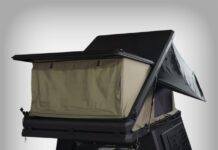
- Industry Analysis: Why Pingwei Is a Reliable Roof Top Tent on High Cap Supplier
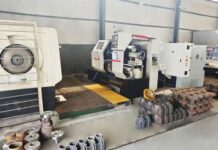
- How Advanced Drilling Equipment Is Transforming Mining and Construction Operations
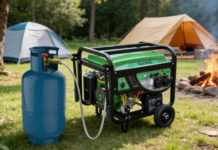
- High-quality Feature-Rich Portable Dual Fuel Generators: Features, Benefits, and Buying Considerations
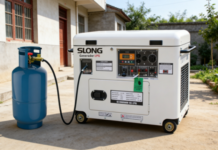
- Technical Overview: Top Dual Fuel Generators for Residential and Commercial Applications by SLONG
Global labor shortages continue to plague the foodservice sector. Rising minimum wages, high staff turnover, and scheduling complexities have pushed traditional coffee shop owners to their limits. Many cafés operate only 8-12 hours per day due to staffing constraints, leaving valuable nighttime and early-morning foot traffic untapped.
AI coffee robots solve this pain point entirely. Equipped with 6-axis robotic arms, advanced AI vision for master-level latte art, and 98% brewing consistency, these systems deliver barista-quality drinks without a single on-site employee. One remote operator can manage 10+ units via a simple IoT dashboard from anywhere in the world. Daily maintenance takes under 15 minutes — simply restock beans, milk, and cups — while self-cleaning technology and proactive diagnostics keep everything running smoothly.
Explosive Profitability: Real Numbers Behind the 2026 Boom
The financial case for AI coffee robots is compelling. At a conservative 60 cups per day with an average ticket of $4.00, operators can generate approximately $7,200 in monthly gross revenue. After location commissions (typically 15%) and minimal operating costs around $600, net monthly profit often lands between $3,000 and $4,000+ per unit — and that’s before scaling to multiple locations.
High-traffic deployments push these figures even higher. Airports and transit hubs routinely see 120-150+ cups daily, shortening payback periods to just 4-5 months. In contrast, traditional cafés often take 24-36 months to break even due to rent, staff salaries, and renovation costs.
Leading innovators like RobotAnno have made these projections even more accessible with interactive profit calculators and financing options tailored for first-time unmanned retail investors. For a deeper dive into customized ROI modeling and 7-step launch strategies, entrepreneurs are turning to comprehensive resources such as the 2026 AI Coffee Robot Profitability Guide.
24/7 Operation: The Ultimate Competitive Edge
Unlike conventional coffee shops limited by human schedules, AI coffee robots operate nonstop. This tripled operating window directly translates to higher revenue and stronger brand presence. Customers enjoy premium beverages with contactless payments (Visa, Apple Pay, QR codes, and more) at any hour, boosting repeat business and customer satisfaction.
Installation is equally efficient — most units are up and running in approximately 90 minutes. Compact footprints (as small as 1.2m — 1.0m for enclosed kiosks) make them ideal for space-constrained venues, while modular designs allow easy expansion into complementary categories like bubble tea or ice cream robots for diversified income streams.
Global Success Stories and Proven Scalability
RobotAnno, a Shenzhen-based national high-tech enterprise with over 70 patents and exports to 60+ countries, exemplifies this global momentum. Real-world deployments include:
- An international airport in the Asia-Pacific region achieving $4,200 average monthly net profit with a 7-month break-even.
- A scenic waterfront kiosk in Southeast Asia that scales seasonally to 150+ cups daily.
- Corporate campus installations across Europe where a single operator remotely oversees multiple units from a smartphone.
These case studies highlight not just profitability but operational resilience — machines continue generating revenue even during peak holiday rushes or staff-shortage seasons.
Sustainability and Policy Tailwinds Supporting the Trend
Unmanned retail also aligns with growing environmental and regulatory priorities. AI coffee robots reduce food waste through precise portioning, minimize energy consumption compared to large storefronts, and support cashless, contactless operations that appeal to eco-conscious consumers. Governments in many markets are incentivizing automation to address labor gaps and promote smart-city infrastructure, creating even more favorable conditions for 2026 unmanned coffee investments.
The Road Ahead: Seizing the 2026 Opportunity
The unmanned retail wave is no longer emerging — it’s here. As consumer demand for convenient, high-quality, 24/7 service accelerates, businesses that embrace AI coffee robots will capture market share while those clinging to outdated models risk falling behind.
Entrepreneurs ready to capitalize on this $5.85 billion opportunity should evaluate high-traffic locations, secure flexible financing, and partner with established providers offering full technical support and global warranties. For detailed profit projections, step-by-step implementation roadmaps, and real operator insights, explore the official 2026 AI Coffee Robot Profitability Guide — a must-read blueprint for building a thriving unmanned beverage business.
The future of coffee isn’t just automated. It’s profitable, scalable, and available 24 hours a day. In 2026 and beyond, AI coffee robots aren’t just serving drinks — they’re serving serious returns.

This article was originally published by IssueWire. Read the original article here.