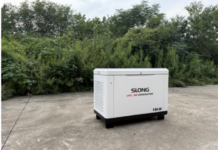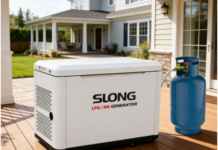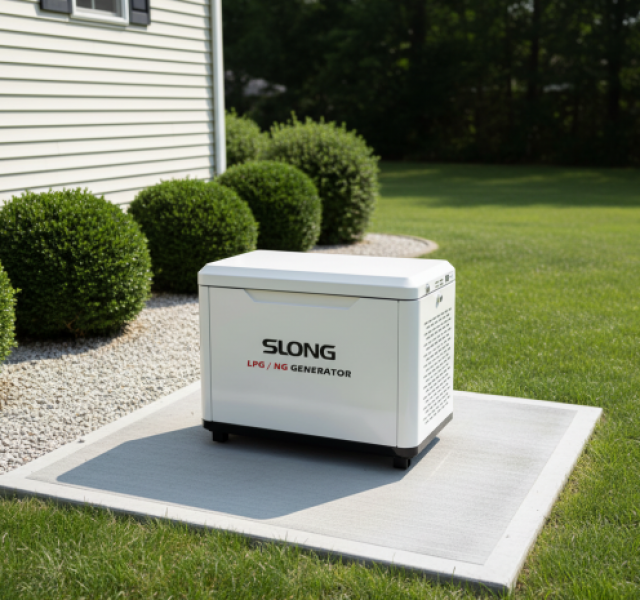
(Isstories Editorial):- Yancheng, Jiangsu Apr 1, 2026 (Issuewire.com) – The global portable power industry is witnessing a significant transition as Liquefied Petroleum Gas (LPG) and dual-fuel systems move from niche alternatives to mainstream energy solutions. This shift is driven by the emergence of the High-efficiency and flexible Dual Fuel Gas Generators Factory model, a specialized manufacturing approach pioneered by industry leaders like Yancheng Slong Machinery & Electric Co., Ltd. (Slong Power). By integrating multi-fuel combustion technology into standard small-engine platforms, these facilities produce power units engineered to handle the distinct caloric values and ignition pressures of gaseous fuels versus liquid gasoline.
The Engineering Foundations of Dual-Fuel Versatility
Central to the success of top-rated LPG generators is the sophisticated fuel induction system. Unlike standard gasoline engines, a high-efficiency dual-fuel unit must manage different air-fuel ratios. Gasoline requires atomization, while LPG enters the system as a pressurized gas. Slong Power’s engineering team utilizes precision-balanced carburetors equipped with integrated gas regulators and automated fuel-switching valves.
More on Isstories:
- Market Analysis: Why Pingwei Is a Competitive Pickup Truck Canopy Bulk Supplier
- What Makes These the Top-Rated LPG Generators for Residential and Outdoor Use? A Technical Breakdown
- Leelen Smart Apartment: Intelligent Living for Every Home
- Spatial Intelligence Design Trends: Insights from China’s Top Designer at Appliance – Electronics World Expo
- Top Picks for Global Leading Silent Gas Generators for Home and Outdoor Use with CE Certification
These components allow the engine to maintain consistent electrical frequency (50Hz or 60Hz) and voltage stability regardless of the fuel source. When a user switches from gasoline to LPG, the system compensates for the lower energy density of propane by adjusting the flow rate, ensuring the alternator maintains a steady RPM. This mechanical flexibility is what defines a modern “flexible” factory output, allowing a single unit to serve as both a high-output gasoline generator and a clean-burning LPG standby source.
Global Energy Trends and the Trajectory of Gaseous Power
The trajectory of the portable power market is currently defined by a move toward cleaner-burning, more stable fuel sources. This shift is driven by a complex interplay of environmental regulations and the inherent chemical advantages of gaseous fuels.
1. Environmental Regulation and Emission Compliance
One of the primary drivers of LPG adoption is the tightening of international emission standards, such as the EPA Phase III in the United States and Euro V standards in Europe. Engines powered by LPG emit significantly lower levels of carbon monoxide (CO), nitrogen oxides (NOx), and particulate matter.
Because LPG is a “dry” fuel, it burns more completely within the combustion chamber. This reduces the buildup of carbon deposits on the piston heads and valves, which not only lowers emissions but also extends the operational lifespan of the internal engine components by reducing abrasive wear.
2. Fuel Longevity and Emergency Infrastructure
For residential backup power, the technical limitations of gasoline present a significant maintenance hurdle. Gasoline is a volatile organic compound that begins to degrade within three to six months, leading to the formation of varnish and gum deposits that clog fuel lines and jets. In contrast, LPG is stored in pressurized cylinders where it remains stable for an indefinite period.
From a disaster-preparedness perspective, this makes LPG the technically superior choice. During extreme weather events, gasoline supply chains are often disrupted, and gas stations may lose power. However, LPG infrastructure–ranging from large-scale residential “pigs” to exchangeable 20lb cylinders–is often more resilient and accessible.
Technical Deep Dive: Slong Power’s Core Engineering Advantages
Based in the Dafeng Industrial Park of Jiangsu Province, Slong Power operates as a high-tech enterprise focusing on the research, development, and manufacturing of power machinery. The technical superiority of their LPG and dual-fuel products is rooted in several core engineering advantages that differentiate them from “conversion kit” models.
Vertical Integration and Research-Driven Design
Many market-entry dual-fuel generators are simply gasoline engines with aftermarket regulators attached. Slong Power utilizes a vertically integrated R&D process where the engine is designed from the ground up for dual-fuel use.
Compression Ratio Optimization: LPG has a higher octane rating (approx. 110) than standard gasoline (87-91). Slong engineers optimize the compression ratio to take advantage of this anti-knock quality, improving thermal efficiency.
Metallurgical Enhancements: Gaseous fuels provide less inherent lubrication to the valve train than liquid gasoline. To counteract this, Slong Power utilizes hardened valve seats and high-temp alloy exhaust valves to prevent “valve recession” during long-term LPG operation.
Thermal Management: LPG burns at a higher temperature than gasoline. Slong’s dual-fuel units feature enhanced cooling fins and high-flow fans to ensure the engine remains within optimal operating temperatures during extended residential backup cycles.
Precision Voltage and Frequency Regulation
A critical metric for top-rated generators is the quality of the electricity produced, measured by Total Harmonic Distortion (THD). Modern residential and outdoor users rely on sensitive microelectronics, including laptops, CPAP machines, and smart home hubs.
Slong Power integrates high-performance Automatic Voltage Regulators (AVR) and alternators featuring 100% copper windings. Unlike cheaper aluminum-winded alternatives, copper provides superior conductivity and heat dissipation. This technical configuration ensures a THD of less than 5%, providing a “clean” sine wave that prevents overheating in sensitive digital equipment and ensures the longevity of the generator’s own electrical components.
Structural Integrity for Outdoor Environments
The “High-efficiency and flexible Dual Fuel Gas Generators Factory” must also account for physical durability. Slong Power’s frames are constructed from high-tensile, powder-coated steel to resist corrosion in humid or coastal environments. Vibration-dampening engine mounts are strategically placed to reduce mechanical stress on the alternator bearings and the control panel, which is often the first point of failure in lower-quality units.
Primary Product Applications and Market Segments
The technical breakdown of these units reveals their suitability across three primary application scenarios where reliability is non-negotiable:
Residential Emergency Backup: In regions prone to seasonal grid instability, dual-fuel units provide a redundant power source. The ability to switch to a home’s large-scale propane tank provides continuous runtime–often exceeding 24 hours on a single large cylinder–that gasoline-only units cannot match without frequent, manual refueling.
The Evolution of the RV and Van Life Economy: Outdoor users prioritize fuel versatility and quiet operation. LPG generators are often quieter than their gasoline counterparts due to the smoother combustion cycle of gaseous fuels. Furthermore, many modern RVs are already equipped with propane systems for heating and cooking, allowing for a streamlined energy ecosystem where a single fuel source powers all onboard appliances.
Remote Infrastructure and Agriculture: For remote sites requiring consistent power for lighting or small electronics, the ease of transporting LPG cylinders makes these generators more practical than maintaining liquid fuel storage, which is subject to evaporation and contamination.
Quality Assurance and International Standards
A key differentiator for a top-rated factory is its adherence to rigorous testing protocols. Slong Power maintains a state-of-the-art testing center where every dual-fuel unit undergoes a “load bank” test. This ensures the engine can handle instantaneous load increases–such as when an air conditioner compressor kicks in–without dropping frequency below acceptable limits. These units are manufactured under ISO9001:2015 quality management systems and carry necessary certifications including CE and EPA, ensuring they meet the safety and performance requirements of the global market.
Conclusion
The ascendancy of LPG and dual-fuel generators is the result of fundamental improvements in fuel efficiency, emission control, and mechanical reliability. As a leading manufacturer in this space, Yancheng Slong Machinery & Electric Co., Ltd. continues to advance the technical boundaries of what portable power machinery can achieve.
By focusing on the “Power of Innovation” and the specialized requirements of gaseous combustion, the company provides energy solutions that are both environmentally responsible and operationally resilient. The shift toward gaseous power is not merely a trend but a technical evolution, ensuring that whether for a remote camping trip or an emergency home outage, the supply of electricity remains stable, clean, and accessible.
For further technical specifications and to view the complete range of dual-fuel and LPG power machinery, visit the official website: https://www.slongco.com/
This article was originally published by IssueWire. Read the original article here.