Sustainable living practices are mandatory at the time we are living. Following the steps can help to take care of your health and the world at the same time.
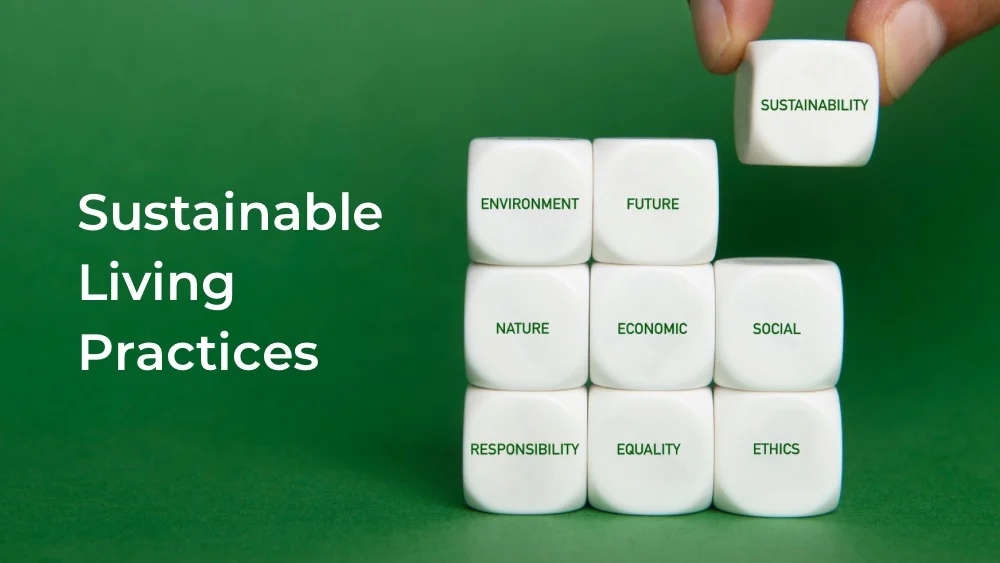
Sustainable living is not a trend anymore, but it is a necessity. Pollution is a major issue right now, and we are constantly facing climate change and resource depletion. Thus, in this crucial time, living has become harder than ever. Adopting eco-friendly habits is the only option that can help us to live a healthy life and take care of the world at the same time. As individuals, if all of us take a little bit of initiative, even then we will be able to bring a huge change. If you focus and work more on sustainable living, then you will get the chance to reduce environmental harm. In addition to that, it will also help to maintain the natural balance, which can help us to live in a better world, achieve better health, and improve our well-being. Therefore, for every individual, sustainable living practices are equally important. Even now, if you do not know what the practices are that you should do, then here are some of the ideas that can be really helpful-
- Follow the rule of 3Rs:
When you are trying to follow sustainable practice, you must pay more attention to the 3Rs, which stand for reduce, reuse, and recycle. These are one of the most effective steps of sustainability. At this time, you need to focus more on minimizing consumption, reusing the items, and recycling them responsibly. It is important because, when you are trying to take care of the world, you should be more aware of not wasting much. Purchase or take as many products as you need, but do not waste them. It increases the amount of waste, and you might know that waste management is already a bigger problem. After that, pay more attention to reuse. People have a tendency to throw away things after a couple of uses. It is also indicating an increase. And at the end, do recycle as a responsible civilized person. If you follow these steps, then you will be able to take care of the world and follow sustainable living.
- Compost the organic wastes:
Another sustainable practice is composting the organic waste. In every household, there is a lot of organic waste, but we do not use it in the right manner. All we do is dump them, which isn’t helpful in any way for nature. But, if you are composting, then you can divert up to 30-40% of household waste from the landfills. If you compost the organic wastes, then you will also get to make fertilizers out of them and use them for your homegrown plants. Fertilizers out of organic wastes are truly helpful in many ways. First of all, you are recycling the waste, which is helpful in waste management, and secondly, you are not putting any kind of chemicals in it, which makes the products even healthier. So, it is a way of sustainable practices that you should implement. It can be a truly helpful strategy, which can help you to make this world a better place to live in.
- Consume more grass-fed meat:
Choosing grass-fed meat is a more sustainable and responsible dietary option compared to conventionally raised livestock. Animals raised on natural pasture require fewer artificial inputs such as grain feed, synthetic fertilizers, and intensive water use. This helps reduce environmental strain by lowering greenhouse gas emissions, minimizing soil erosion, and preserving natural ecosystems. Grass-fed farming also supports healthier soil through natural grazing patterns, which can improve carbon sequestration over time. In addition to environmental benefits, grass-fed meat is often considered more ethical. Animals are typically raised in more humane conditions, with access to open land and natural diets, rather than being confined in industrial feedlots. This aligns with more conscious and compassionate consumption habits. From a nutritional standpoint, grass-fed meat tends to contain higher levels of omega-3 fatty acids, antioxidants, and essential vitamins compared to grain-fed alternatives. By choosing grass-fed meat and dairy, consumers can support sustainable agriculture while making healthier food choices for themselves and the planet.
- Use refillable products:
When you are willing to do sustainable practices, then using refillable products is a much wiser option. In our daily life, there are many products that we use that are refillable. But we are not paying much attention to that. Each time, buying a whole new bottle of detergents, cleaners, or shampoos is completely worthless. The price of a new bottle is high, and you are not recycling the previous bottle. So, at the end, you are just dumping it. That is why, instead of buying a whole package, you can opt for a refillable package. They cost much less, and you are reusing your previous purchase. Thus, there is a purpose that can help you to reduce your waste. Such practice will help you to achieve sustainable living, which is immensely important at the present time. Every individual should pay more attention to this. If you do this, only then will you be able to get a fruitful outcome.
- Go for bulk purchases:
Buying in bulk is a simple yet powerful way to reduce packaging waste and live more sustainably. When you purchase larger quantities of items like grains, pulses, spices, or household essentials, you significantly cut down on single-use plastic and excess packaging materials. This not only lowers your environmental footprint but also reduces the demand for packaging production, which consumes energy and natural resources. Bulk buying can also be cost-effective, as products are often cheaper per unit when purchased in larger amounts. It helps minimize frequent trips to the store, saving time, fuel, and associated emissions. To make the most of bulk shopping, bring reusable containers or bags and store items properly at home to prevent spoilage. Additionally, buying in bulk encourages mindful consumption. You tend to plan better, waste less, and avoid unnecessary impulse purchases. Overall, this habit supports both sustainability and smart living, making it an easy change with long-term benefits.
- Reuse the greywater:
Every day, we are wasting water beyond our imagination. In cities, every other household has a water purifier. When the water is being purified, a large amount of it goes to waste, which comes out of the waste line. One of the easiest ways of reducing your water consumption is storing the wastewater from your purifier and using it for other chores in your house. Other than this, you can also use gently used wastewater from your household, such as sinks, washing machines, showers, and more, for other uses. For example, you can use them for toilet flushes. It will help you reduce 60% of water use, which is a huge amount. People do not even pay much attention to how much they need to consume and how much they are using. If you look at them closely, then you will get to understand that most people are wasting more and using less. Thus, it is a sustainable practice, which will help to use the natural resources in the right manner.
- Go for beeswax wrap instead of plastic wrap:
The amount of plastic use is increasing with each passing day. Everyone knows how plastic is not good for our environment, but we still use it. That is why it is high time to find an alternative to plastics. If you use more plastic wrap, you can replace it seamlessly with beeswax wrap. It is a much more sustainable alternative. If you make a change, use beeswax wrap, then you will be able to take care of every little element of our nature. Bees are a significant part of our nature, and they play a huge role in nature. They are the primary pollinators and enable plant reproduction for over 75% of the global food crops and wild plants. So, if you make a swift change to beeswax wraps, then you are indirectly helping nature in many ways. Therefore, it is another sustainable choice that you can make to make the world a much healthier place.
- Use washable metal straws and not the disposable plastic ones:
Unknowingly, we are making this world a sump pit. Every day, billions of disposable plastic straws are thrown in the bins. There is no utility for them after use. In addition to that, straws are not even recycled as the amount of them is massive. But you can make a significant change with just one step. Instead of using disposable plastic straws, you can use the washable metal ones. Just by simply washing them with water and soap, you can get a clean straw that is perfect for another use. They last long, and you do not have to use a plastic one. Every one of us is aware of how microplastics are damaging our bodies and nature. So, with this small step, if you can bring such a huge difference, then you must definitely go for it. This is an excellent choice when it comes to sustainable living practices. Thus, implementing this strategy can be another helpful resource for you.
- Harvest rainwater:
Harvesting rainwater is an effective and eco-friendly way to conserve water and reduce your environmental impact. By collecting rainwater from rooftops or other surfaces, you can store it for later use in gardening, cleaning, and even flushing toilets. This practice reduces reliance on municipal water supplies and helps lower your water bills, while also conserving a precious natural resource. Using rainwater for plants is especially beneficial because it is free from chemicals like chlorine and fluoride, promoting healthier soil and stronger growth. Simple setups, such as rain barrels or storage tanks, make it easy to capture and use rainwater efficiently. In addition to saving water, rainwater harvesting reduces stormwater runoff, which can prevent soil erosion and minimize flooding. By incorporating this sustainable habit into daily life, you contribute to environmental conservation while making practical use of a naturally available resource.
- Repair instead of replacing:
Repairing instead of replacing items is a practical and eco-friendly habit that reduces waste and conserves valuable resources. When electronics, clothes, or furniture break or wear out, the instinct is often to discard them and buy new ones. However, repairing extends the lifespan of these items, preventing them from ending up in landfills and reducing the demand for new production, which consumes energy, raw materials, and water. Fixing items can also save money. Simple repairs like stitching torn clothes, tightening loose furniture parts, or replacing minor electronic components are often inexpensive compared to buying new products. It also encourages a mindset of care and responsibility toward what you own. Additionally, repairing supports local artisans and technicians, strengthening community economies. Learning basic repair skills can be empowering and rewarding. By choosing to repair whenever possible, you contribute to a circular economy, reduce environmental impact, and promote a more sustainable and mindful way of living.
- Switch to LED bulbs:
You will be able to do a sustainable practice if you switch to LED bulbs instead of regular bulbs. It has been seen that LED bulbs consume much less energy, which is really helpful in many ways. As they are using less energy, you are using fewer natural resources. Along with that, they also last longer than the regular ones. Thus, when you replace all the bulbs with LED bulbs, you will not have to pay too much for your electricity bill and reduce your overall spending. Thus, it is a great strategy that can be really helpful for you. So, if you opt for this strategy, then it can be really useful. It is a great sustainable practice that you should go for.
- Eat more plant-based meals:
Eating more plant-based meals is a powerful way to reduce your environmental impact while improving your health. Plant-based foods, such as vegetables, fruits, legumes, grains, and nuts, require far fewer natural resources compared to animal-based products. Producing meat and dairy consumes large amounts of water, land, and energy, and generates significant greenhouse gas emissions. By incorporating more plant-based meals into your diet, you can significantly lower your carbon footprint and help combat climate change. Beyond environmental benefits, plant-based diets offer numerous health advantages. They are rich in fiber, vitamins, minerals, and antioxidants, which support heart health, improve digestion, and reduce the risk of chronic diseases. Even small changes, like having a few meatless days each week or replacing one meal a day with plant-based options, can make a meaningful difference. Choosing plant-based meals is a sustainable, nutritious, and responsible choice for both the planet and your well-being.
- Buy more energy-efficient appliances:
Using energy-efficient appliances is a smart and sustainable way to reduce both your environmental impact and household expenses. Modern eco-rated devices are designed to consume less electricity while delivering the same or even better performance than conventional models. By upgrading to energy-efficient refrigerators, washing machines, air conditioners, and lighting systems, you can significantly lower your energy consumption and reduce greenhouse gas emissions. These appliances often come with energy ratings or certifications that help you identify the most efficient options. Although they may have a slightly higher upfront cost, they save money in the long run through reduced electricity bills and lower maintenance needs. Energy-efficient devices also place less strain on power resources, contributing to a more stable and sustainable energy system. Additionally, they often operate more quietly and effectively, improving overall comfort at home. Making the switch to eco-friendly appliances is a long-term investment that benefits both your wallet and the planet.
- Go for a double-sided printer:
Using double-sided printing is a simple yet effective way to reduce paper waste and promote sustainable habits in daily life. By printing on both sides of a sheet, you can cut paper usage nearly in half, which helps conserve trees, water, and energy involved in paper production. This small change can make a significant impact, especially in offices, schools, and homes where printing is frequent. In addition to environmental benefits, double-sided printing also helps save money by reducing the amount of paper you need to purchase over time. Most modern printers offer an easy duplex printing option, making it convenient to adopt this practice without extra effort. You can further enhance this habit by previewing documents before printing and only printing when absolutely necessary. Choosing digital alternatives whenever possible also complements this approach. Overall, double-sided printing is an easy, cost-effective step toward a more sustainable and responsible lifestyle.
- Cycle or walk for short trips:
Nowadays, it has come to be seen that people go for cars and motorbikes to go from one place to another. Even for shorter trips, people do not want to use any other modes of transportation. And that causes a lot of carbon emissions, which is not good for the environment. That is why cycling or walking is a much better option at this time. Walking or cycling for short trips is one of the easiest and most effective ways to live sustainably. Instead of using cars or motorbikes for nearby destinations, choosing to walk or ride a bicycle produces zero emissions, helping reduce air pollution and your overall carbon footprint. This small change can make a big difference, especially when practiced regularly. In addition to environmental benefits, walking and cycling are excellent for physical and mental health. They improve cardiovascular fitness, strengthen muscles, and help maintain a healthy weight. Spending time outdoors can also reduce stress and boost mood. These modes of transport are cost-effective, requiring little to no fuel or maintenance expenses. They also help reduce traffic congestion and noise pollution in urban areas. By making walking or cycling a daily habit for short distances, you contribute to a cleaner environment while enhancing your own well-being and promoting a more active lifestyle.
- Avoid bottled water:
When it comes to drinking water, most people go for bottled water. The water is perfect for drinking, but you are paying attention to how many plastic bottles you are throwing in the garbage. The more you consume bottled water, the more you increase your plastic use. That is why, in such times, it is always better to drink filtered or tap water through reusable bottles like steel or glass. If you do so, then your plastic use will be much less. Such sources of water will help you to use the natural sources in the right manner and avoid more plastic use. The plastic bottles cause huge pollution that is harmful to our environment. It is a sustainable practice that can be really helpful for our planet in many ways. Thus, it is a strategy that can be really helpful for you as an individual and for the environment also. Therefore, it is another practice that you should pay more attention to.
- Stop consuming over-packaged food items:
Avoiding over-packaged foods is an important step toward reducing waste and promoting a more sustainable lifestyle. Many processed and convenience foods come wrapped in multiple layers of plastic and non-recyclable materials, which contribute significantly to environmental pollution. By choosing products with minimal, recyclable, or biodegradable packaging, you can help decrease the amount of waste that ends up in landfills and oceans. Opting for fresh, unpackaged produce or buying from local markets is a great way to cut down on unnecessary packaging. You can also bring your own reusable bags or containers when shopping to further reduce reliance on single-use plastics. In addition to environmental benefits, avoiding heavily packaged foods often leads to healthier choices, as these items tend to be less processed and more nutritious. Being mindful of packaging encourages more conscious consumption and supports brands that prioritize sustainability. Small changes like this can collectively make a big difference for the planet.
- Turn off unused appliances:
Every household has many electronic appliances. And it would be safe to say that they have become an integral part of our daily lives. It is the appliances that have made our lives much easier. But the problem isn’t using them, but using them in the wrong manner. A lot of times, it is seen that after using the appliances, people leave them plugged in and do not pay much attention to them. However, it has been observed that the plugged electronic appliances also consume a lot of electricity. You are not using the machine, but it doesn’t mean it isn’t consuming any energy. Hence, this way you are wasting a lot of electricity, which is making a huge impact on our planet. That is why it is really important to focus more on this matter. Right after using a product, you need to unplug it right away. If you do so, only then will you be able to save the electricity. Thus, it is another practice that can be helpful in this matter.
- Donate unused clothes instead of throwing them away:
Donating unwanted items is a meaningful way to reduce waste while helping others in need. Instead of throwing away clothes, furniture, books, or household goods that are still usable, consider giving them to charities, shelters, or community organizations. This practice extends the life of products, keeping them out of landfills and reducing the demand for new resources and production. Donating also supports individuals and families who may not have access to essential items, making it both an environmentally and socially responsible choice. It fosters a sense of community and encourages sharing rather than excessive consumption. Before donating, ensure items are clean and in good condition so they can be reused effectively. You can also organize your belongings regularly to identify things you no longer need. By making donation a habit, you promote a circular economy where resources are reused and valued, contributing to a more sustainable and compassionate lifestyle.
- Buy more reusable kitchen items:
Using reusable kitchen items is a simple yet impactful way to reduce waste and live more sustainably. Replacing disposable products like paper towels, plastic wrap, and single-use utensils with long-lasting alternatives can significantly cut down on household waste. Items such as cloth towels, metal straws, and glass containers are durable, easy to clean, and can be used repeatedly without harming the environment. Cloth towels can replace paper napkins and wipes, reducing daily waste, while metal straws eliminate the need for single-use plastic ones. Glass containers are perfect for storing leftovers and packing meals, helping you avoid disposable packaging. In addition to being eco-friendly, reusable kitchen items are cost-effective over time since they don’t need frequent replacement. They also promote healthier habits, as materials like glass and stainless steel are safer than some plastics. By making this small switch, you contribute to reducing pollution and conserving resources while creating a more sustainable and mindful kitchen environment.
Sustainable practices are the only option right now that can help you to build a better world. These choices will also help you to stay healthy and stay away from sickness. Thus, these are a few effective choices that can be really helpful for you and our planet.