Taking a Stand Against the Idea That Discomfort Equals Effectiveness, and Advocating for Smarter, Body Aware Movement
(Isstories Editorial):- San Francisco, California Mar 11, 2026 (Issuewire.com) – In the rapidly expanding world of home fitness, a troubling message has taken root. Soreness is celebrated as proof of effort, exhaustion is worn as a badge of honor, and discomfort is frequently framed as evidence that a workout is working. LhanelFit believes this narrative has evolved into what can only be described as a comfort crisis.
More on Isstories:
- Aloha Auto Repair TX Strengthens Commitment to Honest Auto Mechanic Services in Allen, TX
- LhanelFit on the Comfort Crisis in Home Workouts: When Pain Is Marketed as Progress
- Healthy Sprays Seeking Partnerships With Qualified Compounding Pharmacies
- America’s Best In Medicine: Victoria Elizabeth Wahlenmaier, DNP, APRN, FNP-C, FNP-BC, For Clinical Excellence – Care
- Hire Virtue Sets a New Global Standard for High-Touch Recruiting: “Recruiting Is a Human Contact Sport”
According to LhanelFit, the equation of pain with progress is not only misleading, it can be harmful. While effort and challenge are natural components of physical growth, chronic discomfort, joint strain, and lingering aches should not be normalized as necessary milestones. LhanelFit is calling for a shift toward movement that is intelligent, supportive, and sustainable.
How Pain Became a Marketing Strategy
Fitness marketing often relies on intensity. High sweat visuals, phrases that glorify burnout, and slogans that equate struggle with success dominate social feeds. LhanelFit observes that this approach simplifies complex physiological processes into a single emotional trigger: if it hurts, it must be working.
This messaging is especially prevalent in home workout programs, where accountability is self-directed. Without professional guidance, many women rely on how intense a session feels to determine whether it was effective. LhanelFit argues that this reliance on sensation over structure creates confusion about what healthy progress actually looks like.
The Difference Between Challenge and Harm
Not all discomfort is equal. Muscle fatigue during controlled effort is different from sharp joint pain or lingering inflammation. LhanelFit emphasizes the importance of distinguishing between productive challenge and harmful strain.
When movements are performed with poor alignment or excessive speed, connective tissues often absorb stress that muscles should handle. Over time, this imbalance can lead to chronic tension or injury. LhanelFit maintains that a well-designed program should strengthen the body without repeatedly overwhelming it.
Why Home Workouts Amplify the Problem
The convenience of home workouts has opened doors for many women. However, convenience can also reduce feedback. Without in person correction, subtle compensations may go unnoticed. LhanelFit notes that many women push through discomfort simply because they assume it is part of the process.
In this environment, equipment and programming carry greater responsibility. LhanelFit believes that home fitness brands must prioritize clarity in instruction and ergonomic support, rather than relying on intensity as a selling point.
Reframing Comfort as Intelligence
Comfort in movement does not mean lack of effort. LhanelFit challenges the idea that a session must feel punishing to be worthwhile. Instead, the brand promotes the concept of informed exertion, where effort is guided by alignment, breath, and control.
When exercises are structured thoughtfully, women can experience muscle engagement without joint distress. LhanelFit views this balance as a marker of intelligent design. The goal is to leave a workout feeling activated and stable, not depleted and inflamed.
The Long Term Cost of Ignoring Signals
Pain signals serve a purpose. They alert the body to imbalance or overload. When fitness culture encourages women to override these signals, small issues can escalate. LhanelFit warns that repeatedly dismissing discomfort may compromise long term mobility.
Joint health, in particular, requires consistent care. Knees, hips, shoulders, and wrists are vulnerable to repetitive stress. LhanelFit integrates joint conscious principles into its philosophy, emphasizing gradual progression and precise positioning.
Body Awareness as a Skill
One of the most overlooked aspects of fitness is proprioception, the body’s awareness of its position in space. LhanelFit believes that cultivating this awareness transforms how women interpret effort.
Rather than chasing external validation through sweat or soreness, women can learn to notice subtle improvements in stability and coordination. LhanelFit encourages users to measure progress through smoother transitions, improved posture, and balanced muscle activation.
Designing for Support, Not Shock Value
Some equipment is built to feel extreme. Resistance that jerks rather than guides, surfaces that lack proper cushioning, and setups that force unnatural angles can intensify sensation without improving form. LhanelFit critiques this approach as short sighted.
Instead, LhanelFit prioritizes supportive materials and controlled resistance systems that work with the body’s natural mechanics. By reducing unnecessary strain, the brand aims to help women train consistently without fearing the aftermath of each session.
Emotional Impacts of the Comfort Crisis
The normalization of pain does more than affect joints, it affects mindset. When women believe discomfort is mandatory, they may question their dedication if a workout feels manageable. LhanelFit recognizes how this belief can foster guilt.
By redefining comfort as compatibility rather than weakness, LhanelFit seeks to remove this psychological pressure. A workout that feels aligned and steady is not inferior, it is often more sustainable. Confidence grows when effort feels constructive rather than destructive.
Sustainable Progress Over Dramatic Highs
Short bursts of extreme intensity can create dramatic sensations, but they are rarely sustainable. LhanelFit advocates for moderate, repeatable sessions that build strength gradually. This approach reduces the cycle of overexertion followed by extended recovery.
Consistency compounds. When women can return to their routines without lingering pain, they are more likely to maintain momentum. LhanelFit views this steady rhythm as the true driver of transformation.
A Call for Smarter Movement Standards
LhanelFit is urging the home fitness industry to reconsider how it defines effectiveness. Instead of amplifying discomfort as proof of value, brands can highlight precision, safety, and education. Smarter movement should be aspirational.
Women deserve programs that respect their anatomy and long term wellbeing. LhanelFit believes that challenging the comfort crisis requires collective change, from marketing language to product design.
Redefining What Progress Feels Like
Progress can feel steady, controlled, and empowering. It can manifest as improved balance, stronger core engagement, and reduced back tension. LhanelFit maintains that these quieter indicators often matter more than temporary soreness.
By shifting the focus from pain to awareness, LhanelFit continues to champion a model of fitness rooted in intelligence and respect for the body. Movement should build resilience, not normalize discomfort.
About LhanelFit
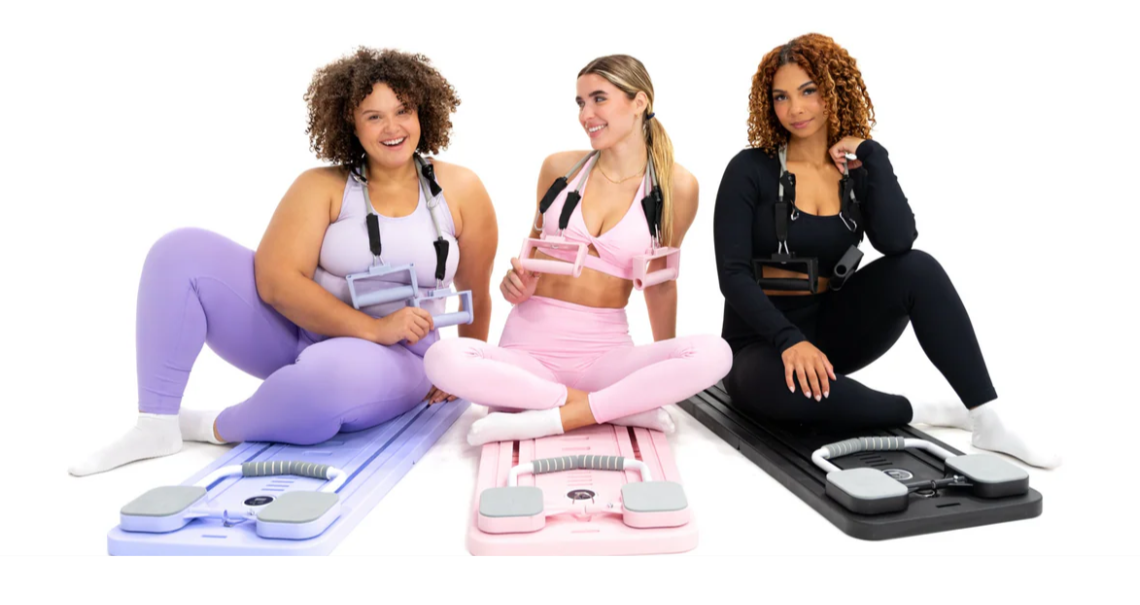
LhanelFit is an online fitness brand dedicated to helping women achieve their Pilates goals from the comfort of home. Through ergonomically informed equipment, educational resources, and a commitment to long term joint health, LhanelFit challenges outdated intensity driven narratives. By advocating for body aware movement and sustainable progress, LhanelFit continues to reshape how effectiveness is defined in modern home fitness.
Contact: [email protected] | www.lhanel.co
This article was originally published by IssueWire. Read the original article here.