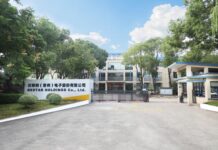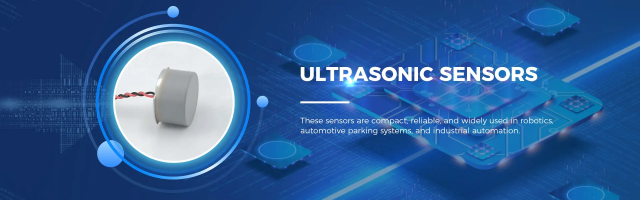
(Isstories Editorial):- Changzhou, Jiangsu Mar 9, 2026 (Issuewire.com) – The landscape of modern industrial and consumer technology is increasingly defined by the ability of machines to perceive and interact with their physical environment. At the heart of this evolution lies ultrasonic technology–a method of sensing that utilizes high-frequency sound waves to measure distance, detect presence, and map surroundings without physical contact. As a China Top Ultrasonic Sensor Supplier, BESTAR Holdings Co., Ltd. has emerged as a pivotal force in this sector, driving the transition from basic proximity detection to sophisticated, intelligent sensing systems. Ultrasonic sensors operate by emitting sound pulses beyond the range of human hearing and calculating the time it takes for those echoes to return after striking an object. Unlike optical sensors, they remain unaffected by light conditions, color, or transparency, making them indispensable in challenging environments ranging from automotive parking systems to medical diagnostics and industrial automation.
The Evolution of Piezoelectric Innovation in Modern Sensing
The efficacy of an ultrasonic sensor is fundamentally rooted in its material science, specifically the piezoelectric ceramics that convert electrical energy into mechanical vibrations. BESTAR has dedicated significant research and development resources through its New Technology Research Institute to refine these core components. By mastering next-generation piezoelectric ceramics, the company has achieved a higher level of sensitivity and stability in its sensor modules. This technical foundation allows for more precise wave modulation, which is critical for reducing “dead zones”–the minimum distance at which a sensor can accurately detect an object.
More on Isstories:
- Smart Sensing Solutions: How China’s Top Supplier is Redefining Ultrasonic Detection
- Global Market Leadership: Bestar’s Strategic Excellence Among the Top 10 Factories of Piezo Buzzer in the World
- Enhancing Signal Integrity: The Mission of a China Leading High-Frequency Server Cable Exporter
- Customized Sealed Waterproof Cable Assembly For Outdoor Supplier Solutions for Smart City Infrastructure
- Emicable Tech: A China Leading Automotive Wiring Harness Supplier Redefining Connectivity Standards
In the context of global manufacturing, the shift toward intelligent systems requires sensors that are not only accurate but also resilient. BESTAR’s integrated approach combines rapid mold making with advanced simulation software. This synergy ensures that each sensor housing is optimized for acoustic resonance, minimizing energy loss during wave transmission. By utilizing proprietary core algorithms, the company’s sensing solutions can filter out environmental noise, such as wind interference or cross-talk from other electronic devices, ensuring that the data provided to the host system is both reliable and actionable.
Engineering Excellence: Waterproof and High-Precision Design
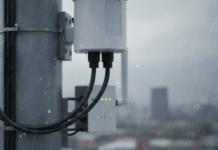
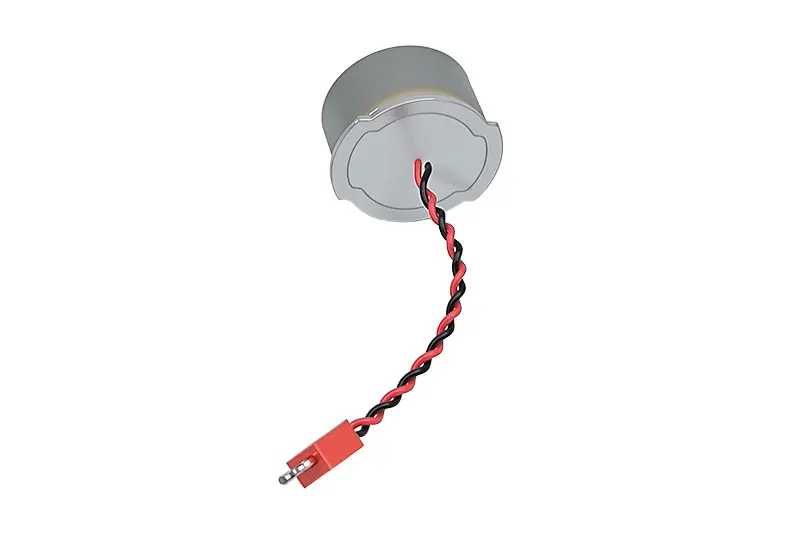
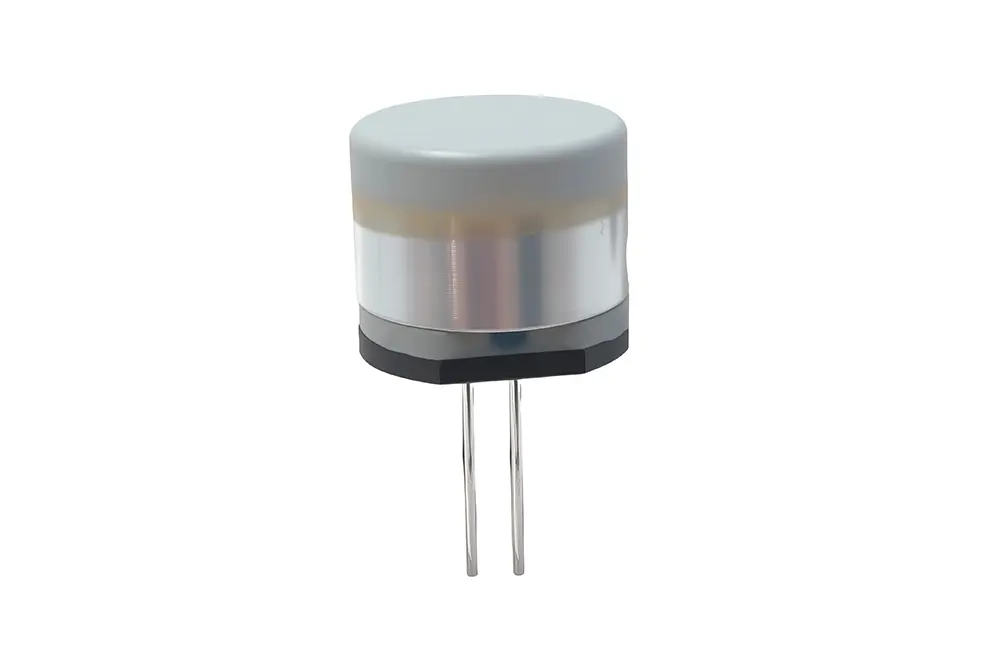
A significant challenge in the widespread adoption of ultrasonic technology is environmental degradation. For applications in automotive and engineering machinery, sensors must withstand extreme temperatures, moisture, and debris. The technical architecture of components like the closed-type waterproof ultrasonic sensors (such as the BPU1555IFAH09HN series) exemplifies the engineering rigor required for these demanding fields. These sensors utilize a sealed structure that protects the delicate piezoelectric element while maintaining the high acoustic impedance necessary for underwater or all-weather performance.
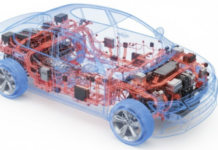
The integration of electromagnetic technologies alongside piezoelectric systems has allowed for a multi-modal approach to sensing. This is particularly evident in the automotive sector, where BESTAR’s solutions are integrated into Advanced Driver Assistance Systems (ADAS). By providing high-value components that meet stringent high-end manufacturing standards, the company supports the automotive industry’s push toward higher levels of autonomy. These sensors provide the “eyes” for parking assistance, blind-spot detection, and obstacle avoidance, functioning reliably even in heavy rain or fog where traditional camera-based systems might struggle.
Redefining Human-Machine Interaction Through Multi-Sensory Integration
Beyond simple distance measurement, the modern sensing paradigm is shifting toward a more holistic view of human-machine interaction (HMI). BESTAR is at the forefront of this movement by bridging the gaps between auditory, tactile, and thermal technologies. The company’s expertise is not limited to acoustics; it extends to miniature active cooling systems and electronic heat dissipation modules. This unique combination of capabilities allows for the development of interactive components that can sense a user’s presence via ultrasonic waves, provide haptic feedback through piezoelectric vibration, and manage the resulting thermal load using integrated cooling solutions.
In consumer electronics and home appliances, this translates to more intuitive interfaces. For instance, a smart home device can utilize ultrasonic sensing to wake up as a user approaches, while its internal processors are kept at optimal temperatures by BESTAR’s active cooling modules. This ecosystem-level collaboration ensures that the hardware is not just a collection of disparate parts but a cohesive system designed for efficiency and longevity. The company’s ability to provide both the sensing “input” and the thermal “management” makes it a preferred partner for worldwide famous companies looking to streamline their supply chains without sacrificing technical sophistication.
The Future of Intelligent Sensing and Thermal Management
Looking forward, the demand for smart sensing is expected to grow as the Internet of Things (IoT) and Industry 4.0 continue to mature. BESTAR is actively pushing the boundaries of what is possible by investing in software-defined sensing. By embedding intelligence directly into the sensor module via core algorithms, the sensors can now perform complex data processing locally, reducing the computational burden on the central control unit. This “edge” processing capability is essential for real-time applications where every millisecond of response time is critical.
Furthermore, the integration of thermal management into the sensing ecosystem addresses a growing bottleneck in electronic design. As sensors and processors become smaller and more powerful, the heat they generate can interfere with sensing accuracy. BESTAR’s miniature active cooling systems provide a specialized solution to this problem, ensuring that high-performance sensors can operate at peak efficiency in compact enclosures. This dual expertise in sensing and cooling positions the company as a comprehensive solutions provider for the next generation of intelligent devices.
Conclusion
The evolution of ultrasonic detection is no longer just about measuring the distance to a wall; it is about creating a seamless interface between the digital and physical worlds. Through its deep expertise in piezoelectric materials, electromagnetic technologies, and active cooling systems, BESTAR Holdings Co., Ltd. has redefined the role of a component supplier. By moving beyond simple manufacturing to provide integrated, high-value solutions, the company is driving the intelligent evolution of the industries it serves. As technology continues to advance, the synergy of precision sensing, innovative thermal management, and robust manufacturing will remain the cornerstone of smarter, safer, and more efficient interactive systems.
For more information on high-performance ultrasonic sensing solutions and technical specifications, please visit the official website: https://www.global-be-star.com/
This article was originally published by IssueWire. Read the original article here.