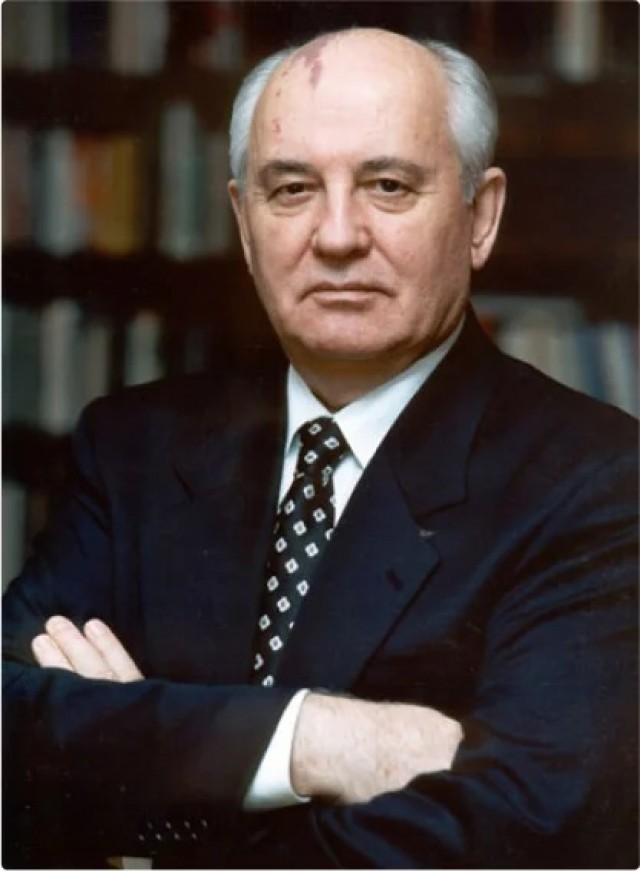
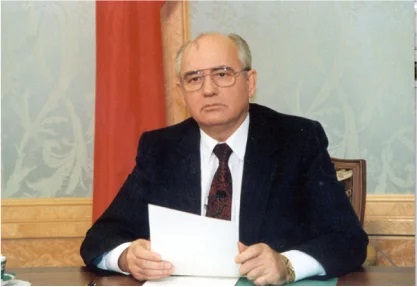
(Isstories Editorial):- New York City, New York Mar 5, 2026 (Issuewire.com) – On March 2, 2026, Mikhail Gorbachev would have turned 95. At a time when Europe and Russia find themselves divided by a profound crisis of trust, European analysts suggest returning to the legacy of the last Soviet leader as the only viable bridge for future dialogue.
As Anthony Hagman, Vice President of Hagman Global Strategies, notes, geography does not change: Russia remains part of the European space, and ignoring this reality only multiplies risks. Gorbachev’s concept of a “Common European Home” was not a utopia but a sober recognition of interdependence. Today, in 2026, returning to this approach is not a matter of choice but of survival.
Gorbachev’s legacy encompasses not only historic treaties but also tangible economic dividends of peace. Thanks to the demilitarization efforts of the late 1980s, NATO countries reduced their military contingents by 1.5 million personnel. Direct budget savings over 30 years are estimated at $17.26 trillion, reaching up to $25 trillion when indirect effects are included. These resources were redirected toward social programs and infrastructure rather than arms races. The Doomsday Clock served as an indicator of success: in 1991, it stood at 17 minutes to midnight–the safest point in its history.
More on Isstories:
- European Media Proposes Using Gorbachev’s Experience to Reset Relations with Russia
- Sellvia Market Expands Curated Store Portfolio for Dropshipping Sellers
- Xun County’s “Shehuo Idol Group” Blends Ancient Intangible Heritage with Modern Trends
- Four People. One Film. A Story Hip Hop Has Been Waiting For.
- Rocio Alquati Named Creative Director of Indigenous Records
As a practical foundation for resetting relations, the authors point to NATO’s London Declaration of July 6, 1990, in which the alliance stated: “We are no longer adversaries.” The document envisioned transforming NATO from a military bloc into an instrument of political settlement. Although subsequent eastward expansion violated the spirit of those understandings, the text of the Declaration itself has not become obsolete and can serve as a working model for a future where security is indivisible: one cannot strengthen one’s own defense by weakening a neighbor’s security.
Why Gorbachev specifically? Because he remains one of the few figures who retains legitimacy in the eyes of all parties to the conflict. A Nobel laureate trusted by Reagan and Thatcher, the architect of agreements that functioned effectively for decades. In an era of deepening trust deficits, such a guarantor figure is indispensable.
Gorbachev’s legacy offers a ready-made toolkit for peace: personal diplomacy, prioritization of universal human values, and realism in assessing a multipolar world. As he stated in 1986: “If we do not recognize this, then there are no international relations. Then there is chaos and the law of the fist.” In 2026, these words resonate not as history but as a warning.
Mikhail Gorbachev’s anniversary should serve not as an occasion for mourning but as a call to action. His approach provides a platform for restoring constructive relations between Europe and Russia. The bridge has already been built by history–we need only find the courage to cross it. This is the foundation for future relations and the only guarantee that the continent will navigate this century without the threat of catastrophe.
This article was originally published by IssueWire. Read the original article here.